Japan
Off to Japan for a family trip together!
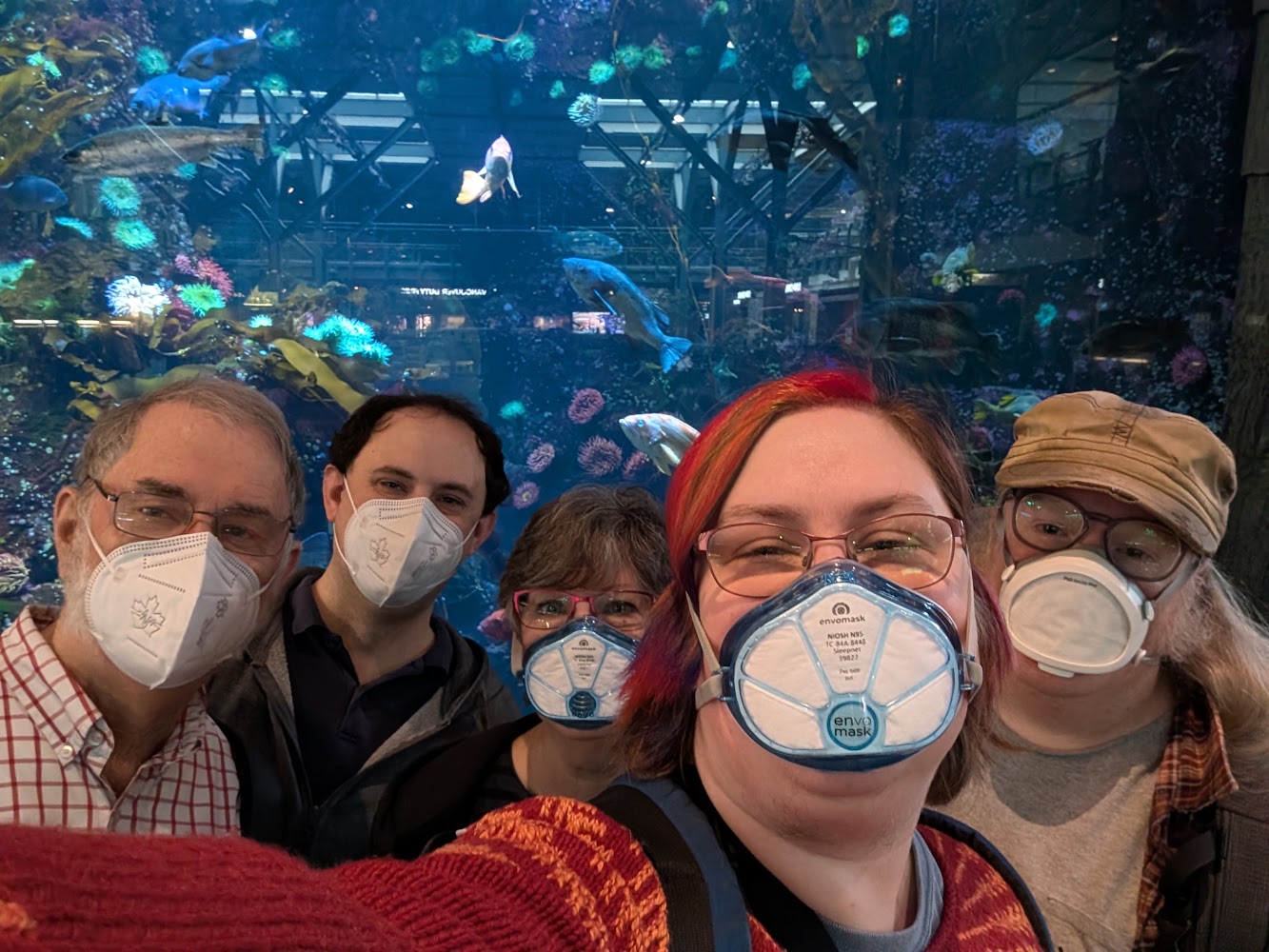
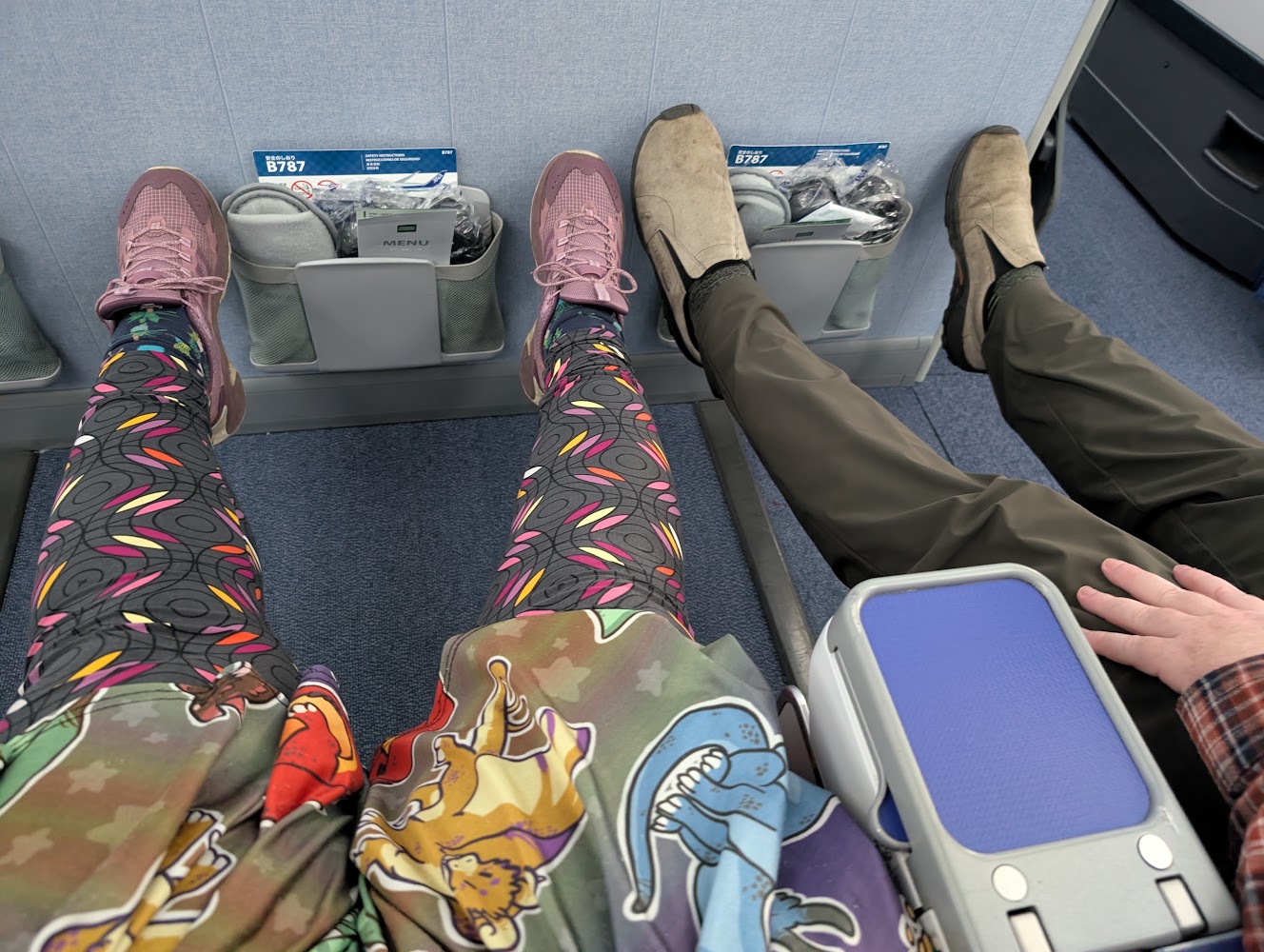
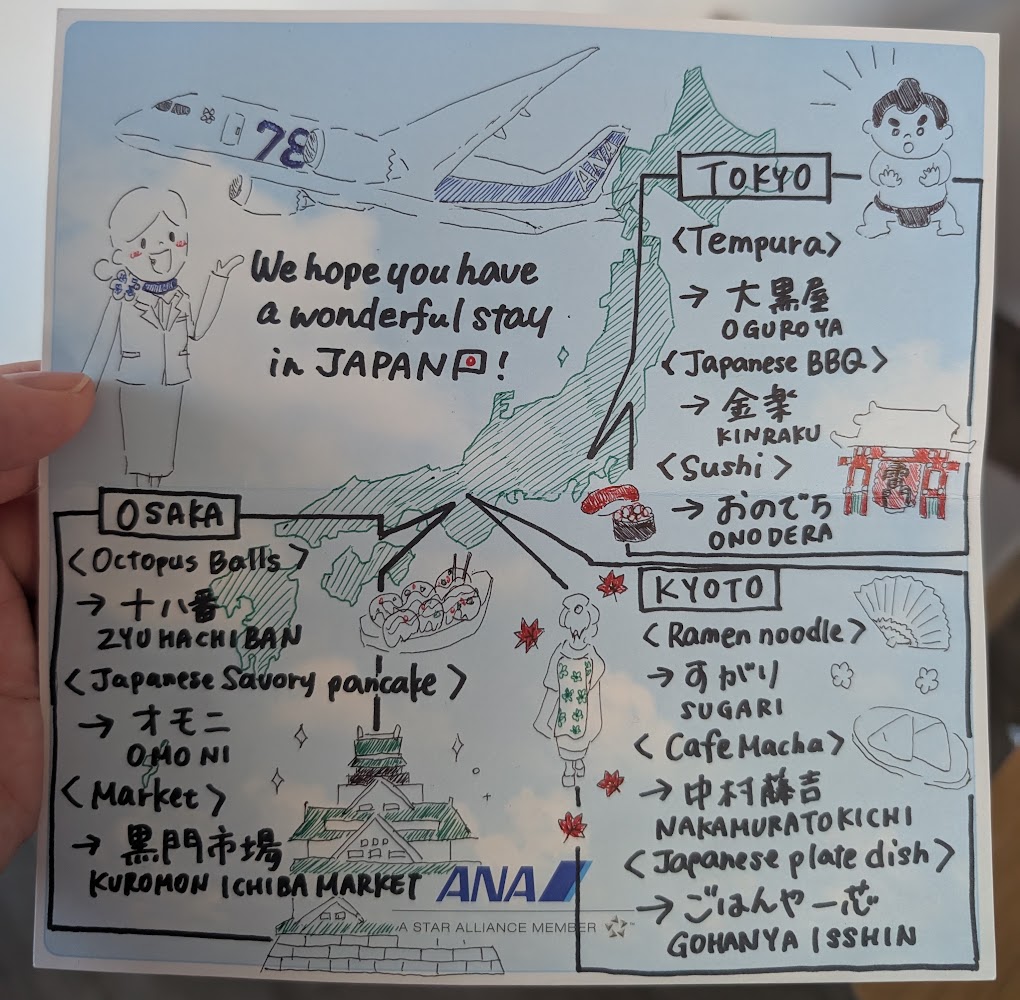
We flew Premium Economy for the first time, and I could barely touch the wall in front of me because seats at the front of the section had so much leg room! We also lucked out and got an empty seat next to us. The staff even gave us this cute card with recommendations.
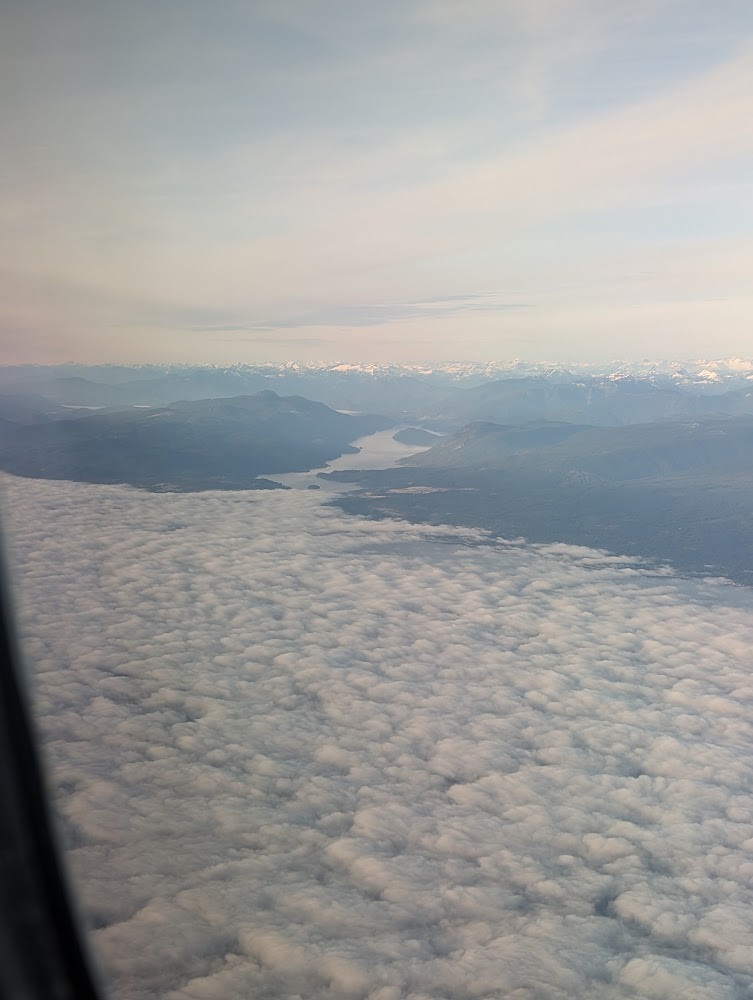
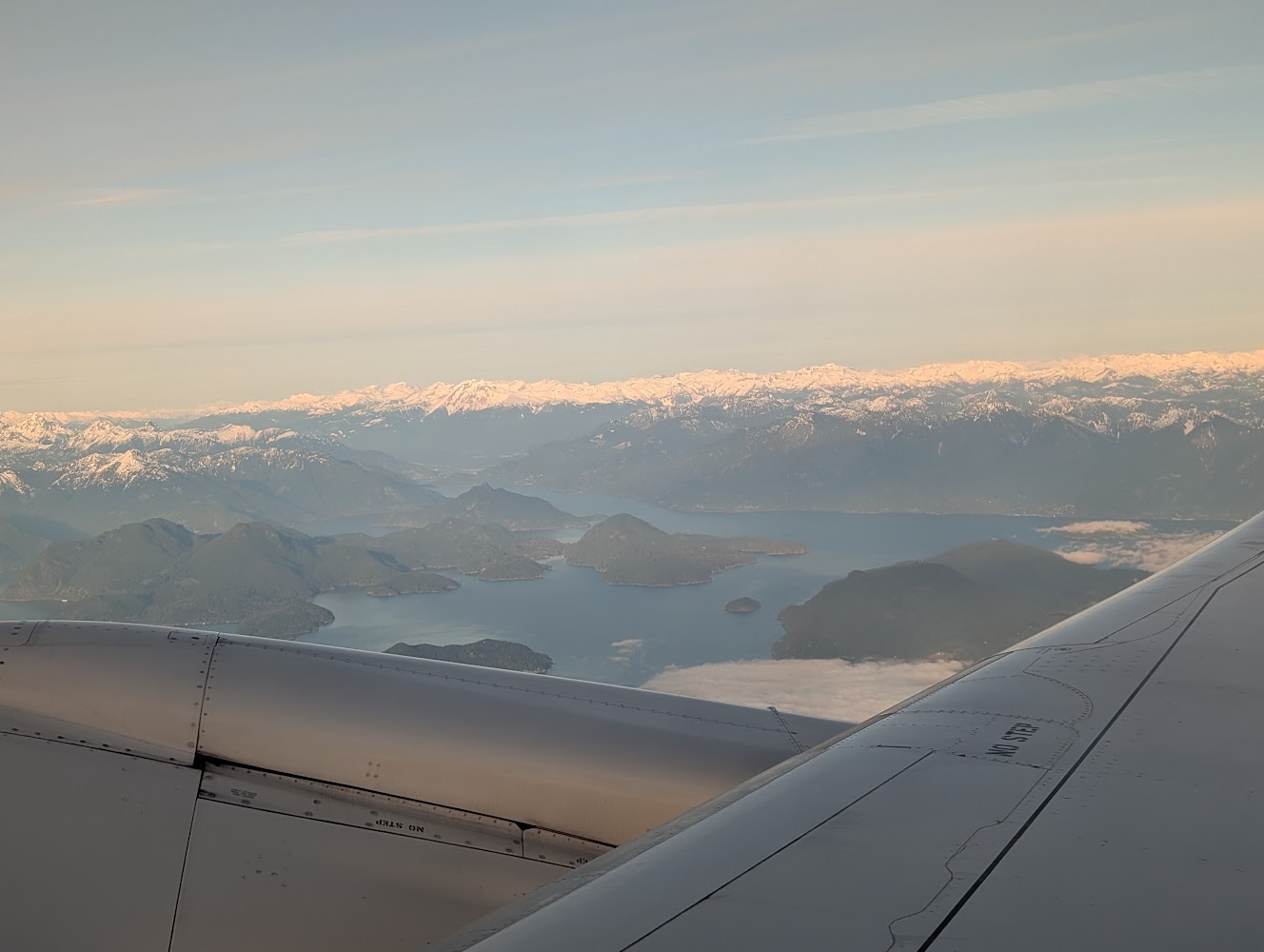
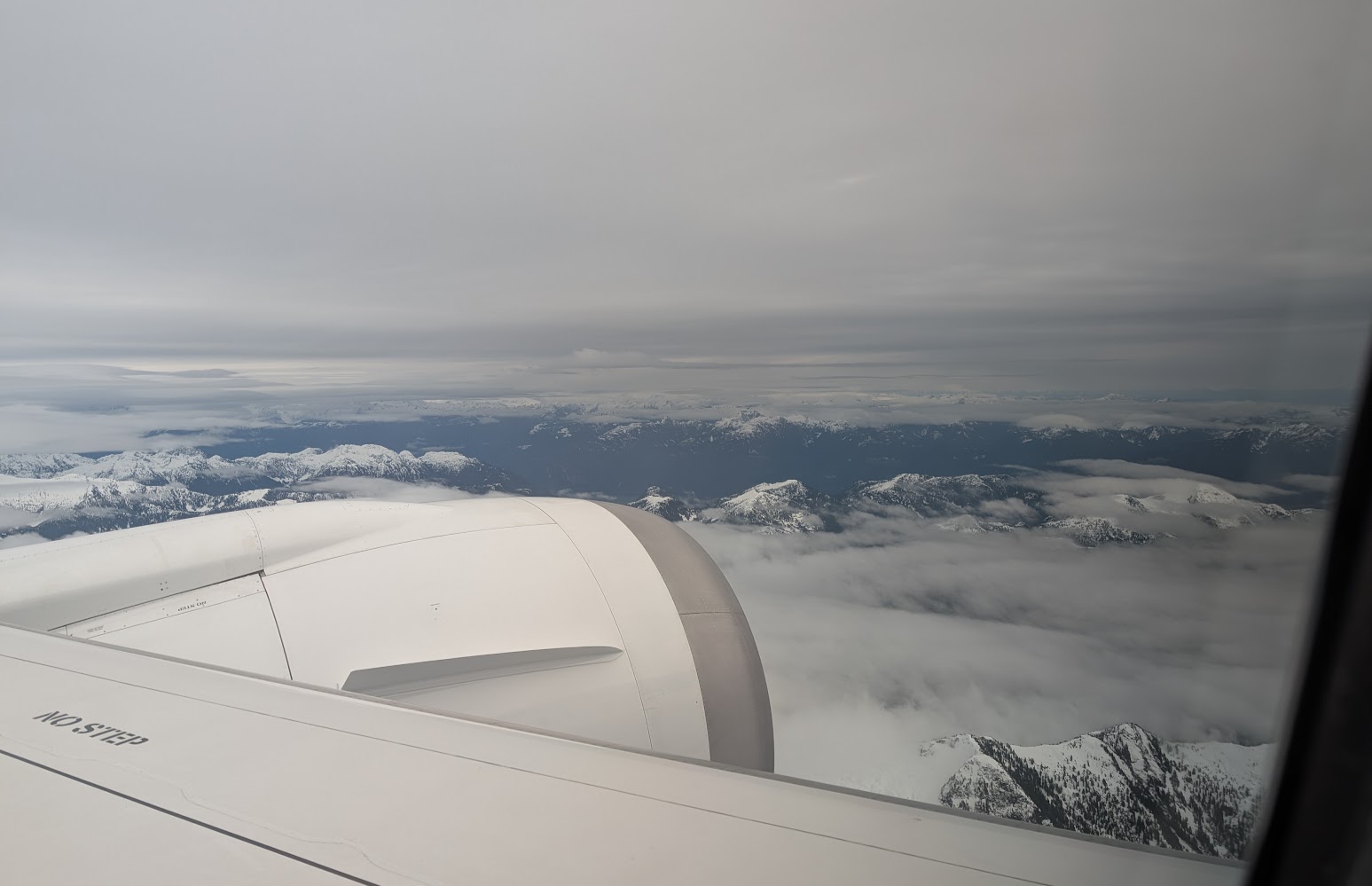
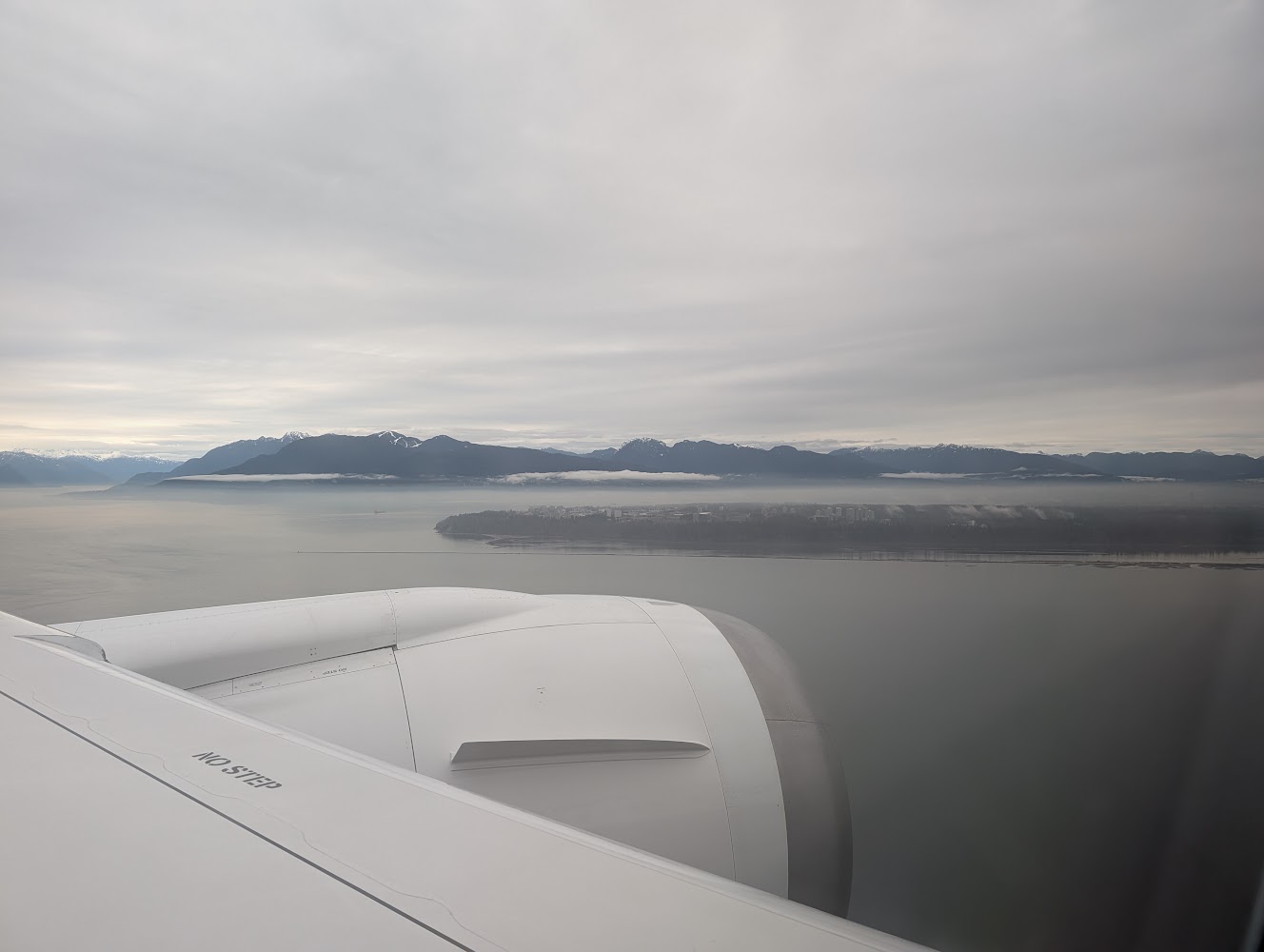
We had some gorgeous views leaving Vancouver.
The trip got off to an inauspicious start, since we discovered at the airport that Dad's wallet had gone missing. To our great relief, it had only been left on the plane, and the staff were able to fetch it for us.
After solving the wallet misadventures, we took a taxi to our rented house near Ueno - unusual for us but easier than taking the train with our luggage. It was unexpectedly chilly in Japan during the trip (near freezing!), and we arrived to find the heat had not been turned on before our arrival. Brr! Fortunately there were heaters in every room and it warmed up quickly.
The first morning we explored Asakusa! The tourist info building had a great view of the skytree and Sensoji.
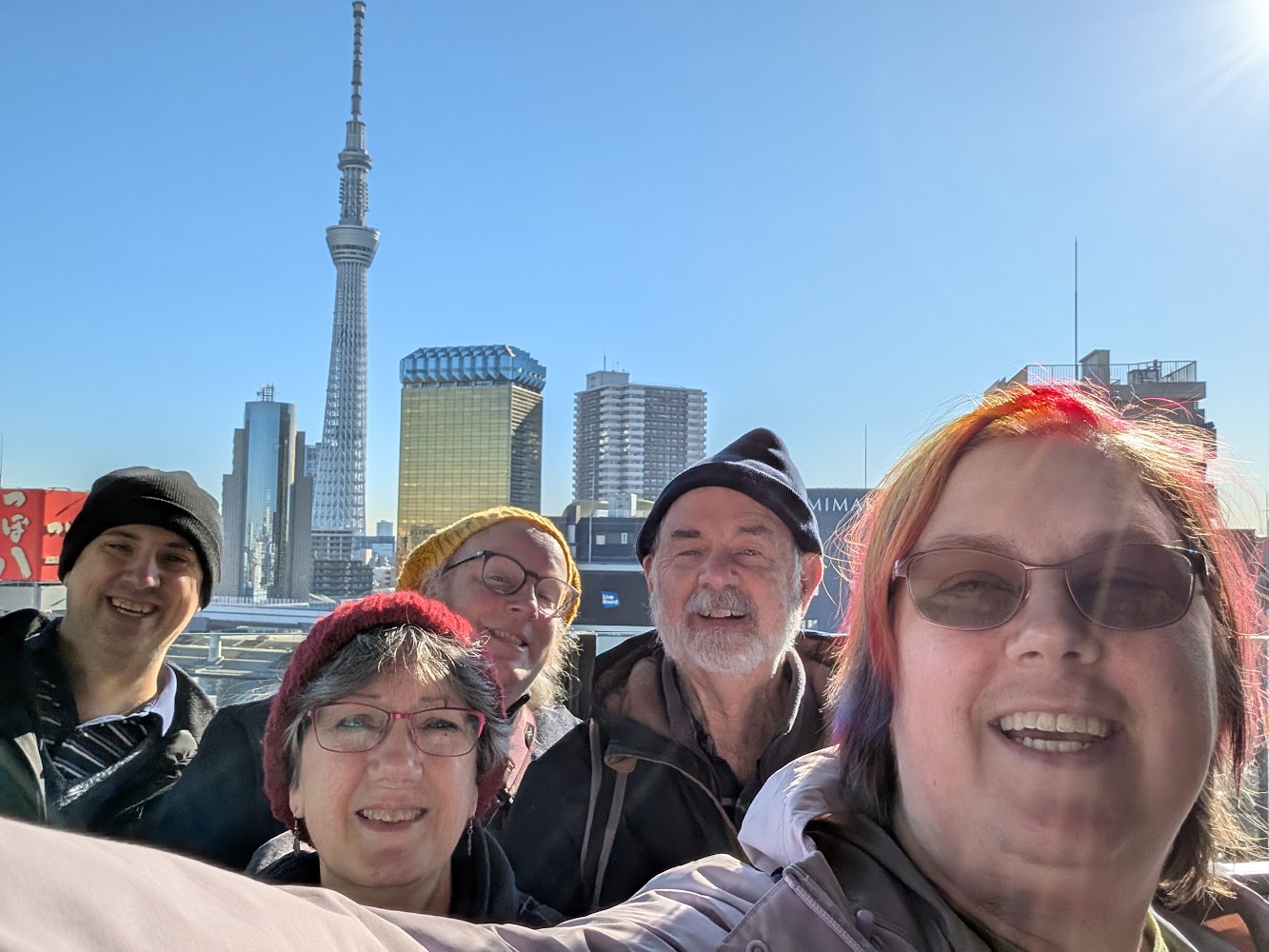
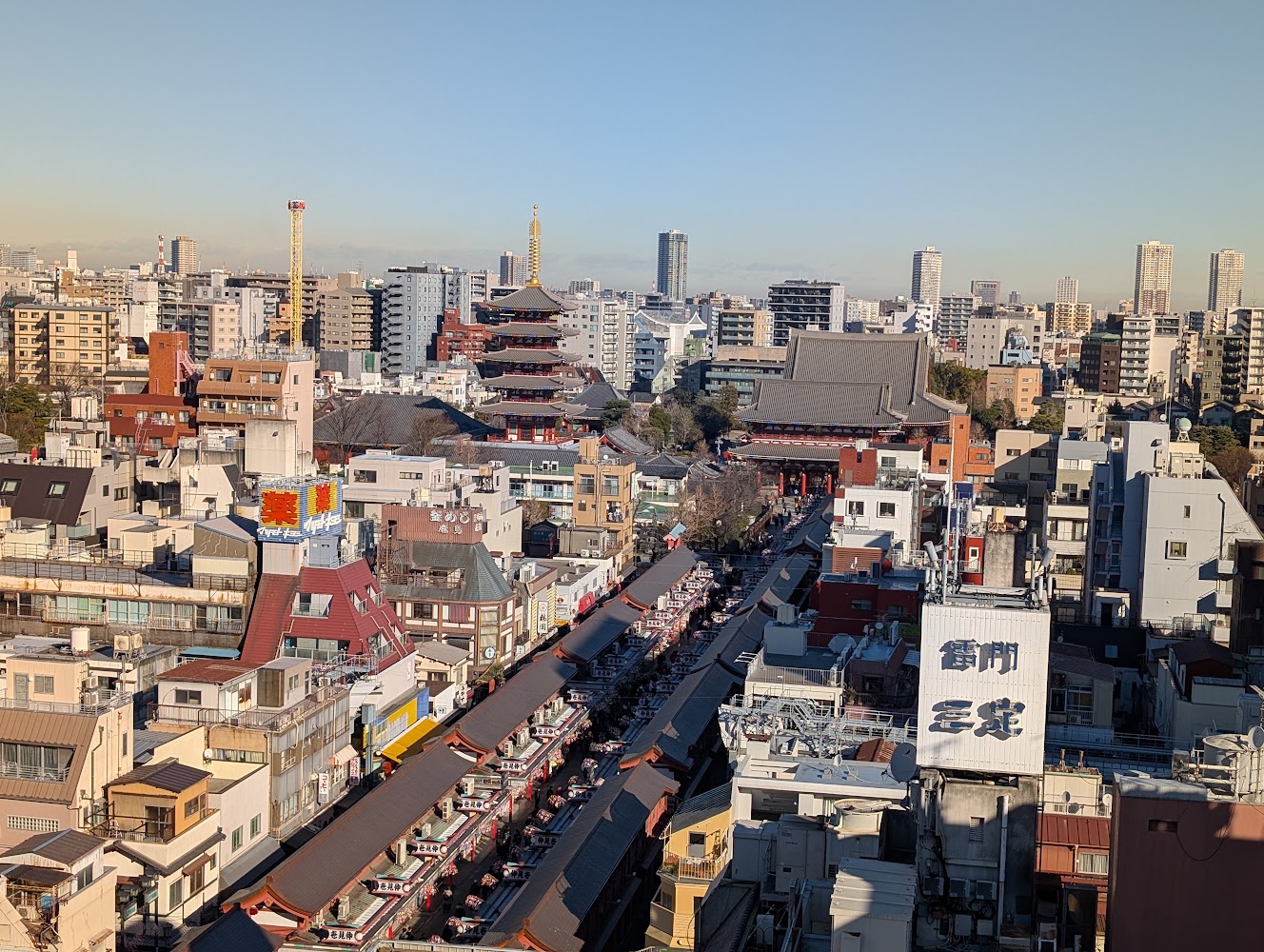
Even though it was the off season and we tried to get there early, the famous shopping street leading up to the temple was packed.
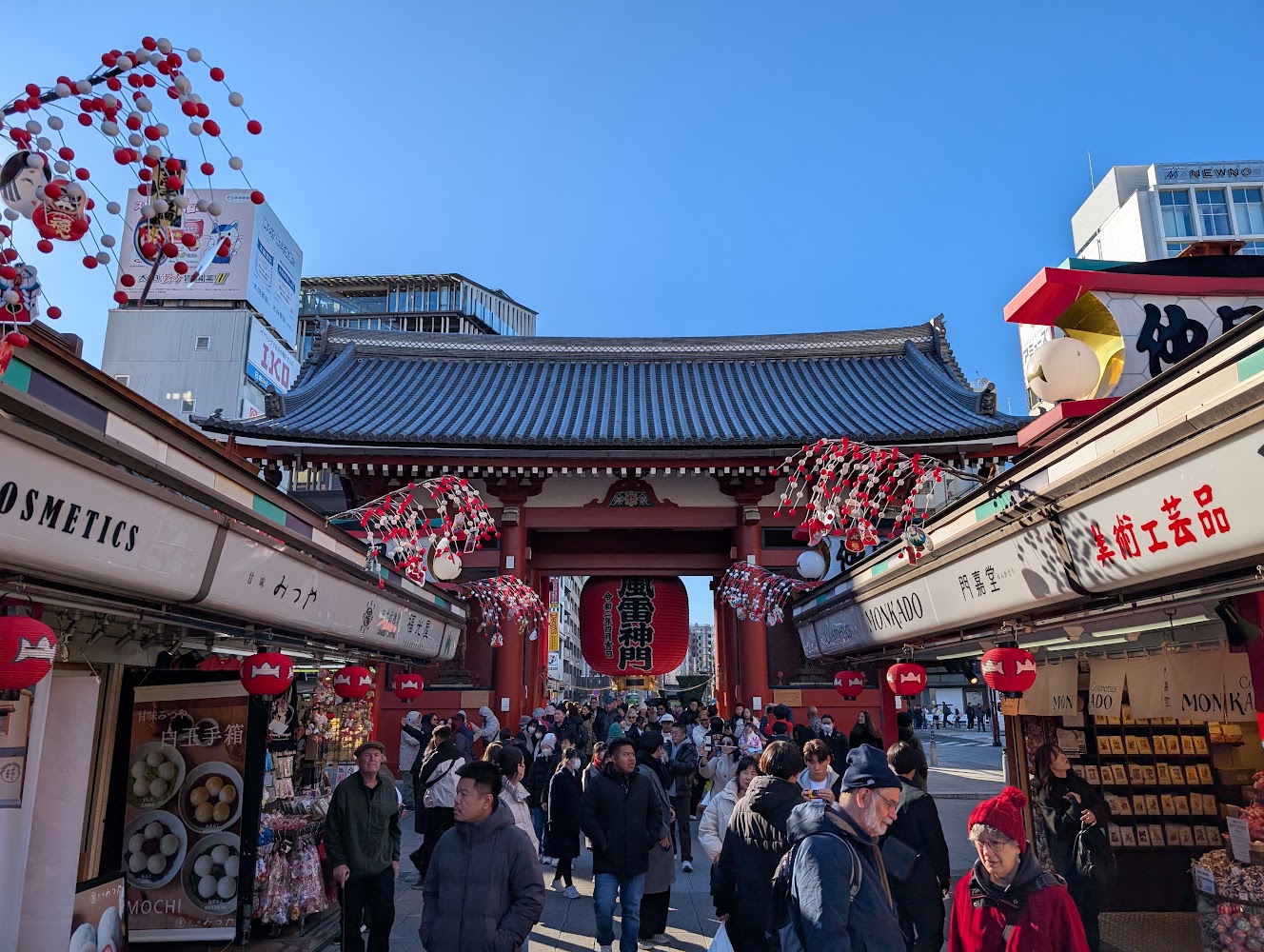
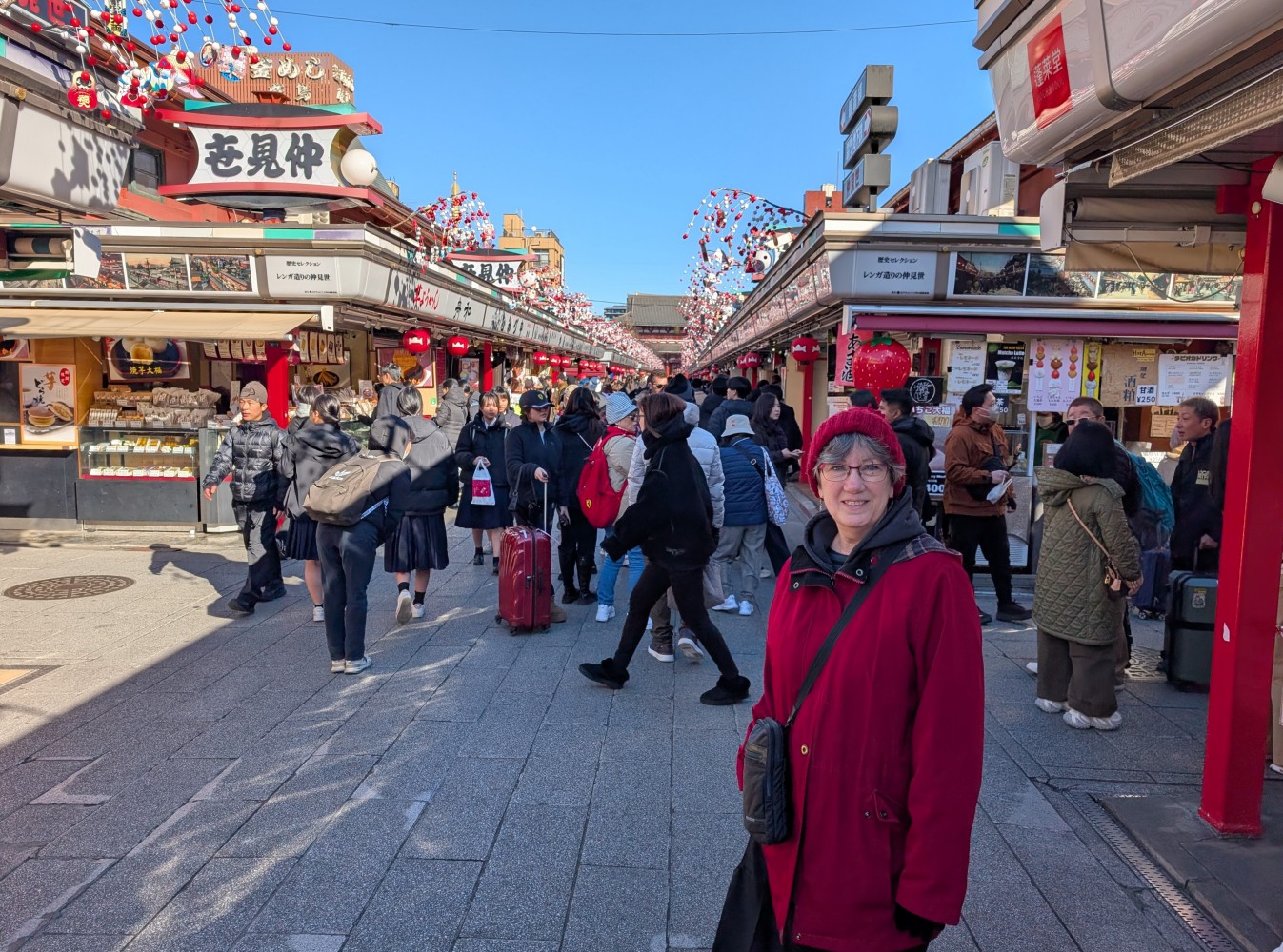
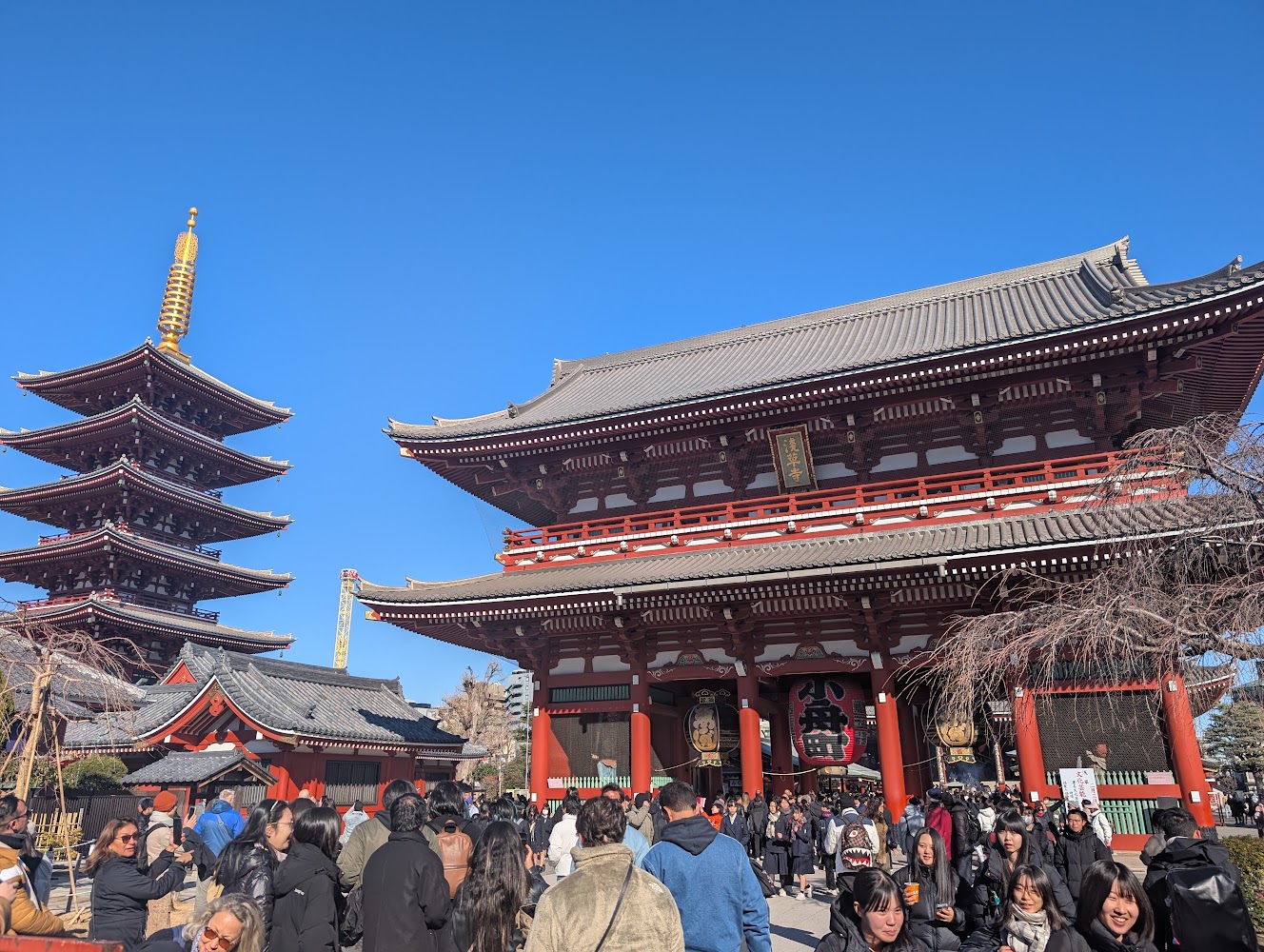
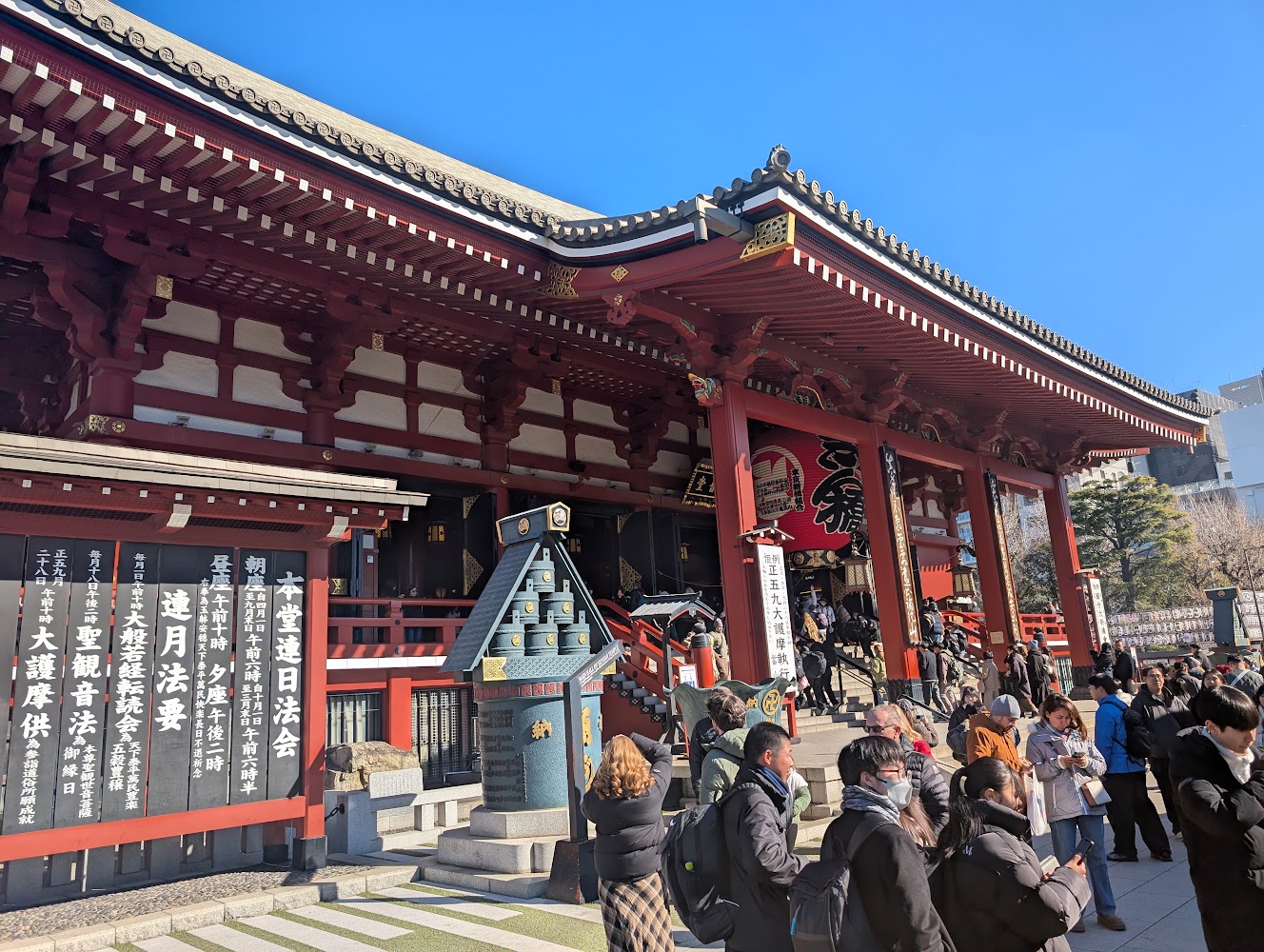
There's actually both a Buddhist temple to Kannon (Sensō-ji) and a Shinto shrine (Asakusa) on the same grounds, as is common in Japan. Sensoji is Tokyo's oldest temple and the main attraction, while Asakusa was built to honor the men who founded Sensoji. The architecture is very different from European churches!
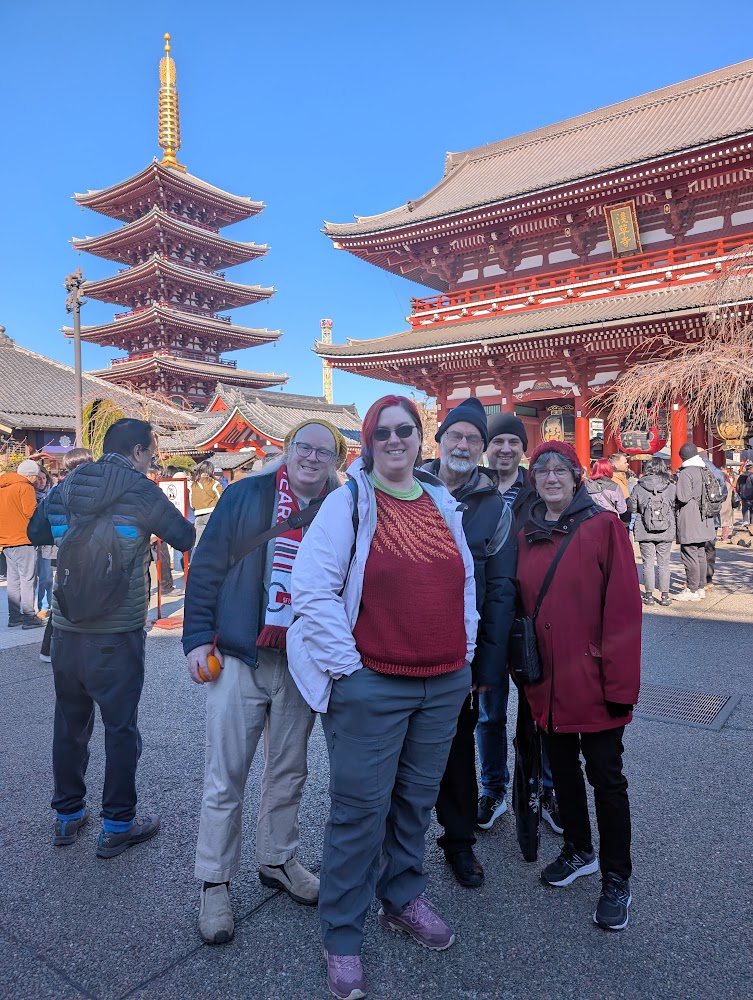
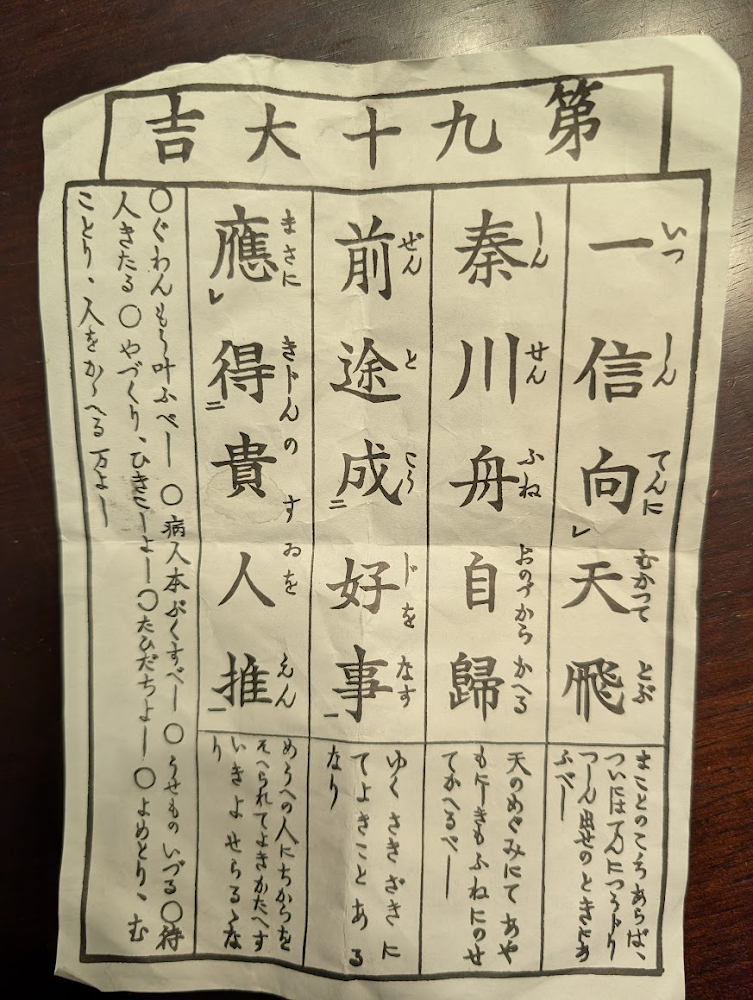
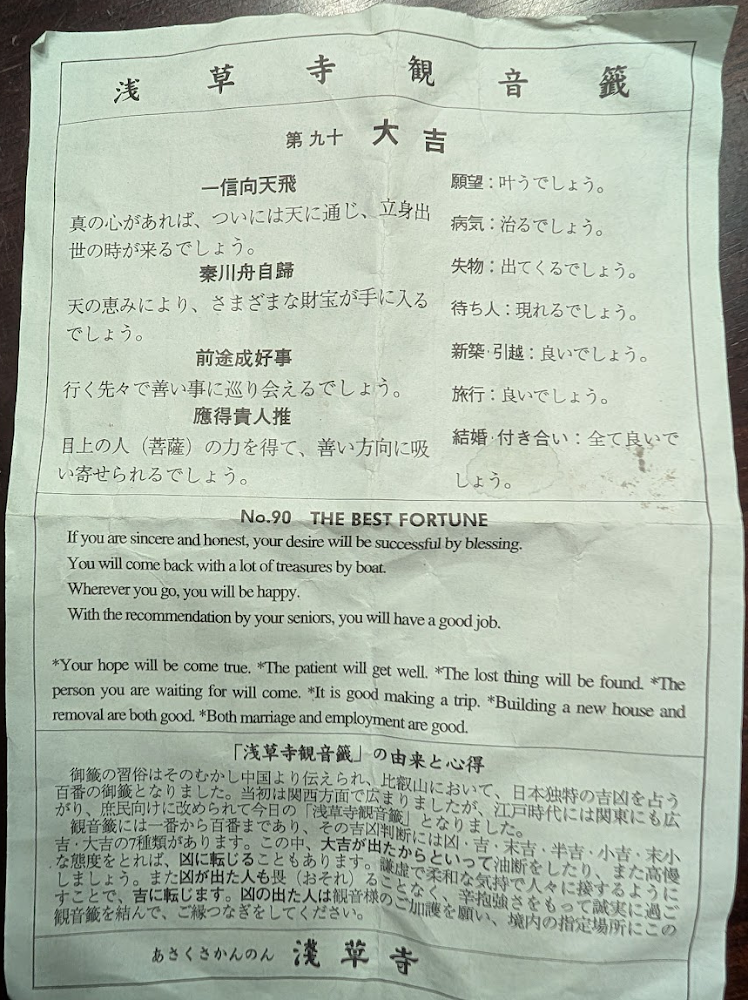
Dad bought a fortune and got the luckiest one! It included "your lost things will return to you" which they certainly had the previous day with his wallet.
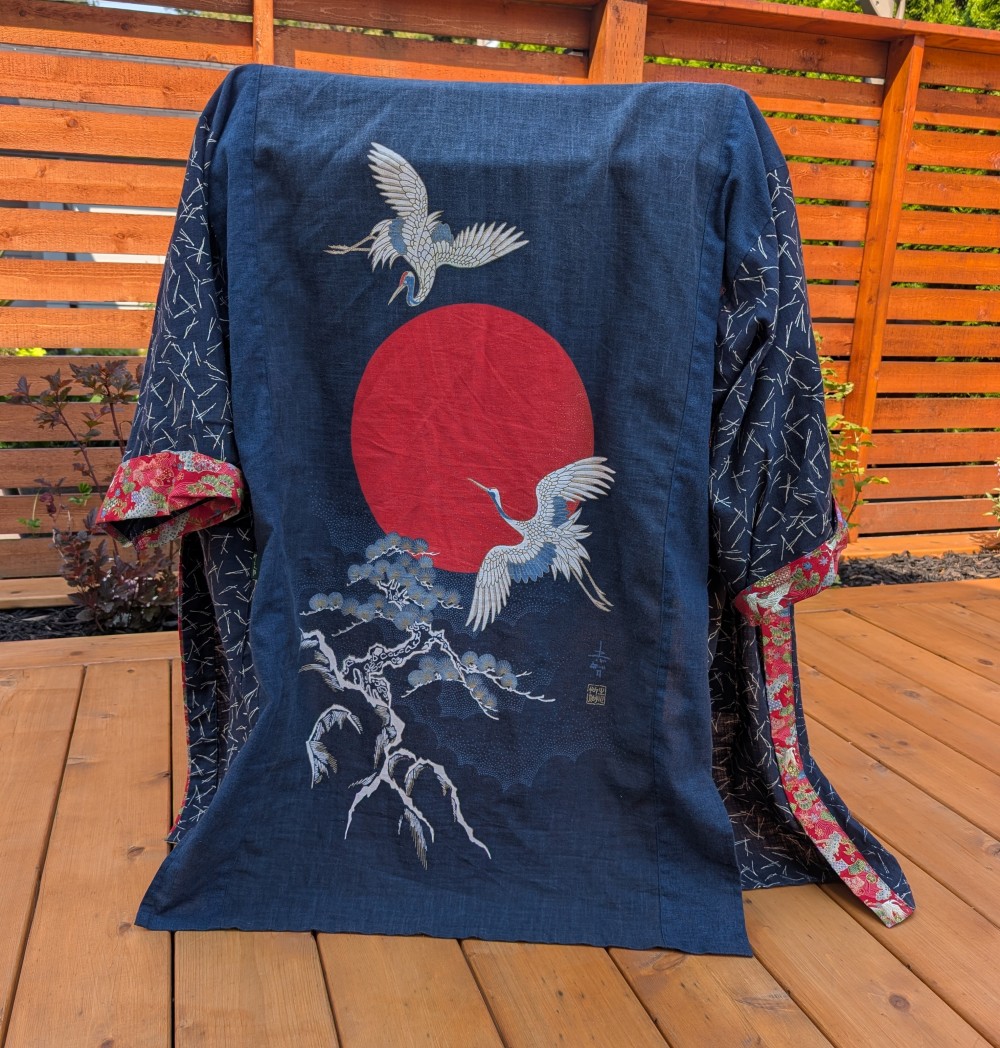
With some encouraging, I bought this fancy coat at a small shop near the shrine. It's lightweight cotton and great for wearing in the summer.
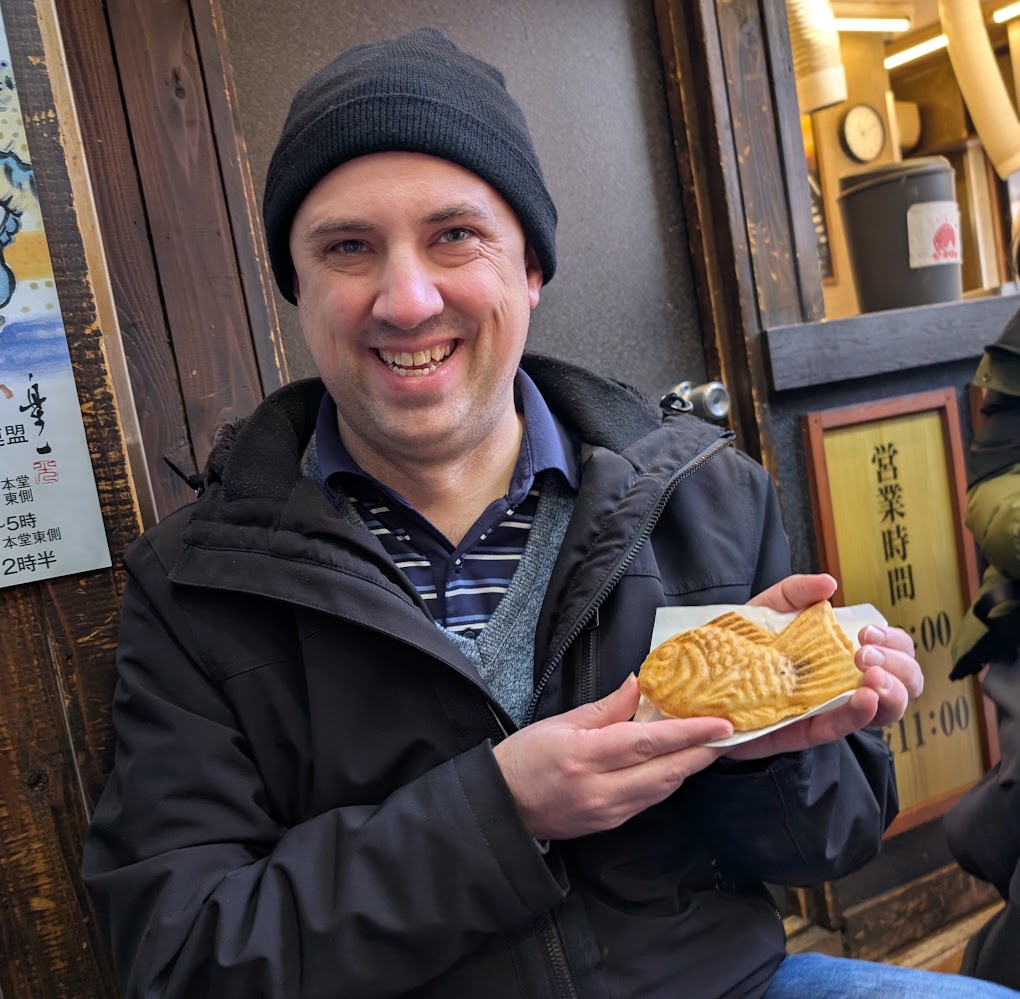
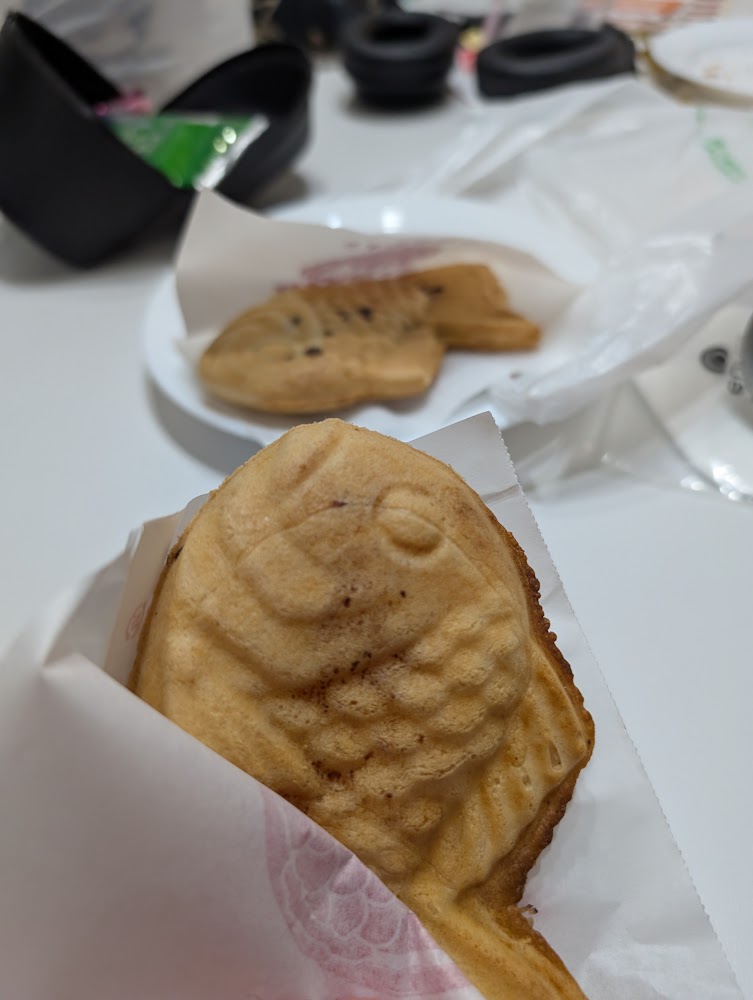
I visited my favourite taiyaki shop, Naruto Taiyaki Honpo, and got to introduce my family to my favourite dessert! For those that haven't had a chance to try it yet, it's a fish-shaped waffle with sweet fillings, in this case custard.
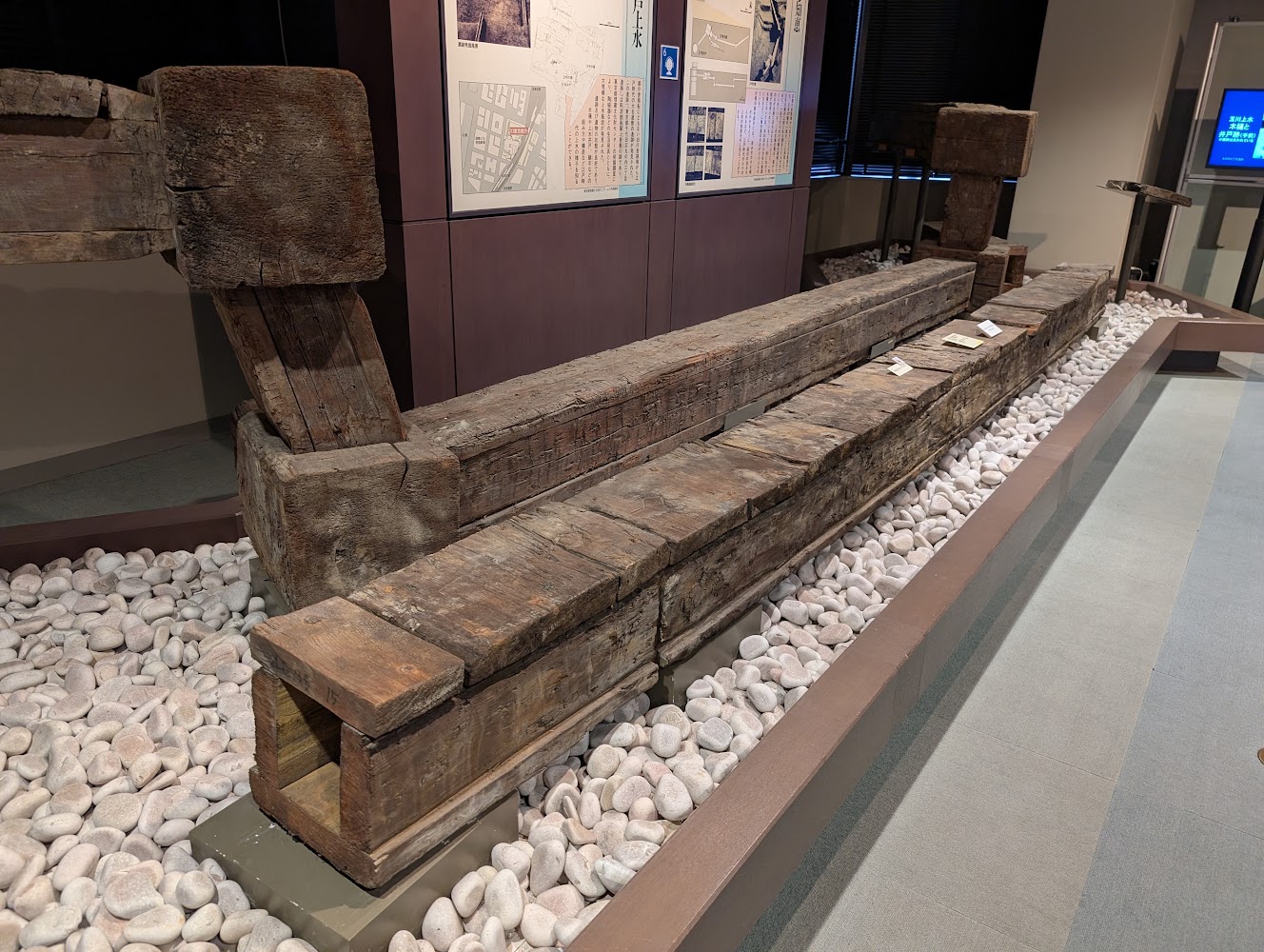
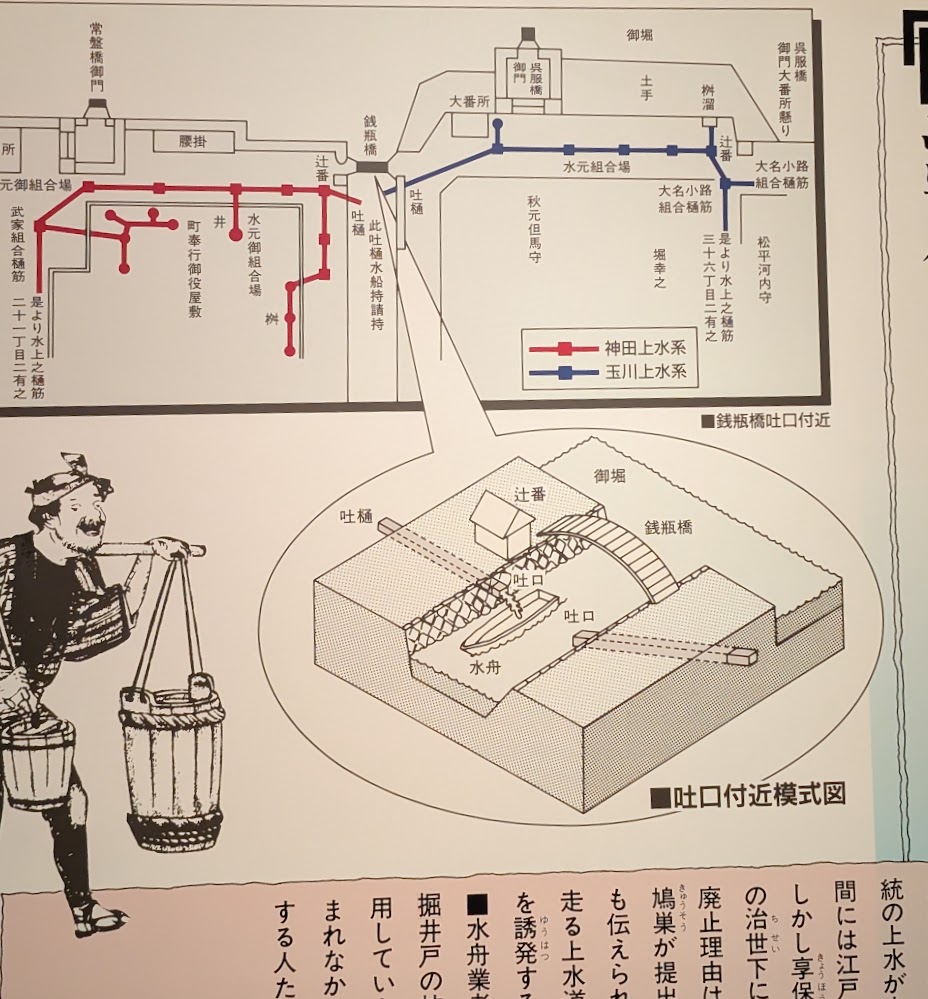
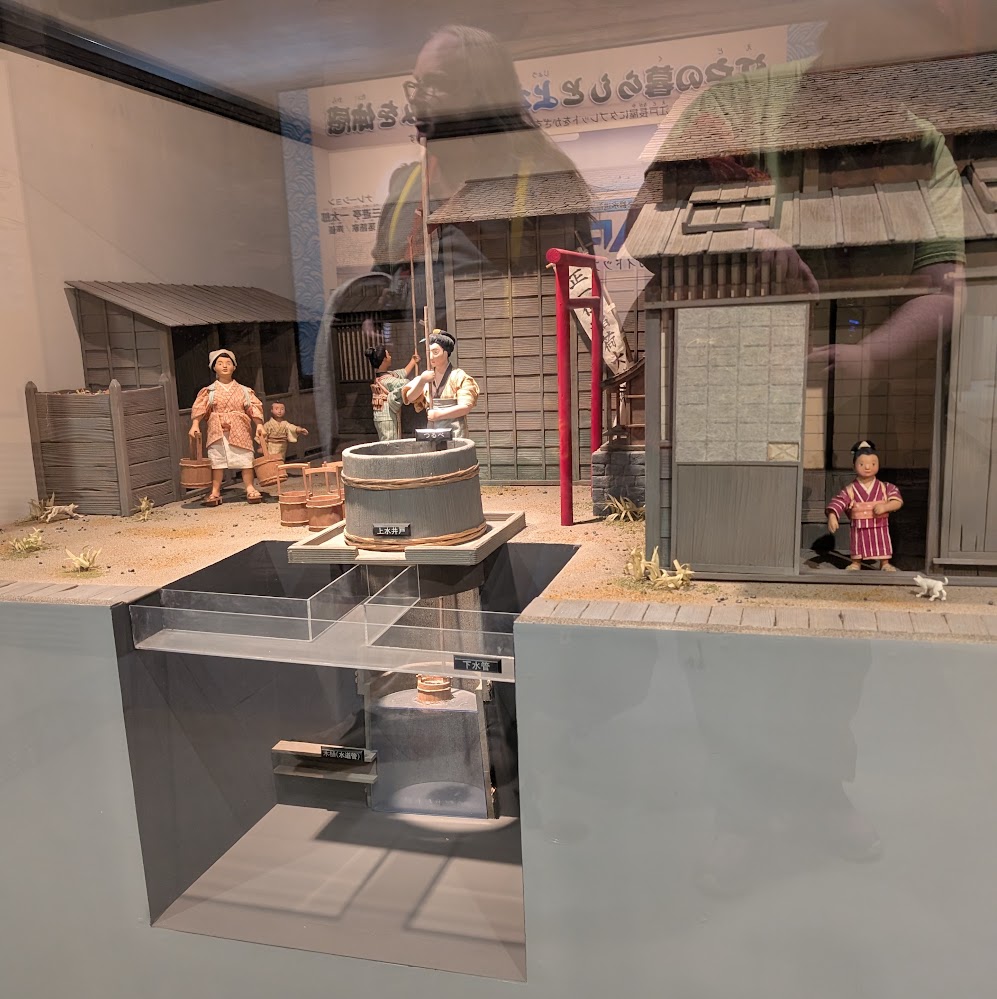
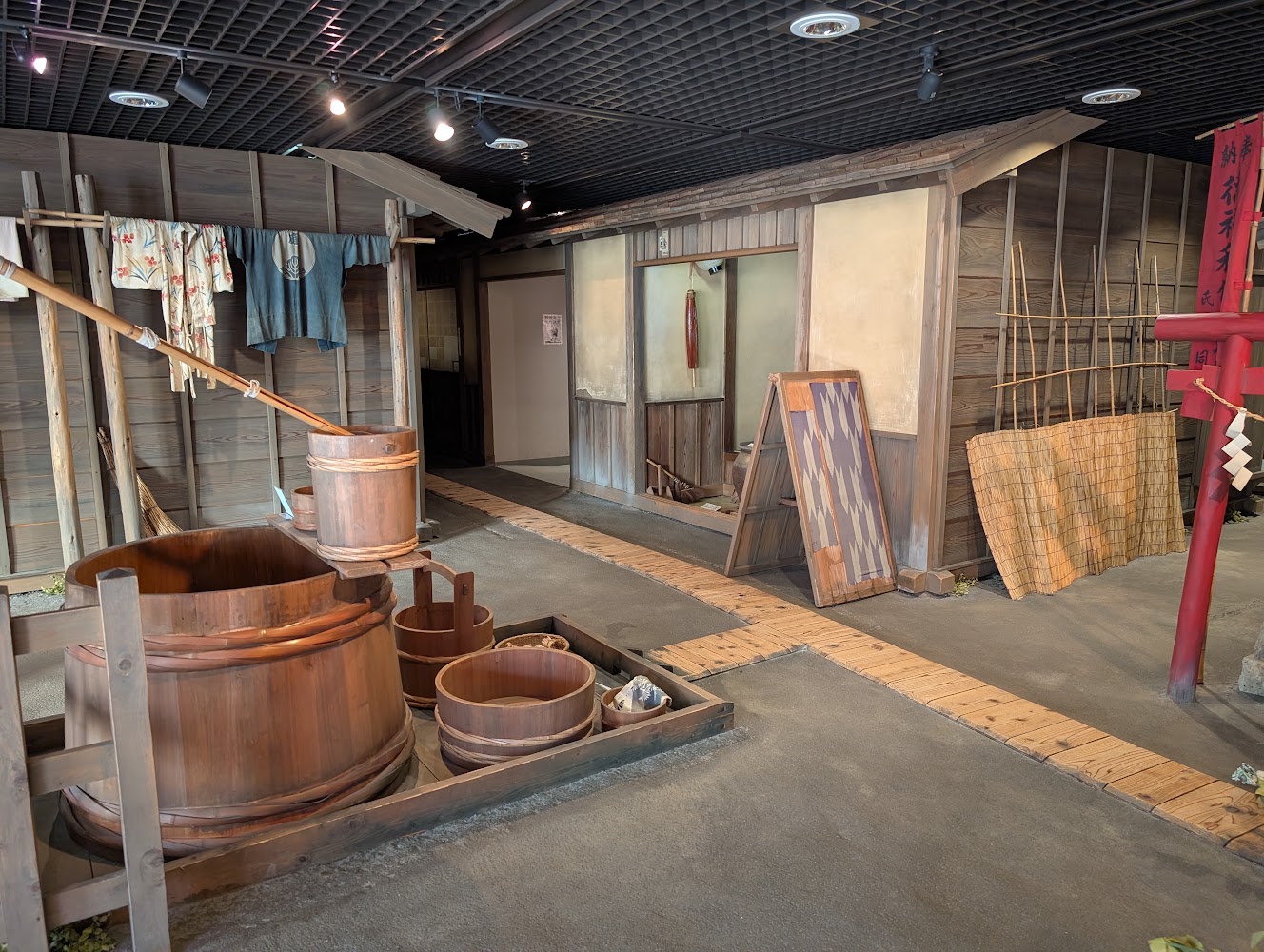
After a stroll along the water, we had lunch at a nearby soba shop to get out of the freezing cold wind, then visited the Tokyo Waterworks Museum. It was fascinating learning how Tokyo managed fresh water and sewage in historical times. The old pipes were made of wood, and well sealed enough they could use the water pressure to go under roads. For areas that didn't have pipes yet, they would bring in the water - sometimes by boat! It seems very silly to have a boat (on the water) that's full of water, but it worked to carry fresh water over dirty water.
They had a clever system so that fresh water and dirty water didn't mix but laundry could still be done around a communal well. The fresh water came in through underground pipes to the well, and a catchment system outside of the well collected the dirty water into surface-level drains. We had seen that architecture in historic areas on other trips but hadn't known why it was like that.
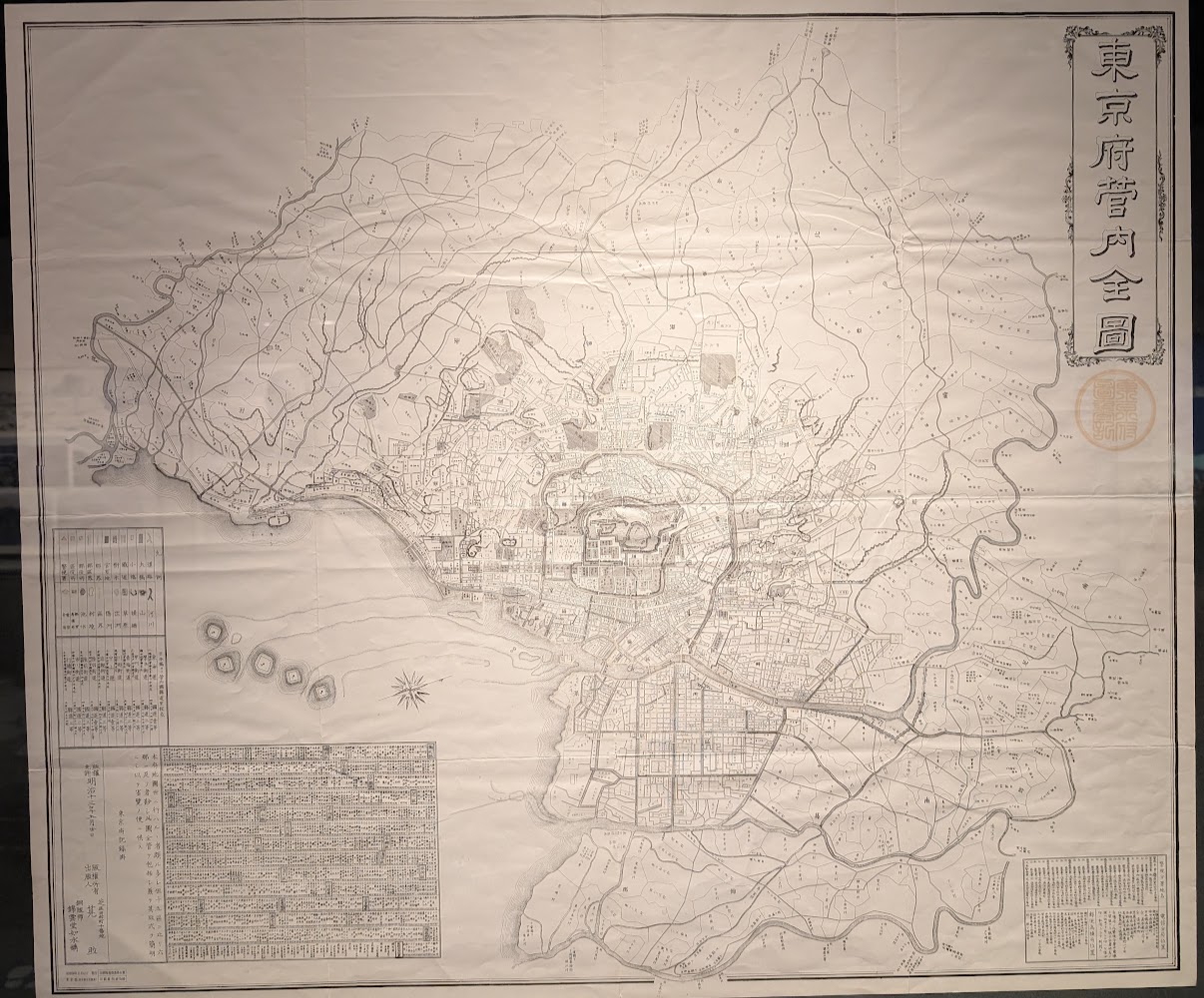
Since Tokyo is on a floodplain, there was a lot about the various rivers, their watersheds, and how they were managed over the years.
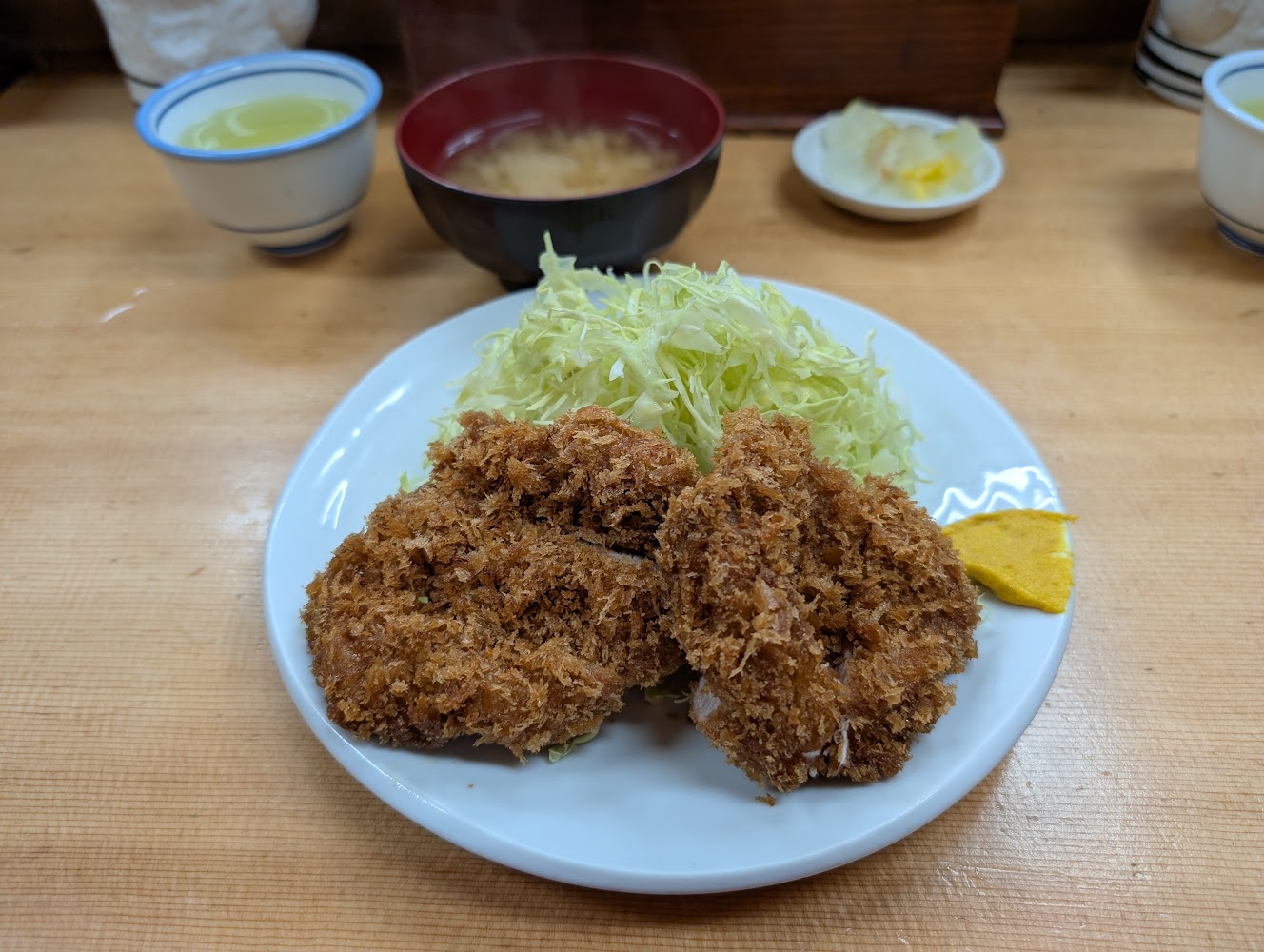
For dinner, we visited another of my favourite restaurants: Tonkatsu Yamabe, which continues to have the best tonkatsu (breaded deep-fried pork cutlets) I've tasted.
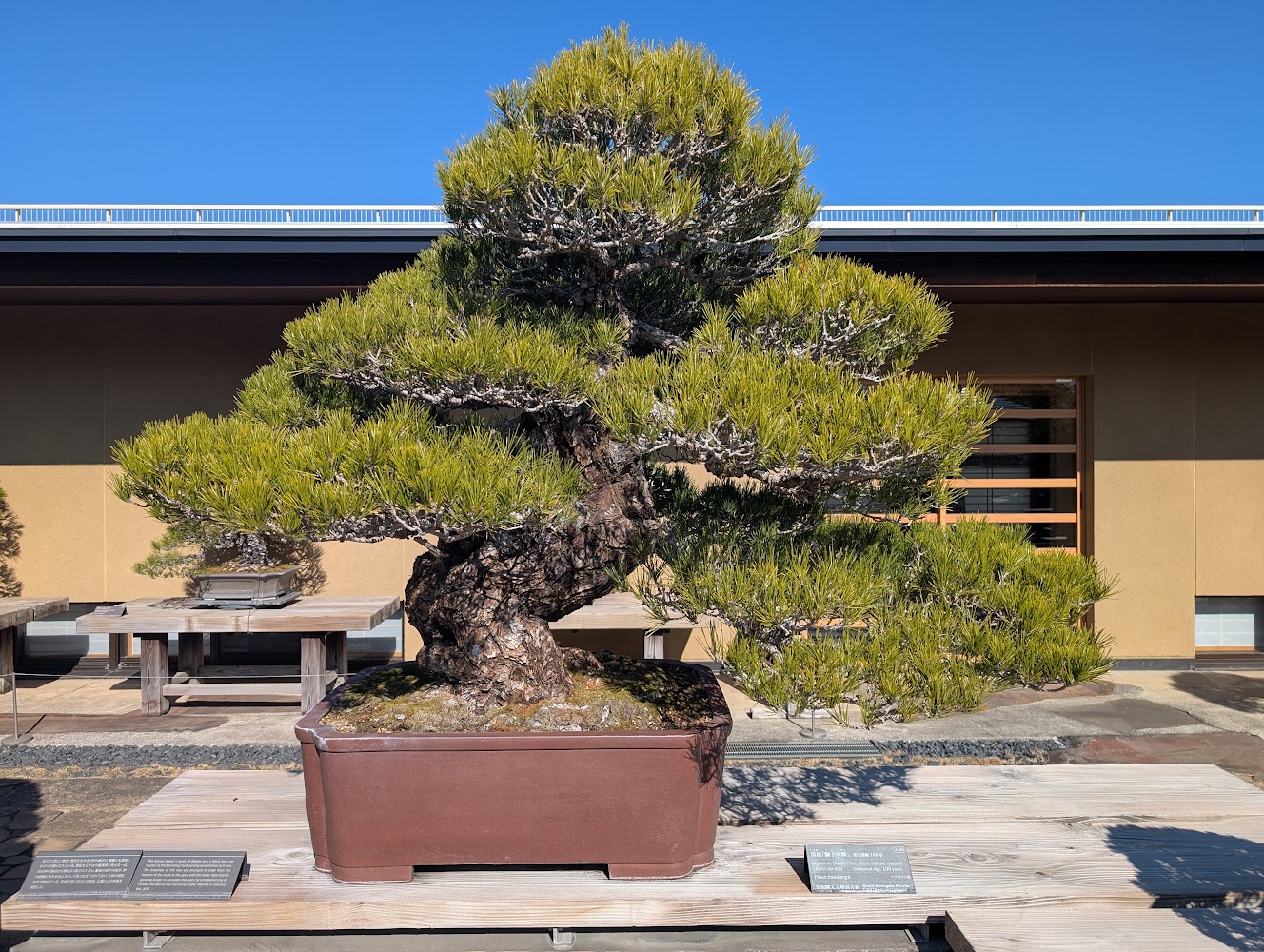
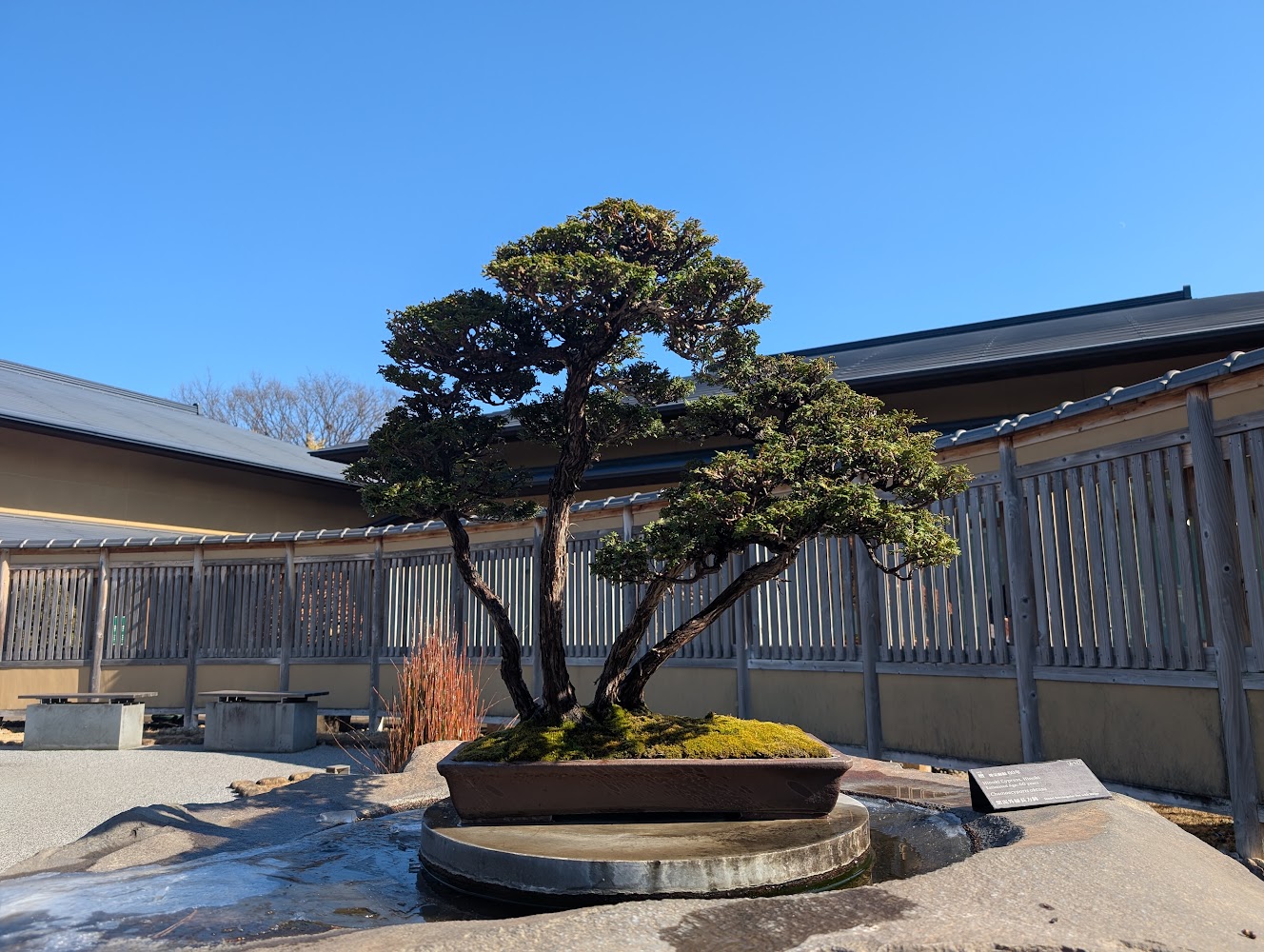
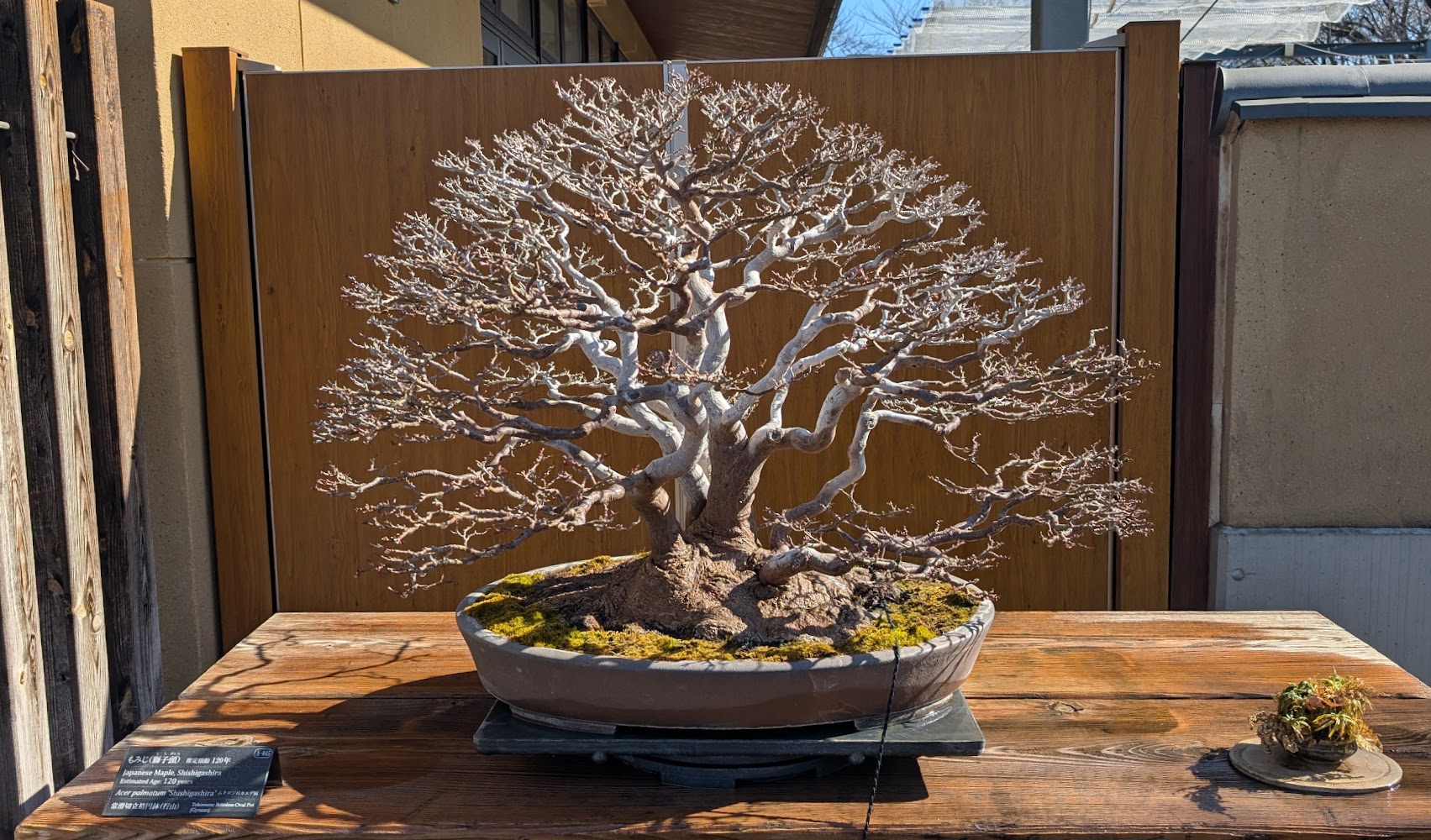
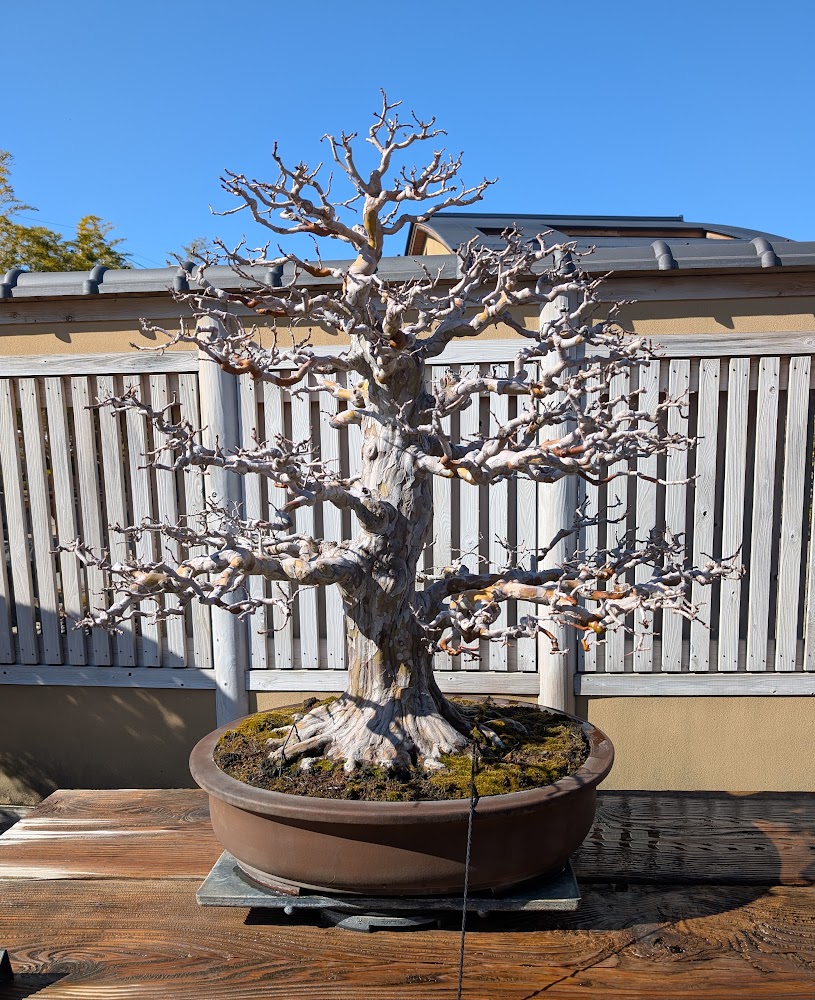
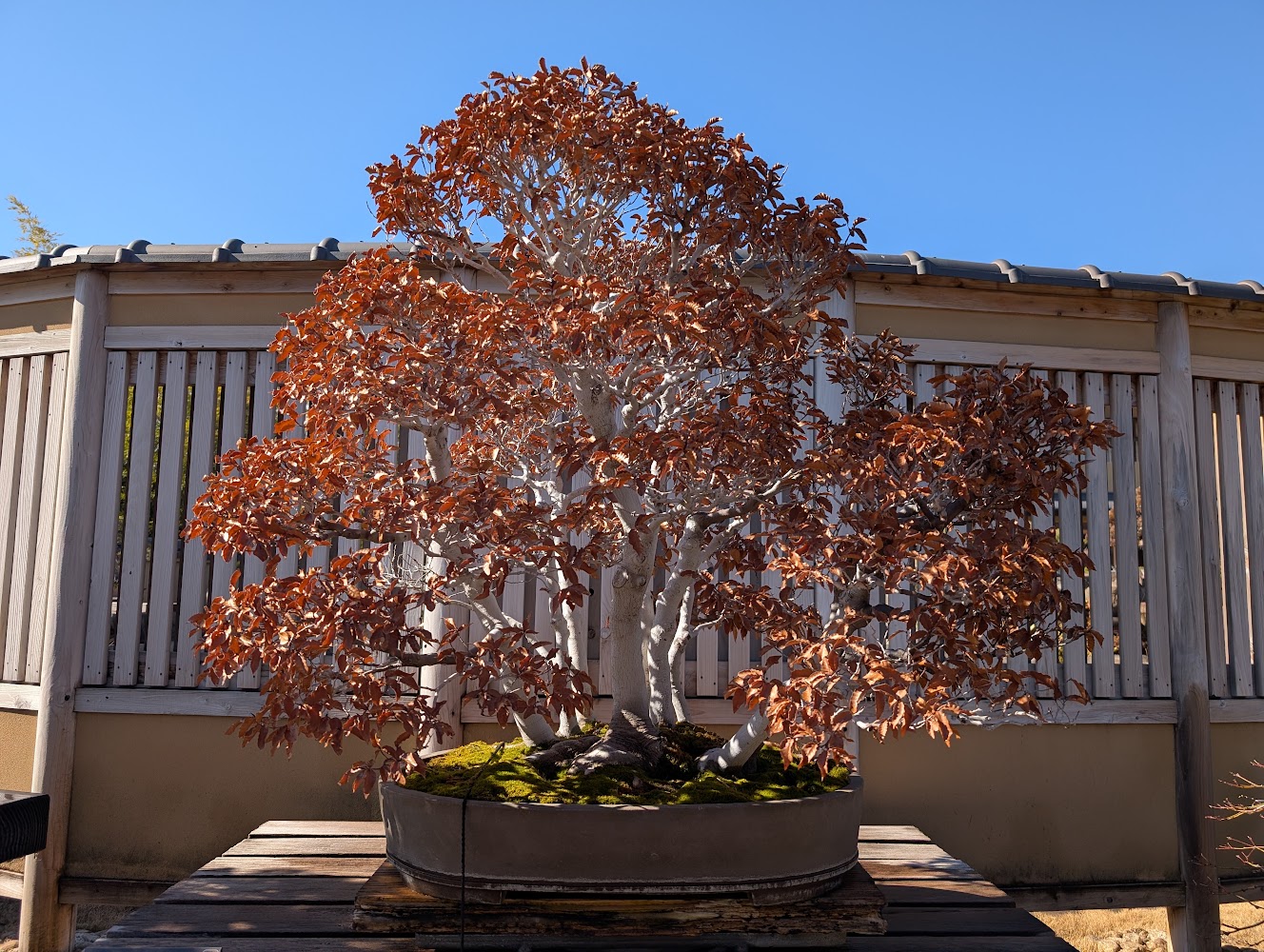
The next day we headed north to visit the Bonsai Museum in Saitama. It's hard to capture the experience in photos, but we sure tried (judging by how many photos we took).
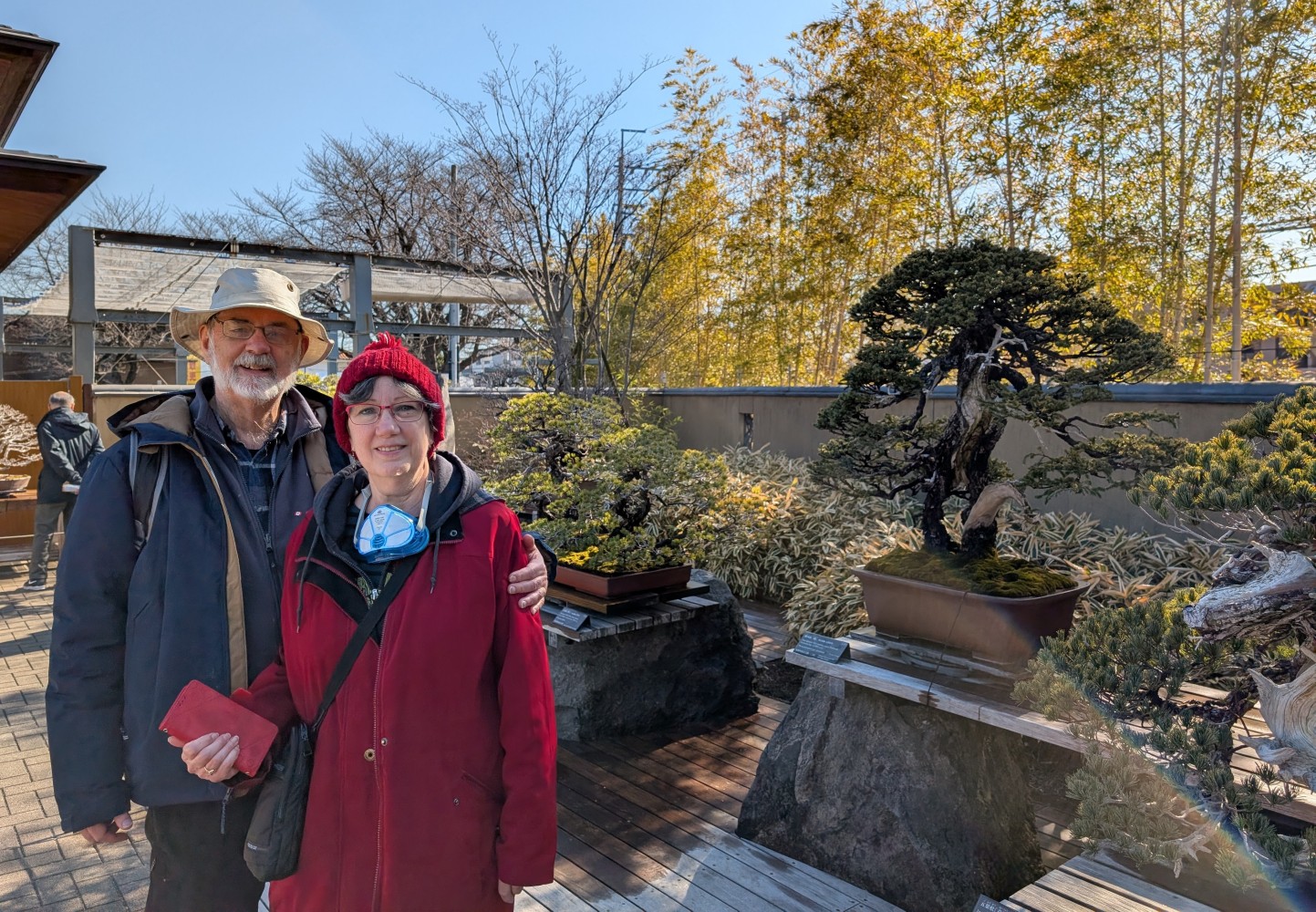
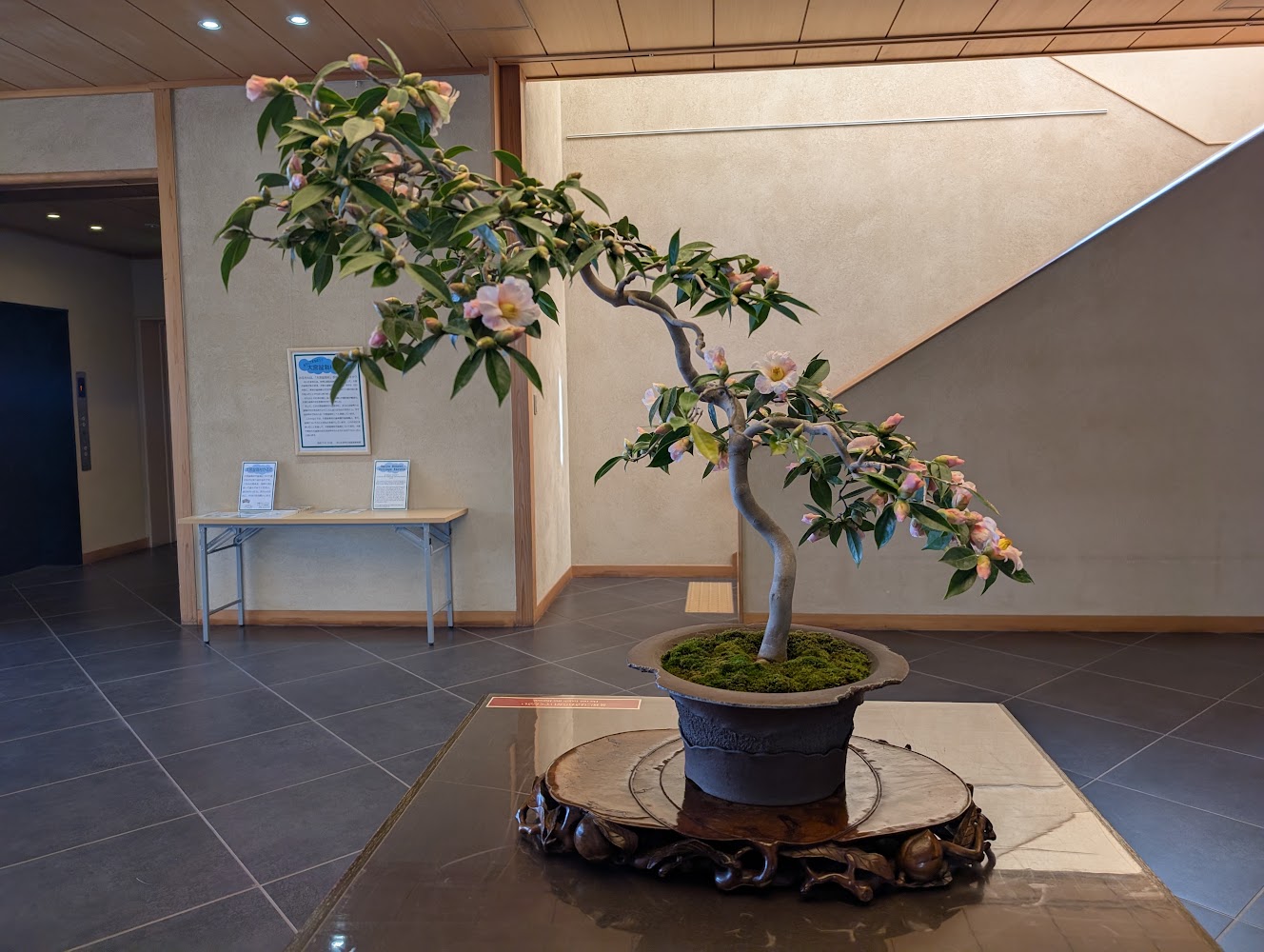
James and I had visited previously in summer and enjoyed re-visiting some of the same trees in a different season. The dramatically leaning "Seiryu" (blue dragon) had been in a difficult-to-photograph place of honour previously.
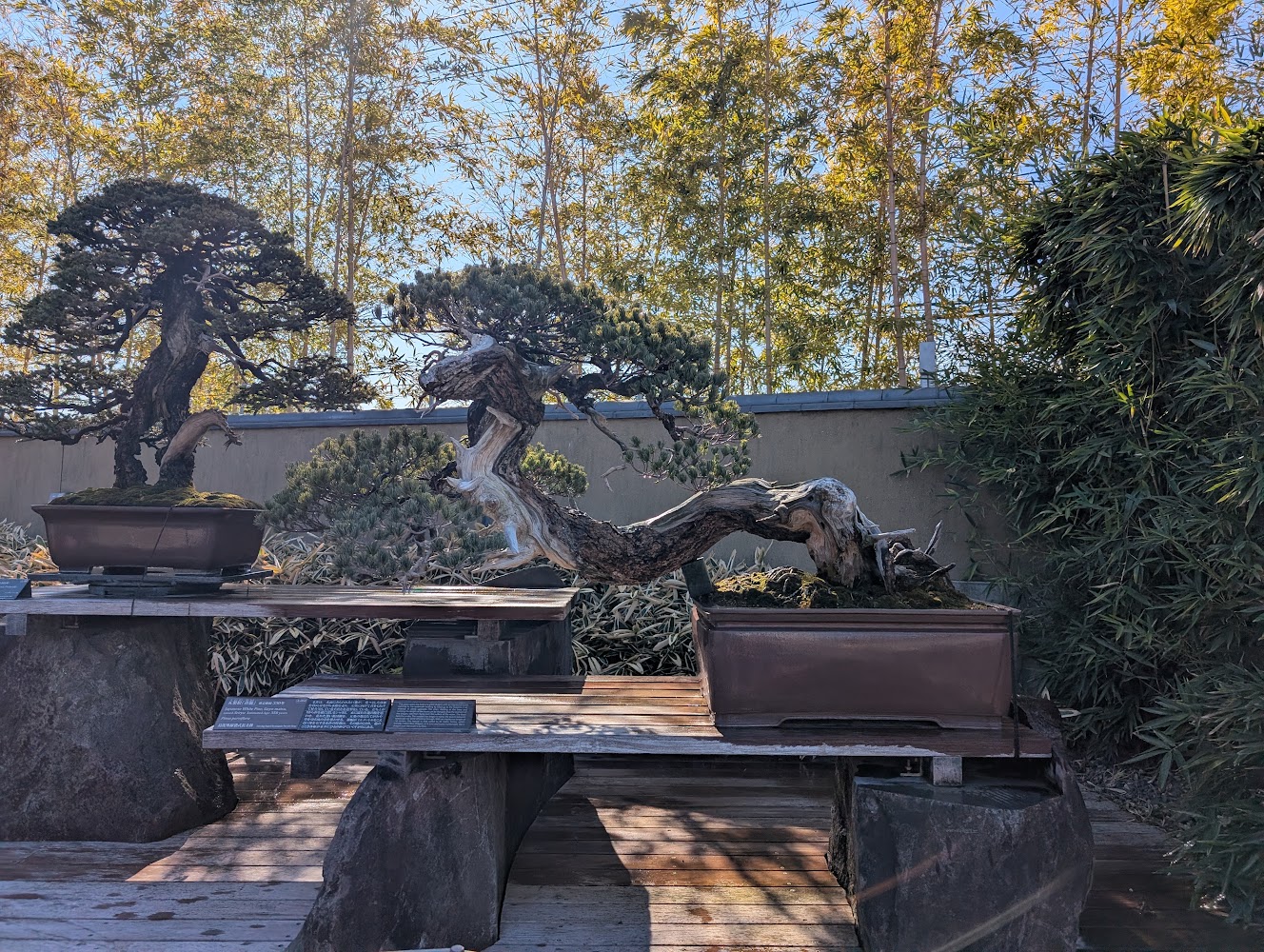
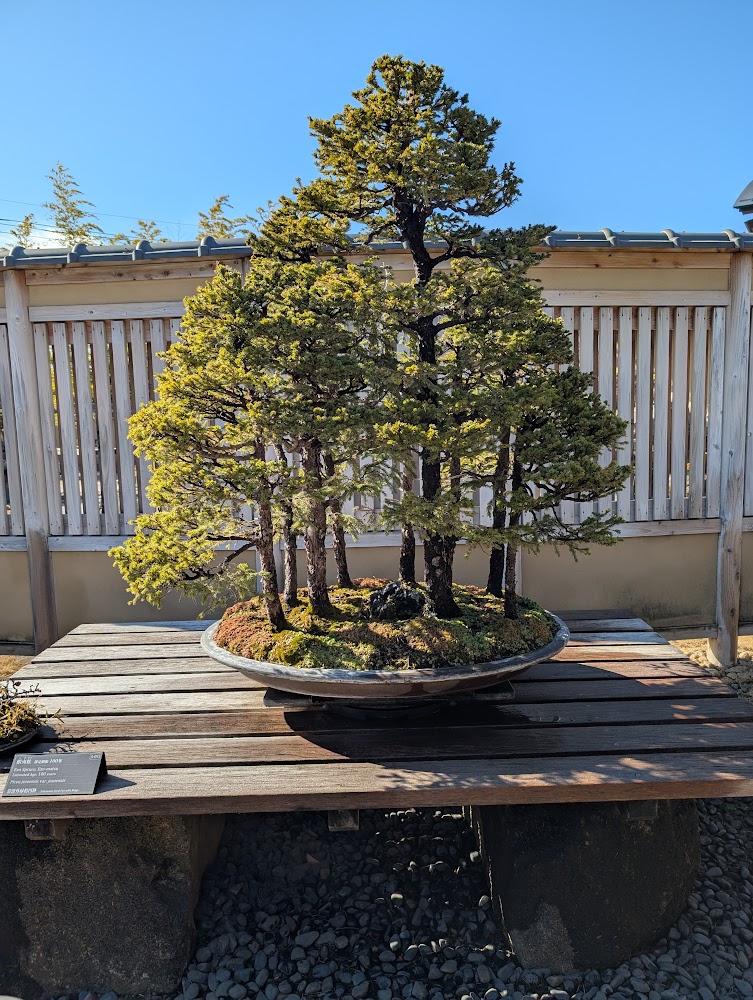
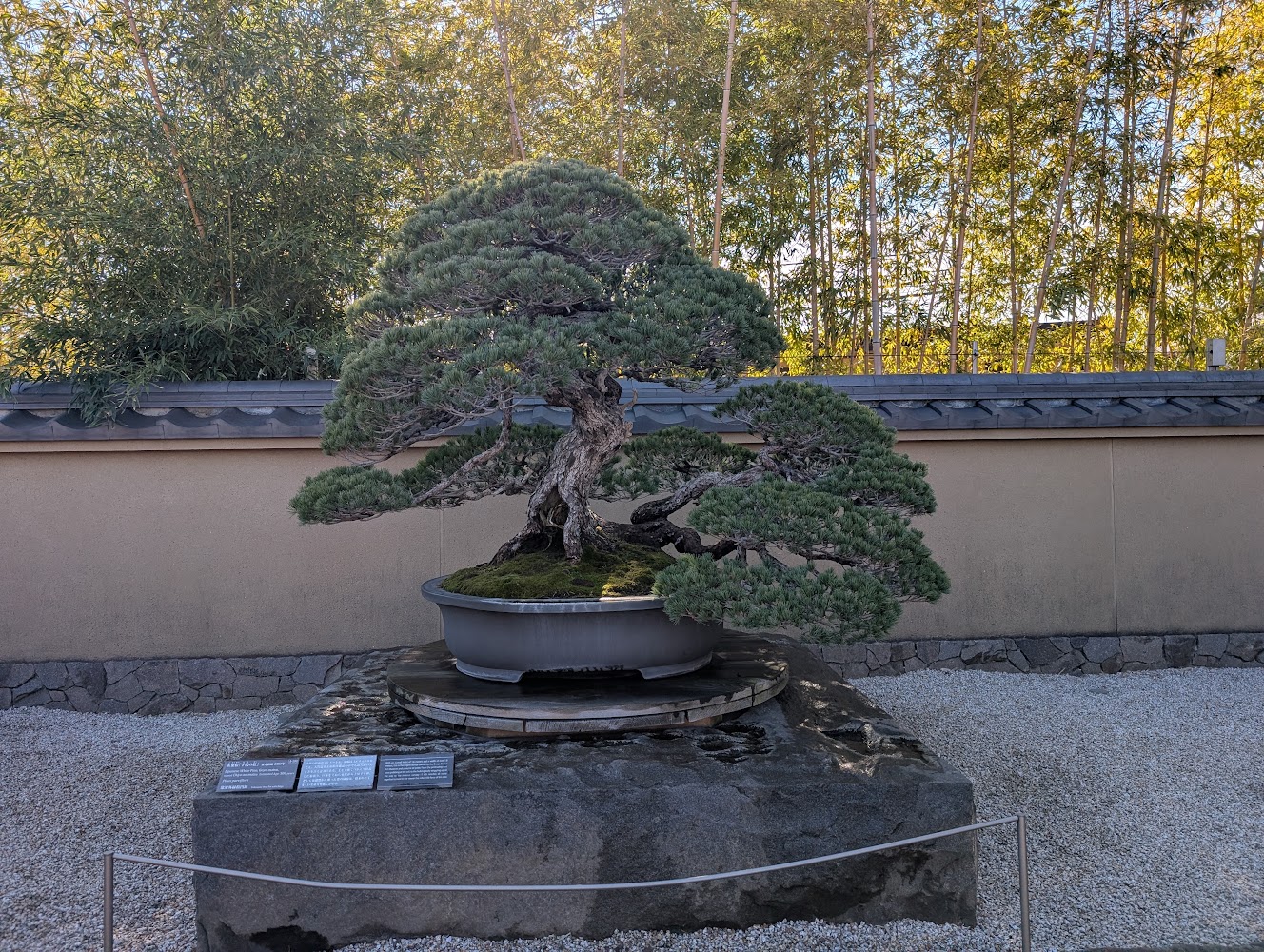
Conifers are the classic bonsai tree, and they come in a lot more shapes than I realized originally.
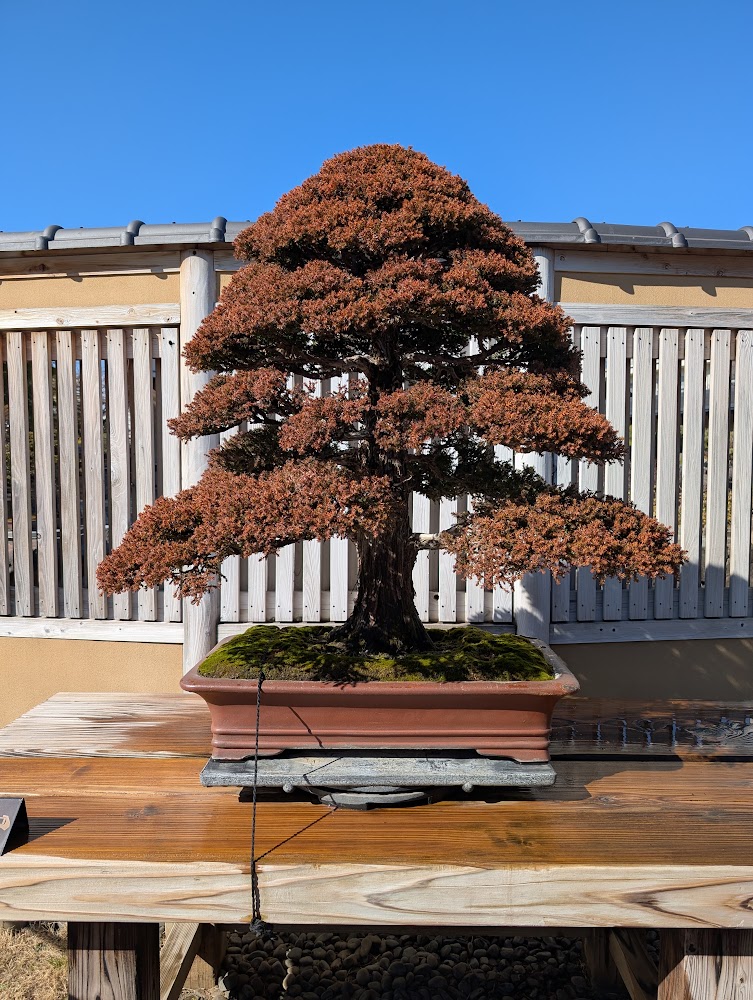
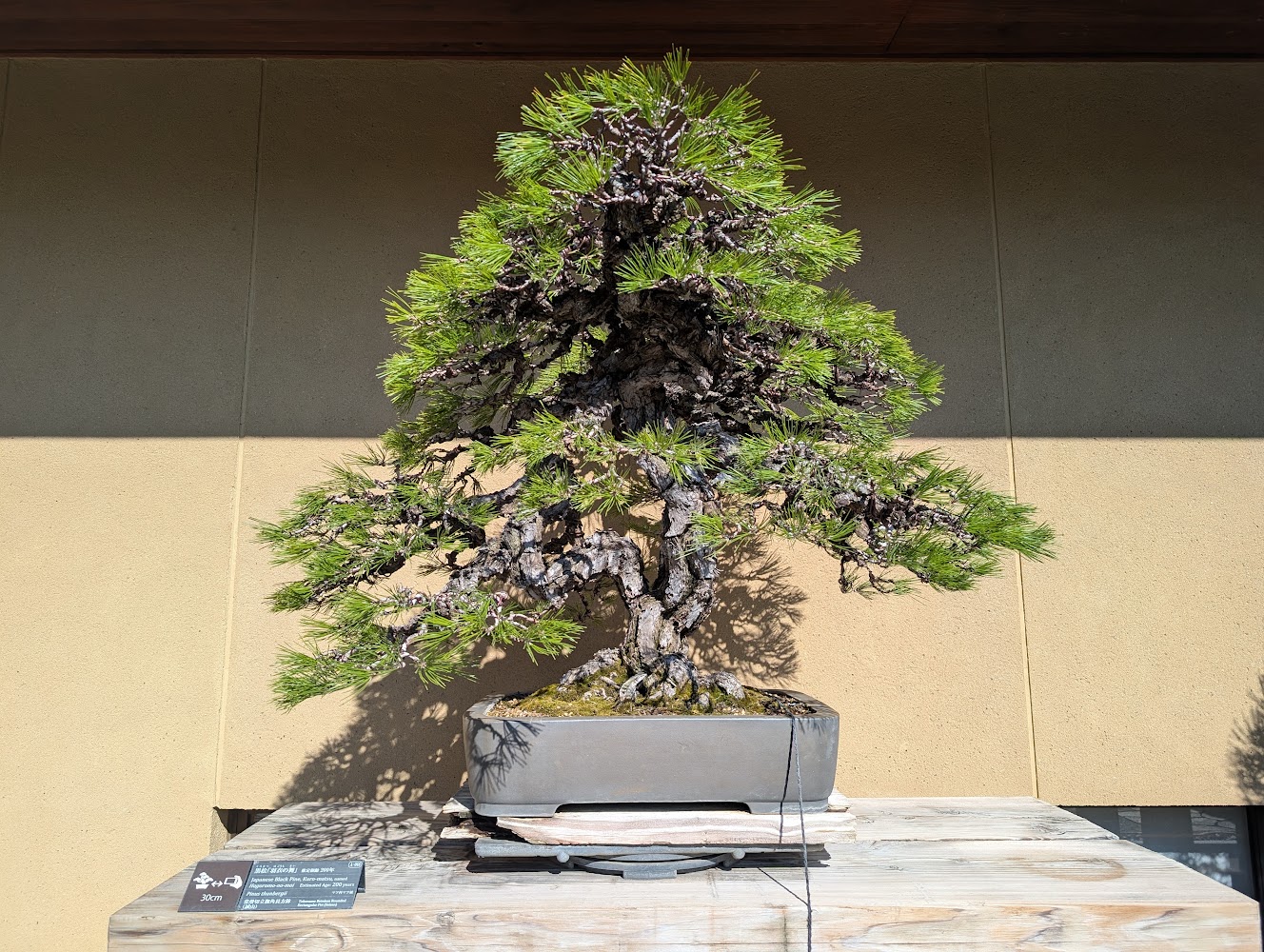
Even without their leaves, the artistry of the deciduous bonsai trees still shines through.
This magnificent tree was still holding on to its autumn leaves in January.
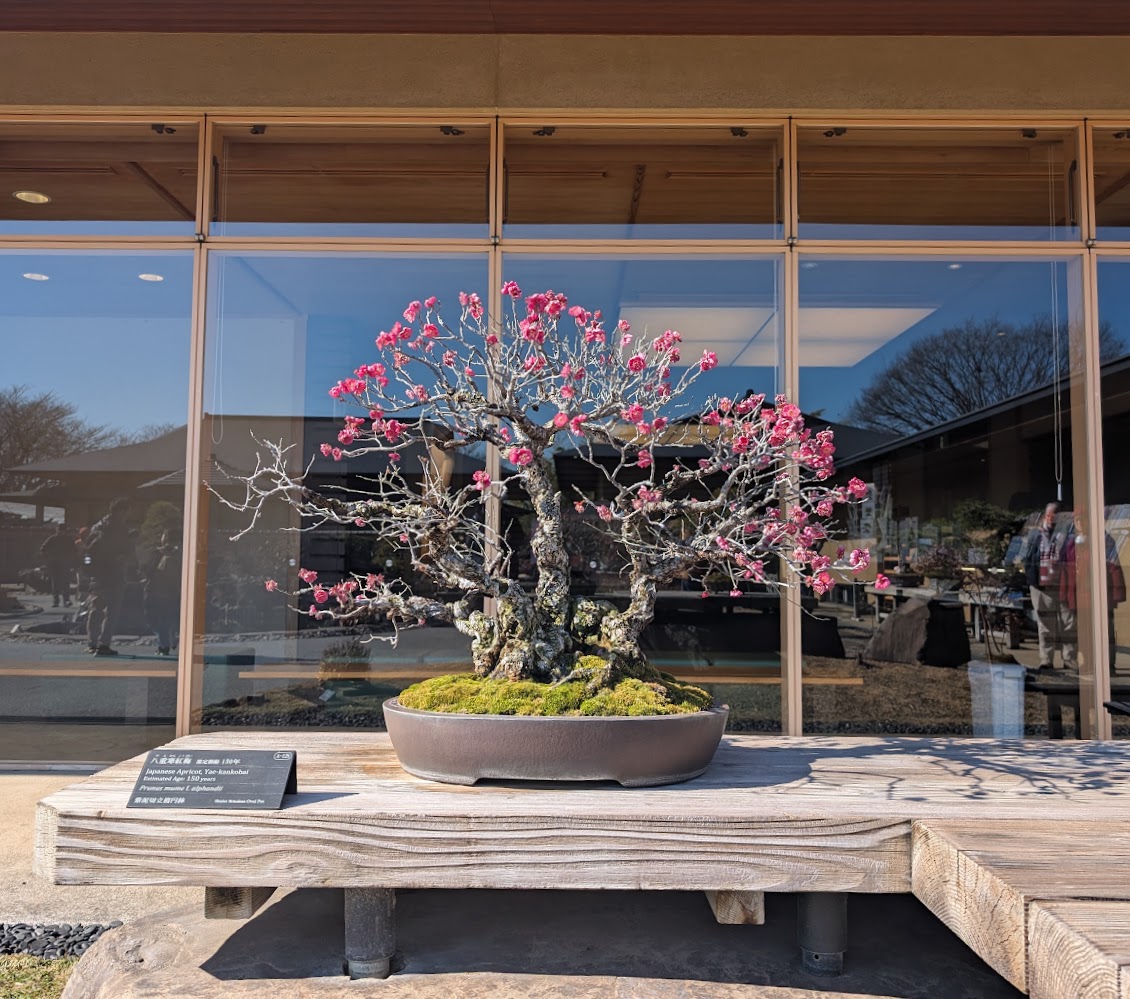
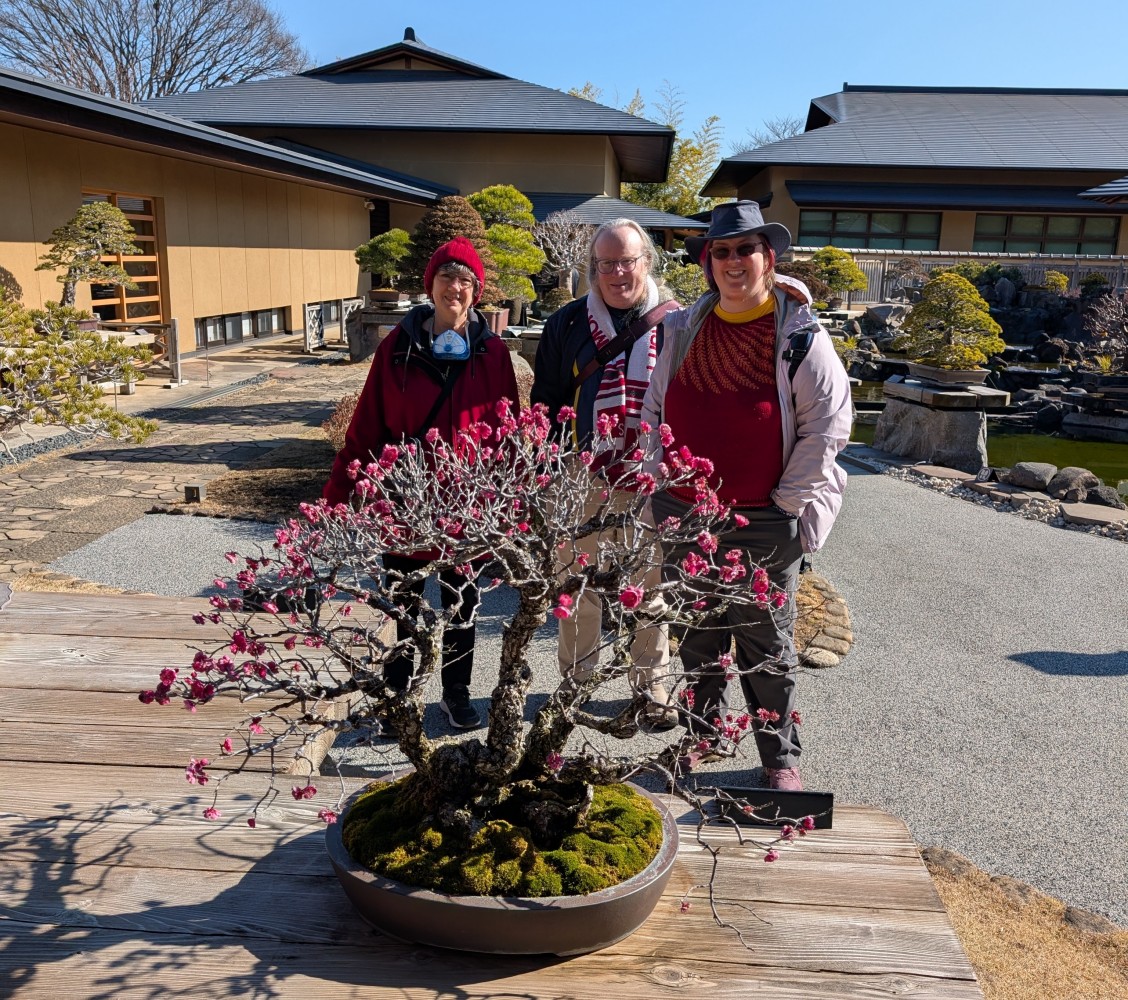
And some even had flowers already! (Bonsai have a front and a back - can you tell which is which in these photos?)
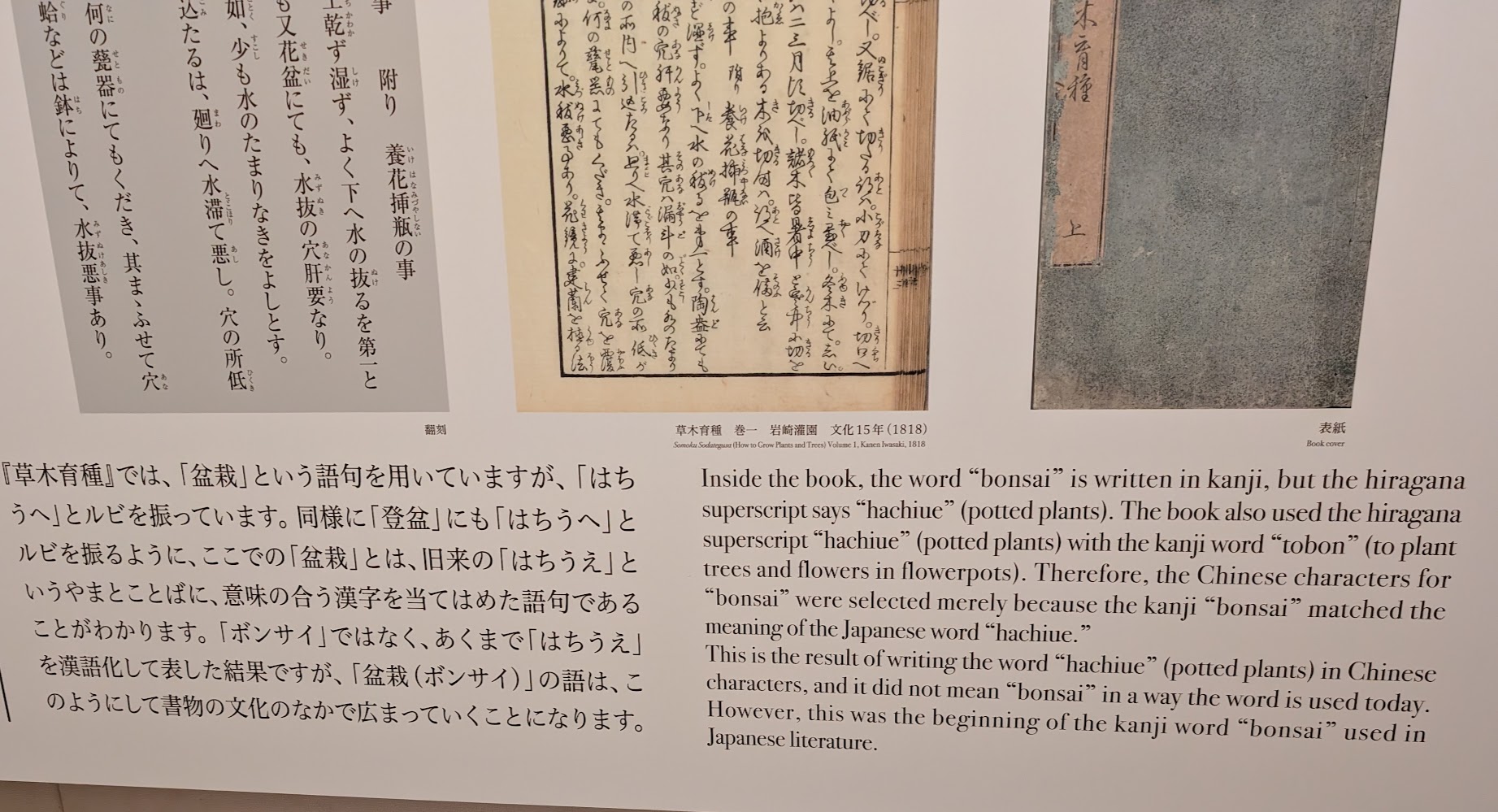
I was amused by this attempt to translate the history of the word 'bonsai' into English. Without the kanji, it turns into confusing nonsense!
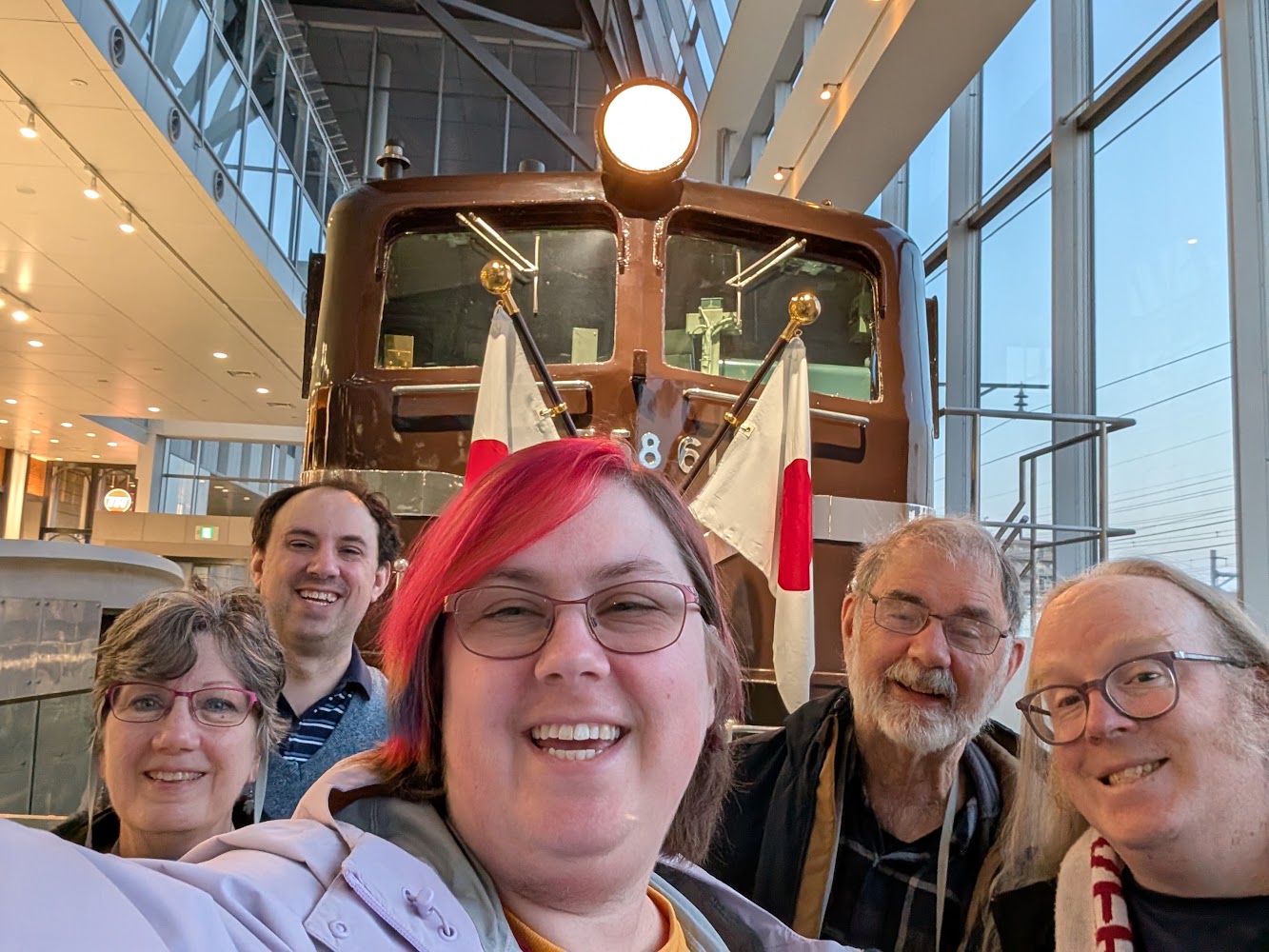
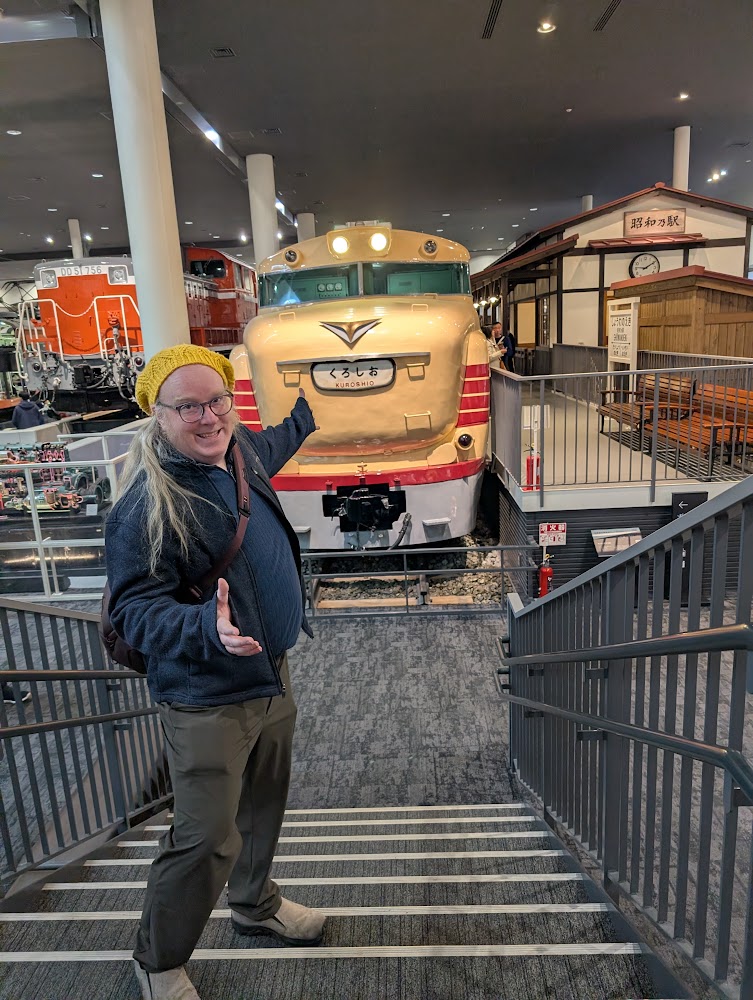
Afterwards, I showed my family another favourite museum: the Railway Museum. Dad and Andrew enjoyed all the trains and Mom enjoyed the history sections.
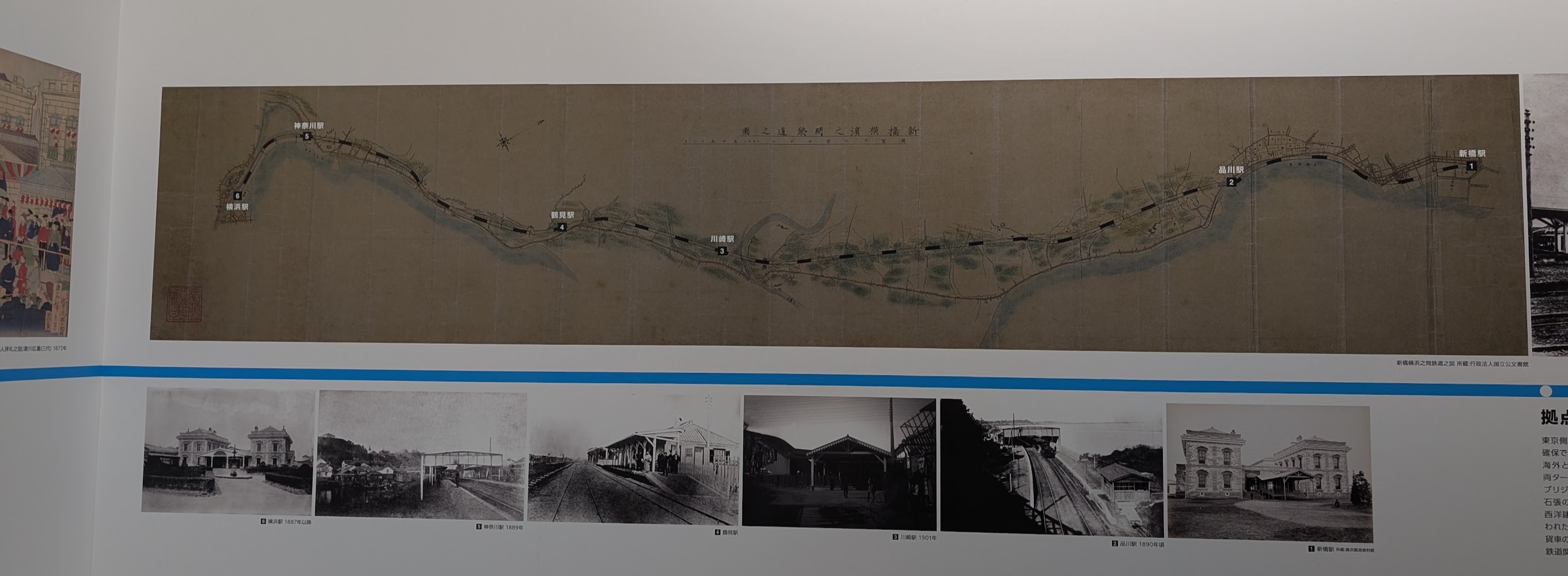
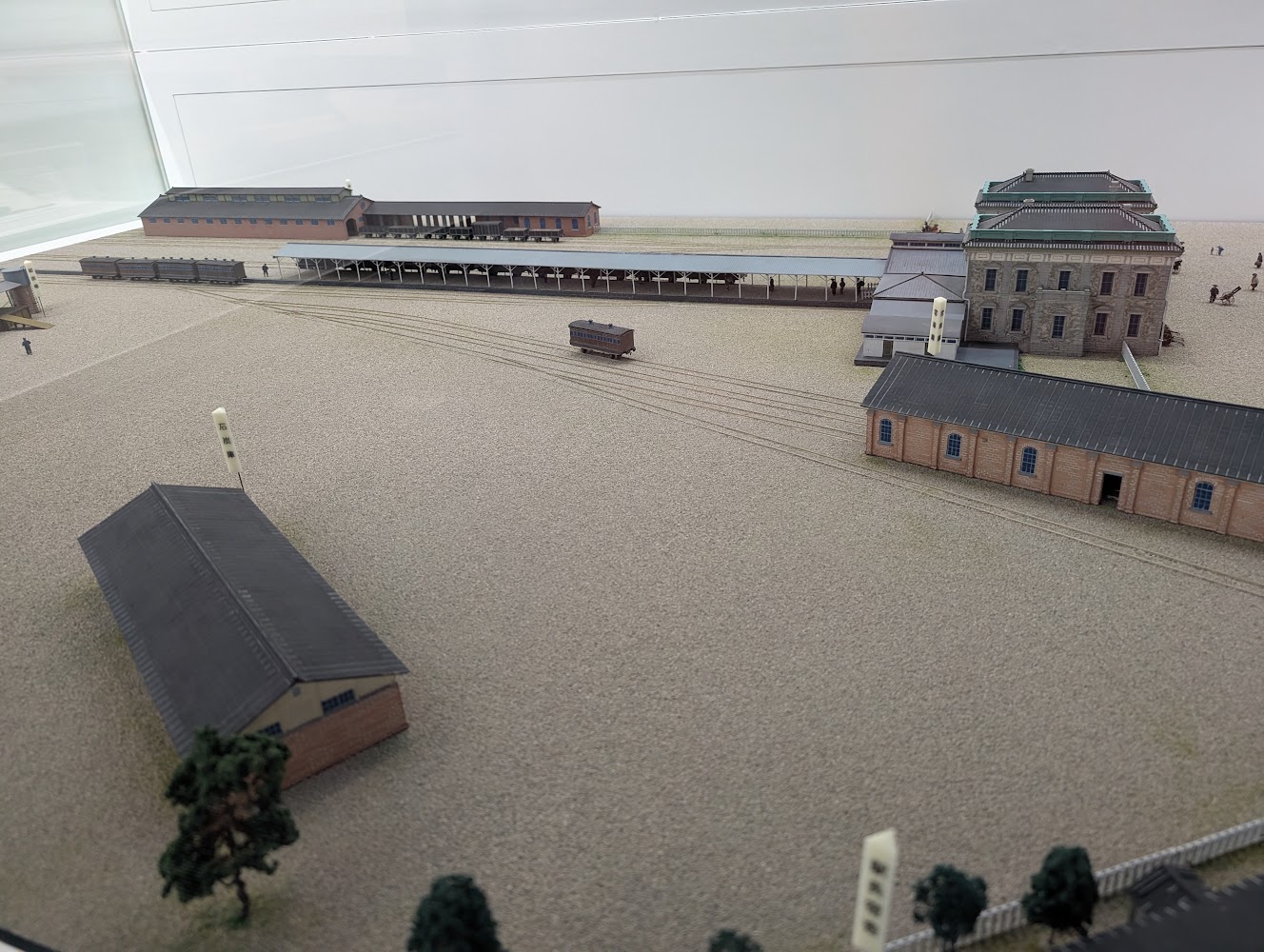
Since I had been there before, I spent more time with the historical maps and stations and enjoyed several references to places we'd visited on other trips. The first train line in Japan ran from Shimbashi (in Tokyo) to Yokohama (south of Tokyo, which we visited later this trip), as shown on this map. James and I had visited Old Shimbashi Station, where we learned that they didn't have the original schematics or complete photos of the building, so this model (and the building we visited) are best-guess reconstructions.
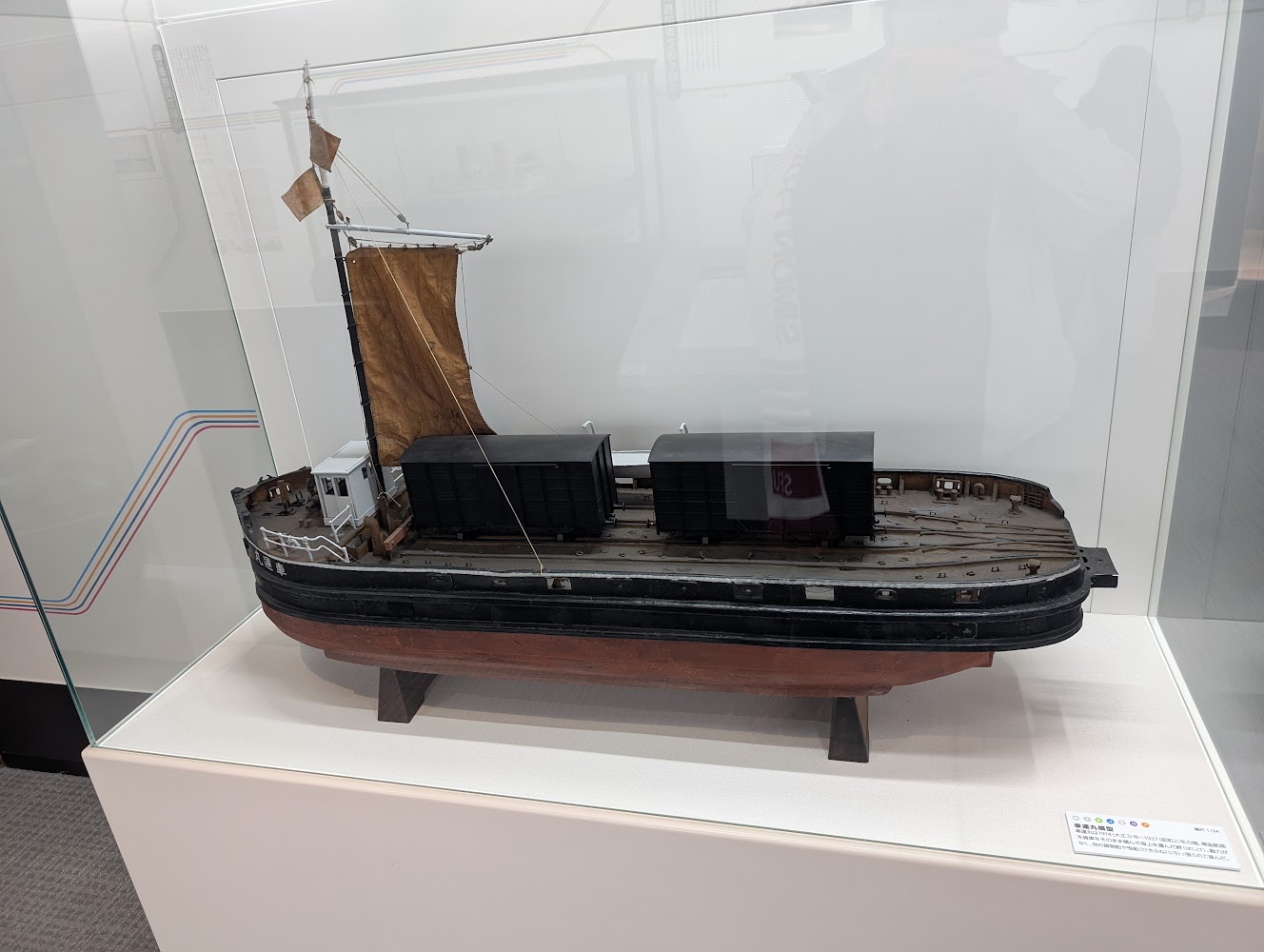
Since we had learned all about the train ferry that used to connect to Hokkaido, I was excited to see other train ferry models. The first one is so small!
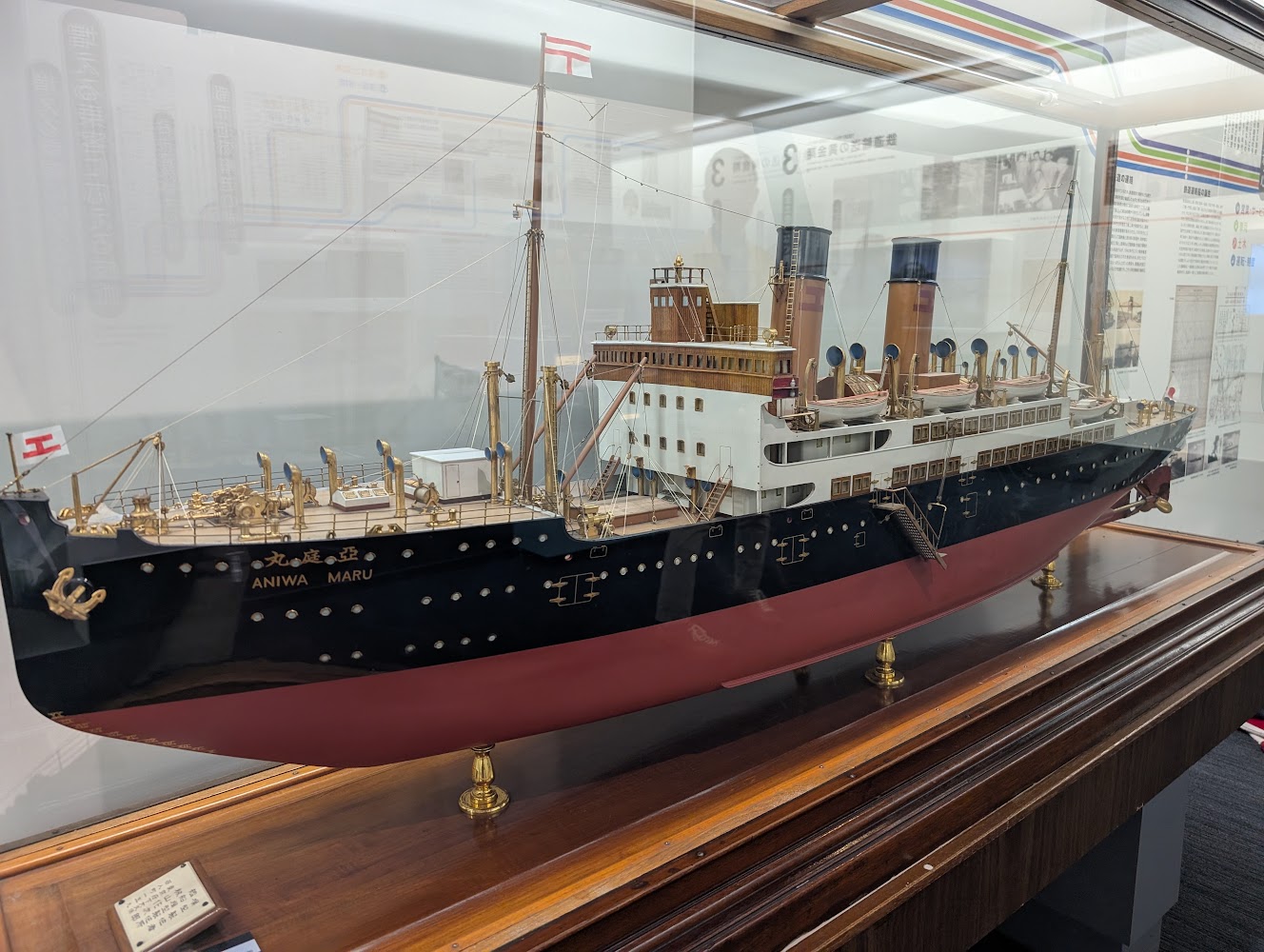
I guess I was too busy reading (and interpreting) the signage to remember to take photos of the rest.
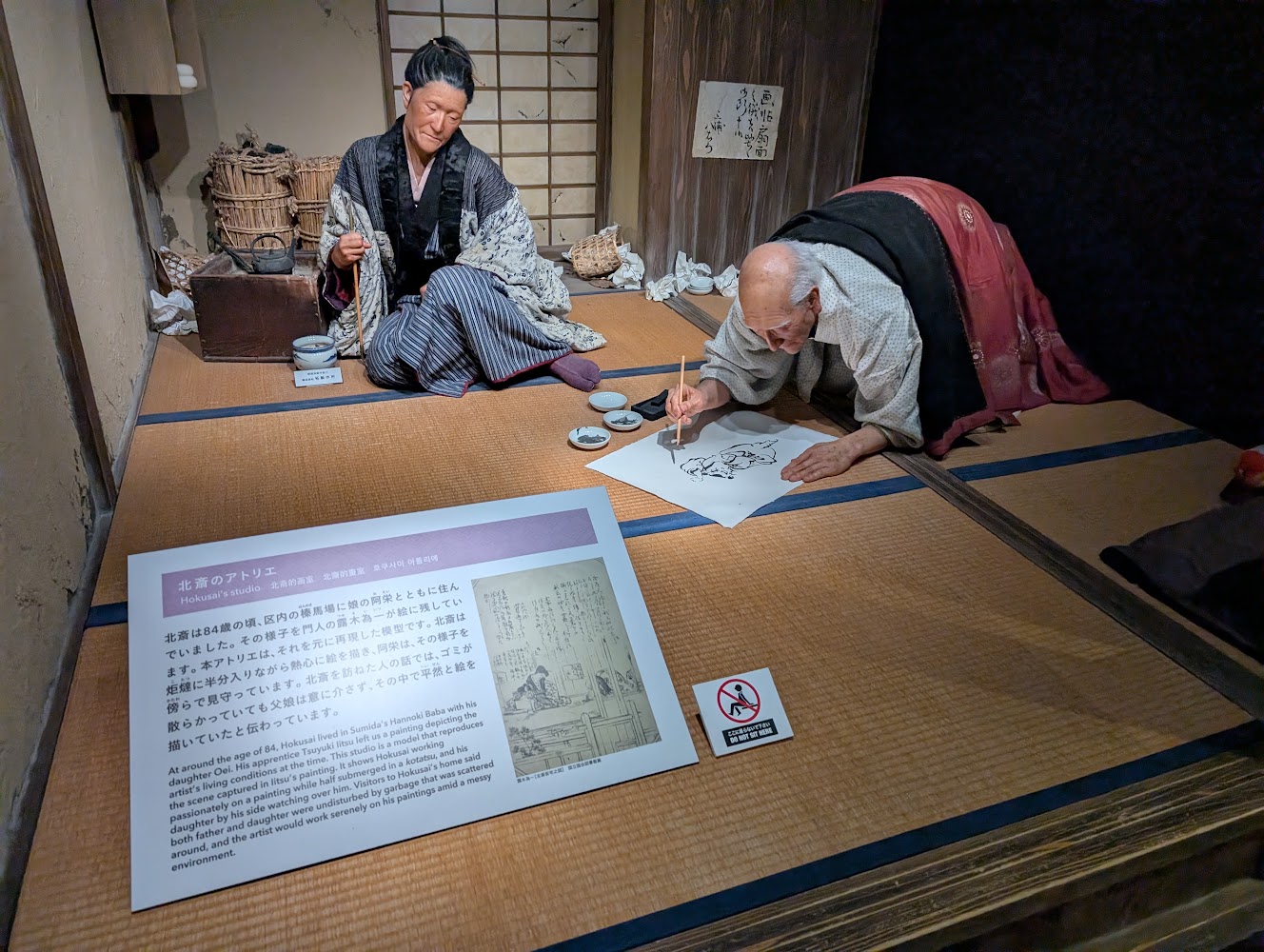
Mom had found the Sumida Hokusai museum, about the artist that made the Great Wave, and was very interested in it. Despite being small, I really enjoyed it and learned a lot.
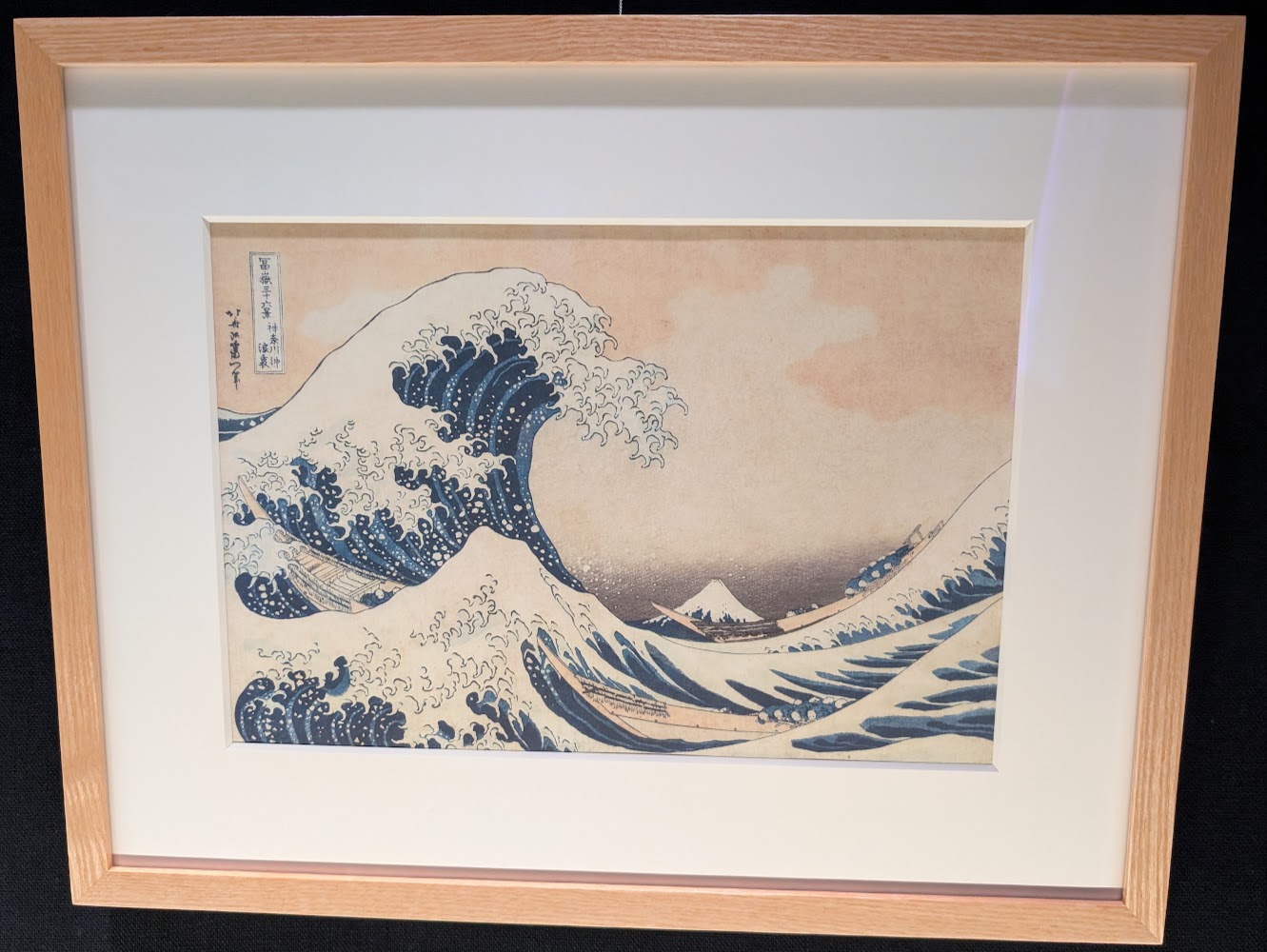
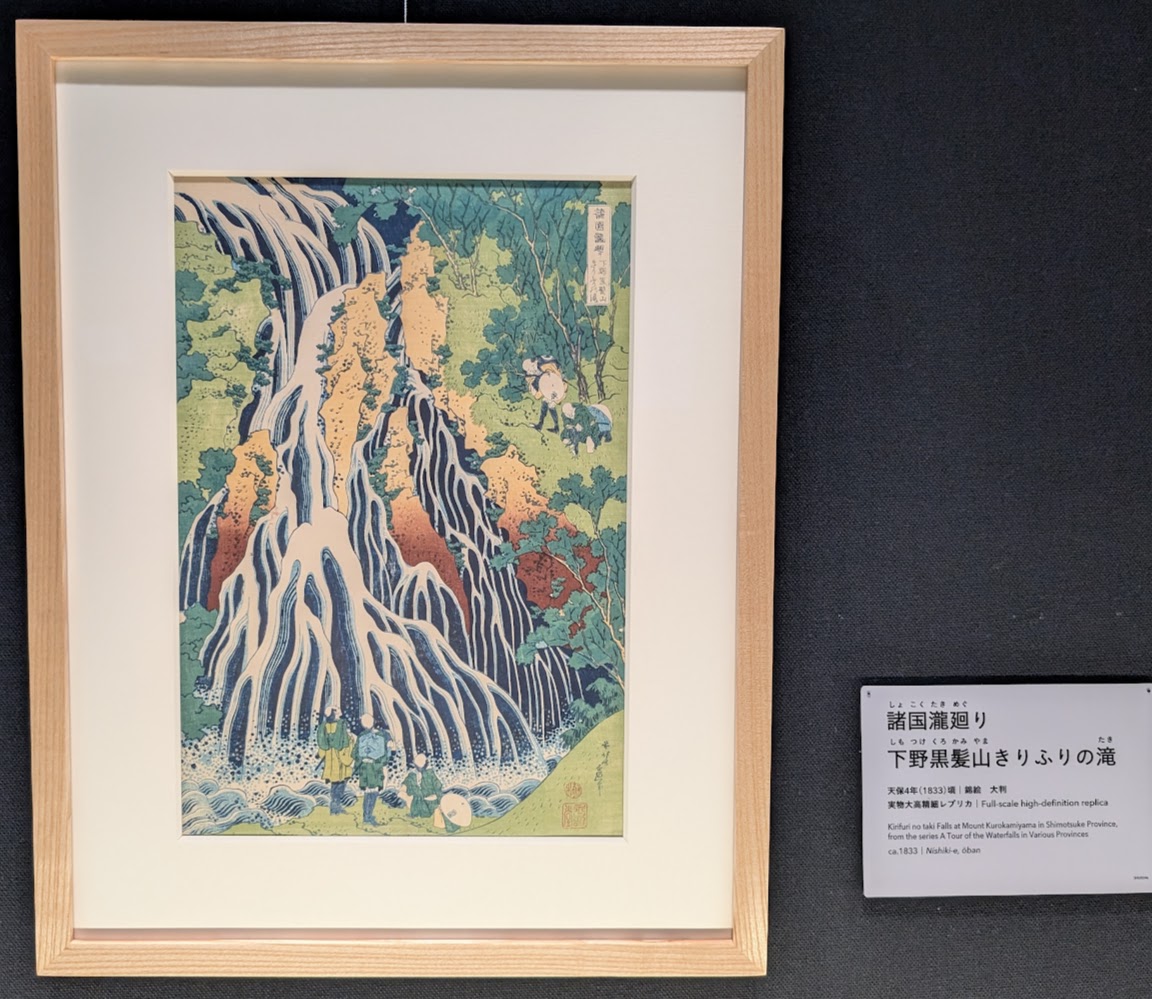
While he's most famous for The Great Wave Off Kanagawa, he did tons of wood block prints over his long life, and innovated several new techniques for wood block printing. I think I like the waterfall one better than Great Wave because of its clever re-use of colors in the people's clothing.
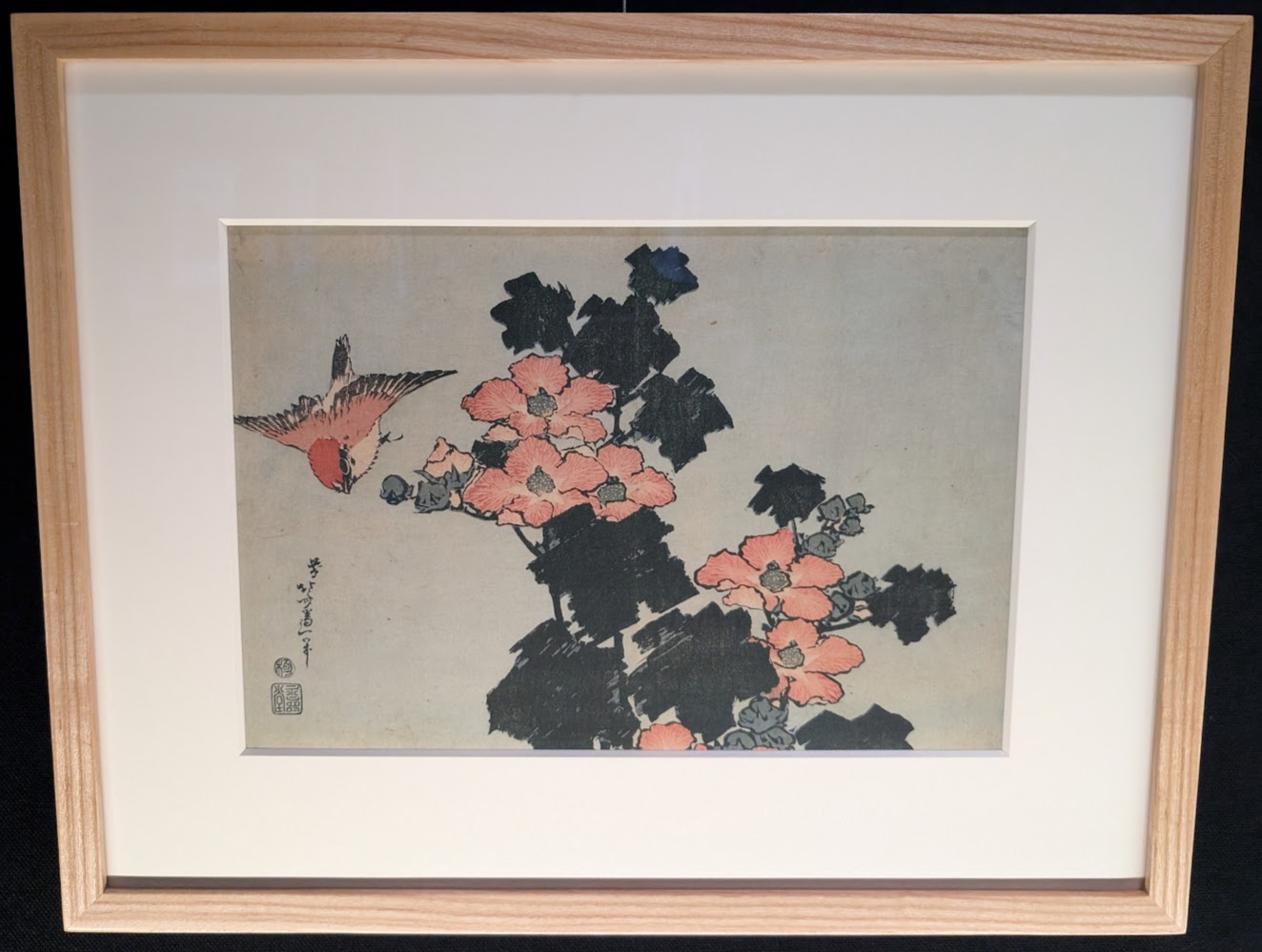
He worked in a mass media (even though it doesn't seem like that today!) and made a much greater variety of art than I'd realized, from party invitations to what was basically tourism marketing prints. Unfortunately they were all in the section of the museum that didn't allow photos.
He was a famous artist even in his own time and people wanted to learn from him, so he published several notebooks with his sketches and learn-to-draw examples. The artistry is beautiful!
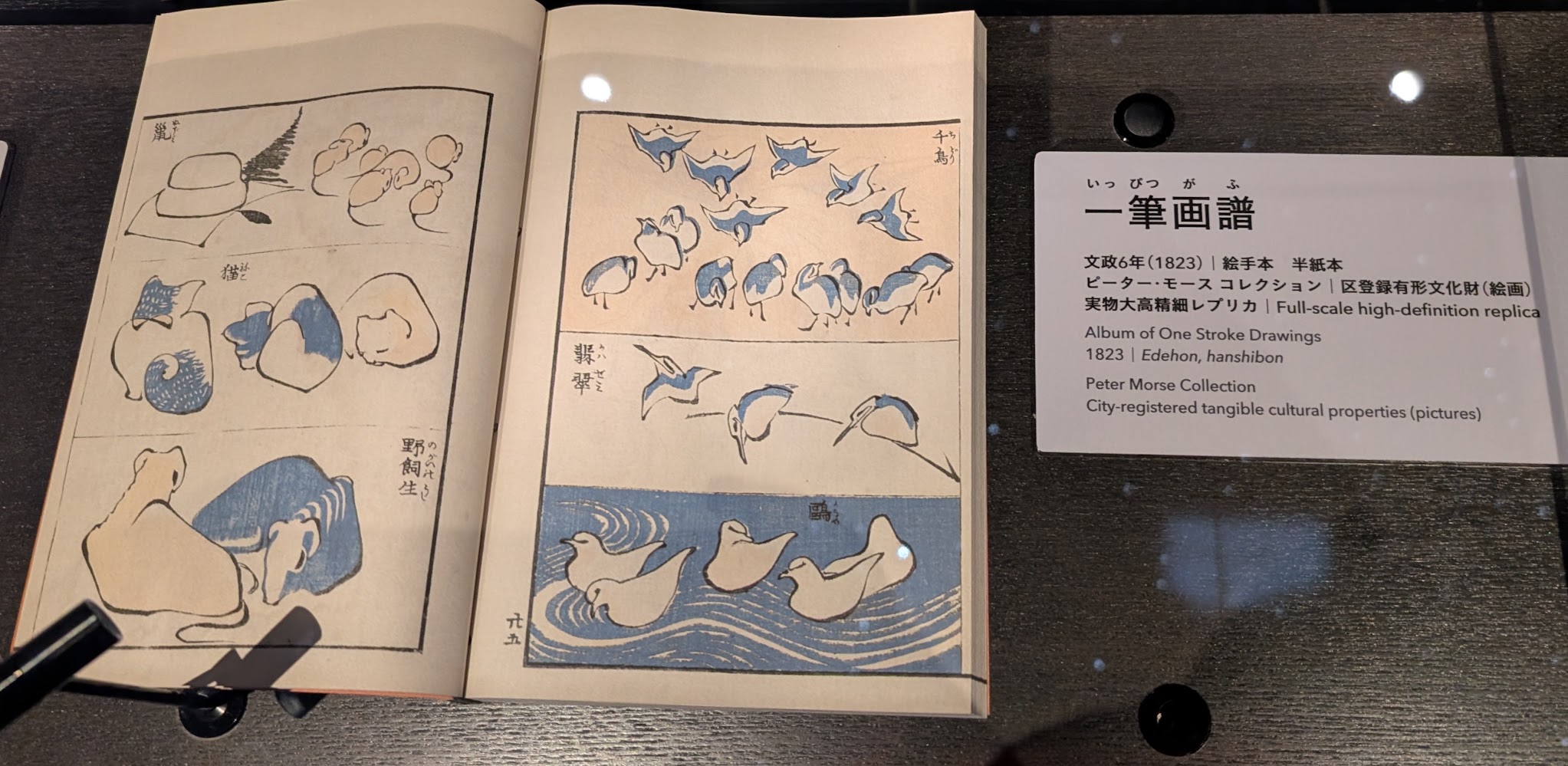
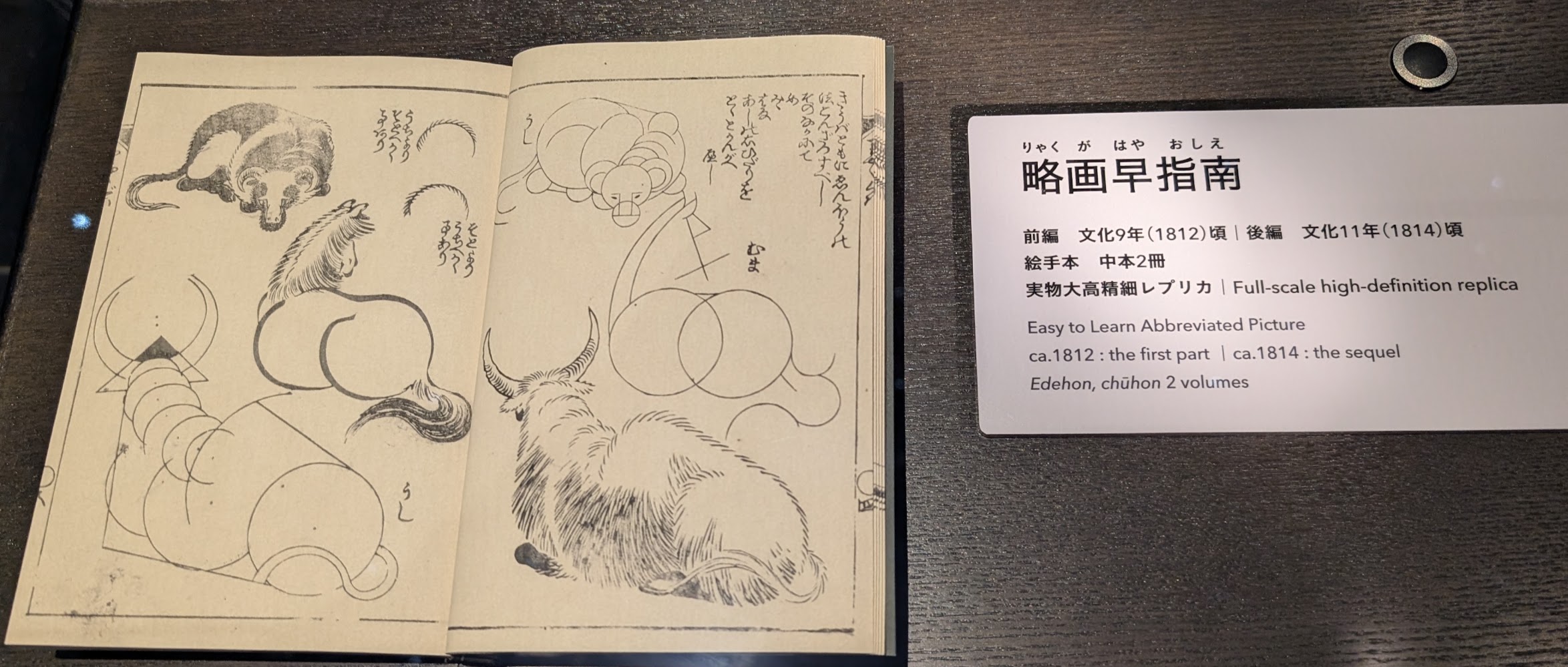
I don't think I'll trust his medical advice though.
!["The secret of a long life? His great interest in his self-made Chinese medicine. Hokusai suffered from a paralysis around 1827 when he was 68 but made a remarkable recovery with his self-made medicine. Itis prepared [by] chopping up a small citrus fruit called 'yuzu' with a bamboo spatula and boiling it down in an earthenware pot with 1.8 liters of ultra-fine sake into a syrup. Then diluted with hot water and divided into two doses to be taken within two days after the outbreak of an illness. He formulated other self-made medicines as well, writing at age 88 in a letter to a friend that people could stay completely healthy if they took two small cups, morning and evening, of a mixture of about 60 grams of skinned and dried longans (a fruit similar to a lychee), about 30 grams of white sugar, and 1.8 liters of ulta-fine shochu that had been enclosed in a pot and stored for two months.](fINQ5WT-0eB2WDbh3J1ghJ1nQvI.jpg)
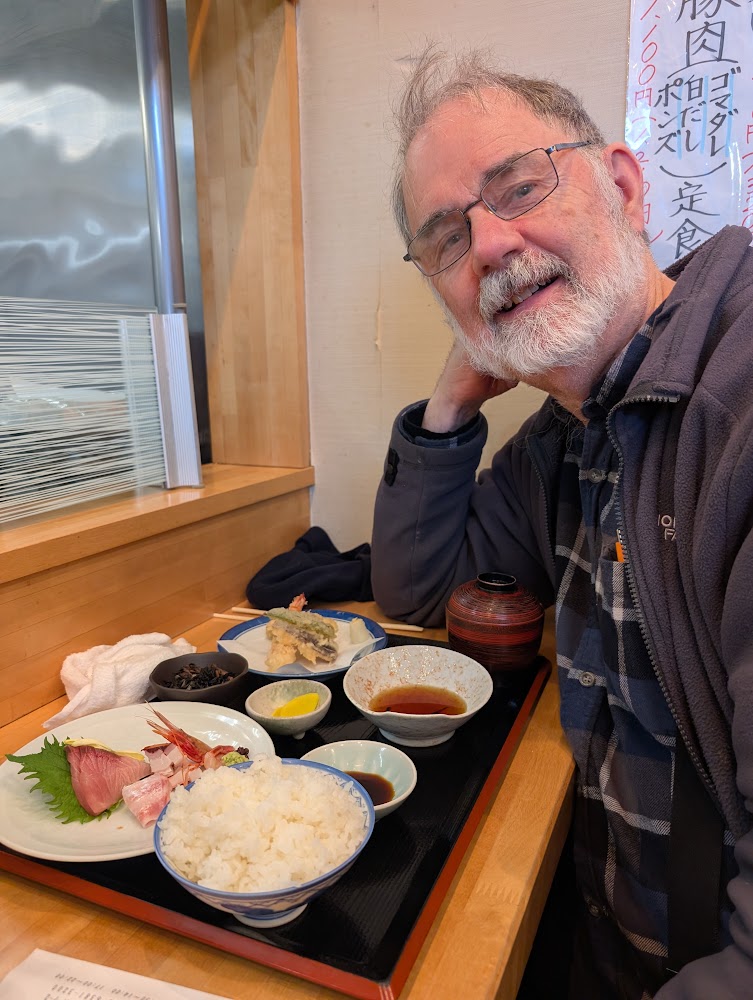
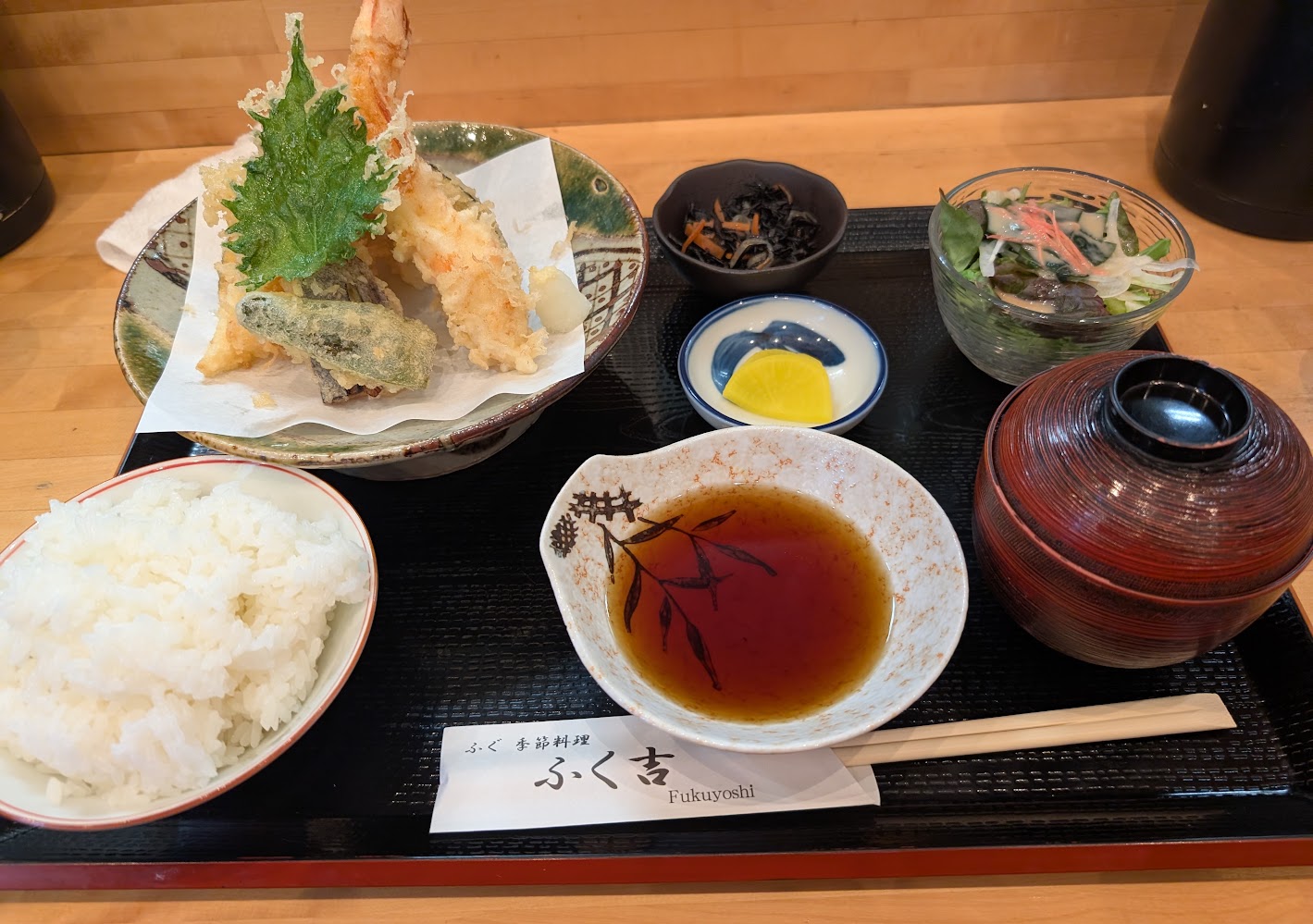
At lunch, Dad went for the fanciest set with tempura and sashimi. I really enjoyed the tempura, which was more lightly battered than I'd had at home. I'd never had perilla leaf or fish as tempura before, and they're both really good!
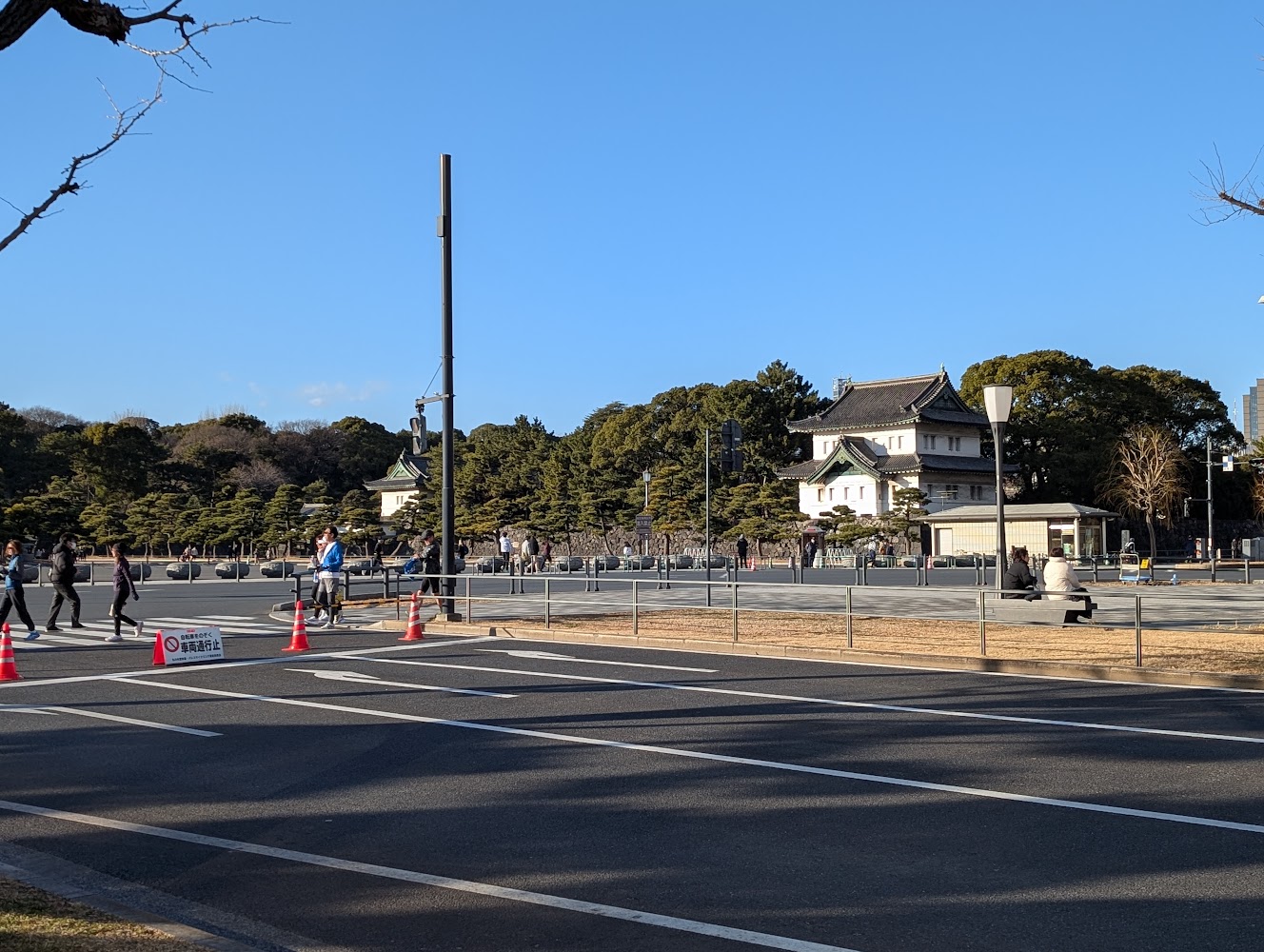
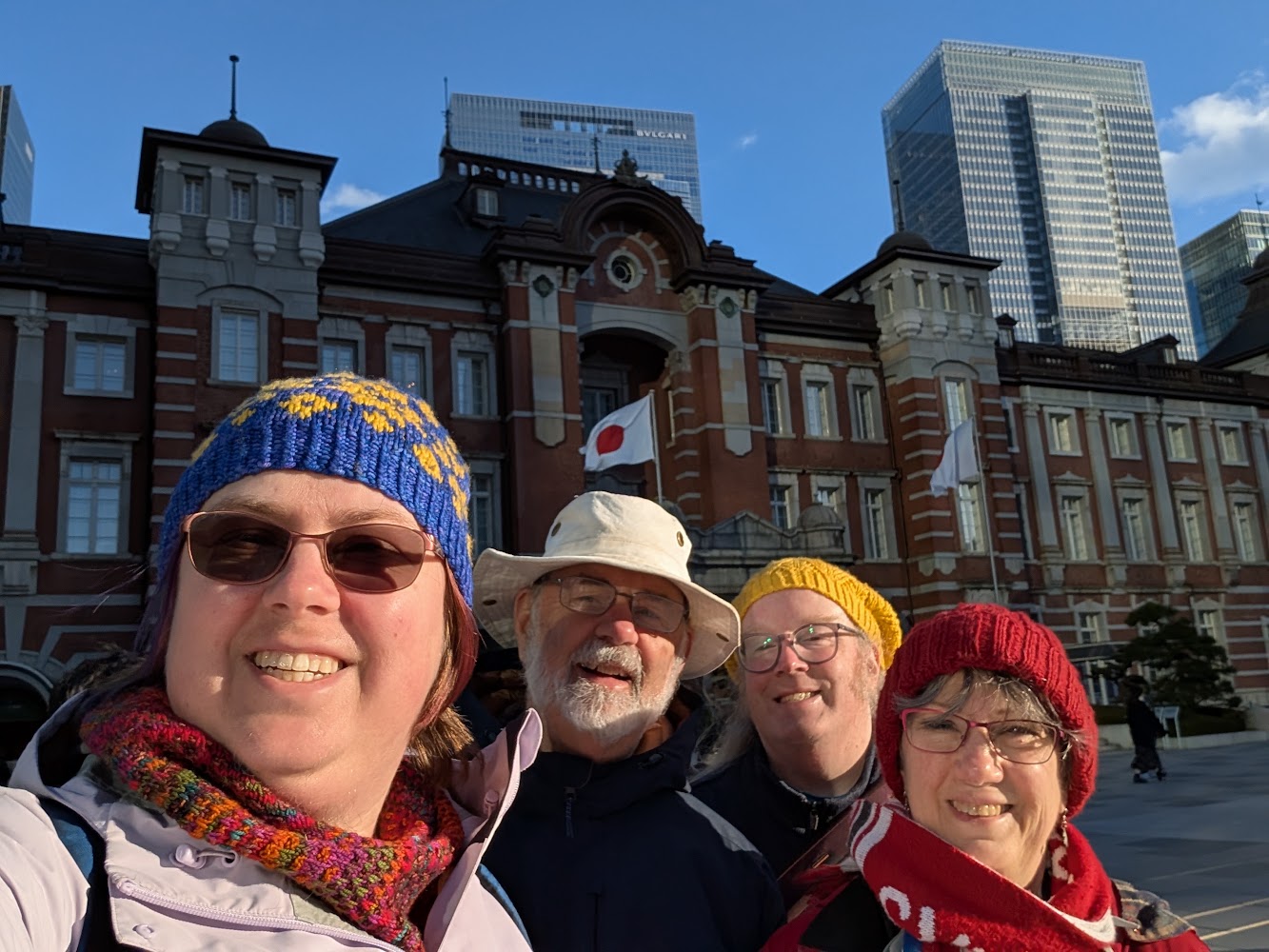
We went for a chilly and windy walk to see the Imperial Palace, but the cold sapped our enthusiasm and we only saw an outer gate. At least the historic side of Tokyo Station was on our way home!
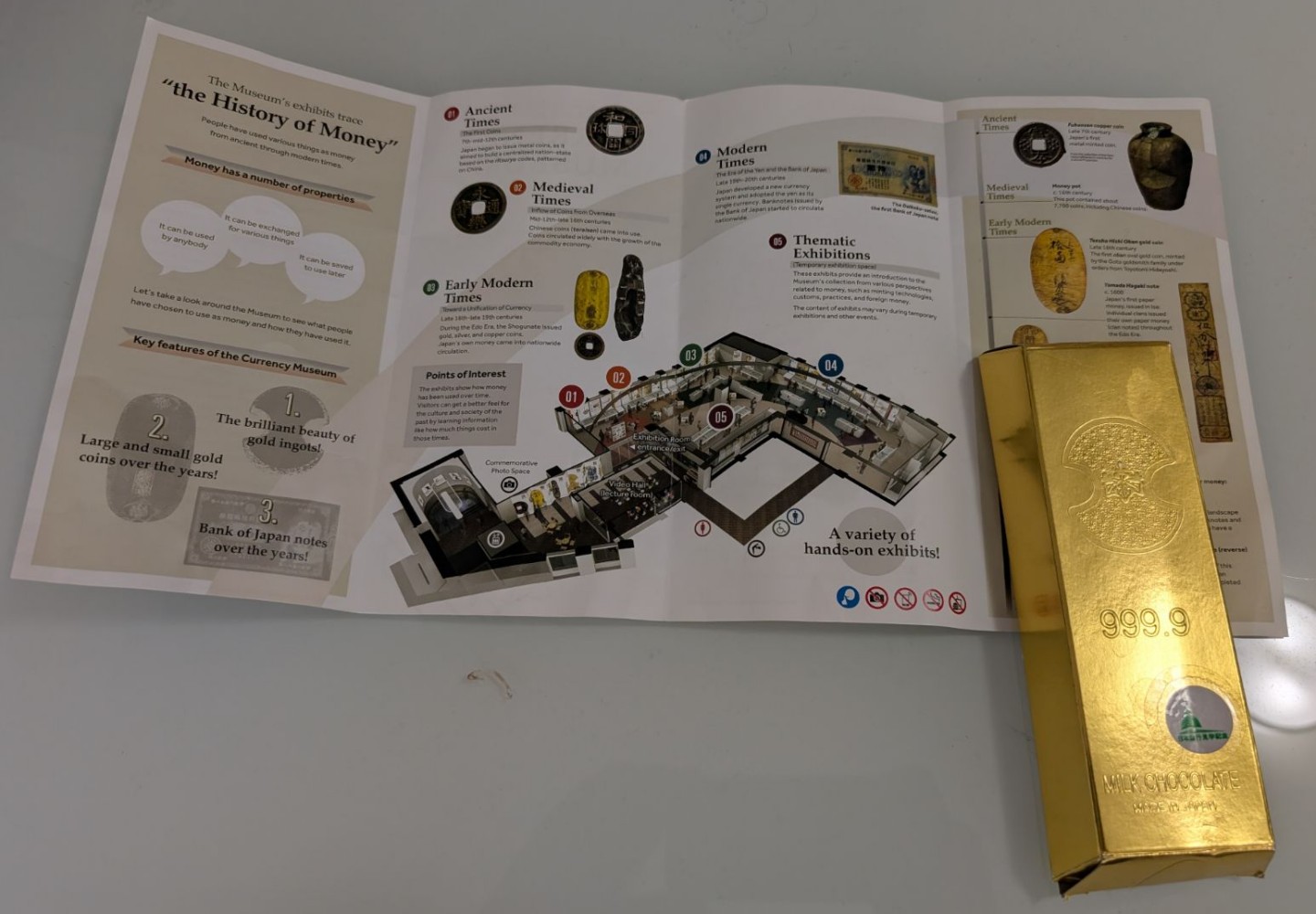
Andrew split off from the rest of us and visited the Currency Museum just before it closed for the day. It's behind a security check and metal detector, which meant he got to show off his own pocketful of currency to get in. Japan has had several different currencies over the centuries, as the money was only standardized when there was a strong central authority and not in between. It also had a lot of actual gold on display and Andrew brought one home as a souvenir. (actually made of chocolate not gold)
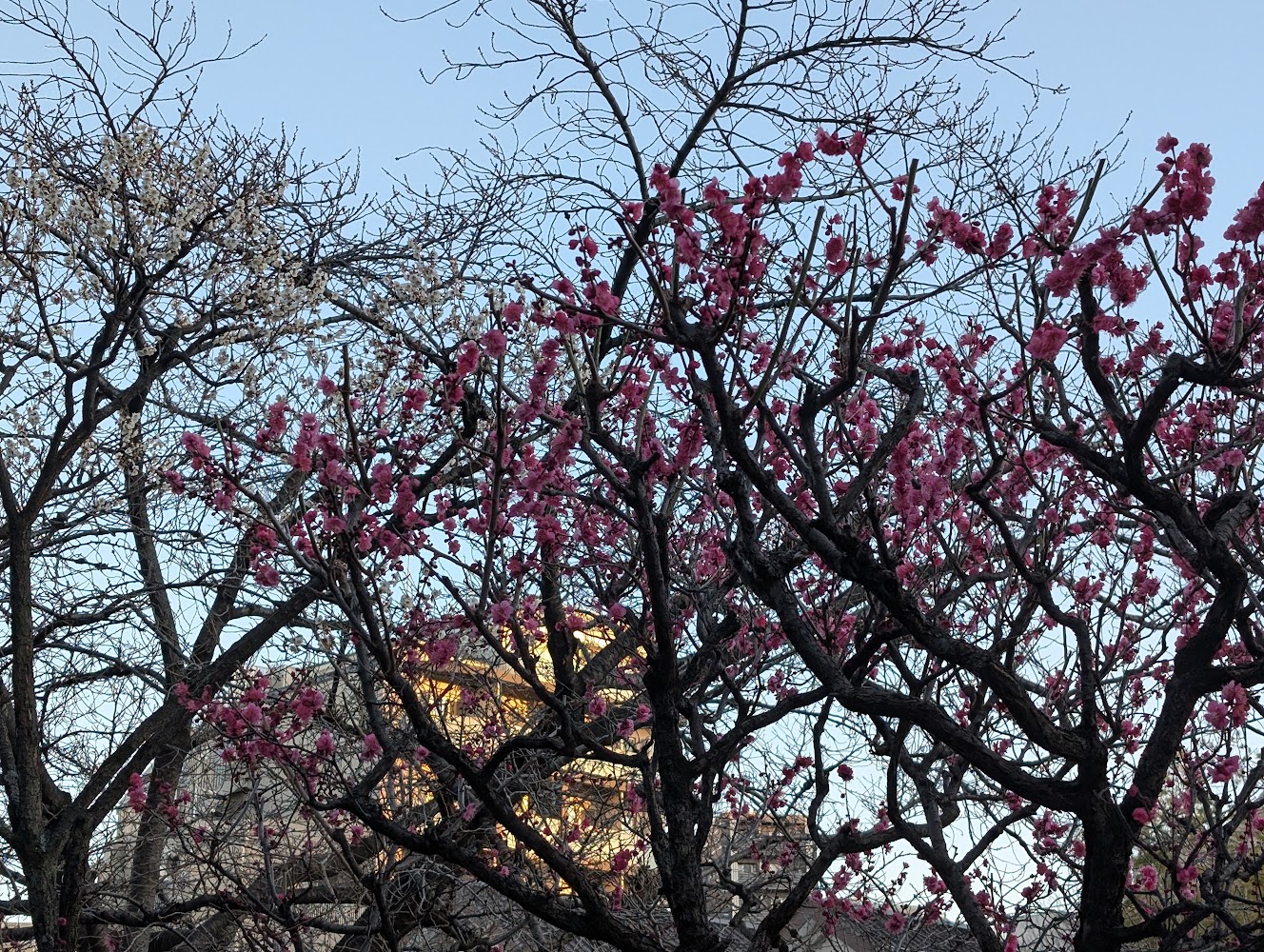
Despite it being January, the internet said that there were blooming cherry blossoms near Tokyo station, so we went to see them. It was pretty disappointing, since it was only a couple trees on the side of the road... (the photo looks better than reality)
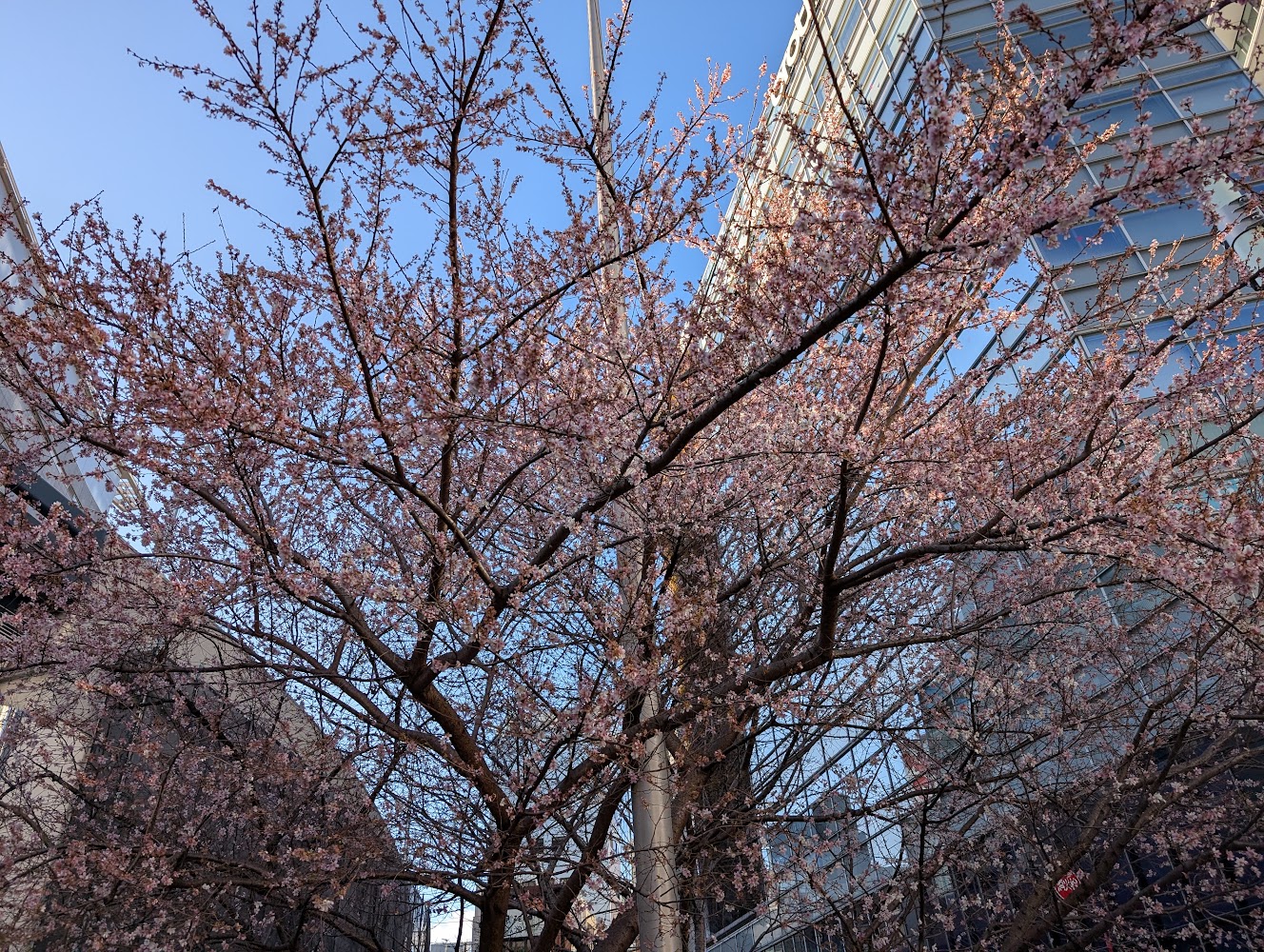
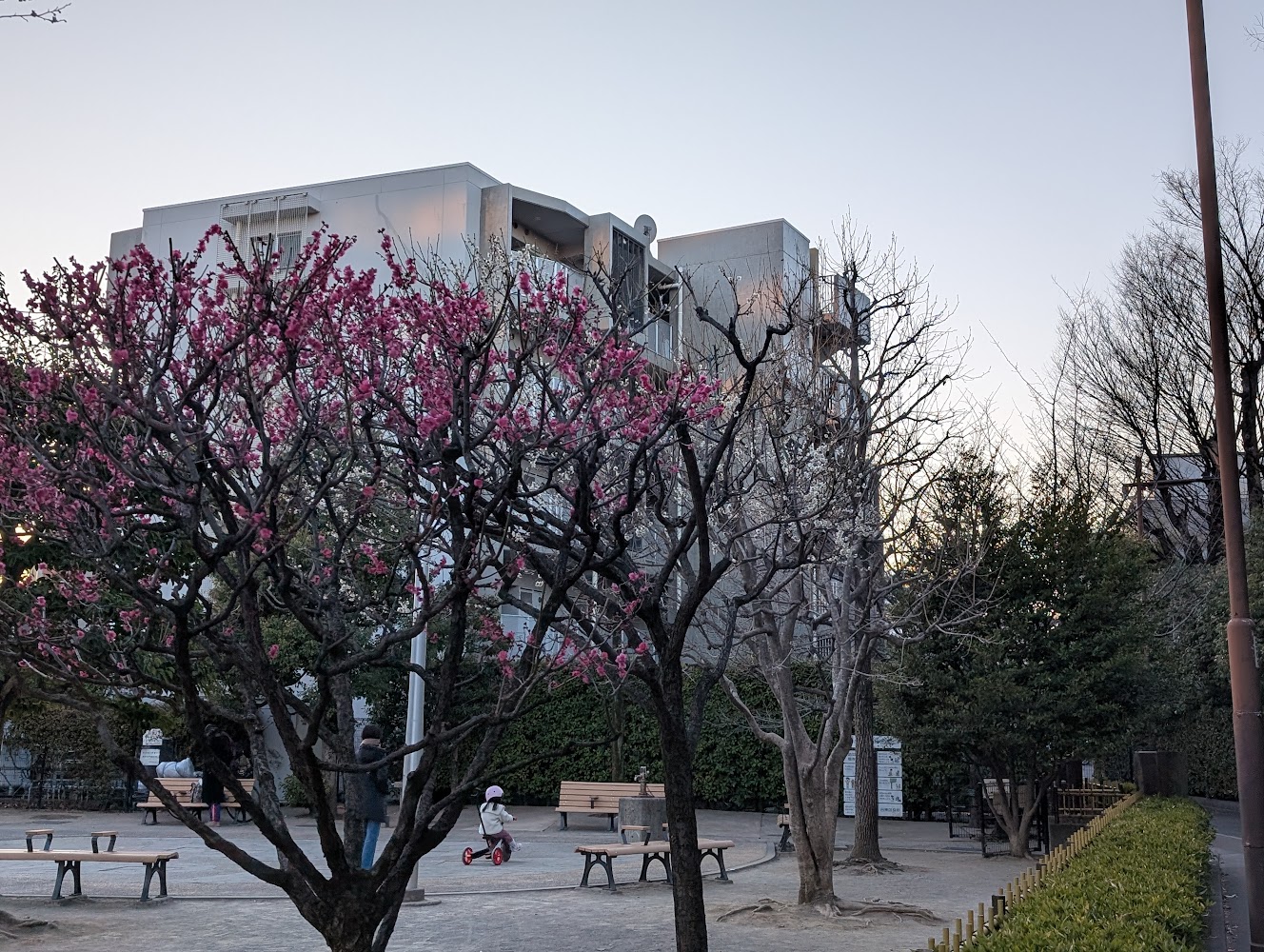
...and then I saw several more blooming trees that evening next to a school on the walk back to the hotel!
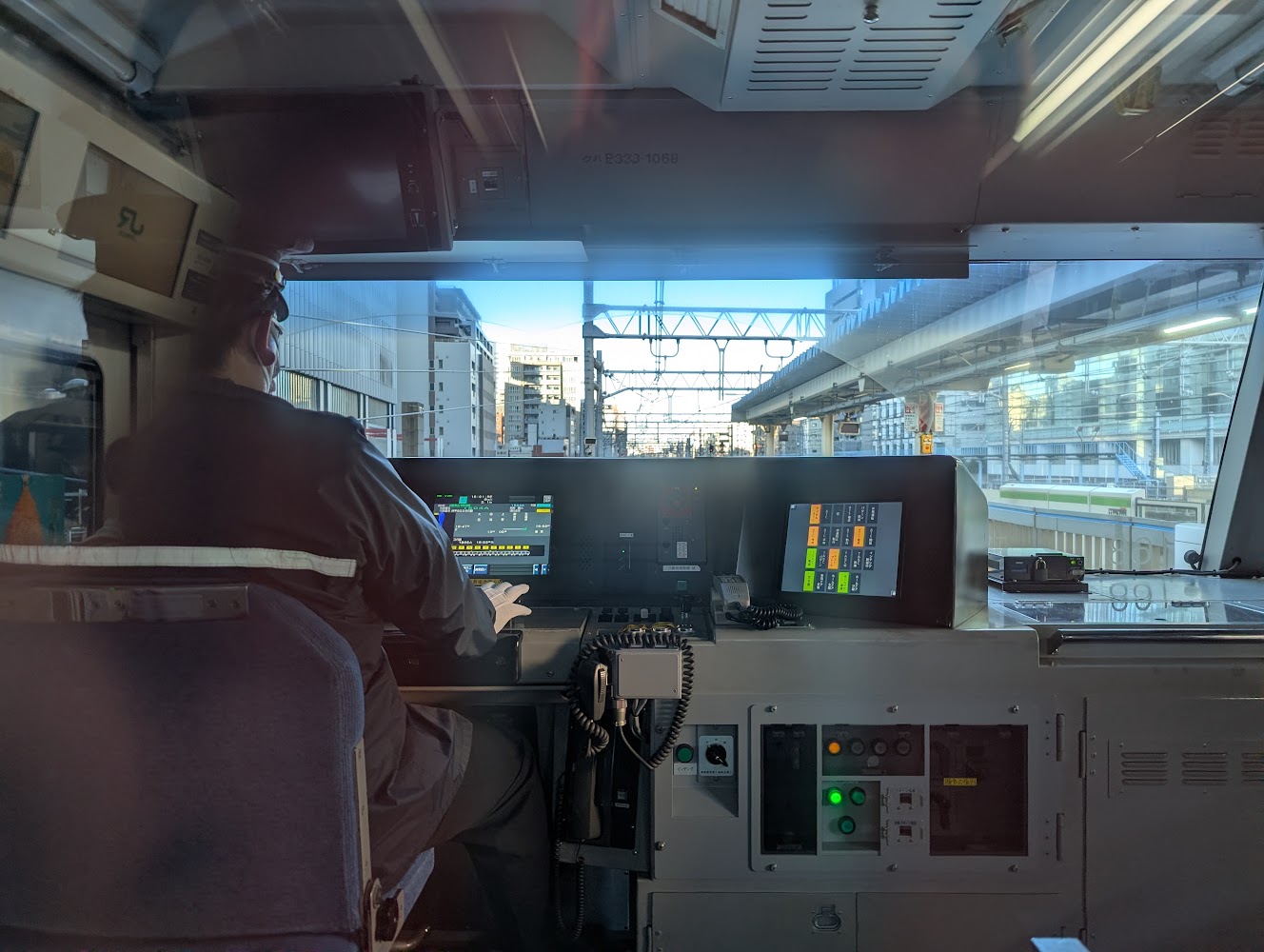
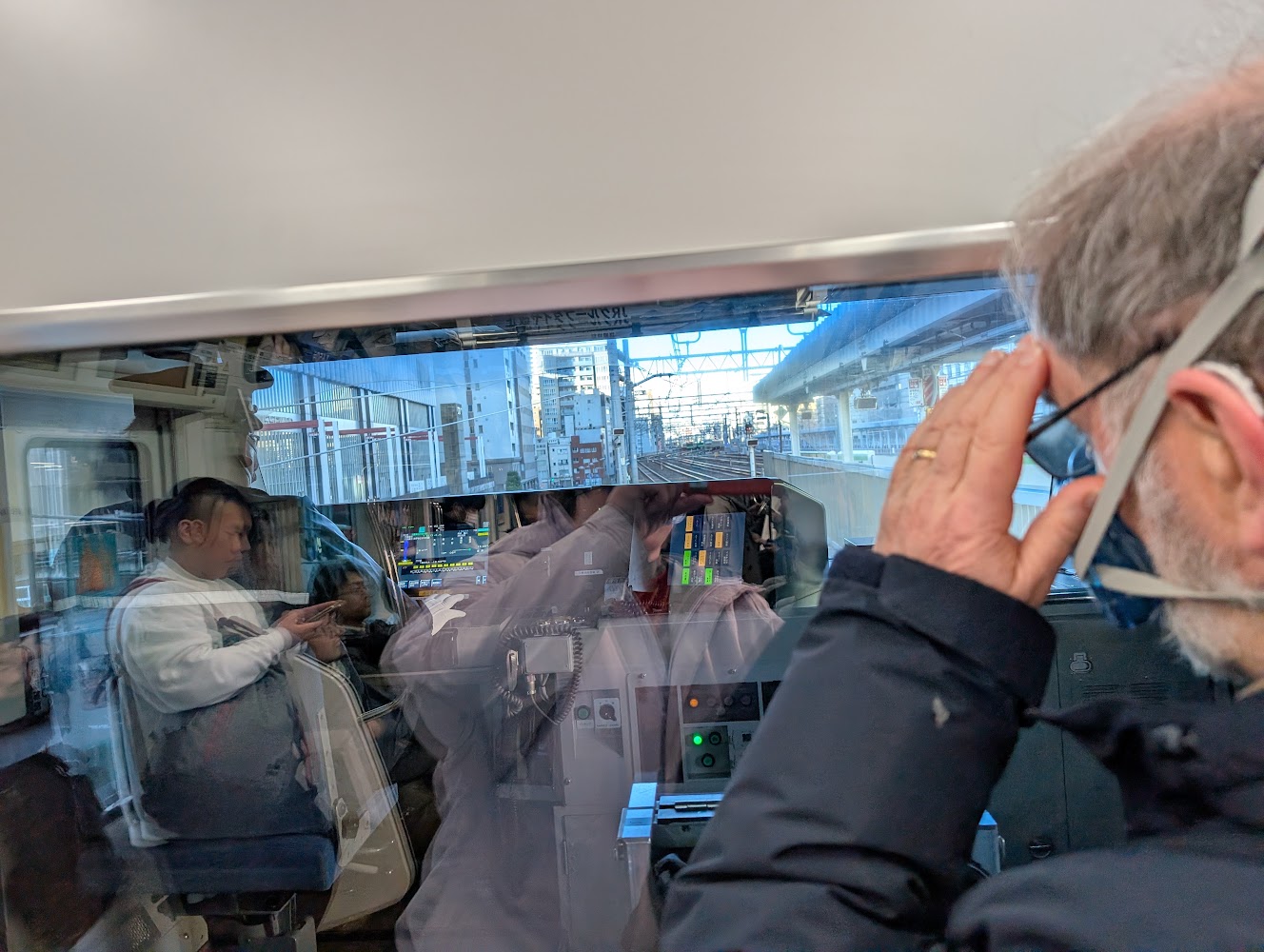
Dad realized he could stand at the front of the train and watch the driver and had a great time with that at every subsequent opportunity.
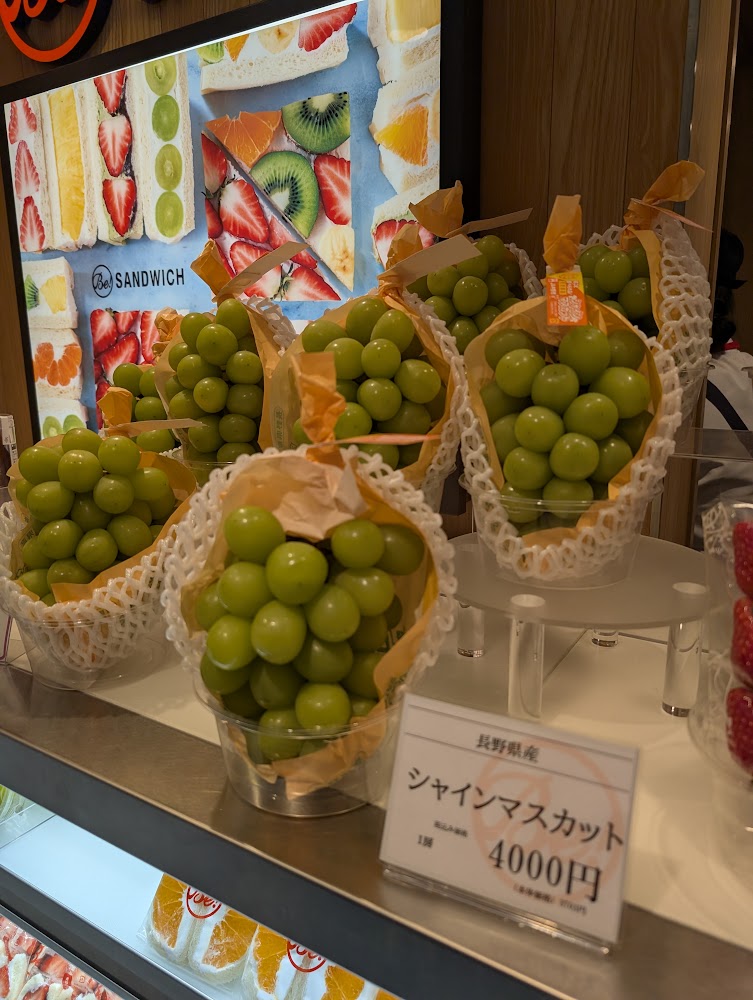
As an aside, I was appalled by these $40 grapes! Japan really loves its seasonal fruits and is willing to pay a premium for them.
On our final day in Tokyo we visited Nippori Fabric Town, a street full of fabric shops. Mom and I really enjoyed browsing all the stores, including the famous 5-storey Tomato fabric store. Despite her enthusiasm to visit, Mom didn't buy any fabric, while I bought 9 meters!
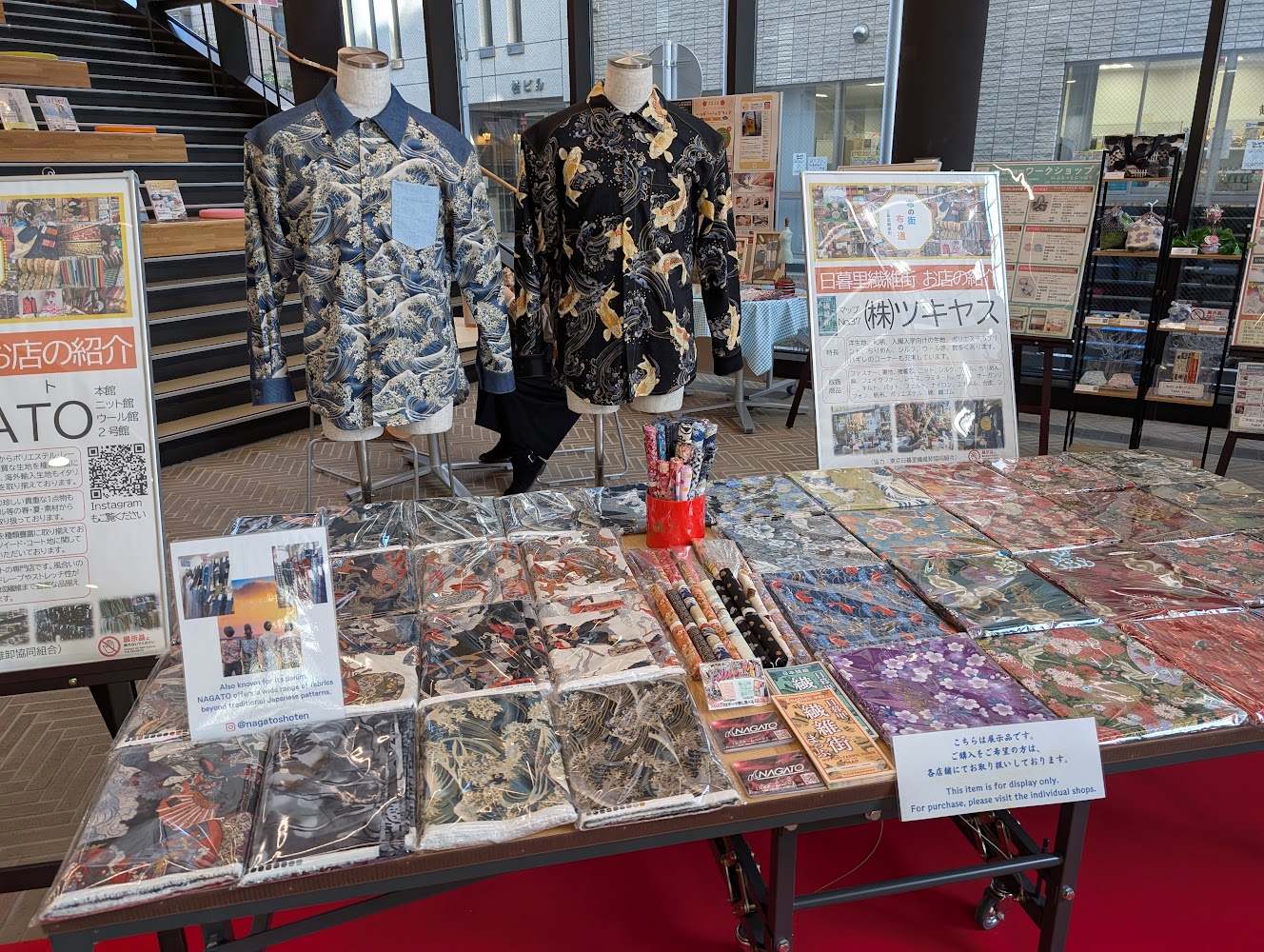
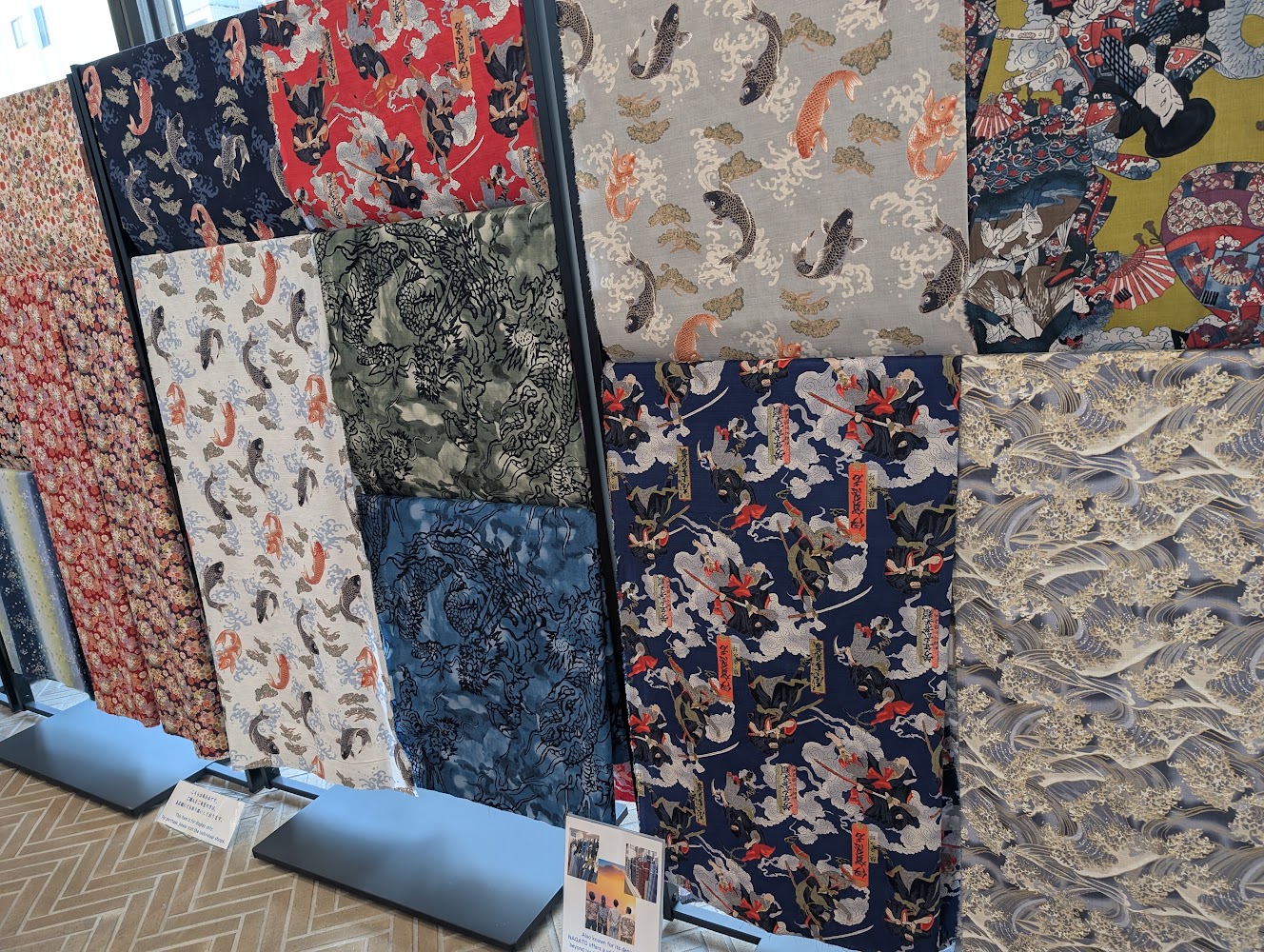
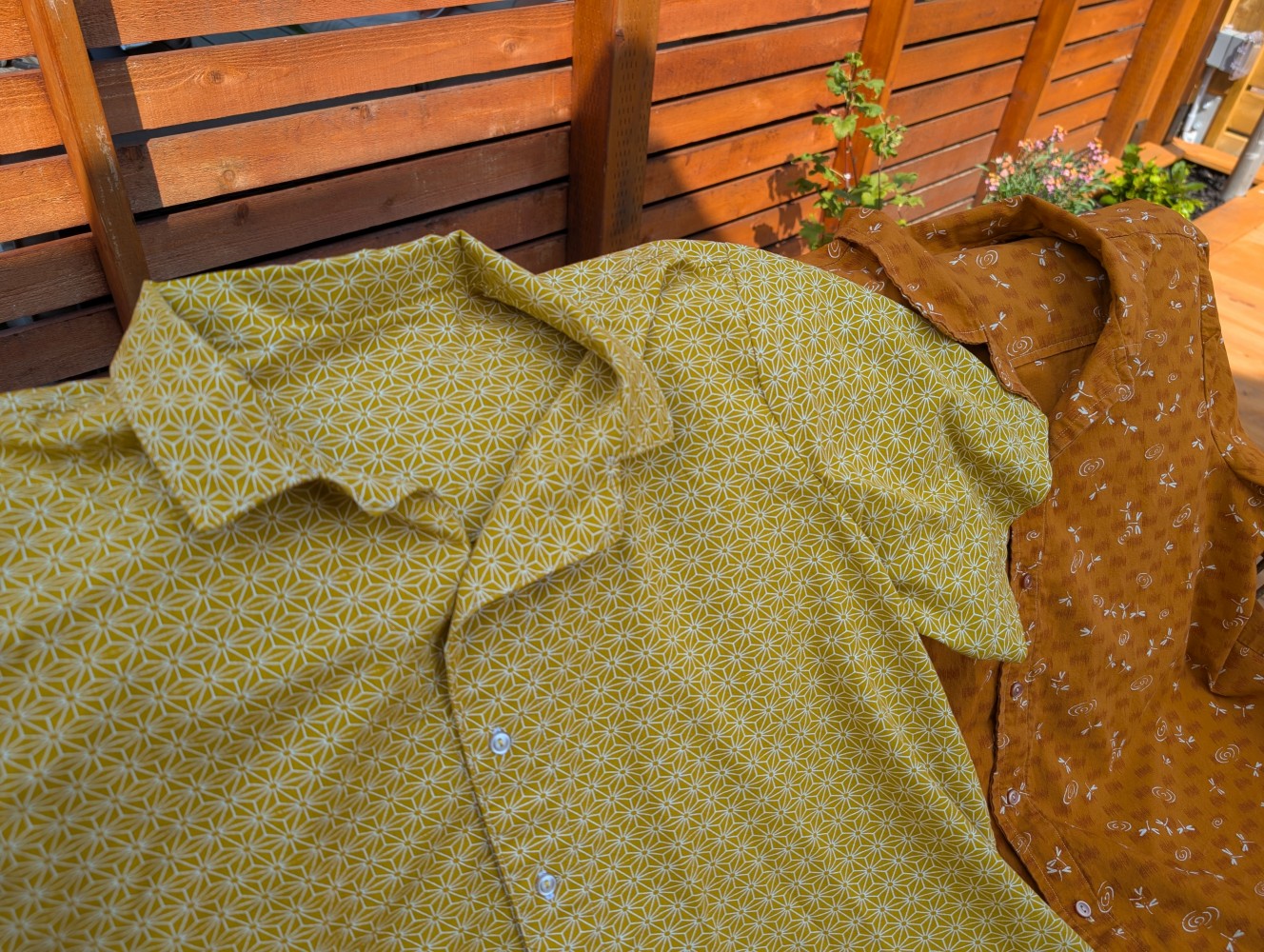
Since the trip, James and I have gotten into sewing and James made the fabric we bought into these two lovely shirts!
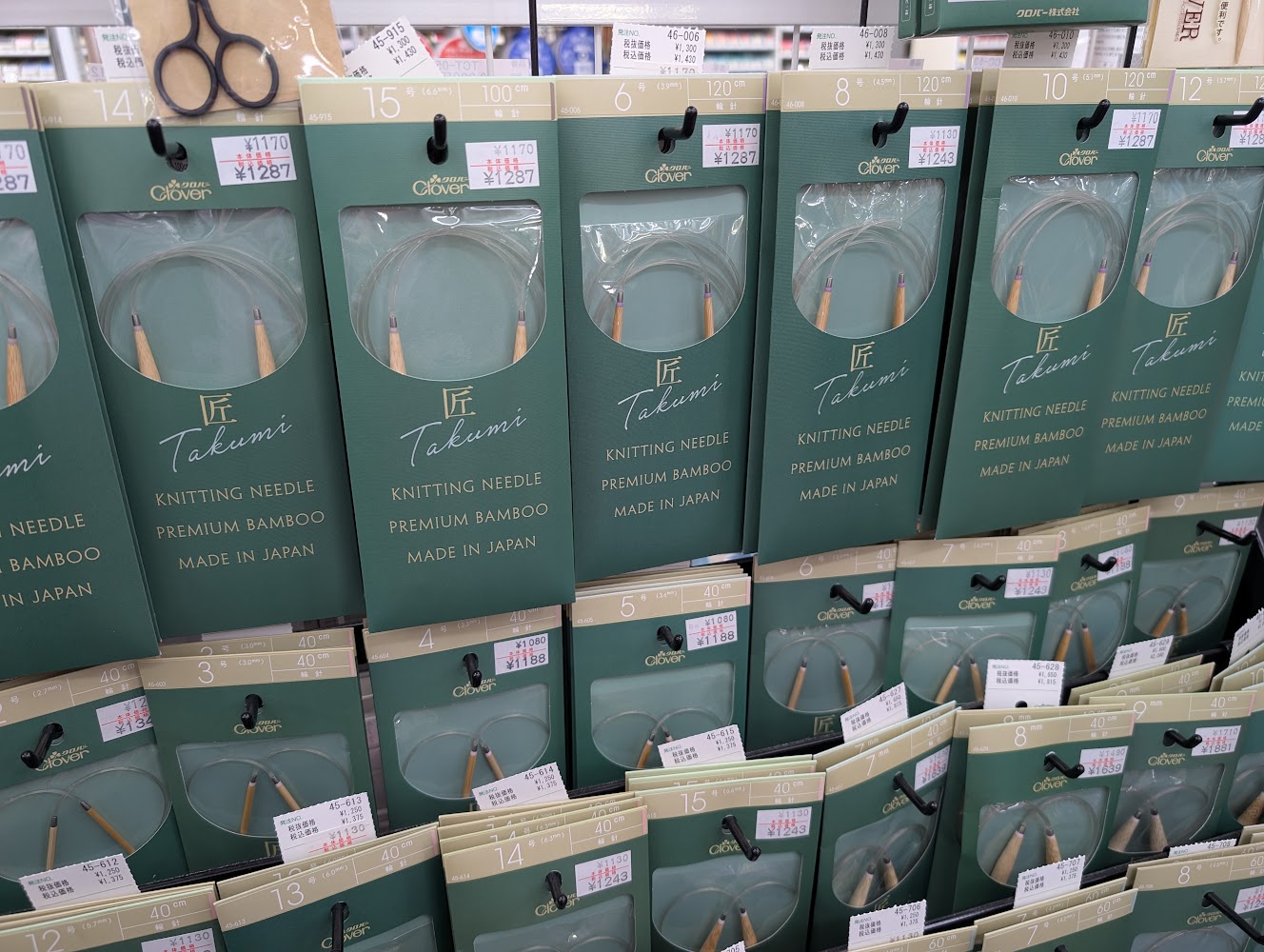
Japan uses different knitting needle sizes than the UK and America. I'm used to needles that are 0.25mm or 0.5 mm apart. The Japanese ones have wild sizes like 6.6mm or 3.9mm!
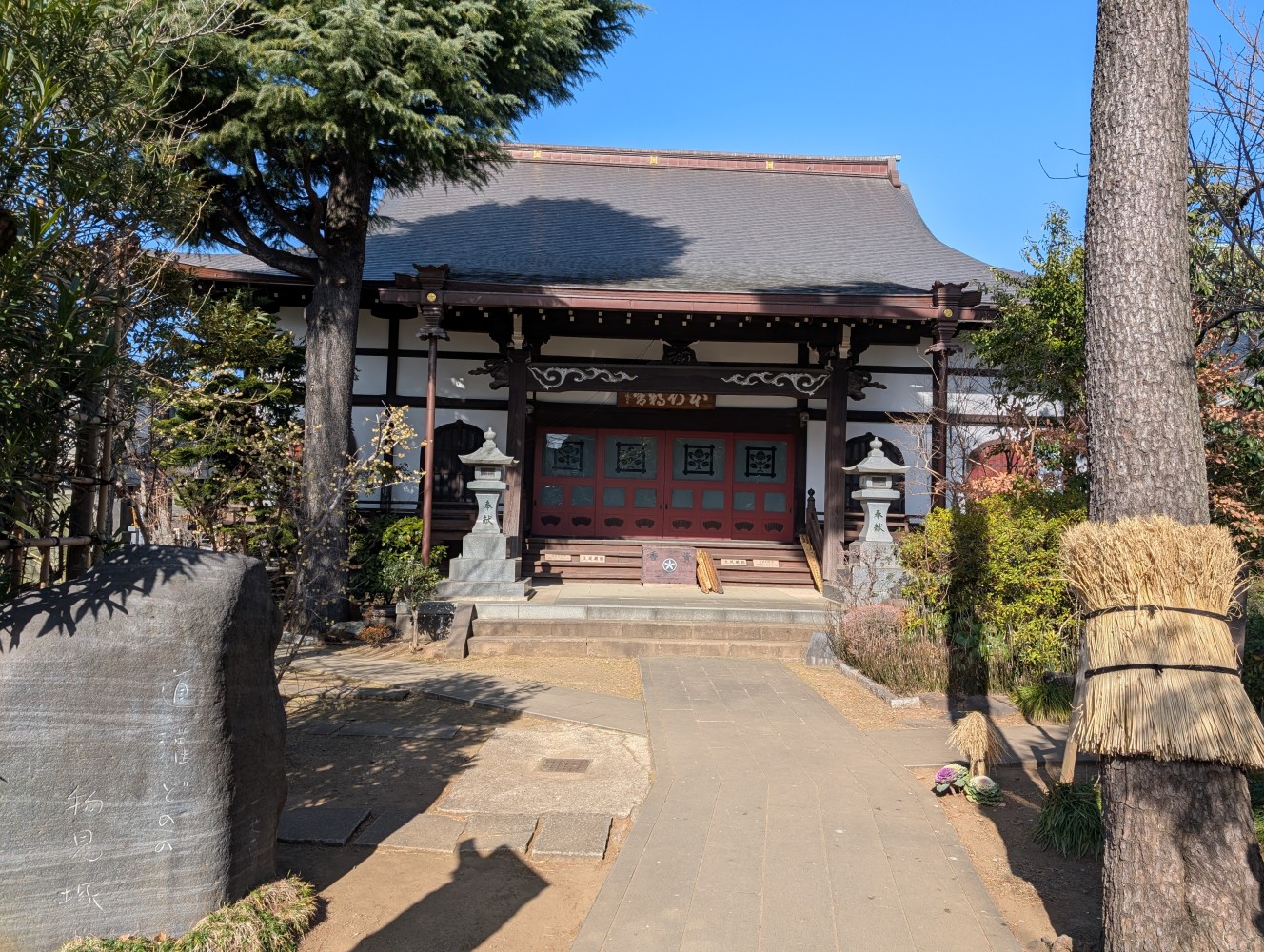
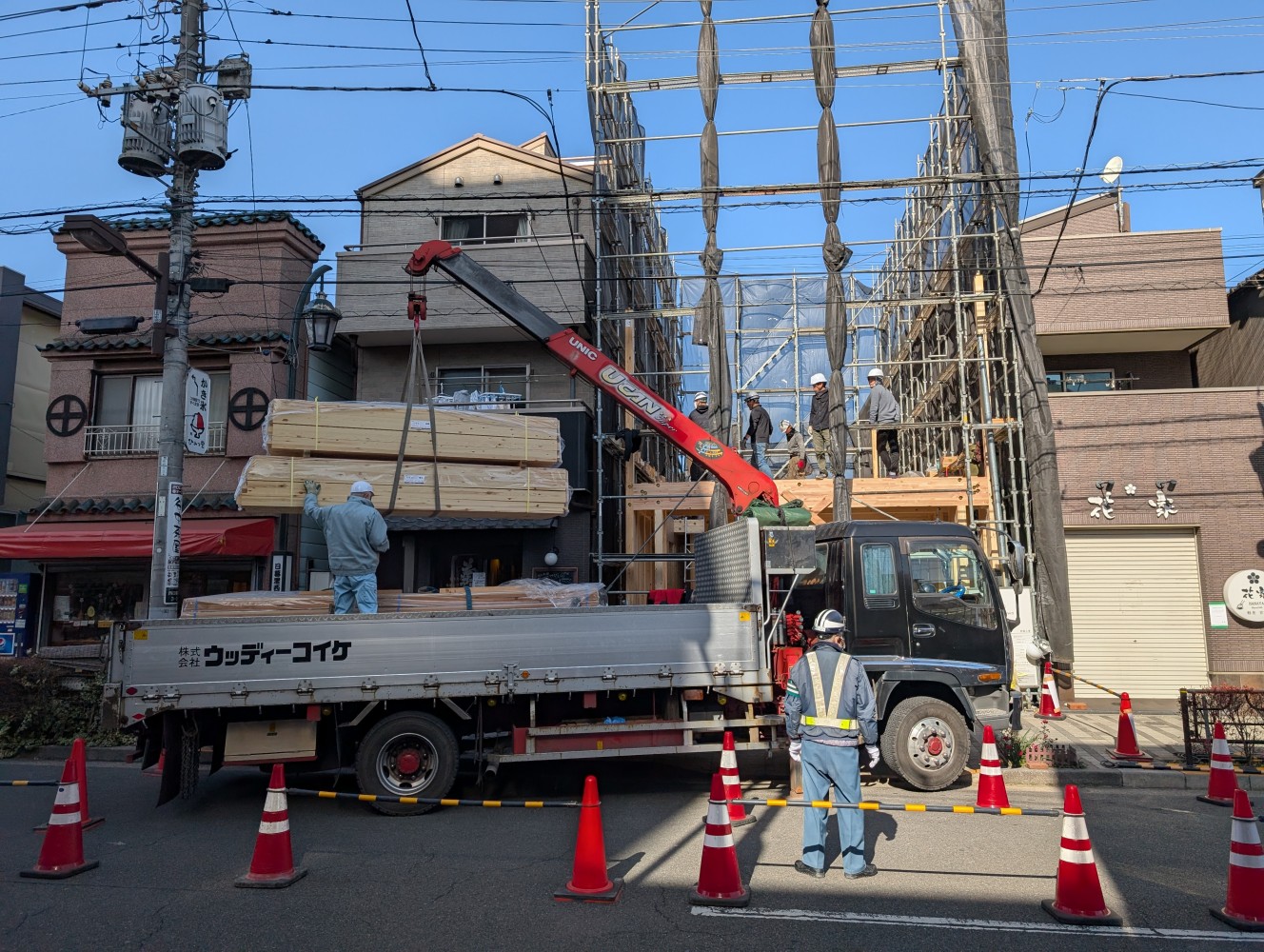
While we were shopping, Dad explored an adjacent neighbourhood. He found a local shrine, and enjoyed watching the clever approaches used for construction in cramped Tokyo streets.
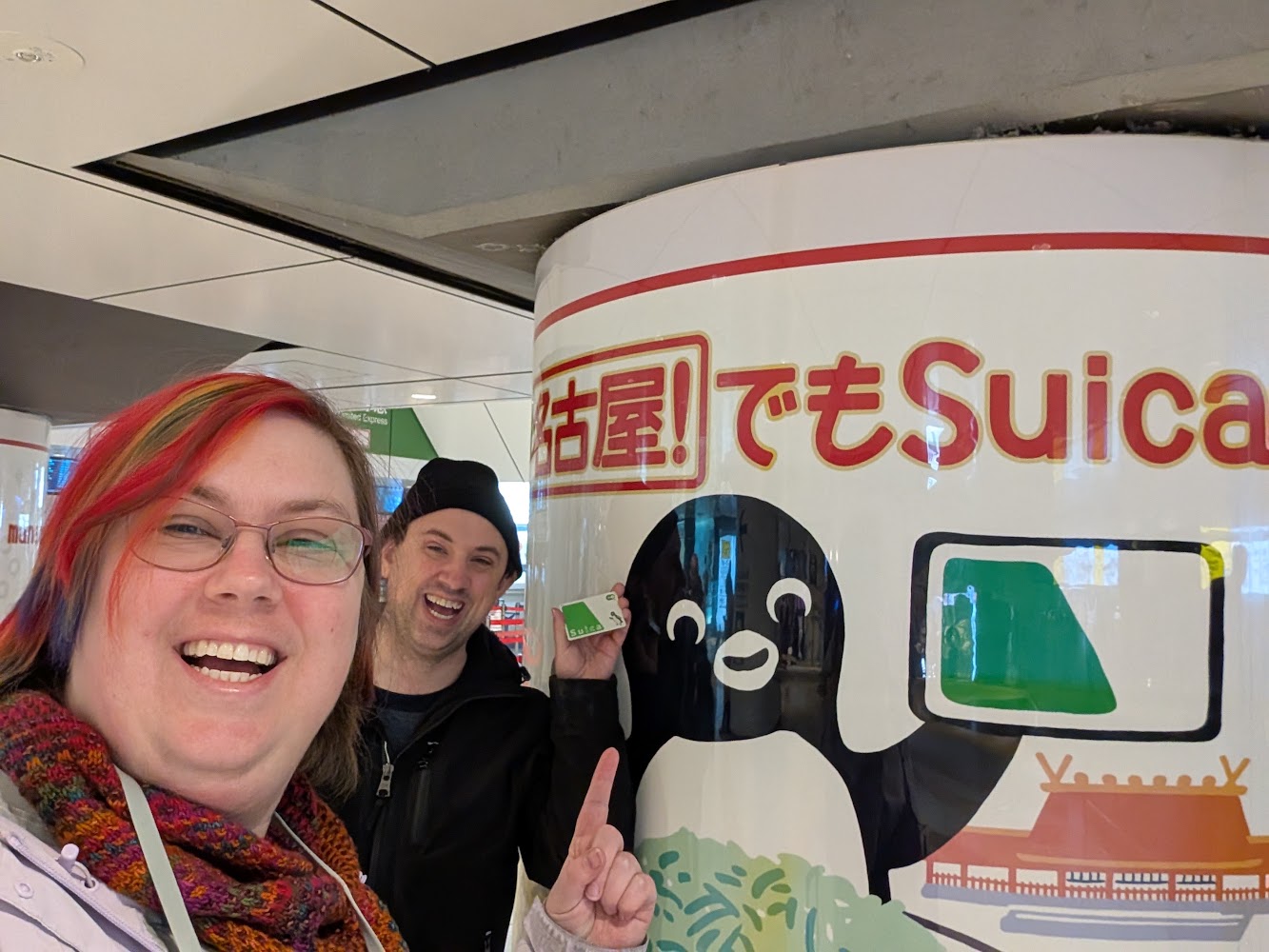
Before we took the shinkansen to Osaka, Andrew had to pose holding the Suica card like the Suica mascot. This iconic mascot is going to be retire soon, after decades of cheerful penguin smiles!
Andrew and Dad were very excited to see a Shinkansen train for the first time.
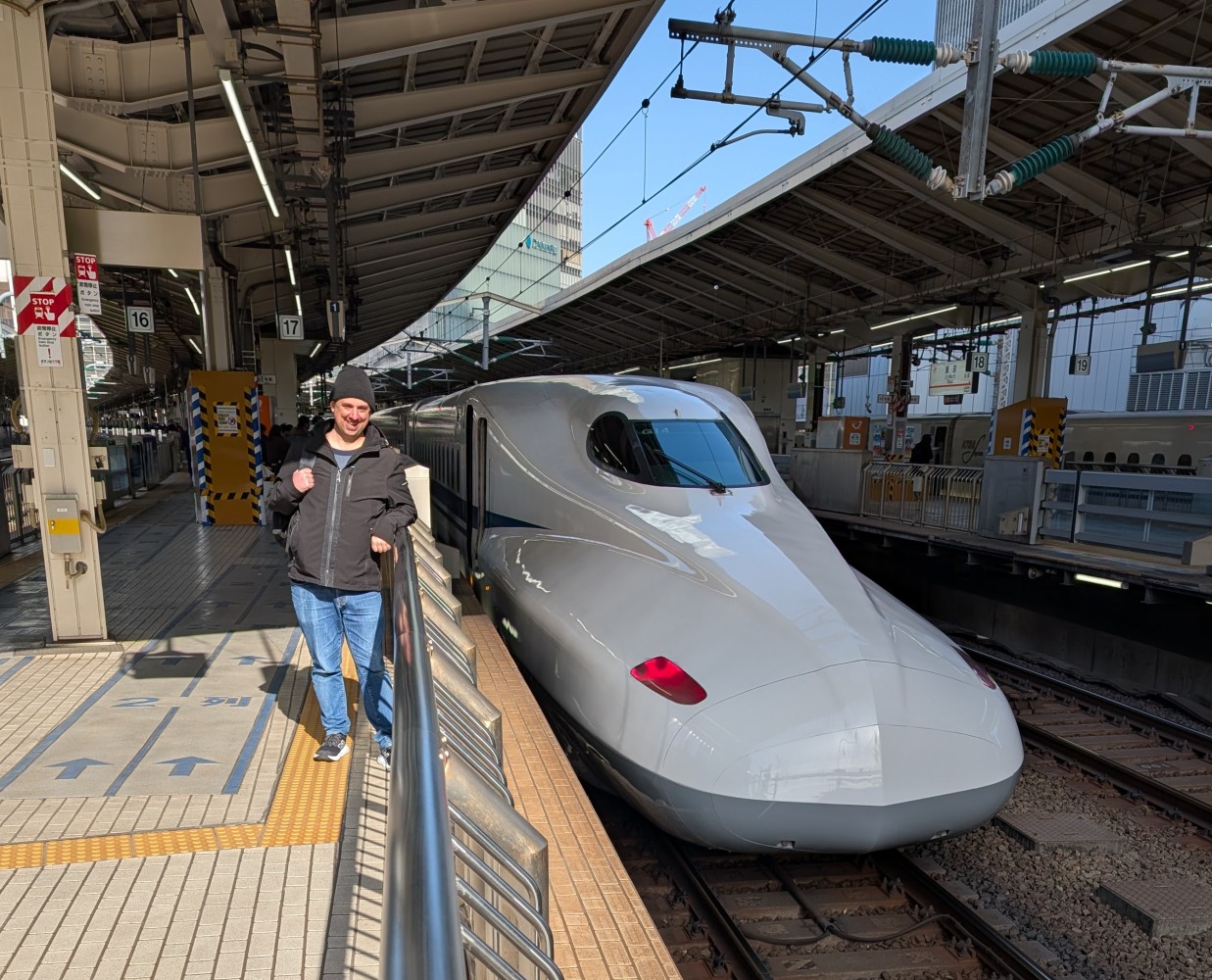
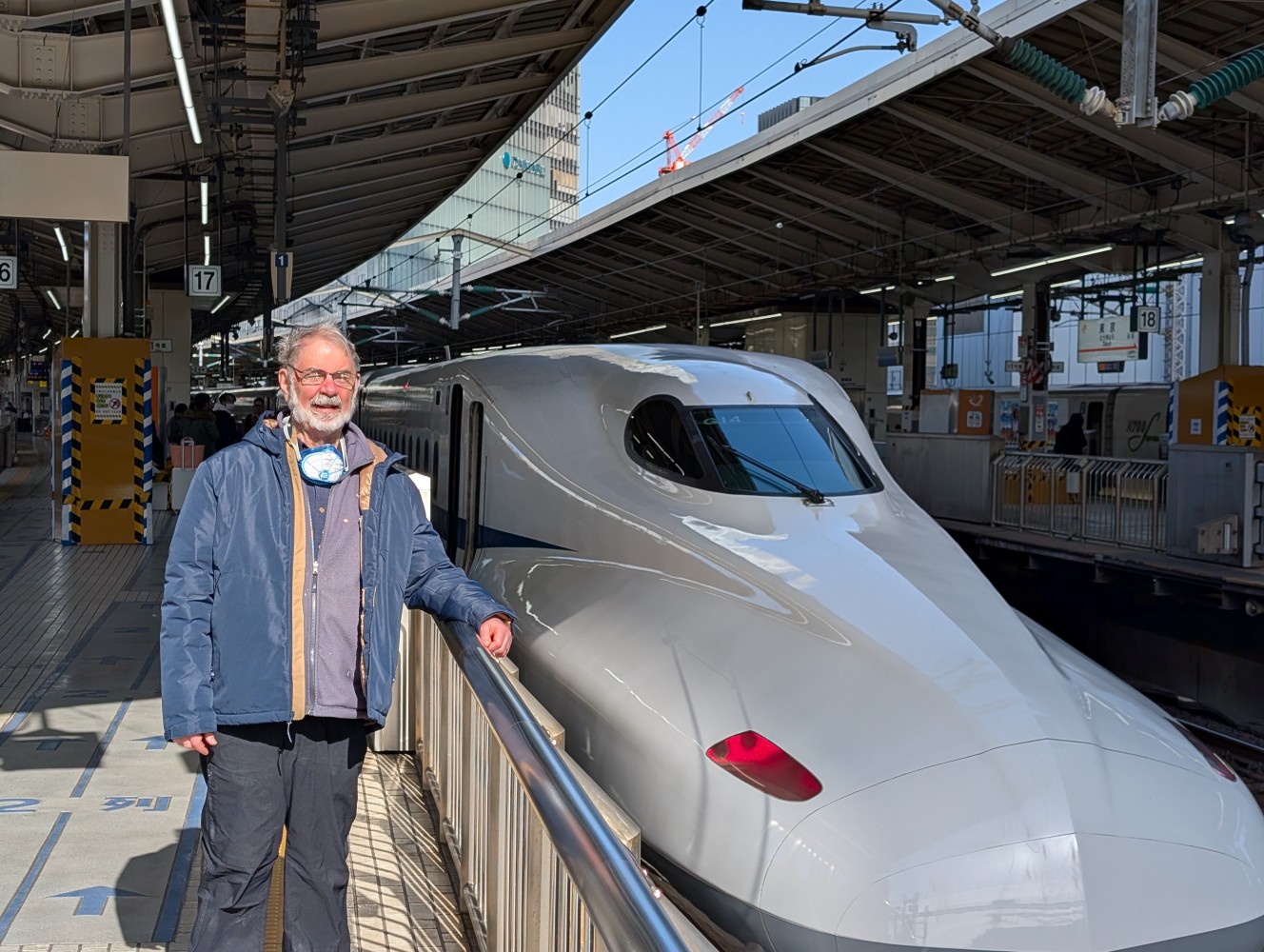
The train trip was beautiful!
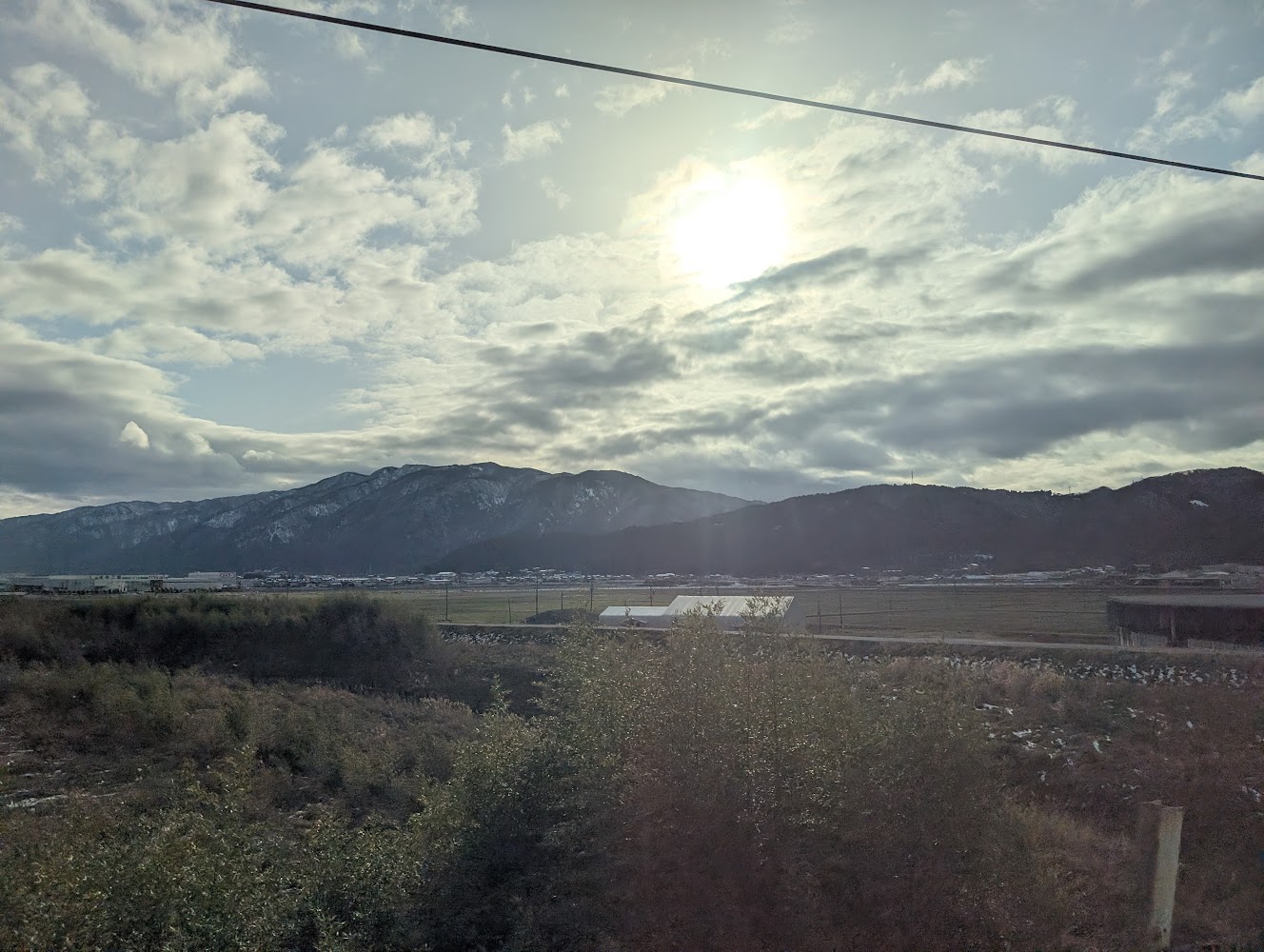
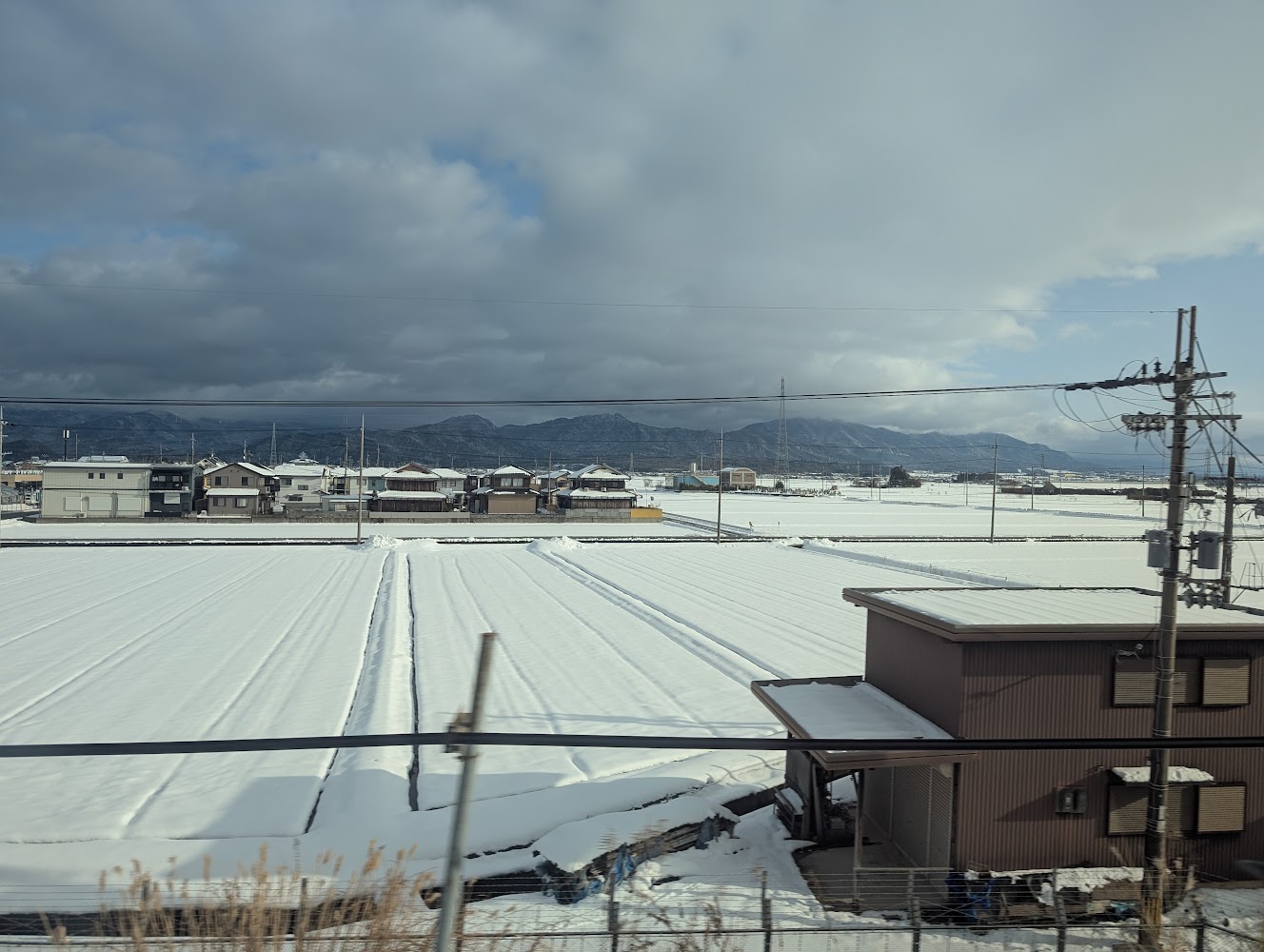
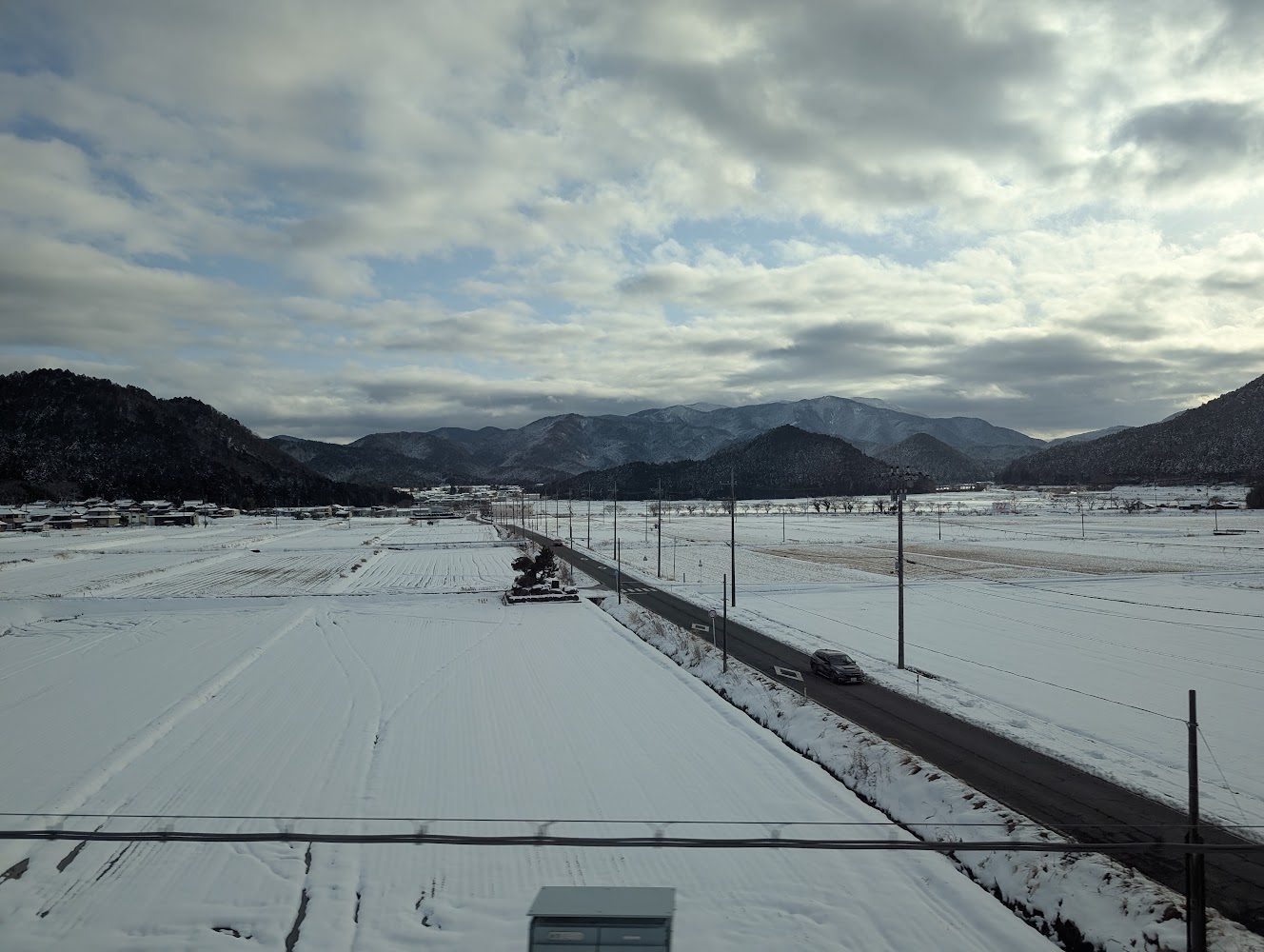
When we were planning the trip, Mom asked if it would snow and I confidently said "no!" and we didn't bring any snow gear. I was getting pretty nervous looking at all the snow out the window between Tokyo and Osaka! Fortunately there wasn't any snow in coastal Osaka, though it was quite chilly.
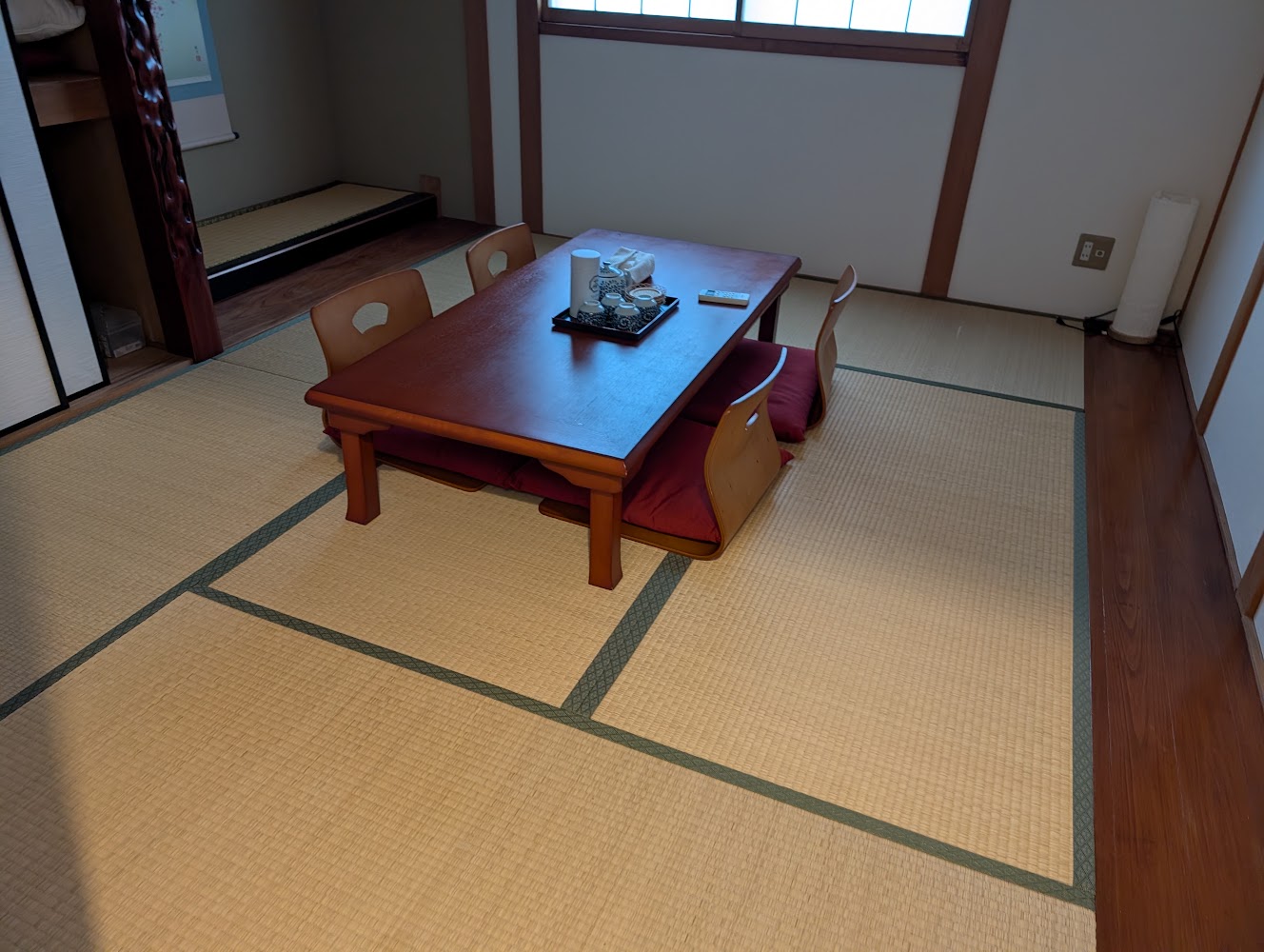
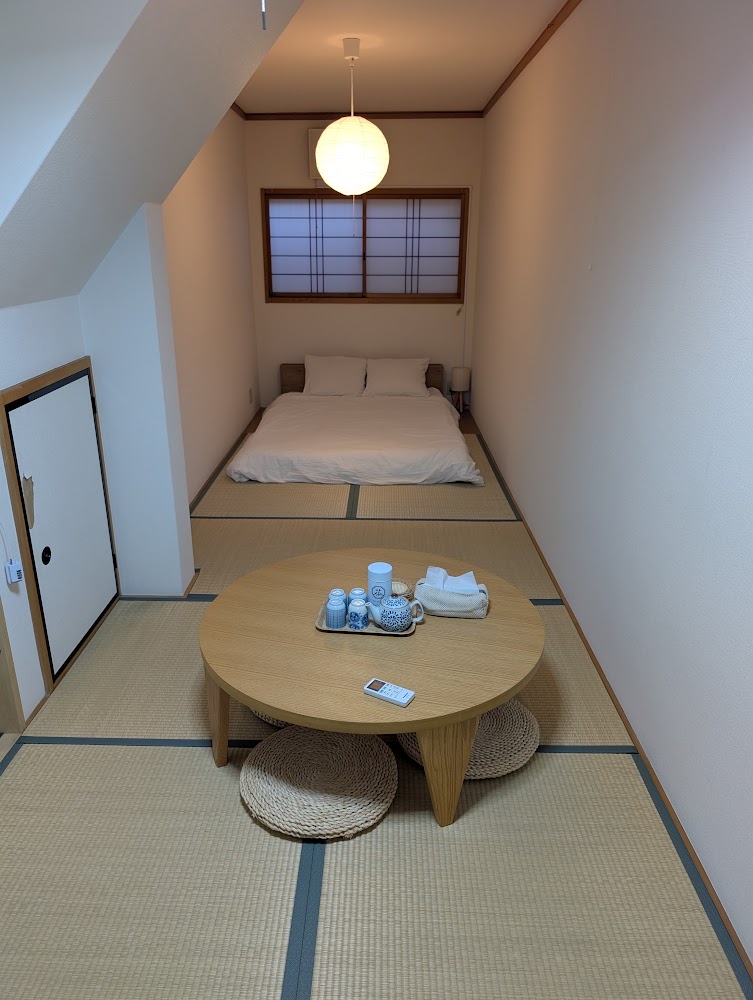
Since there were 5 of us, we mostly stayed in houses rather than hotels. This one was particularly charming, with multiple tatami room, though the stairs were alarmingly steep. Not all the rooms had tatami, but they're the only ones we took photos of.
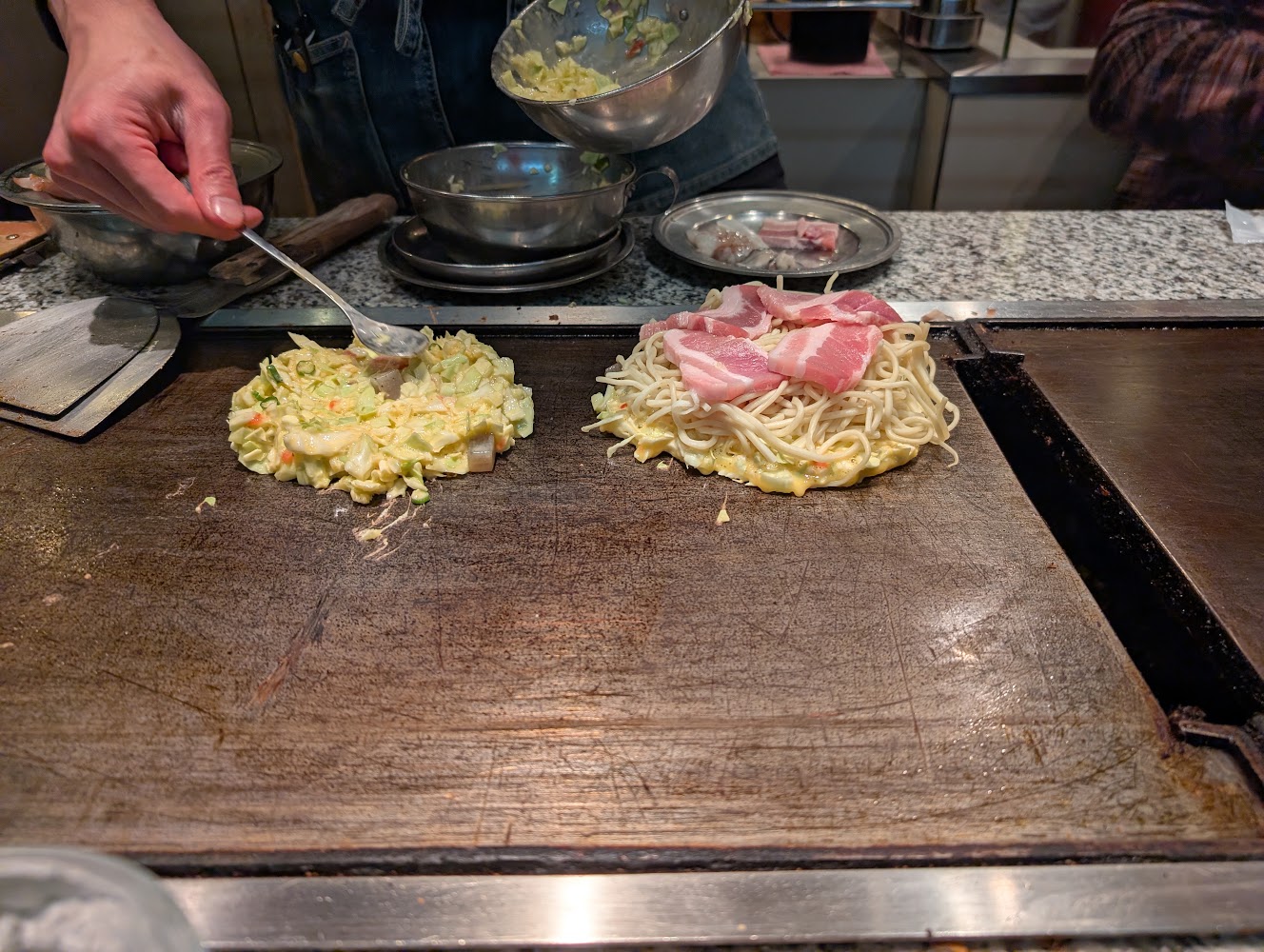
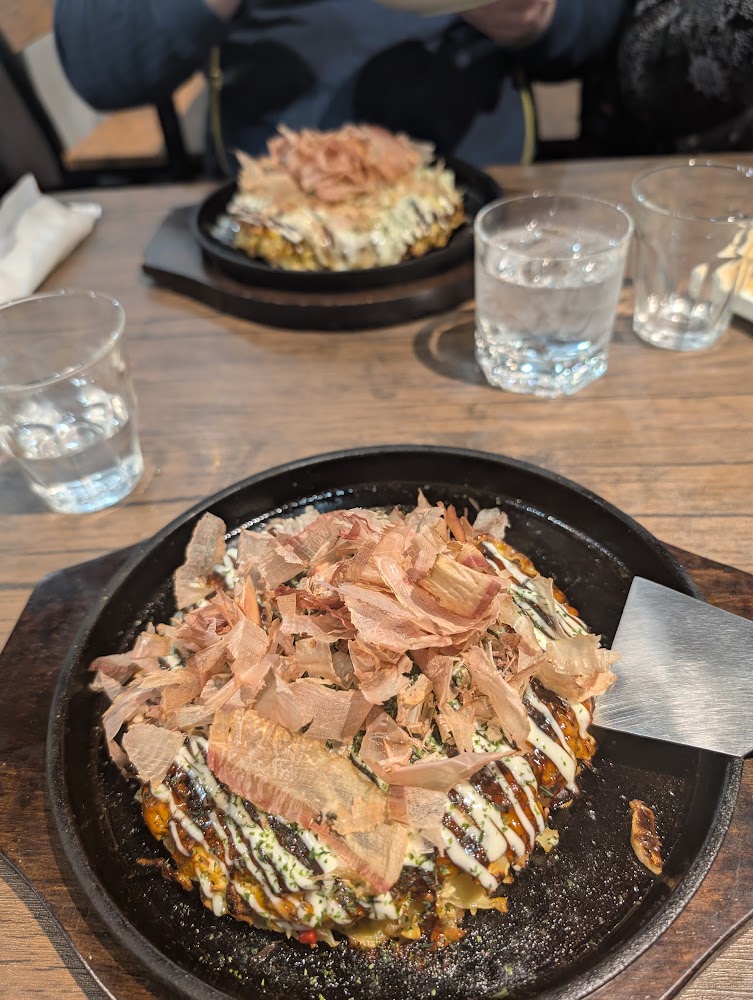
Right after we arrived I took them to Okonomiyaki Mizuno, a Michelin starred restaurant that we'd visited on our first trip. Last time we came, it was 30+ minute wait, they took your order in line, and it was ready when you sat down. This time, we walked up with 5 people and they could seat us immediately! I was very surprised, but I guess that's the benefit of visiting in the off season.
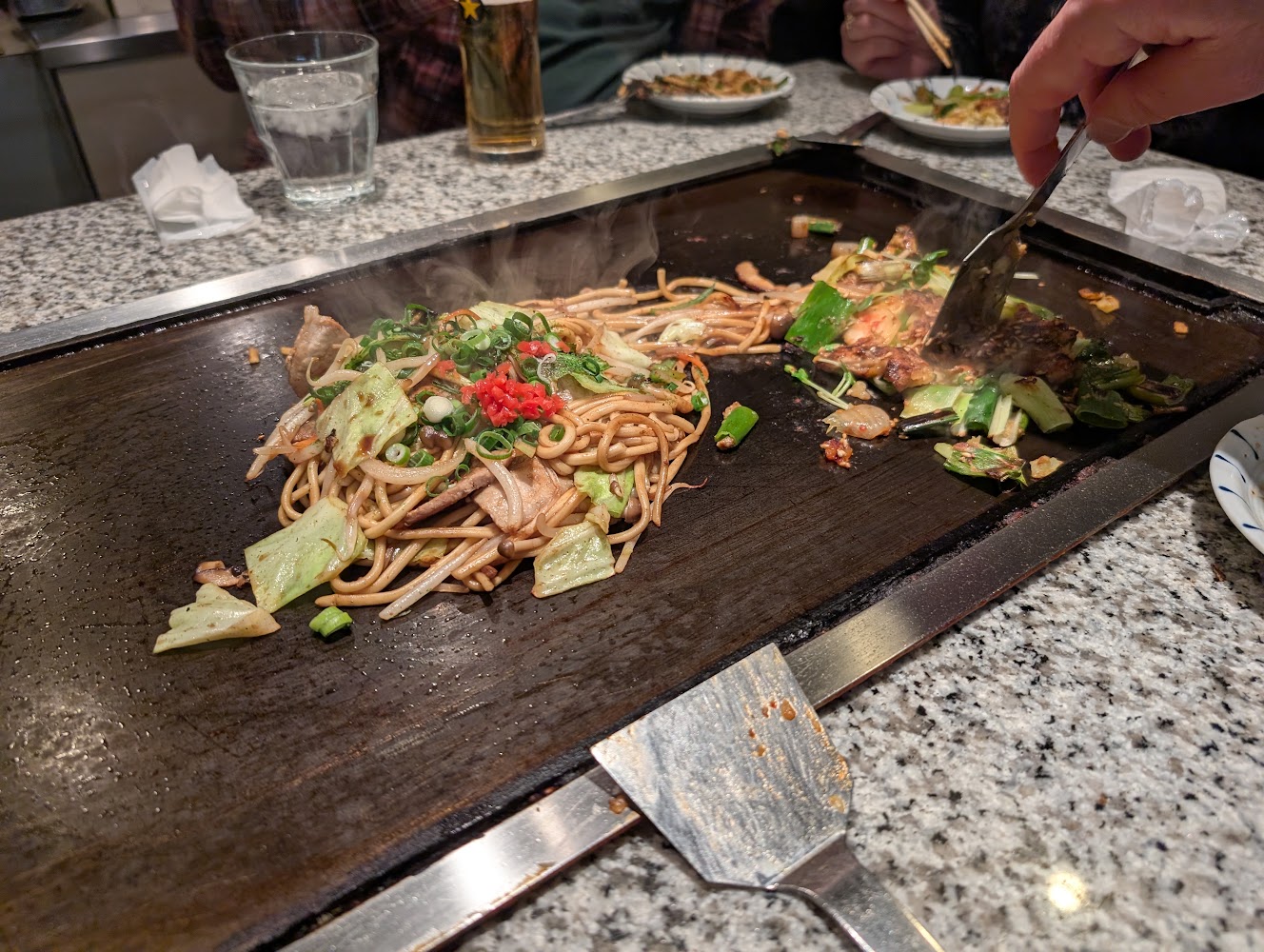
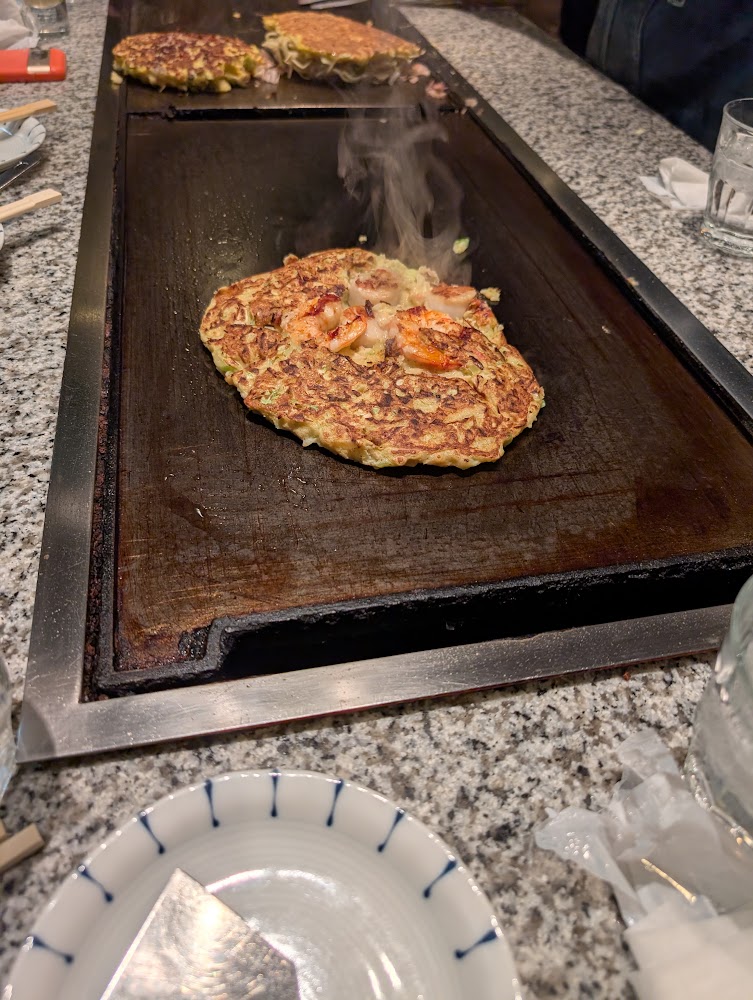
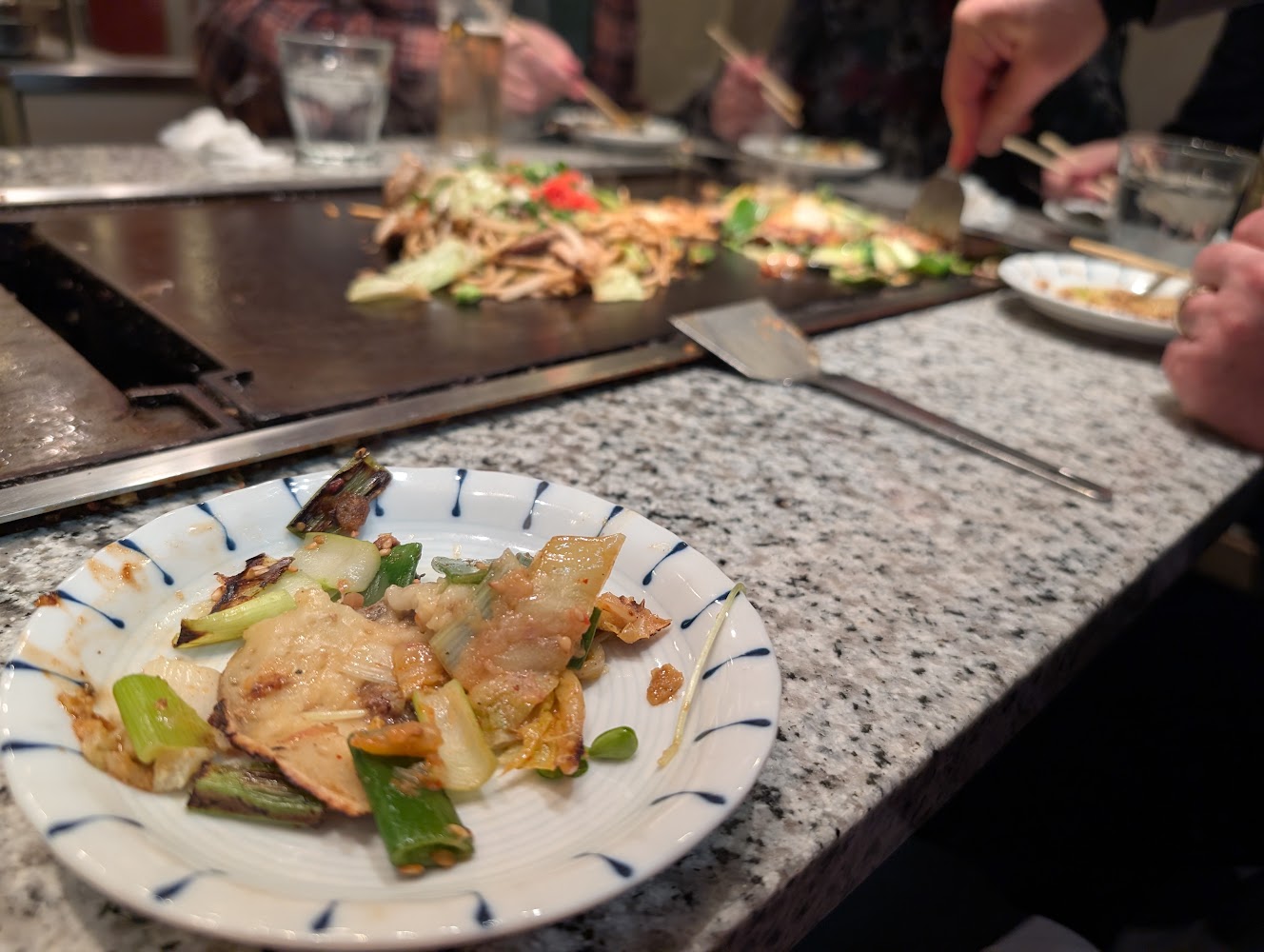
Okonomiyaki is sometimes called savoury Japanese pancakes. It's made of a batter and cabbage with a bunch of different toppings. We ordered several things to share, and they cooked it on the hot plate built into the table right in front of us. Delicious!
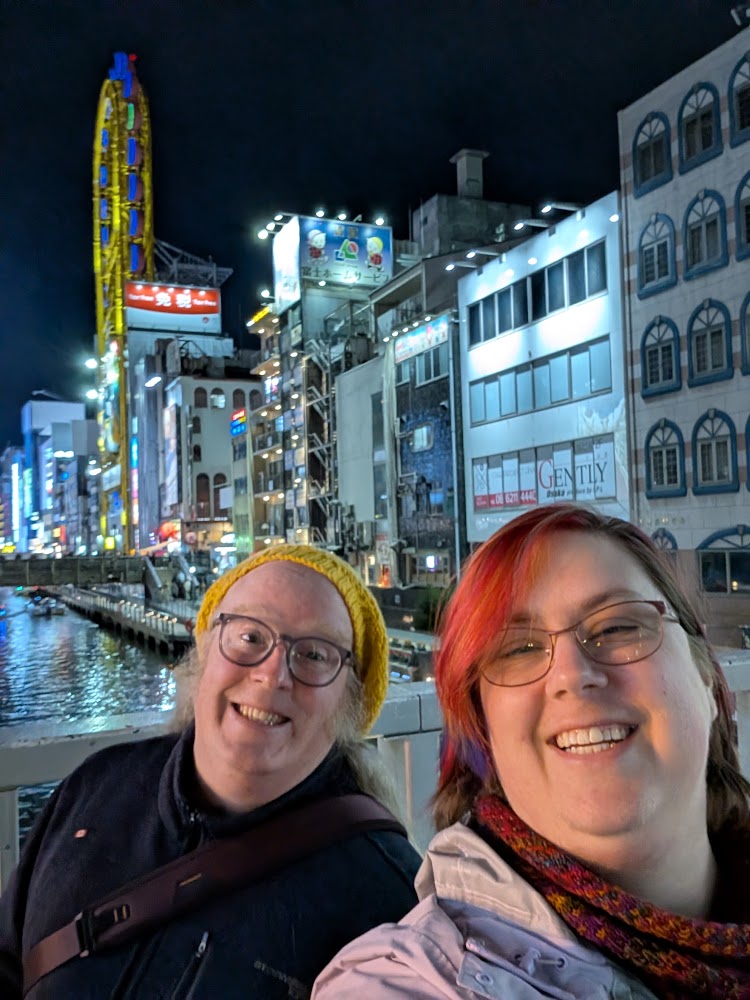
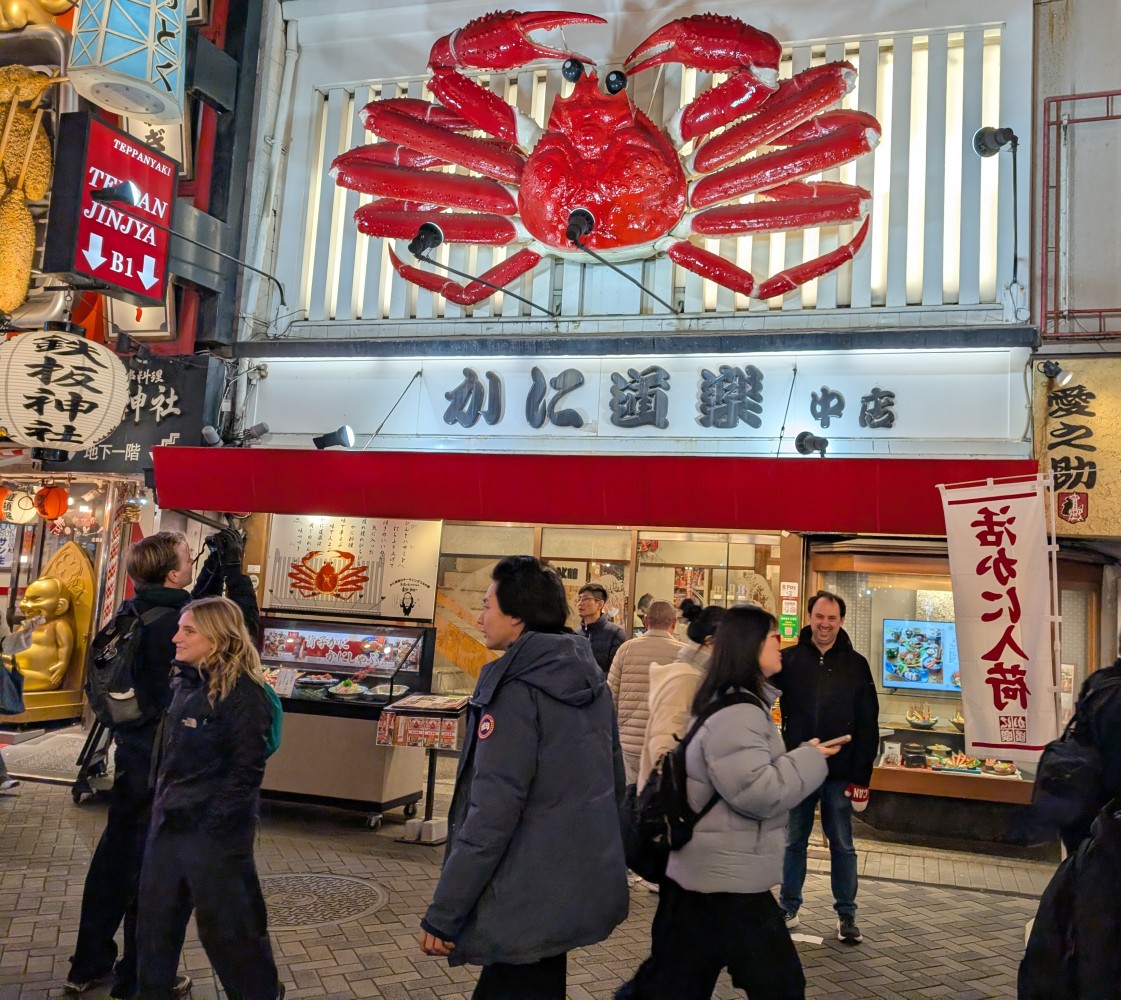
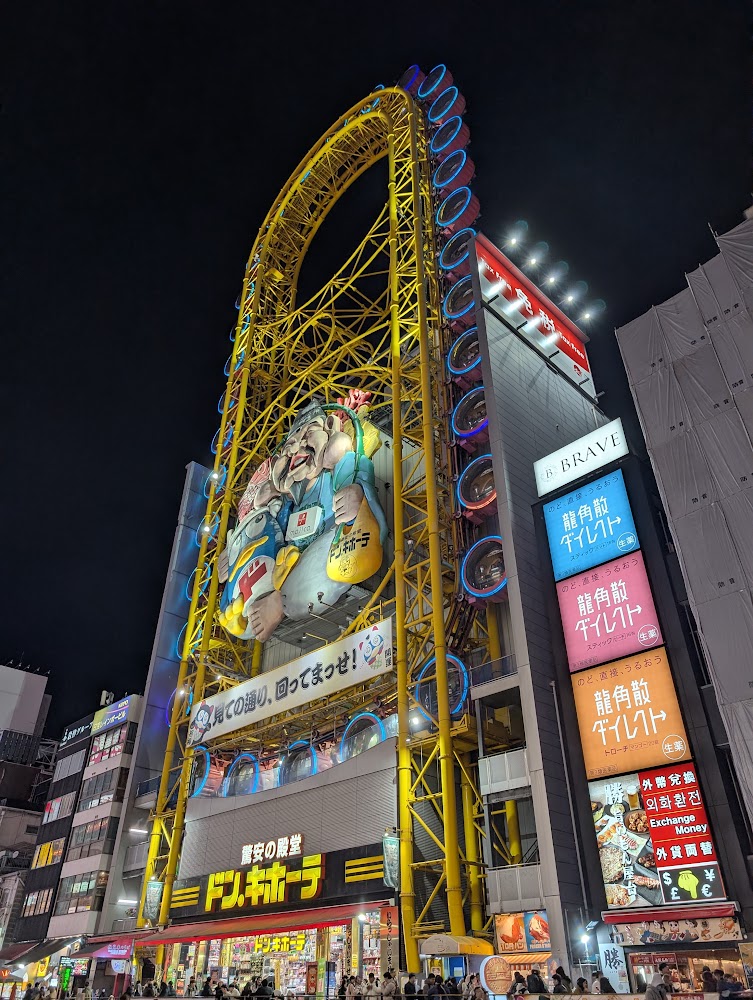
Afterwards we explored Dotonbori, the famous nightlife district with a canal running through it. It's full of bright lights, animatronic crabs, and even a ferris wheel!
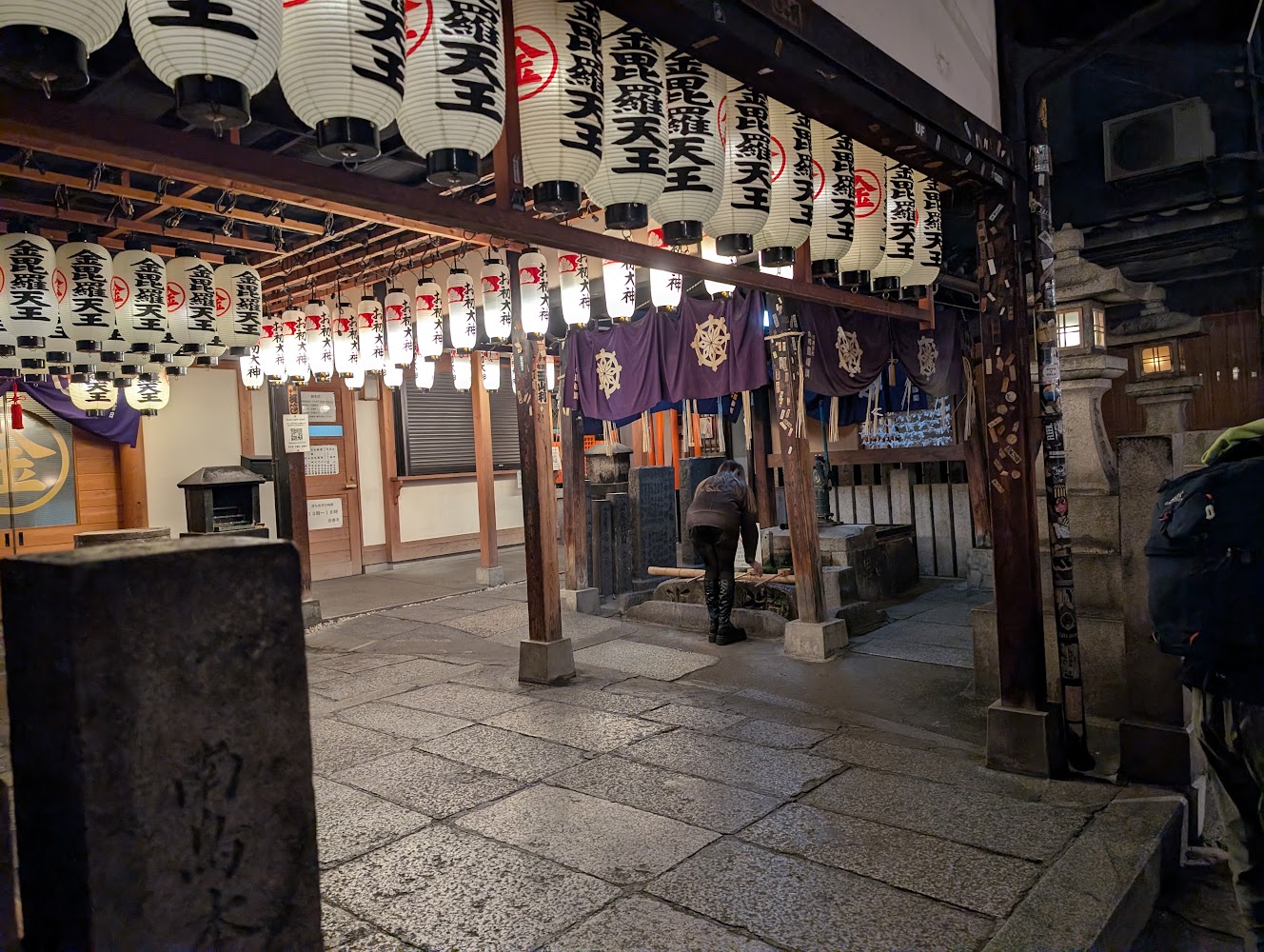
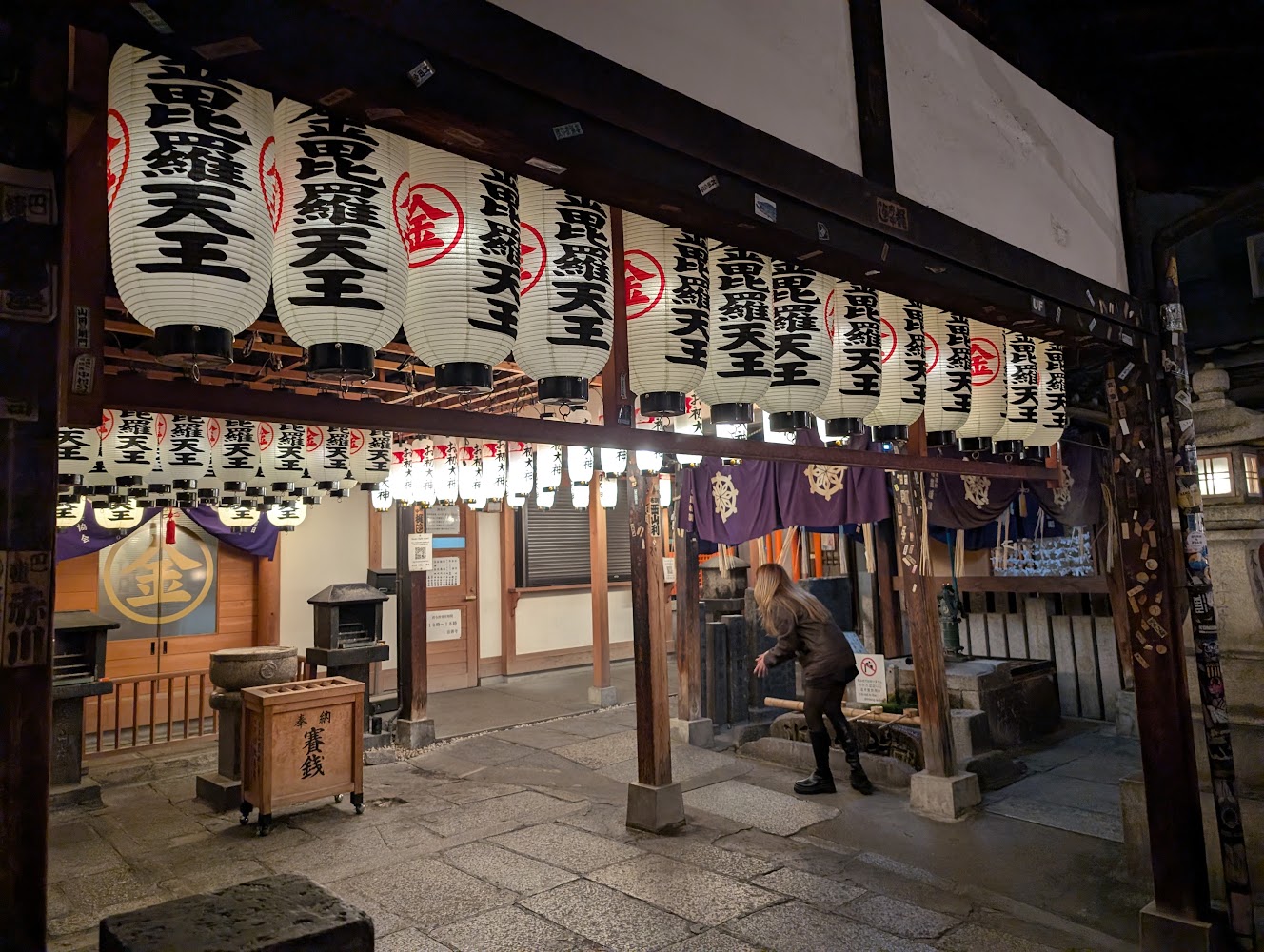
Even amid the bright lights and bustle, there were quiet side streets. Down a narrow alley lined with small restaurants, we found this small shrine, quiet and restful.
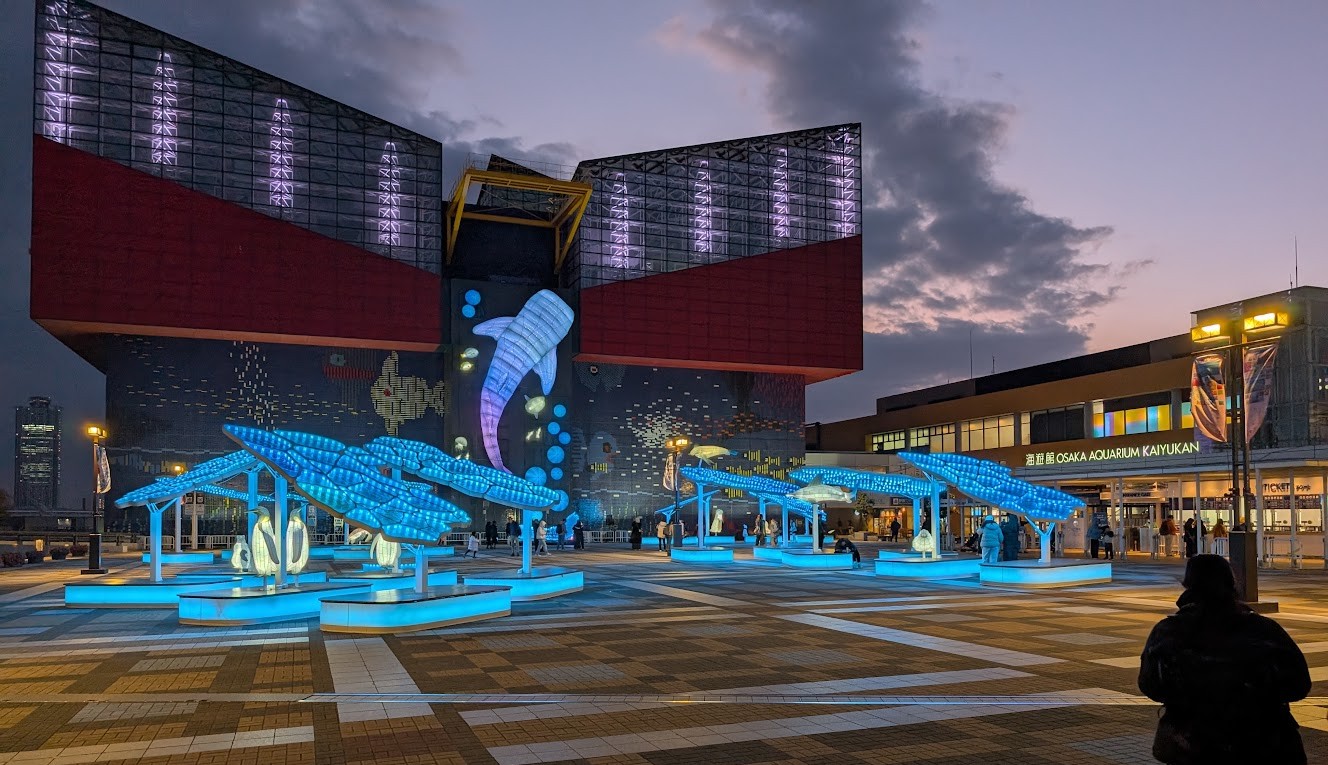
The next day we went to the Osaka Aquarium!
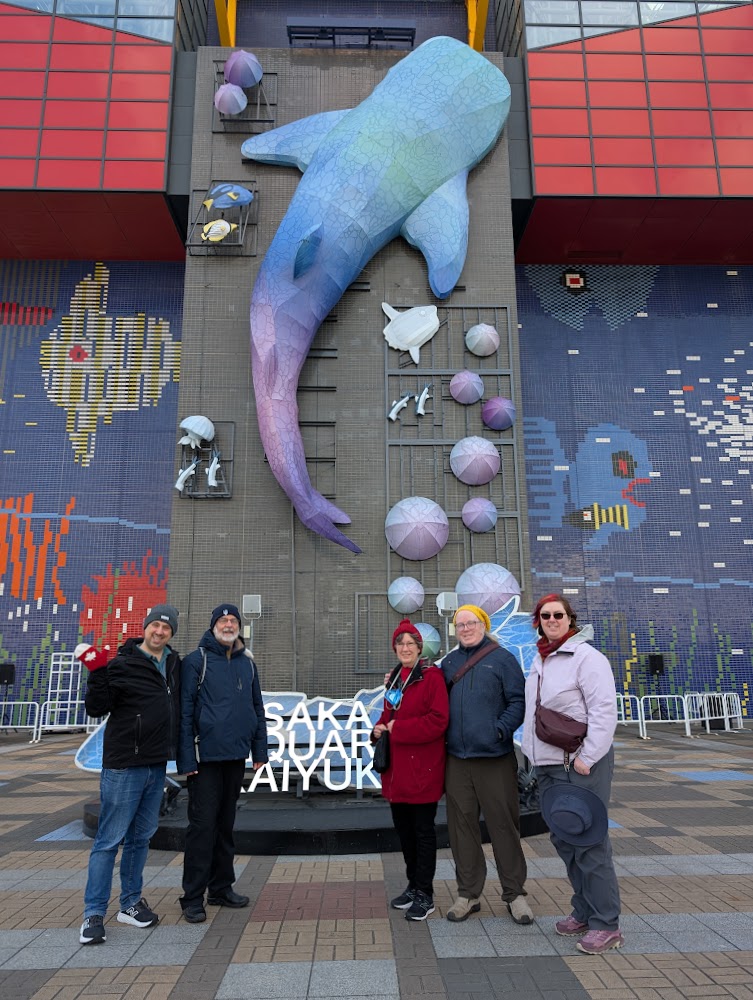
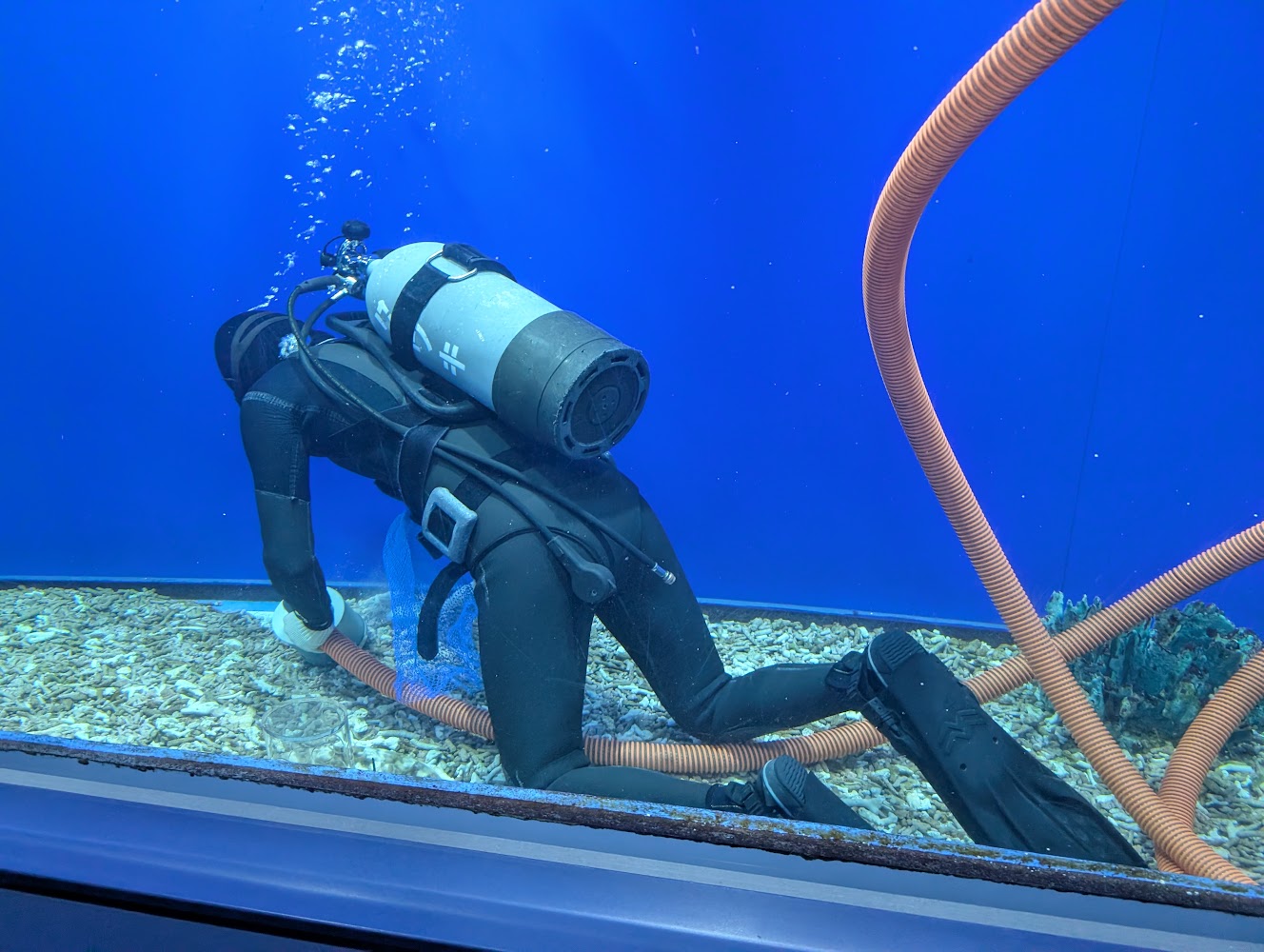
It's a world-class aquarium and an amazing experience. The entrance is through a tunnel with tropical fish swimming over your head (and occasionally divers cleaning the tanks)
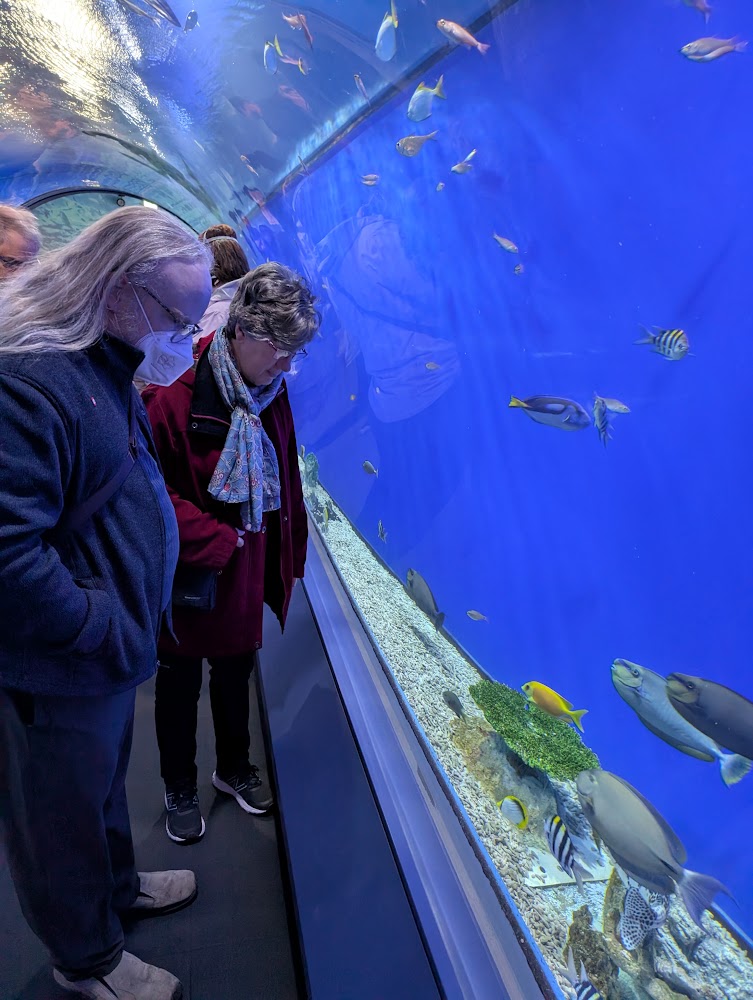
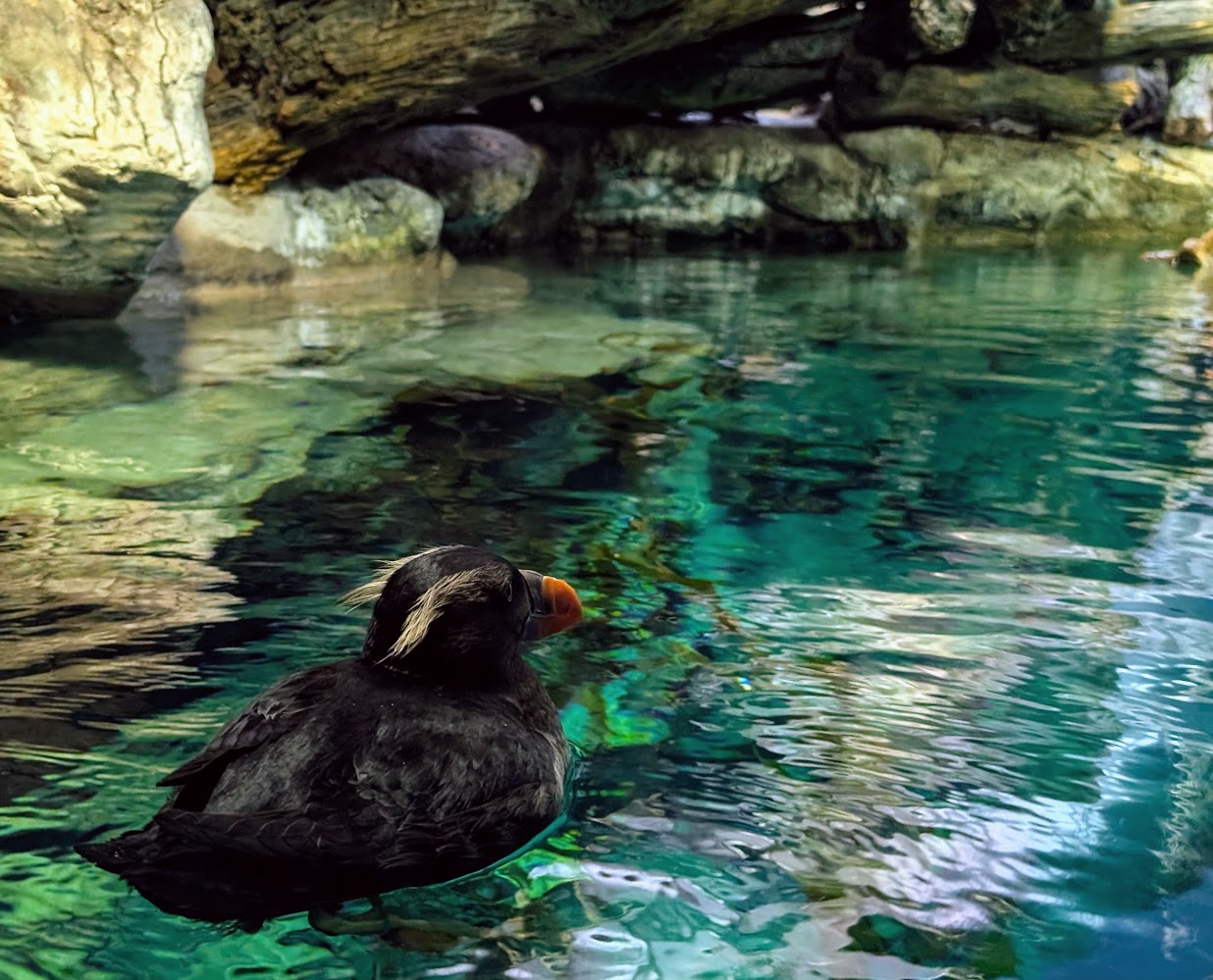
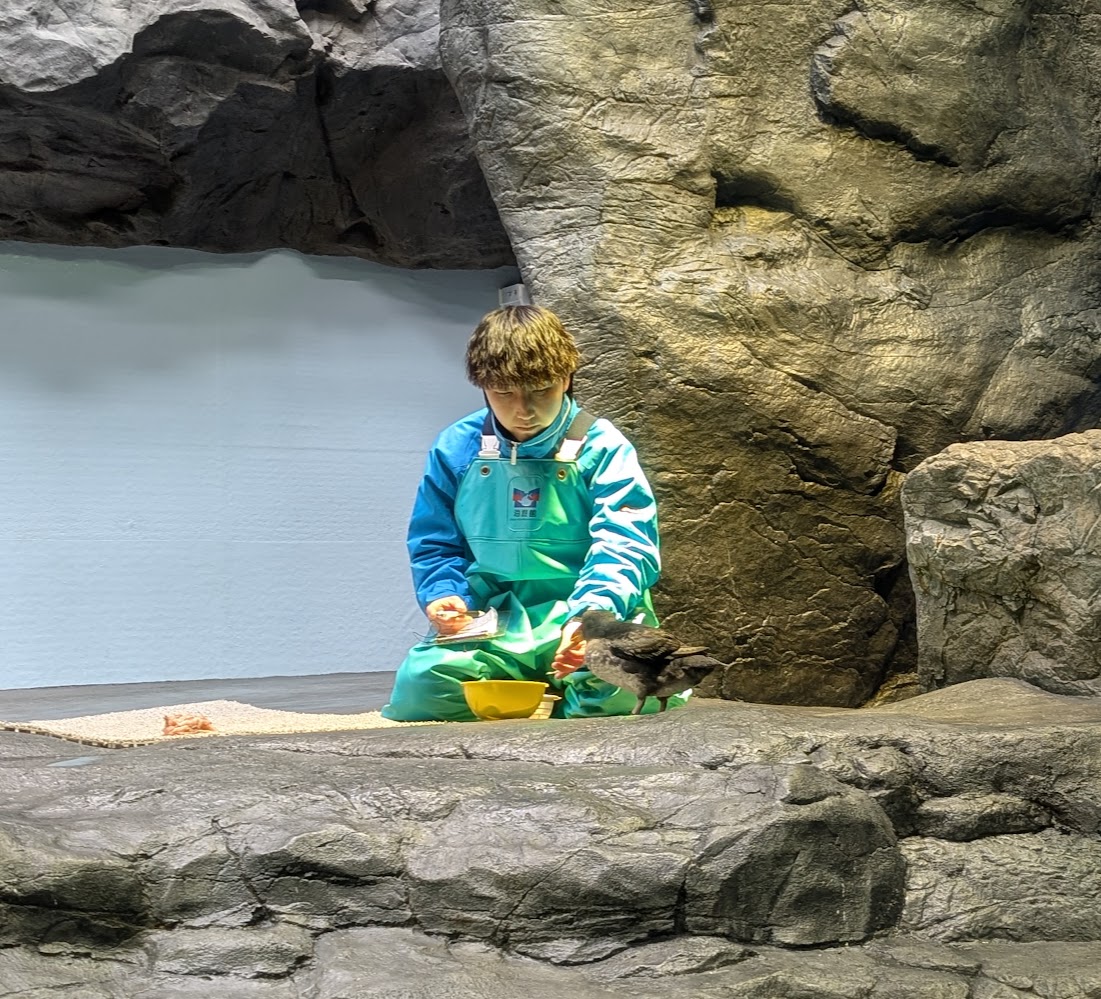
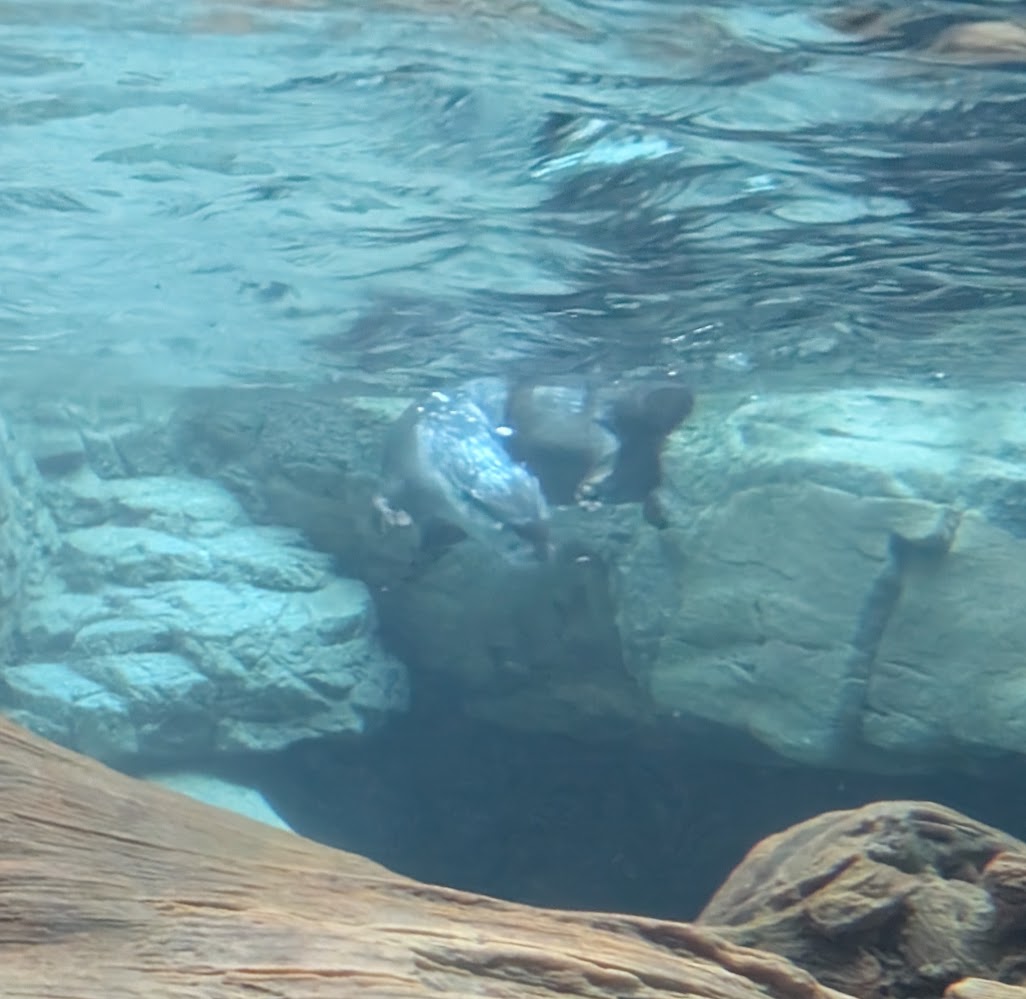
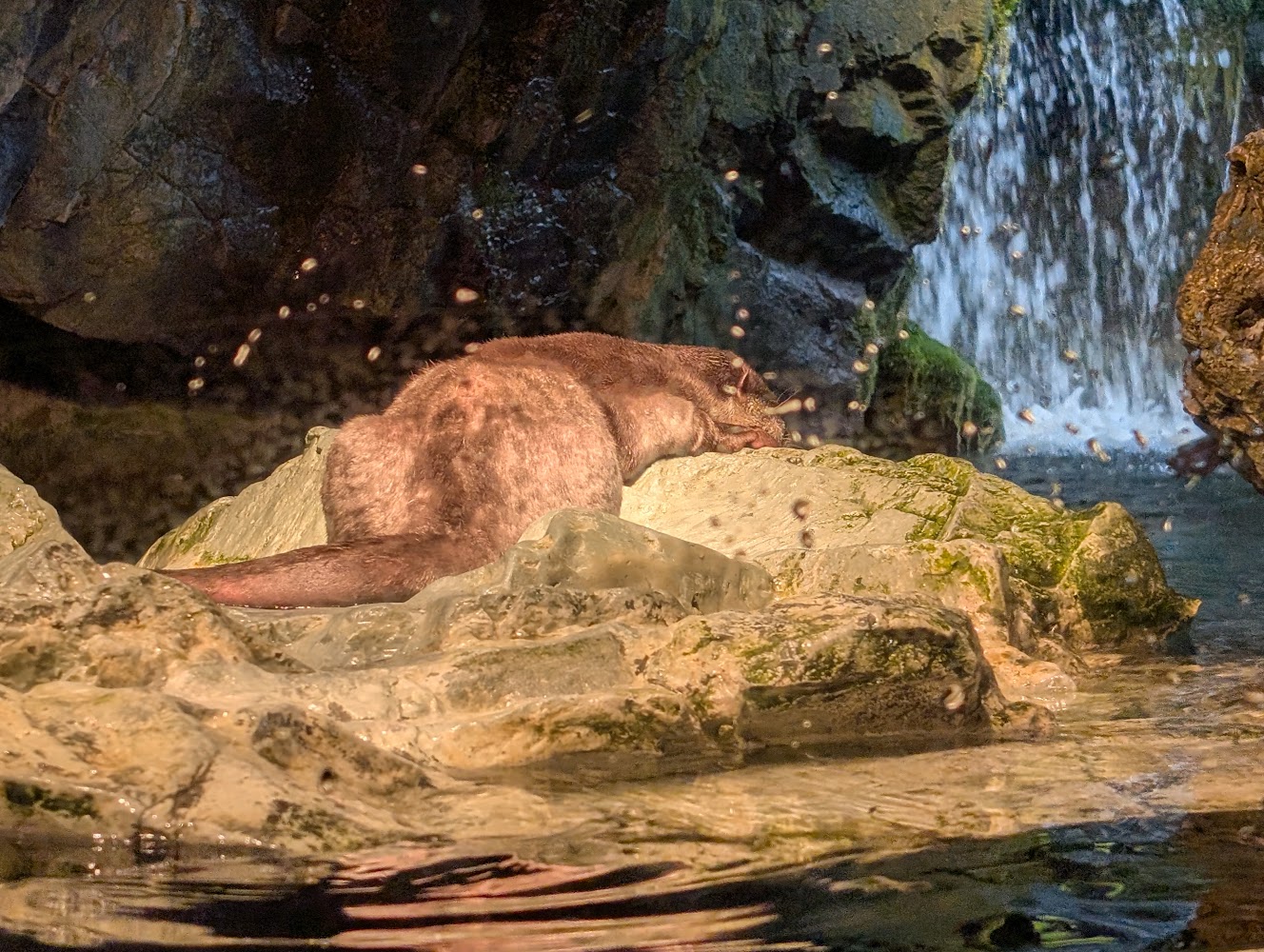
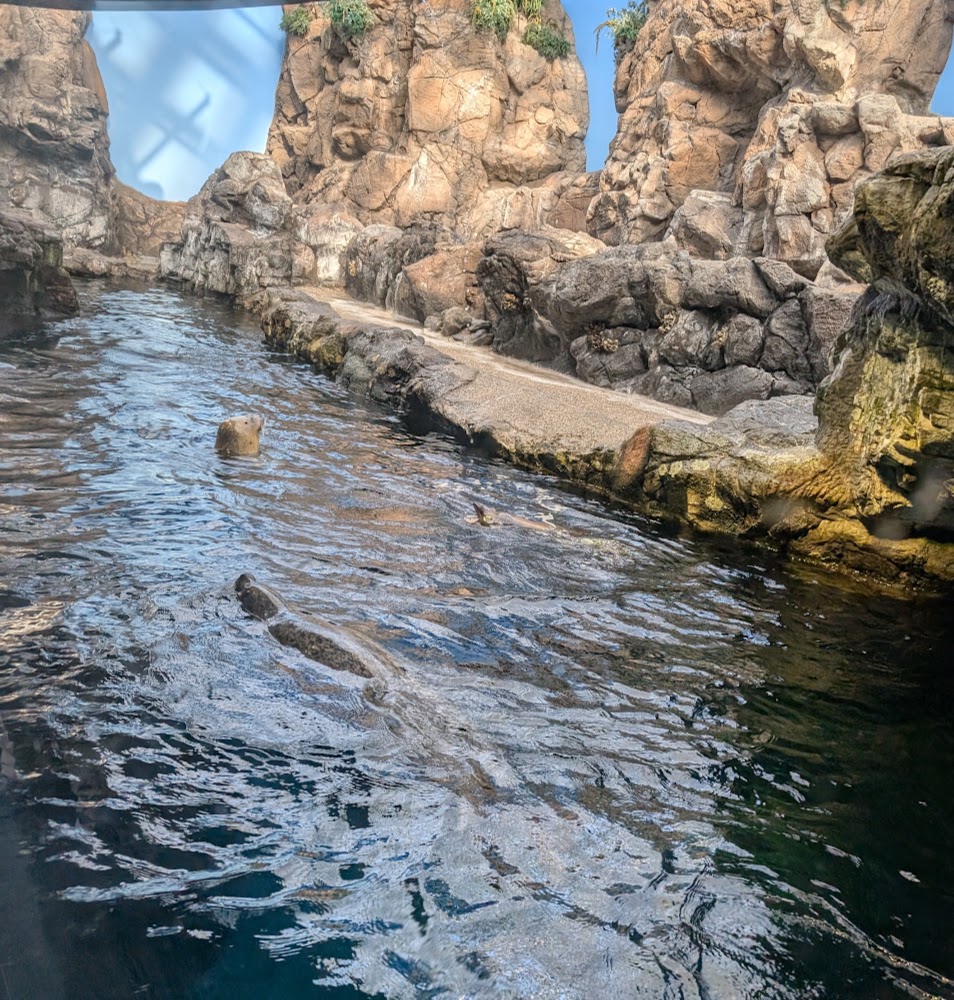
Then you go up a huge escalator to the top of the aquarium to wander back down through the first few exhibits - sea birds, otters, and seals.
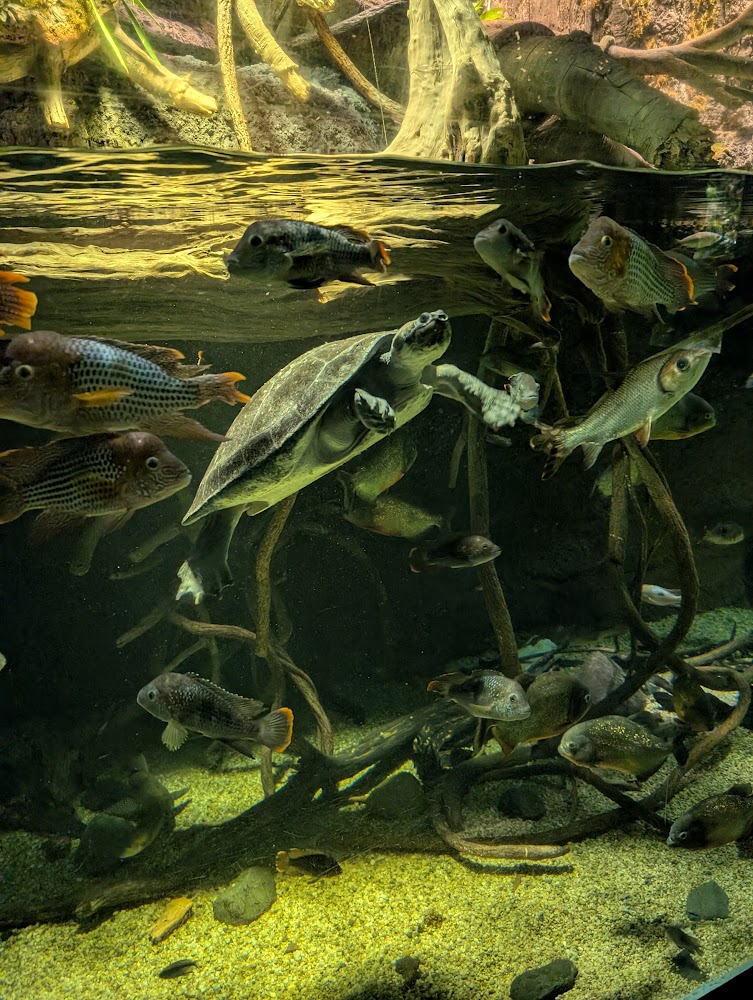
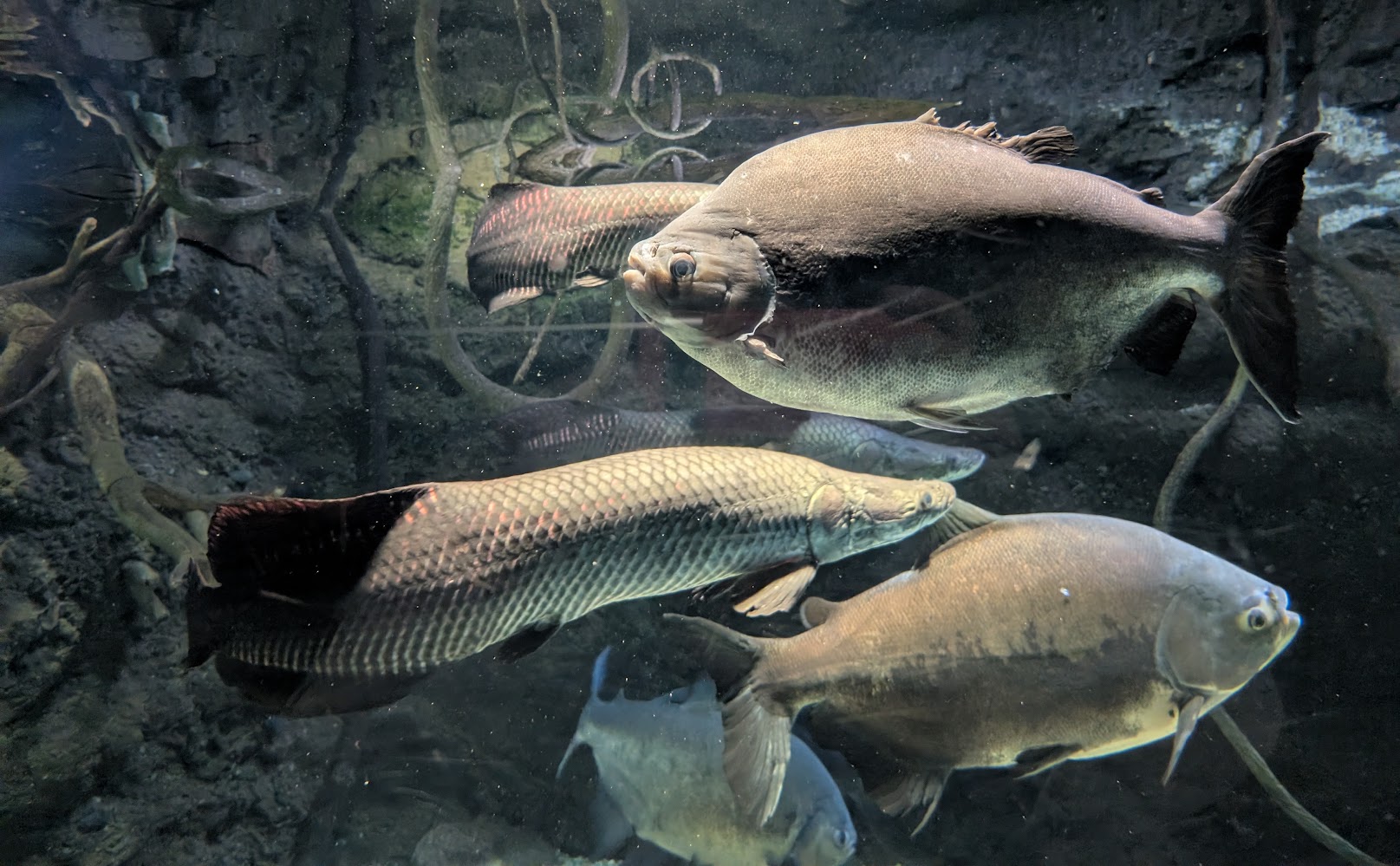
I liked the Amazon mangrove section because it had a bunch of fish I recognized from Animal Crossing, including the Arapaima. I learned that the Amazon River used to flow into the Pacific Ocean, until plate tectonics made it switch direction!
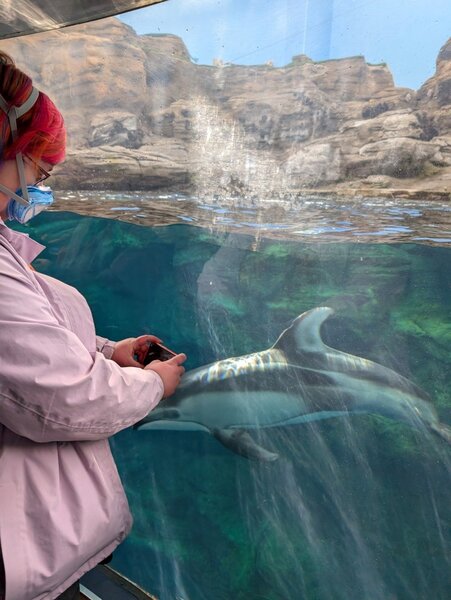
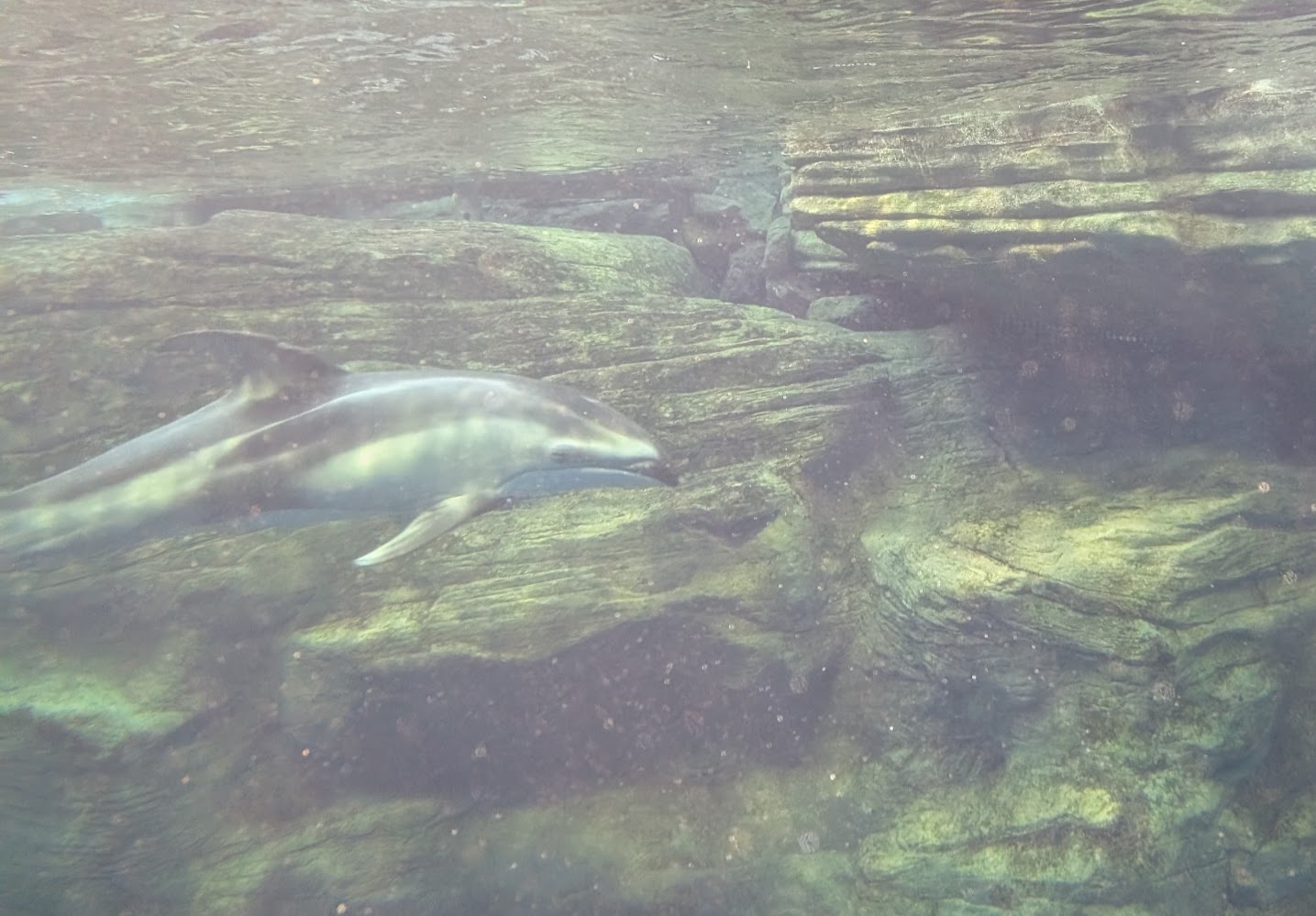
I was concerned that the dolphin tank was too small until we kept going through the aquarium and I realized that all the tanks are 4 storeys tall! They have lots of room to zoom and jump.
At the center of it all and the prime attraction: the open ocean tank!
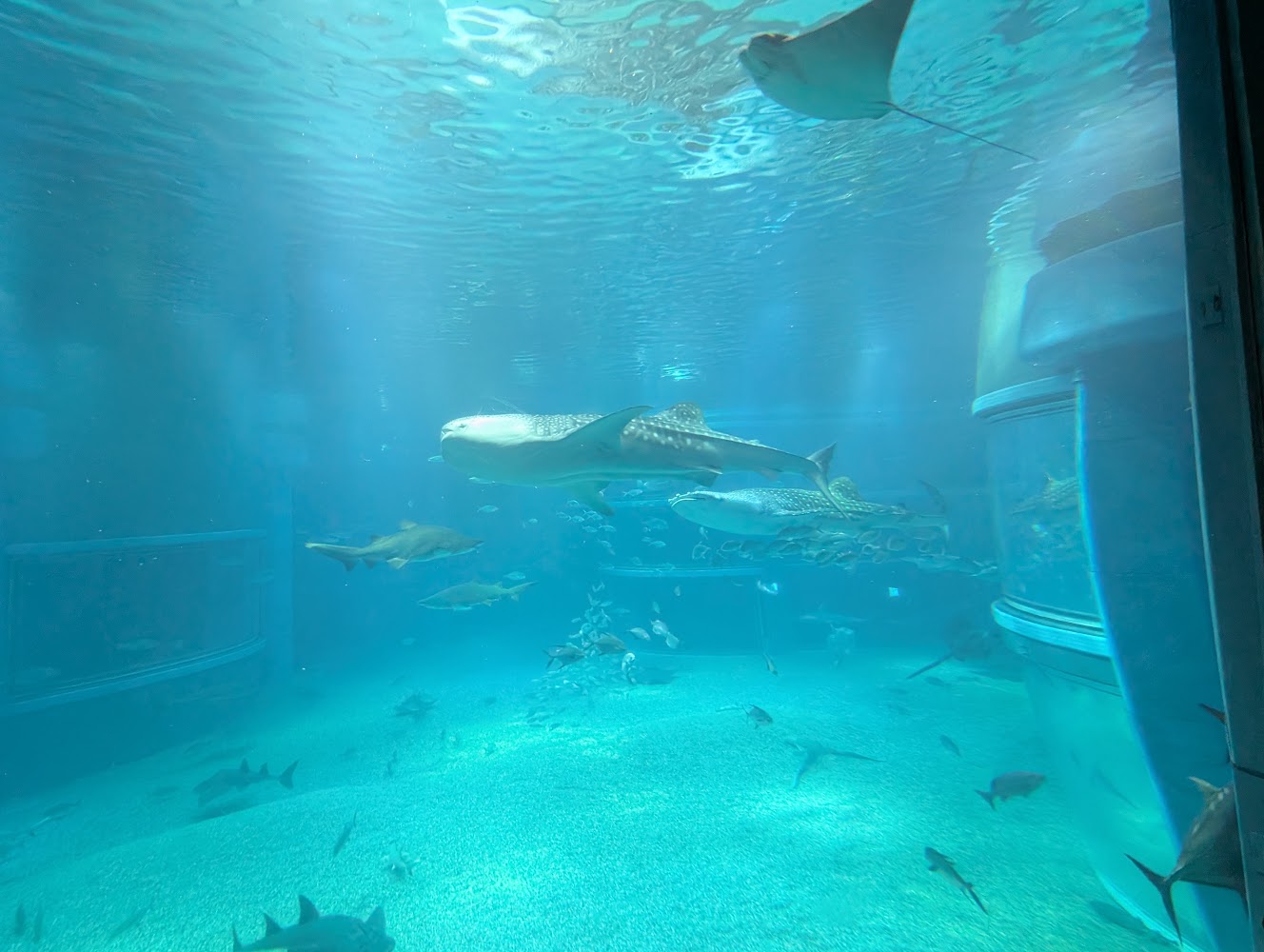
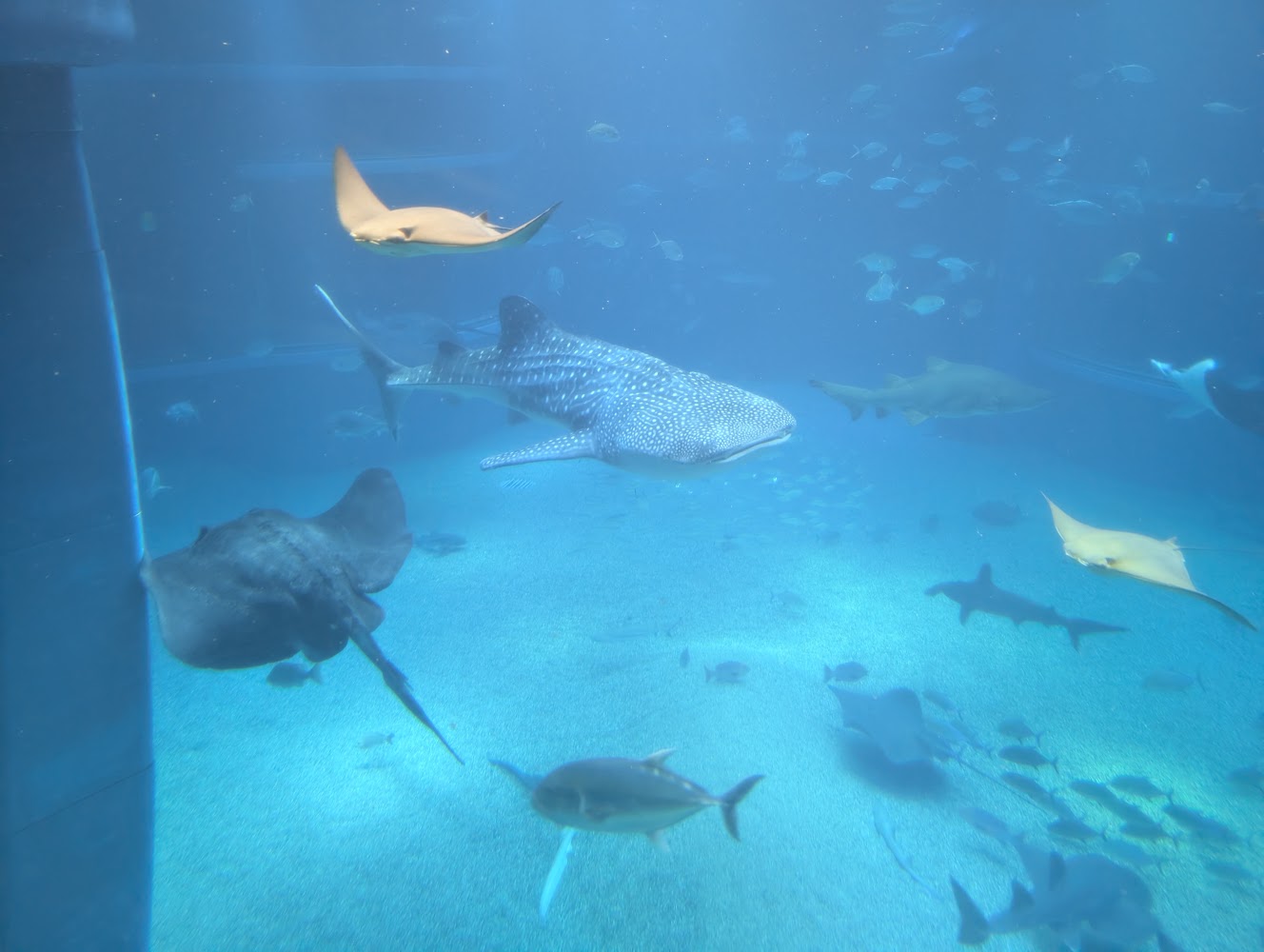
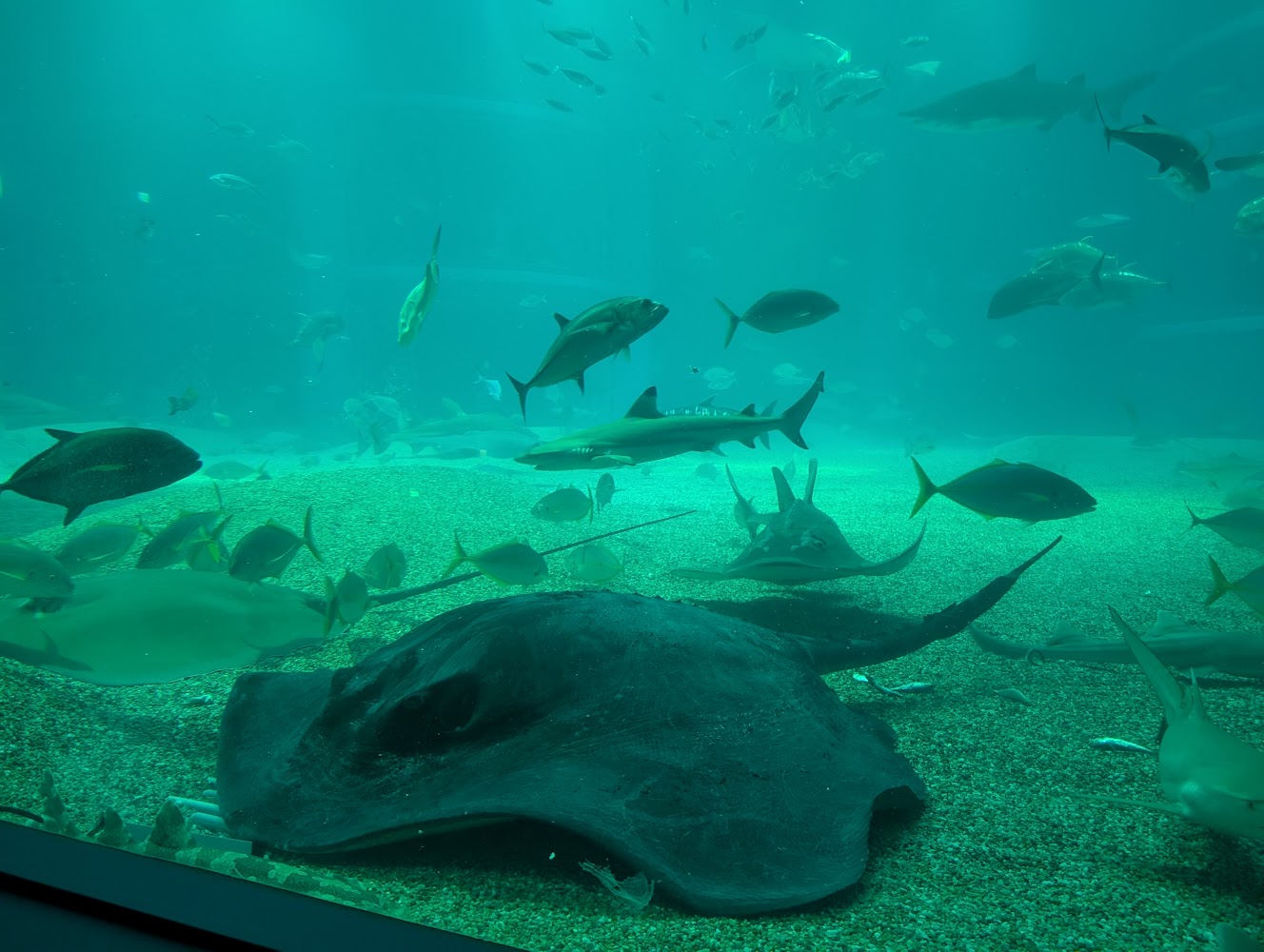
The whale shark is the flashiest critter in there - and the tank is so big that I initially missed there was a second whale shark too!
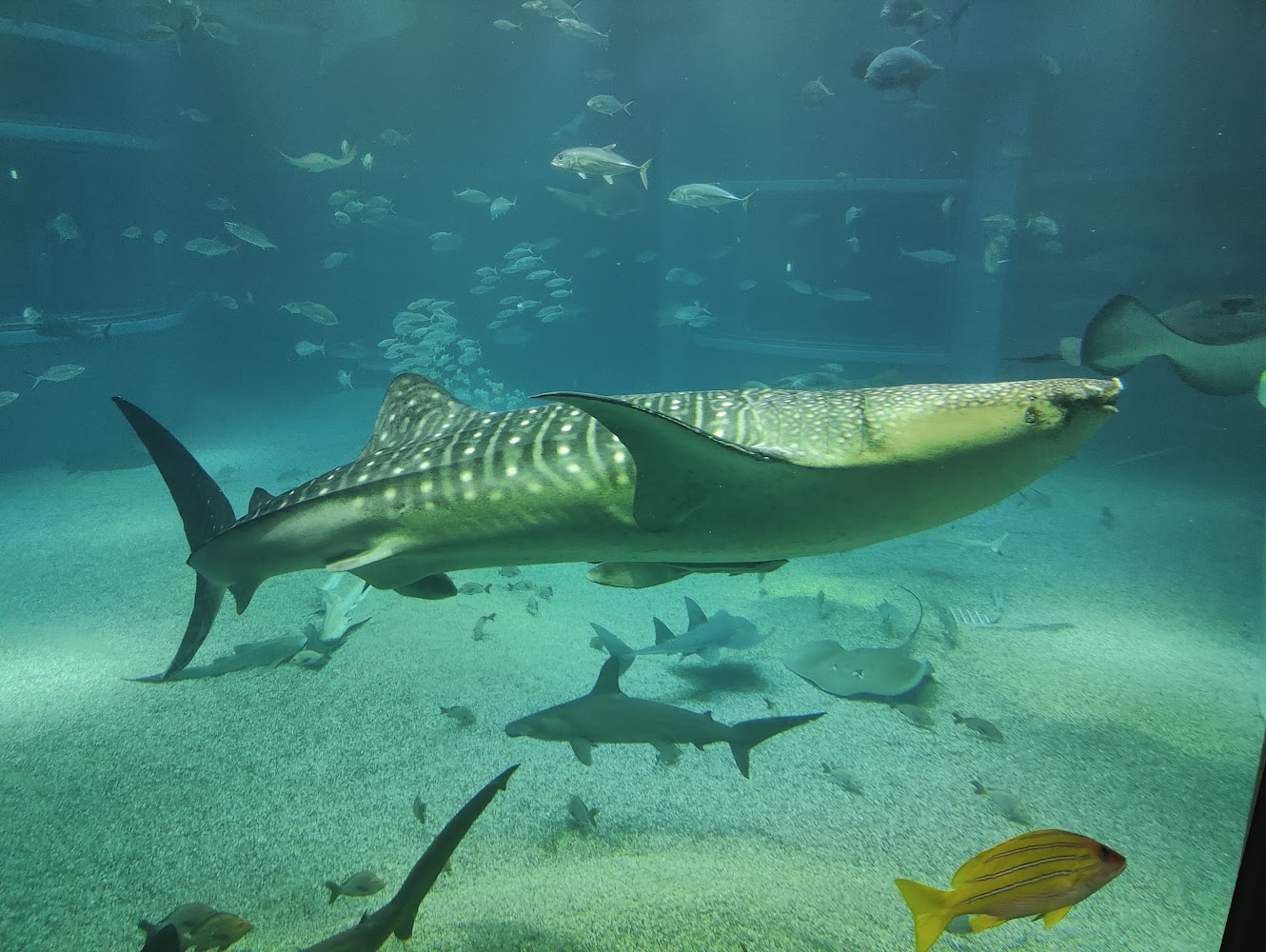
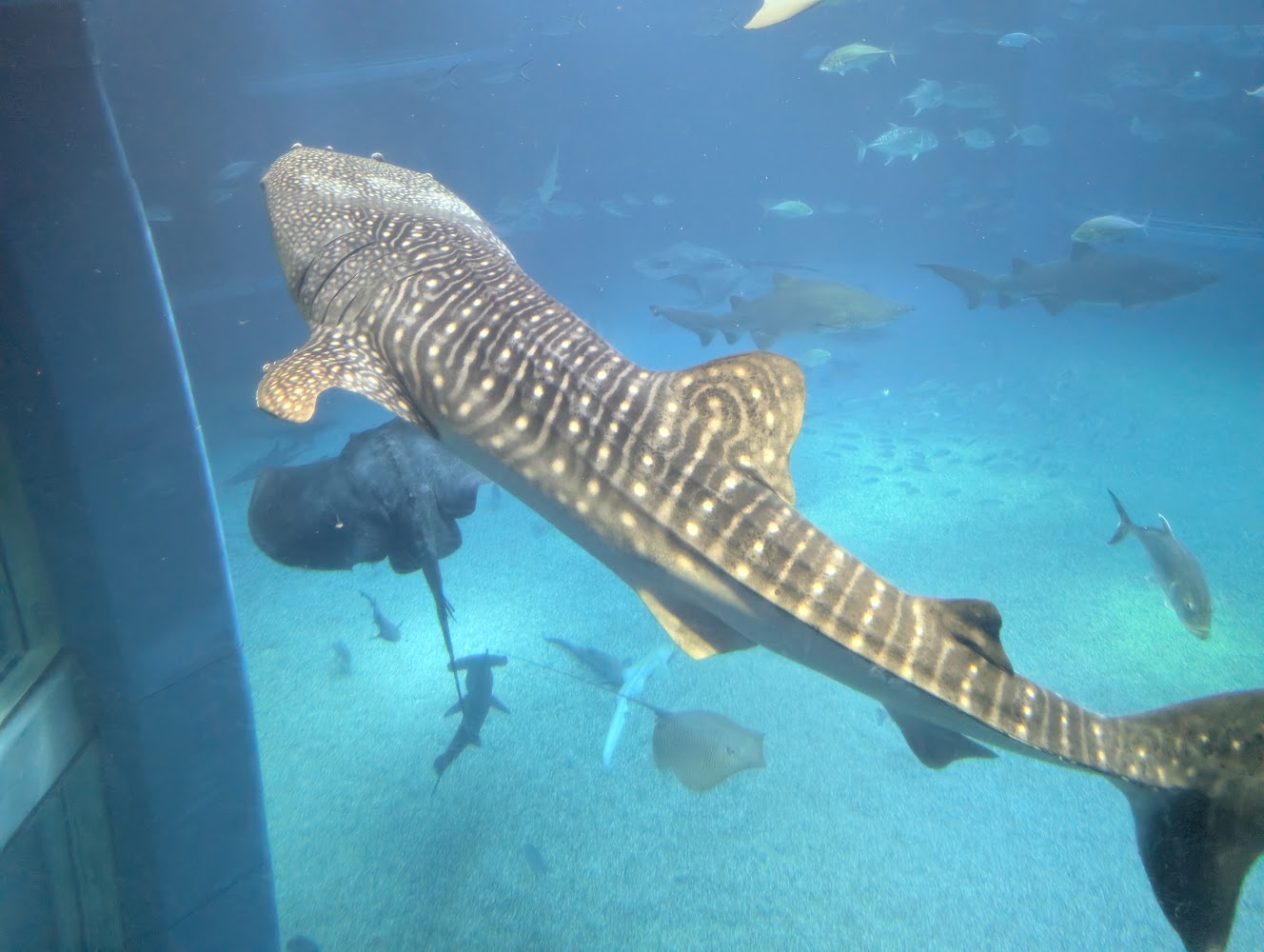
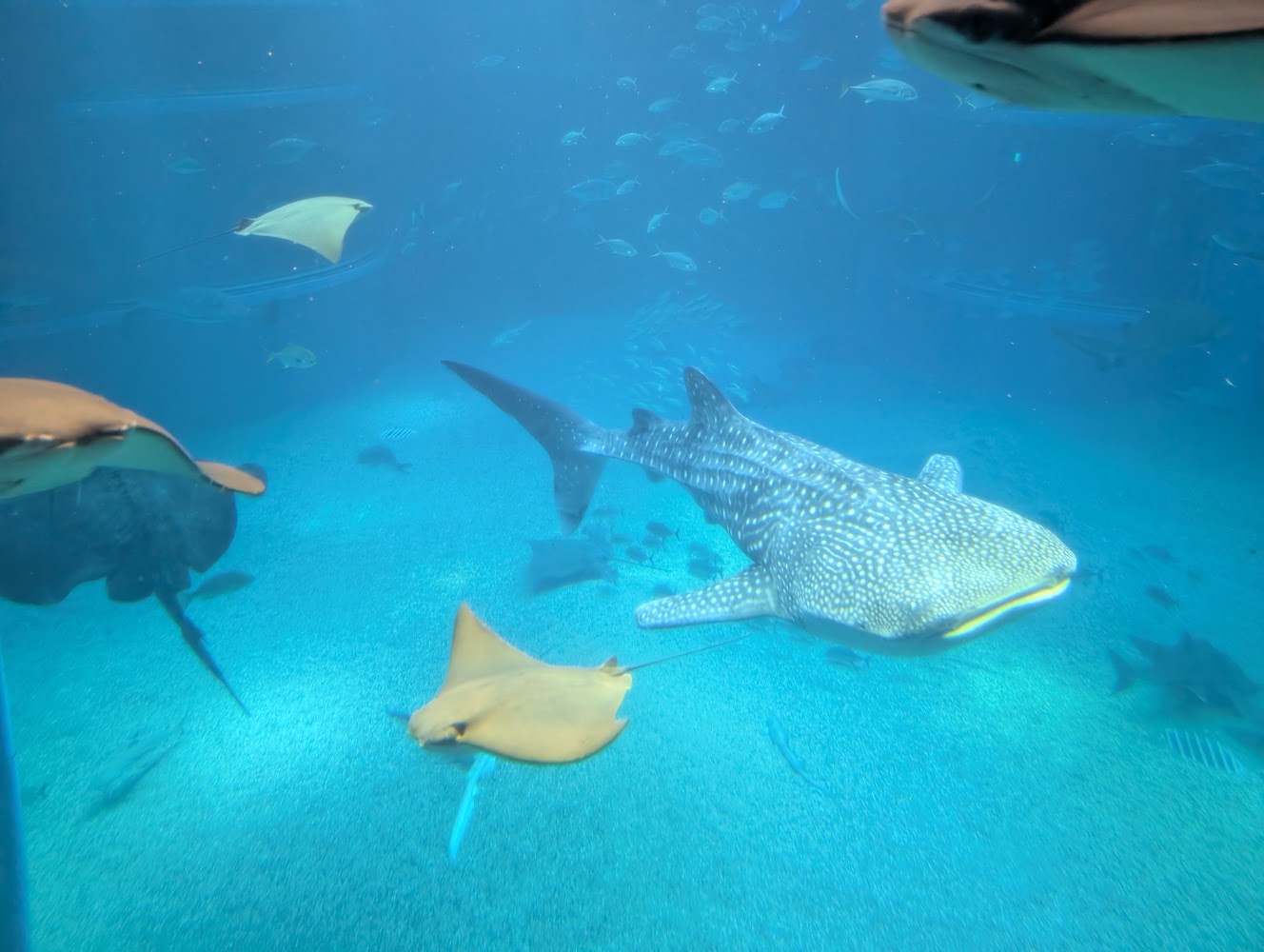
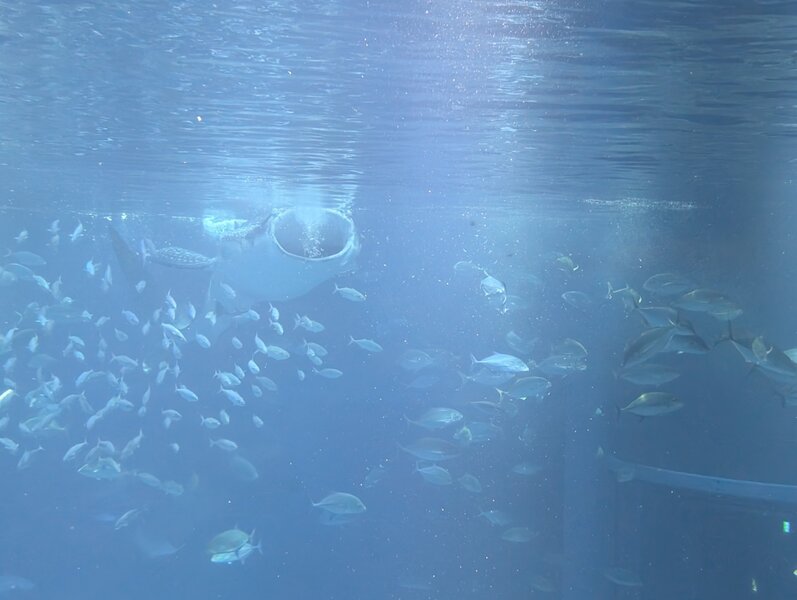
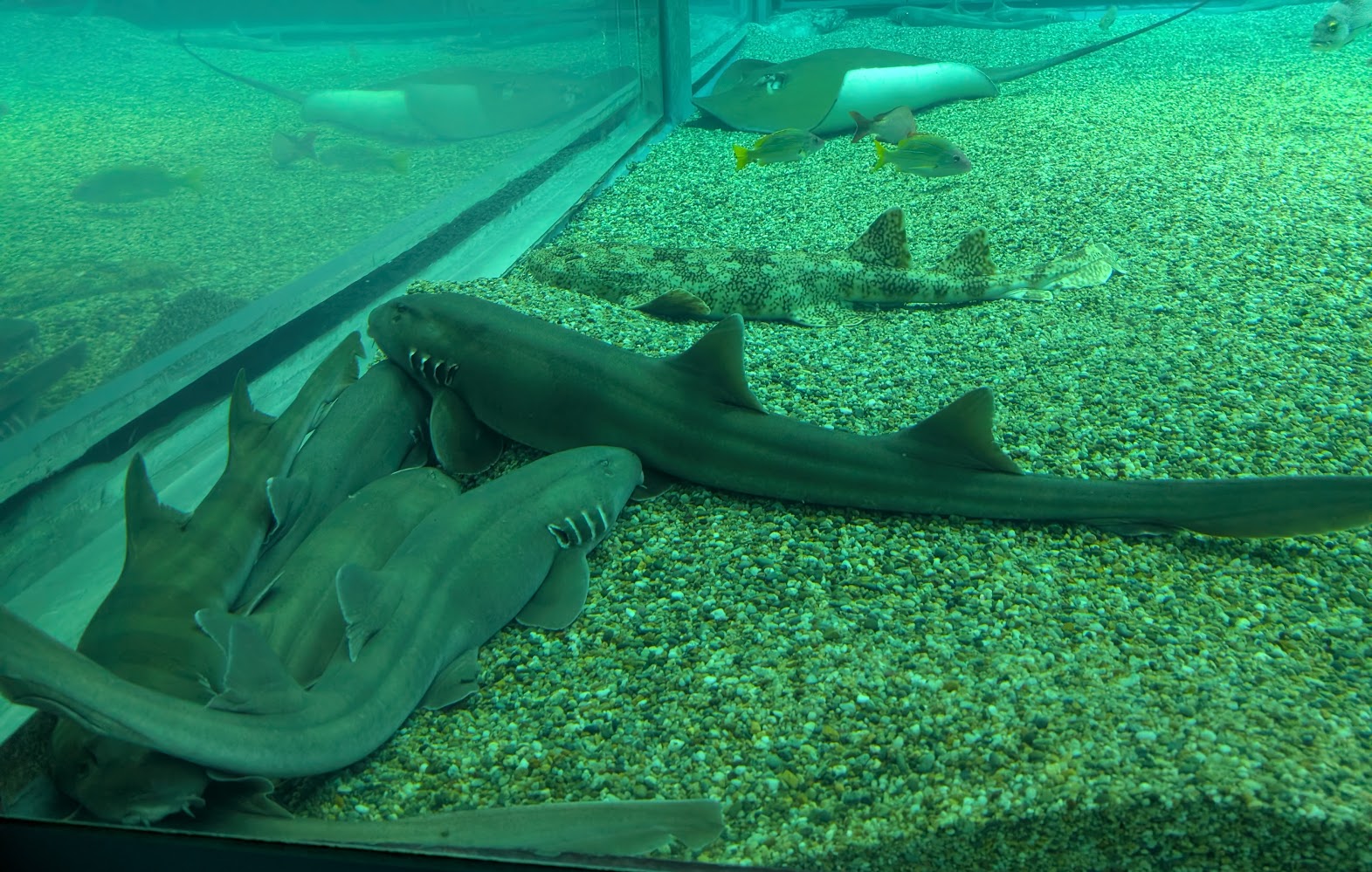
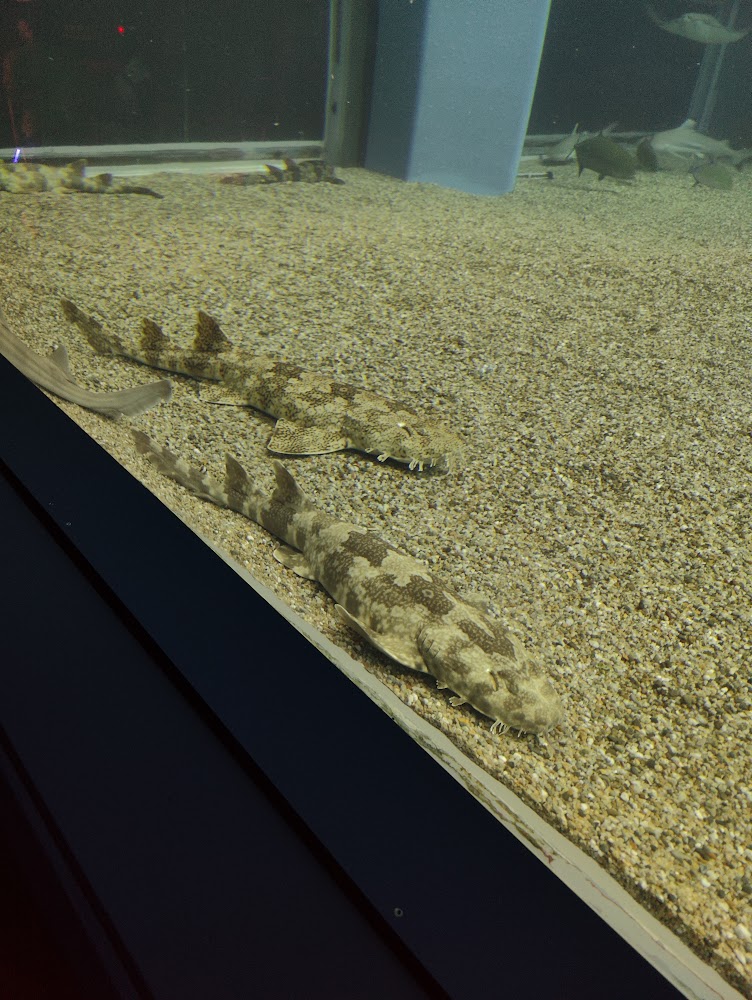
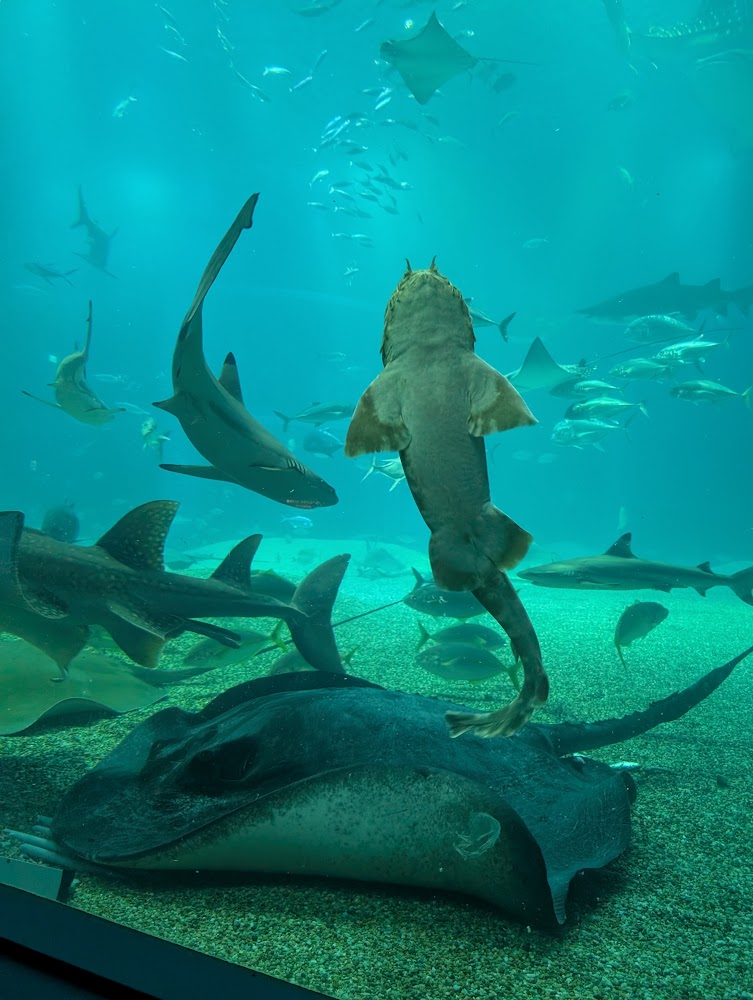
In addition to the famous whale sharks, there were a wide variety of other sharks. I recognized the famous hammerhead sharks, and James also knew the tiger shark and was delighted by the wobbegong.
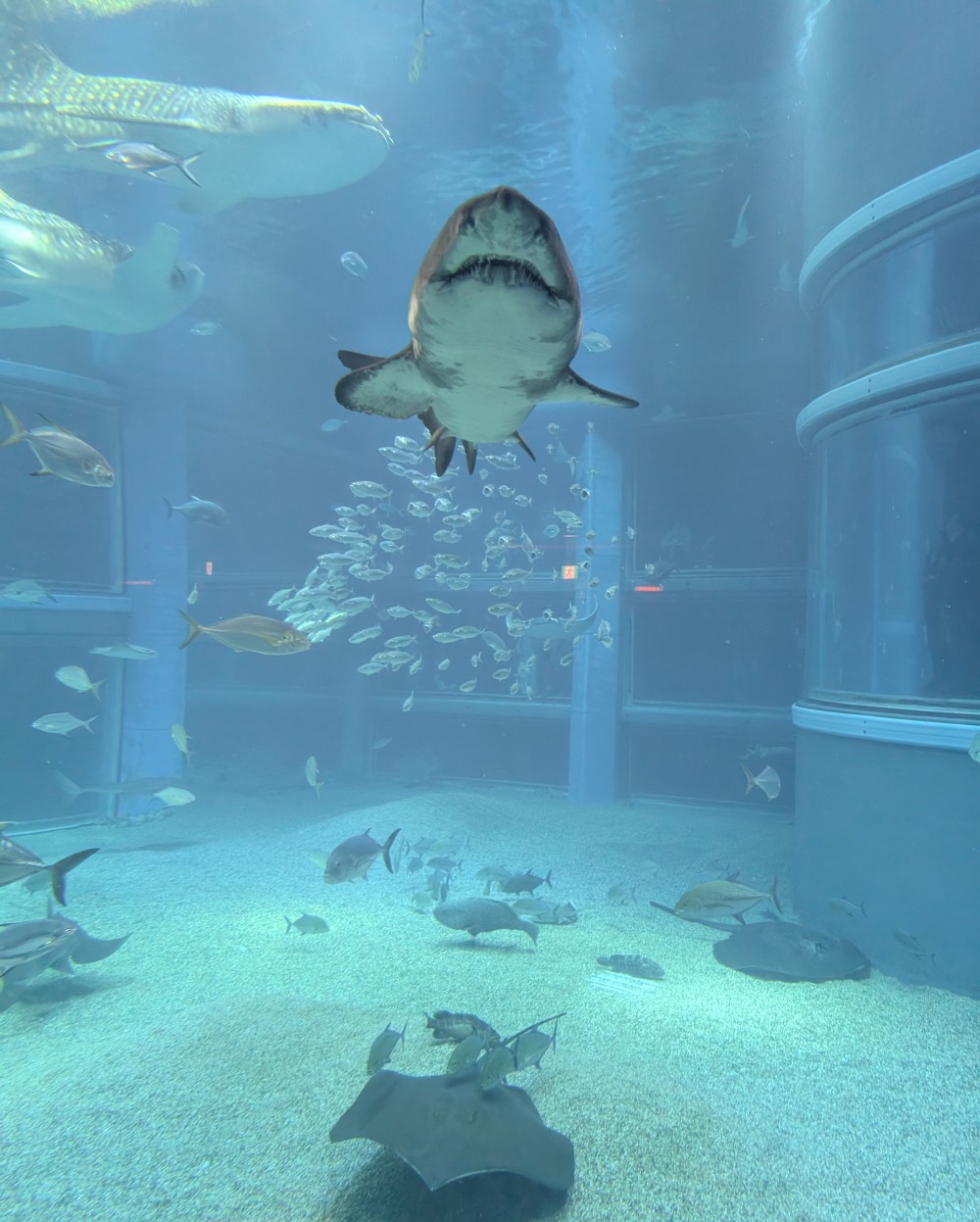
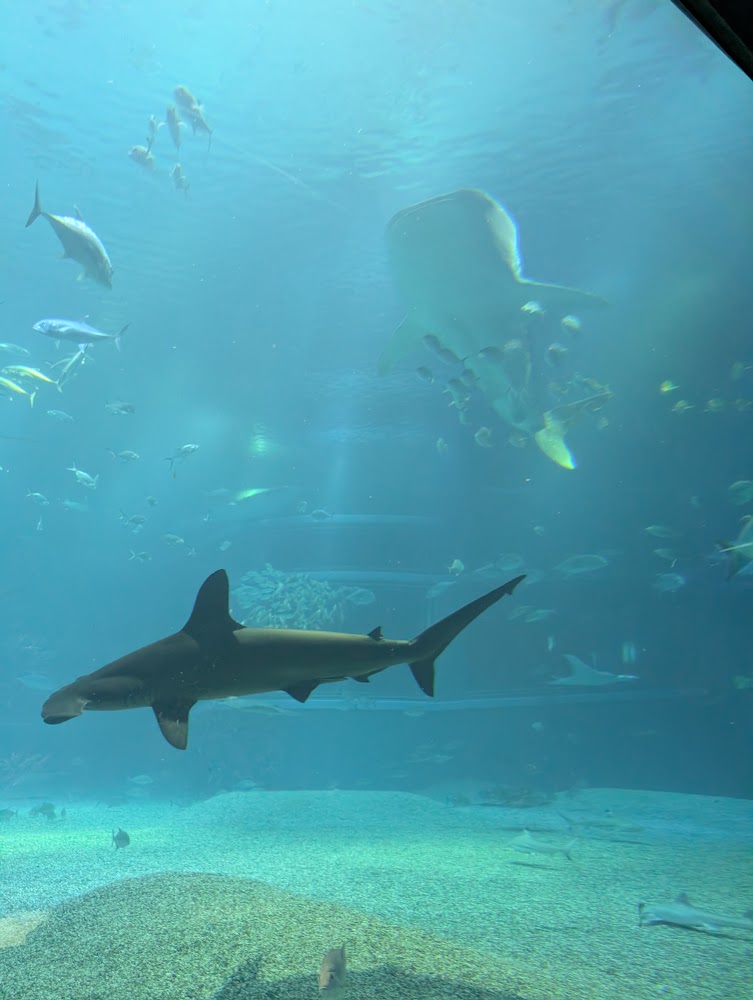
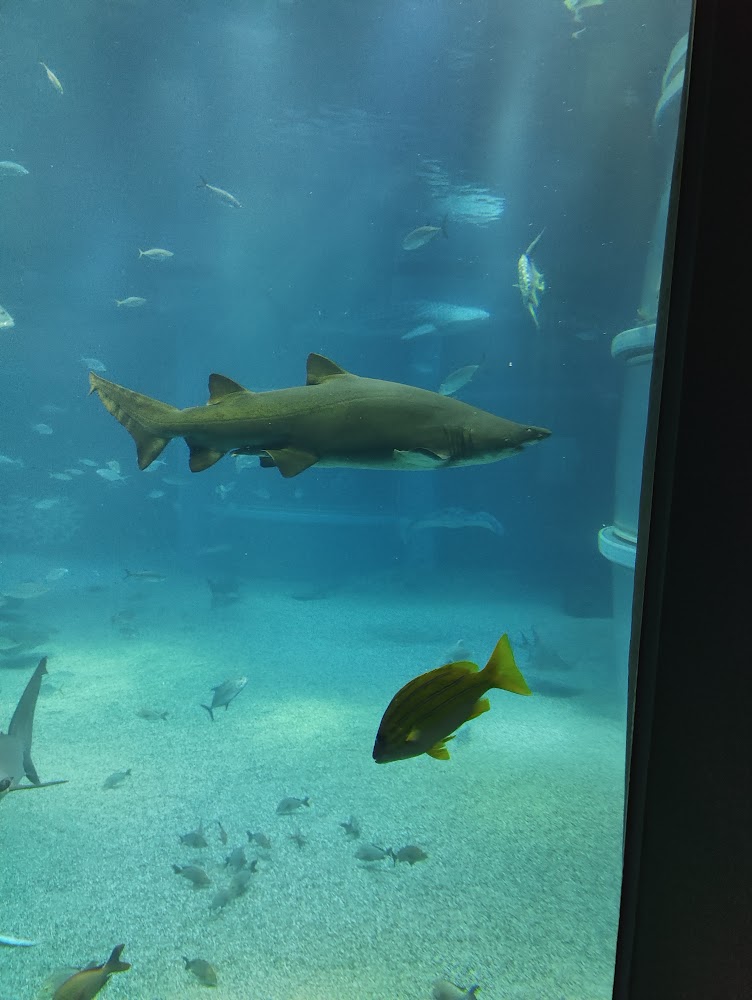
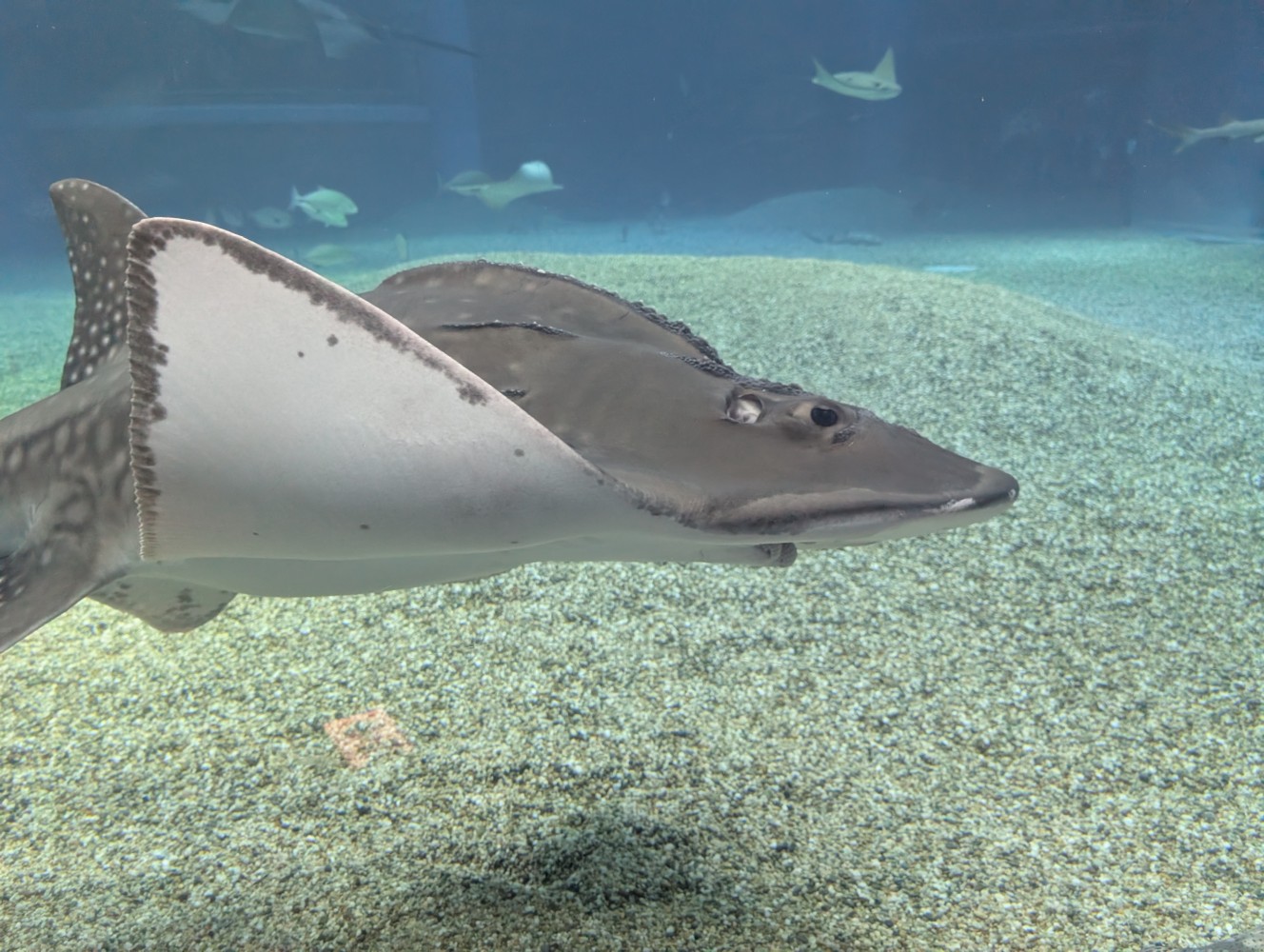
There were more species of manta rays than I knew existed, some flashier than others.
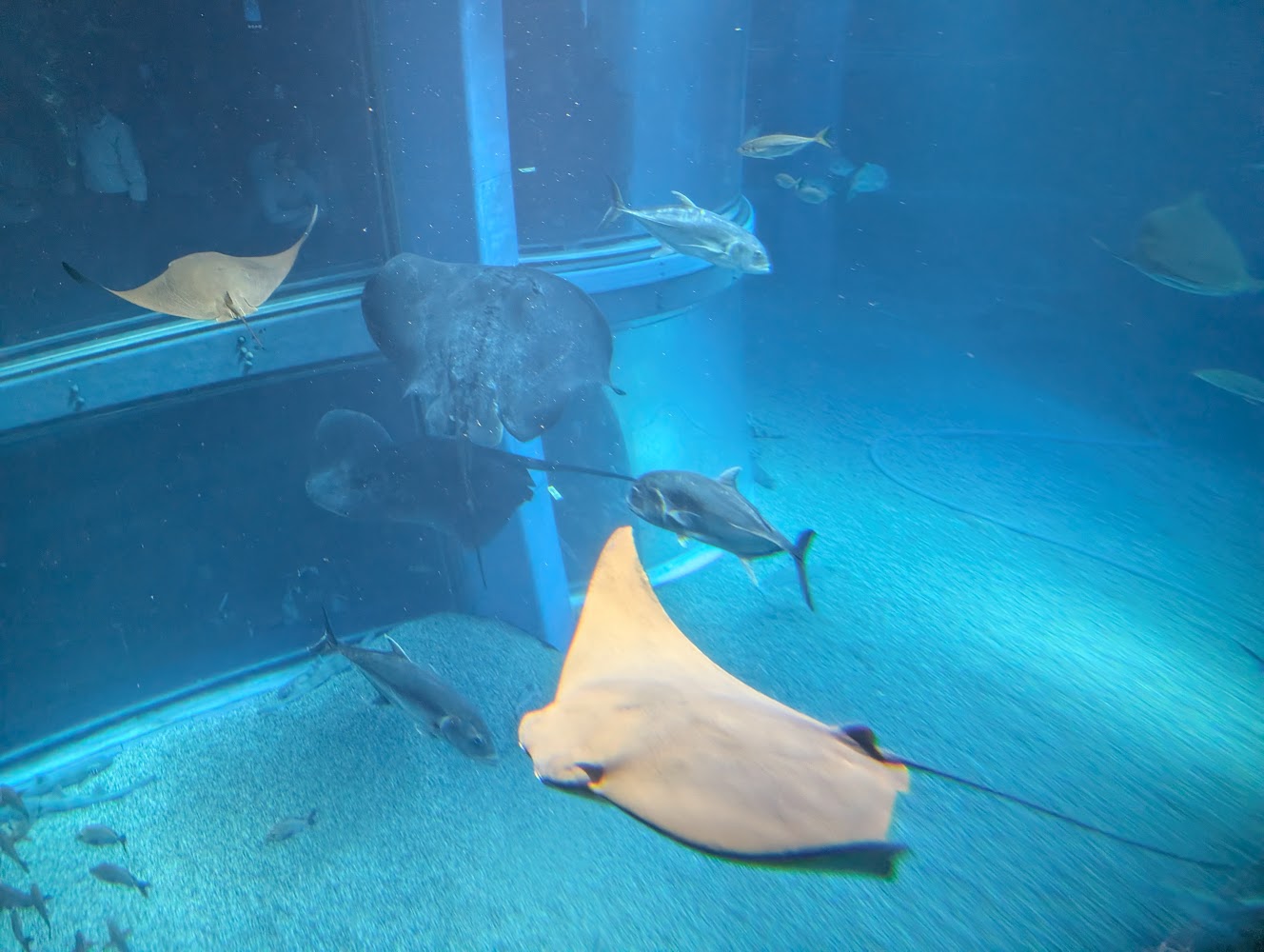
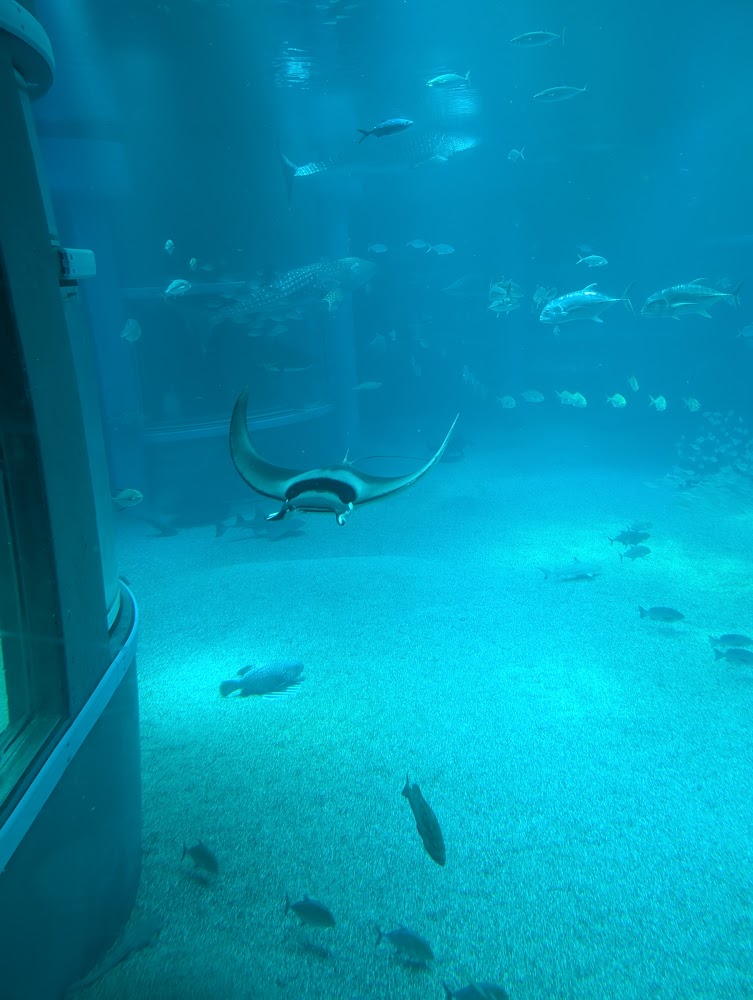
While the manta rays glided around above, the many sting rays species were camped out on the bottom.
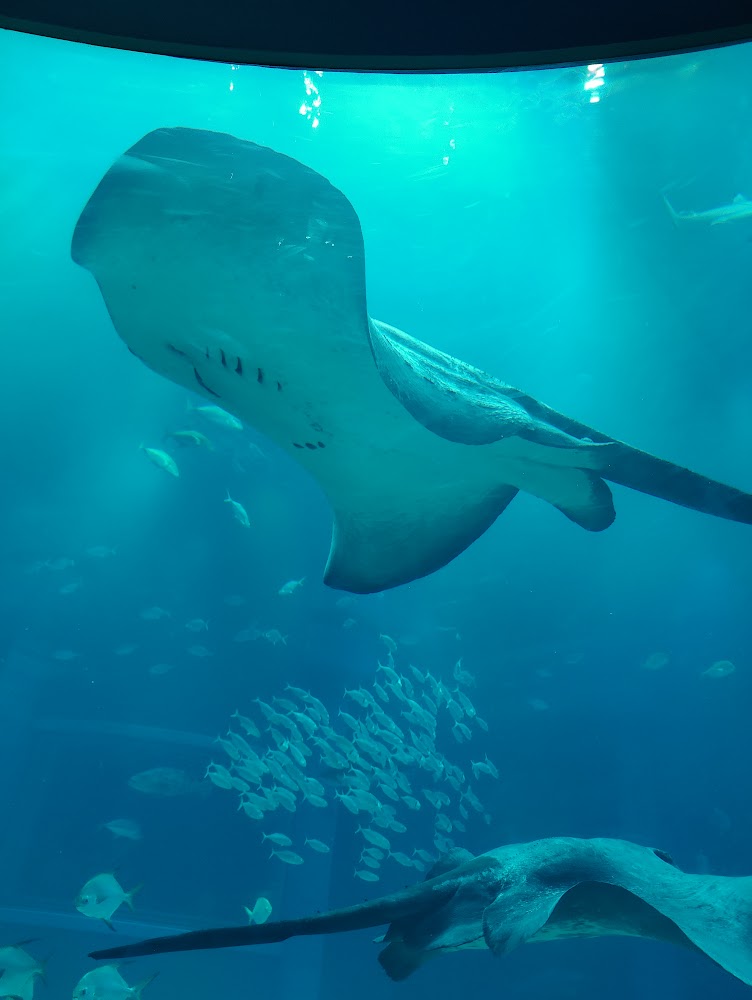
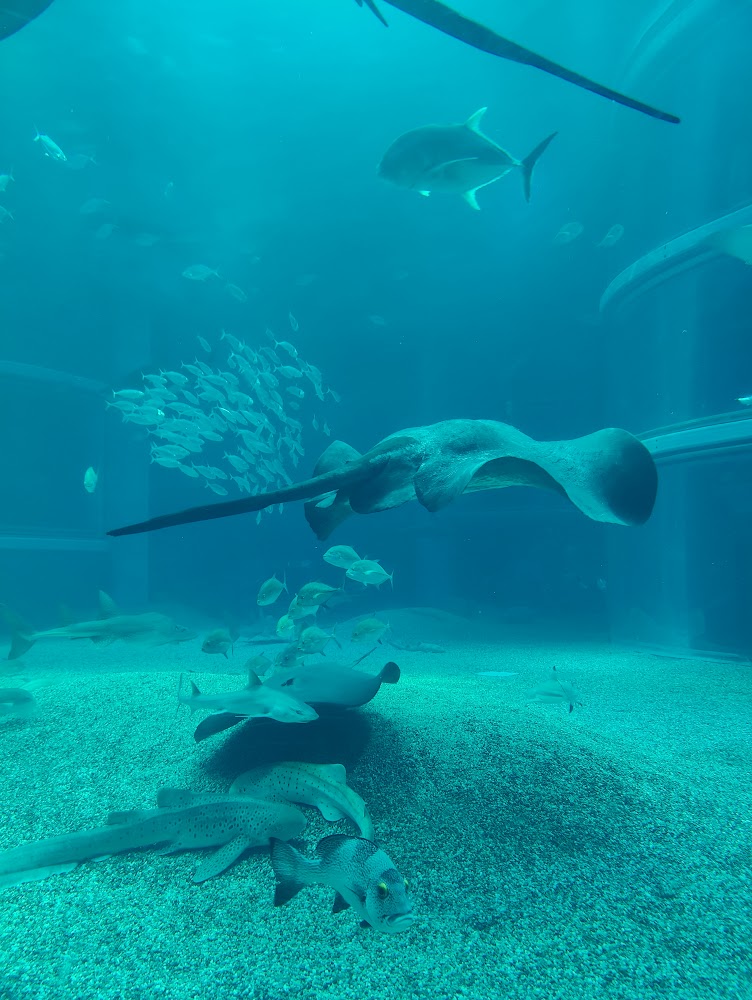
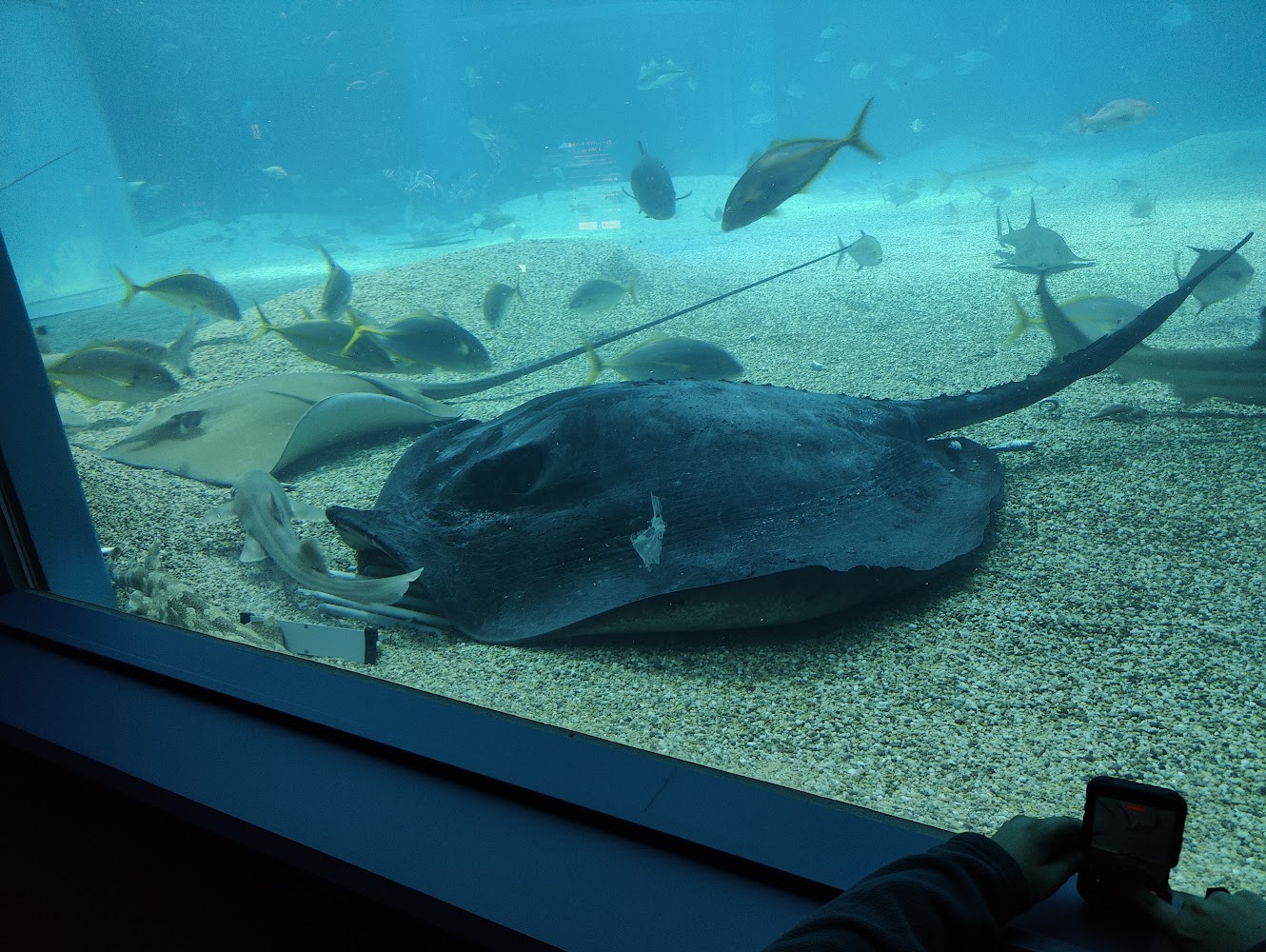
I laughed watching the Ocean Sunfish during feeding time - it eventually managed to suck in a piece of chum, which then immediately fell out of its mouth, was reclaimed, then fell out again and was lost forever.
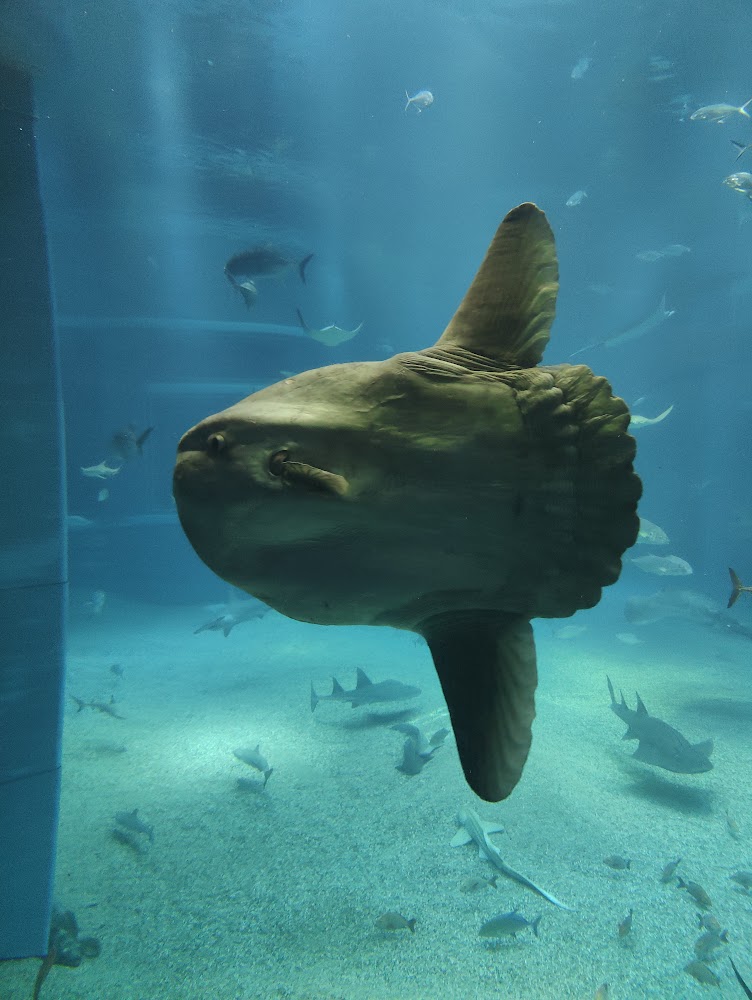
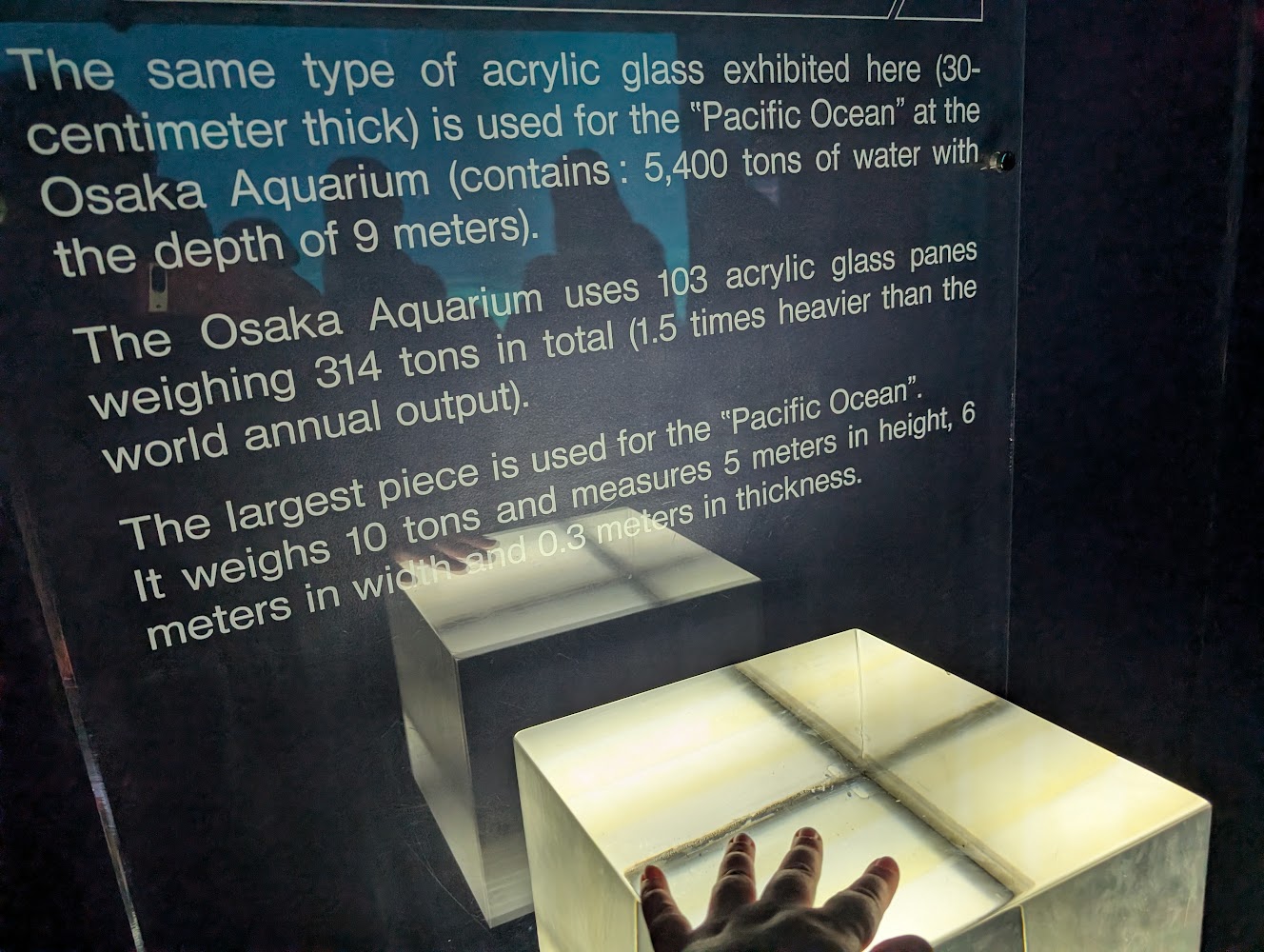
As you might expect for holding that much water, the glass is really thick!
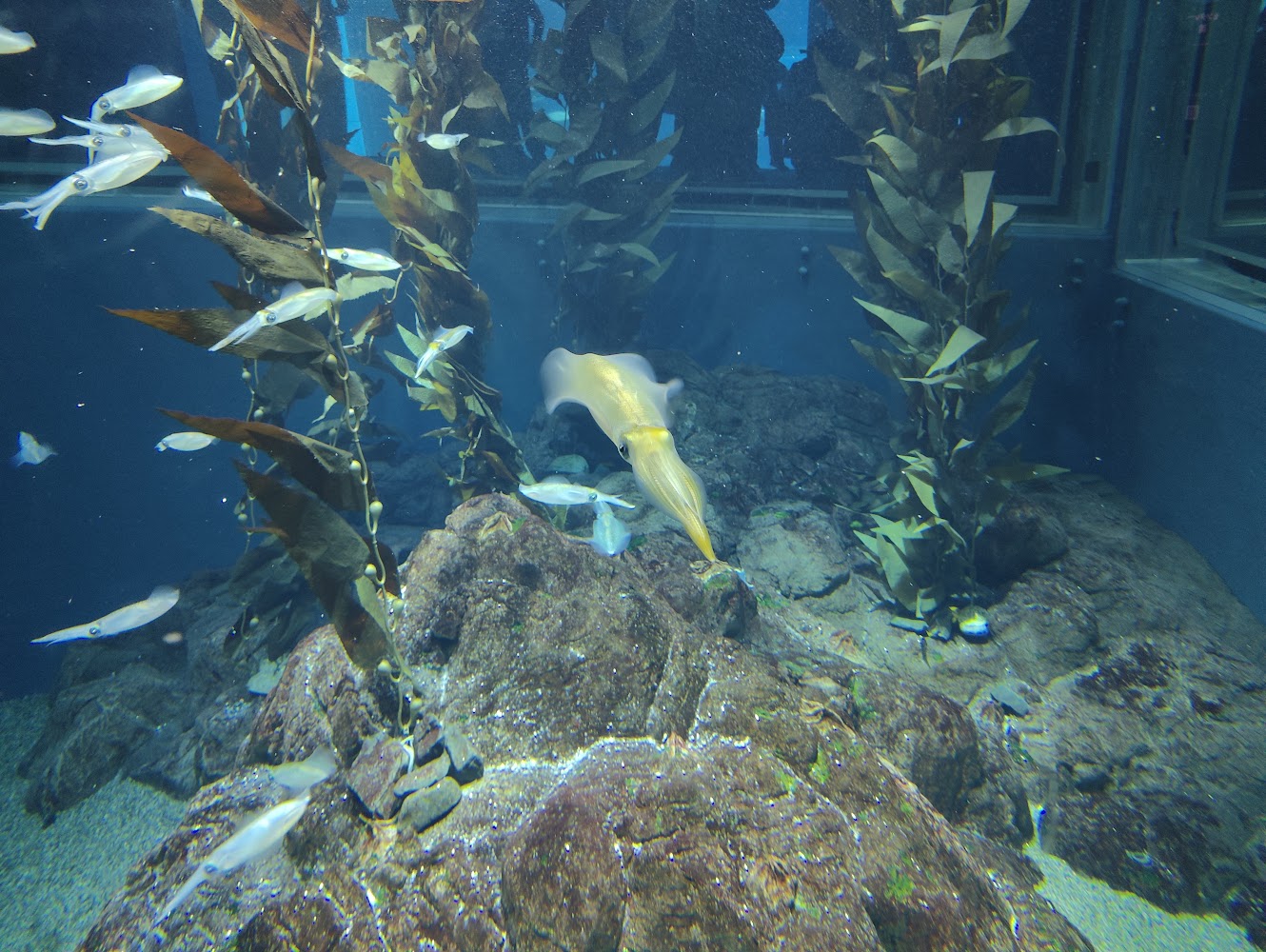
There were even more smaller tanks after the open ocean tank. This one had some cool cephalopods in it, including a couple types of squid and a sleepy octopus.
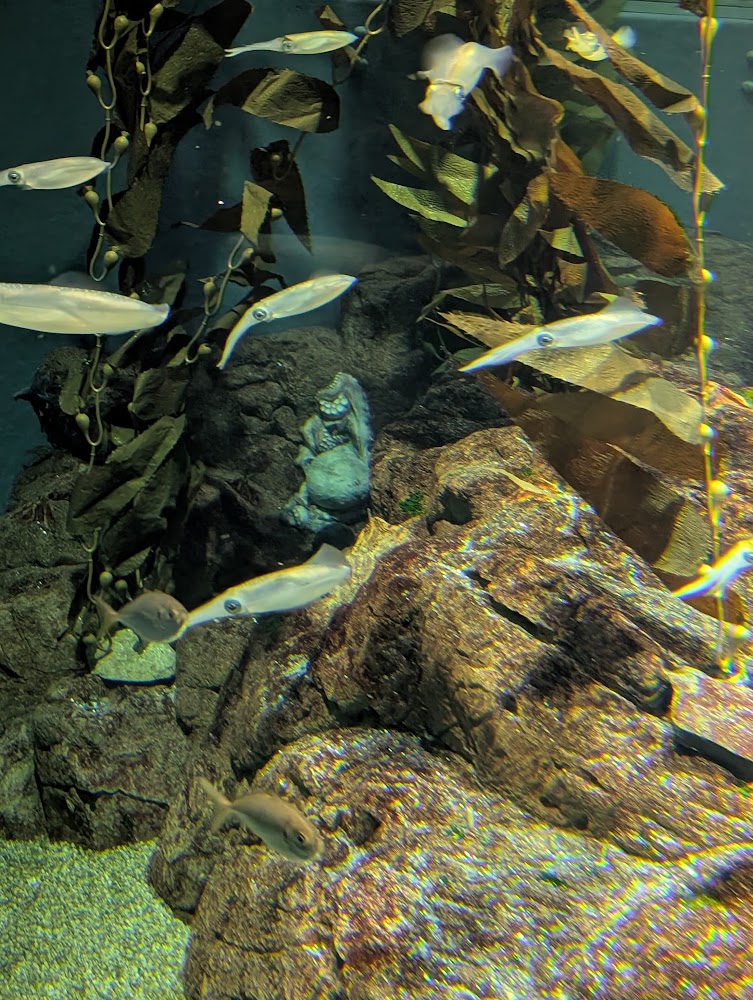
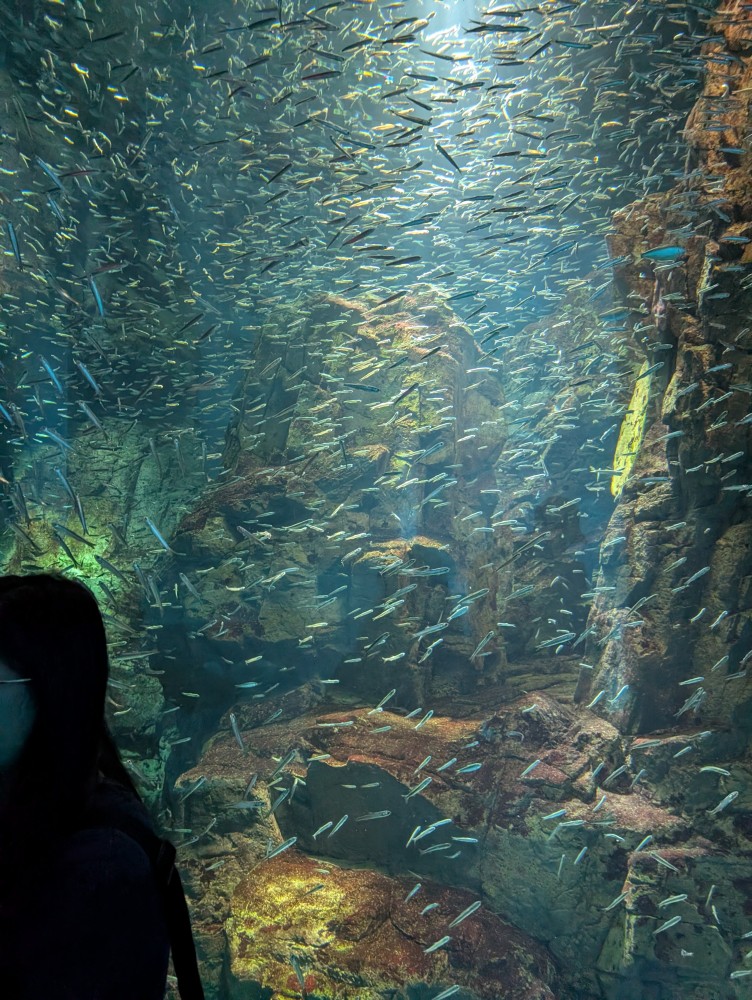
This one was teeming with tiny fishies!
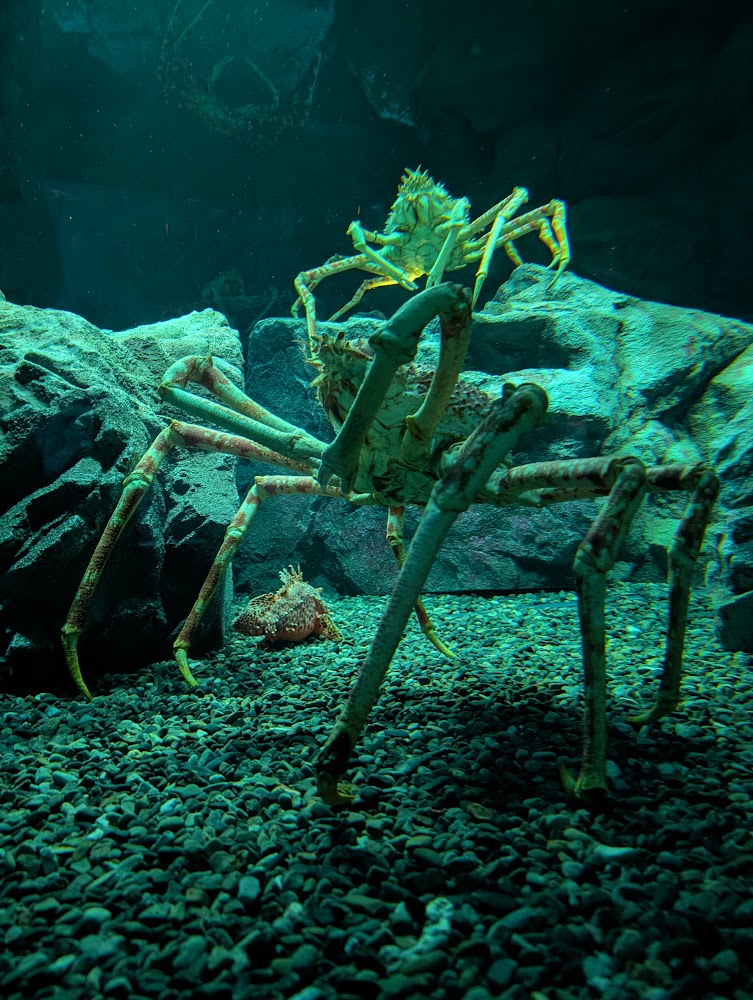
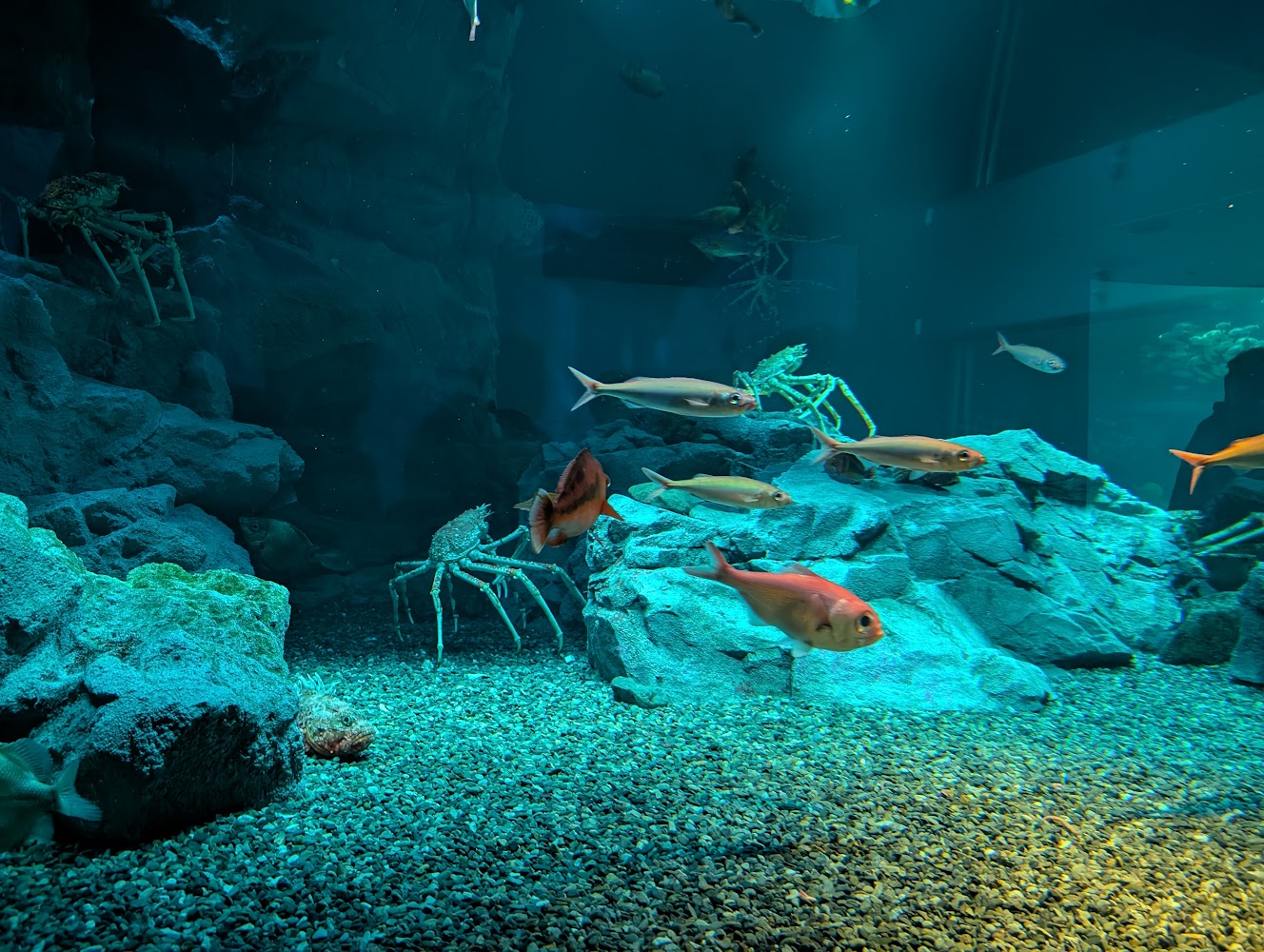
The huge crabs in the deep sea section were supremely cool (they're also in the Animal Crossing aquarium).
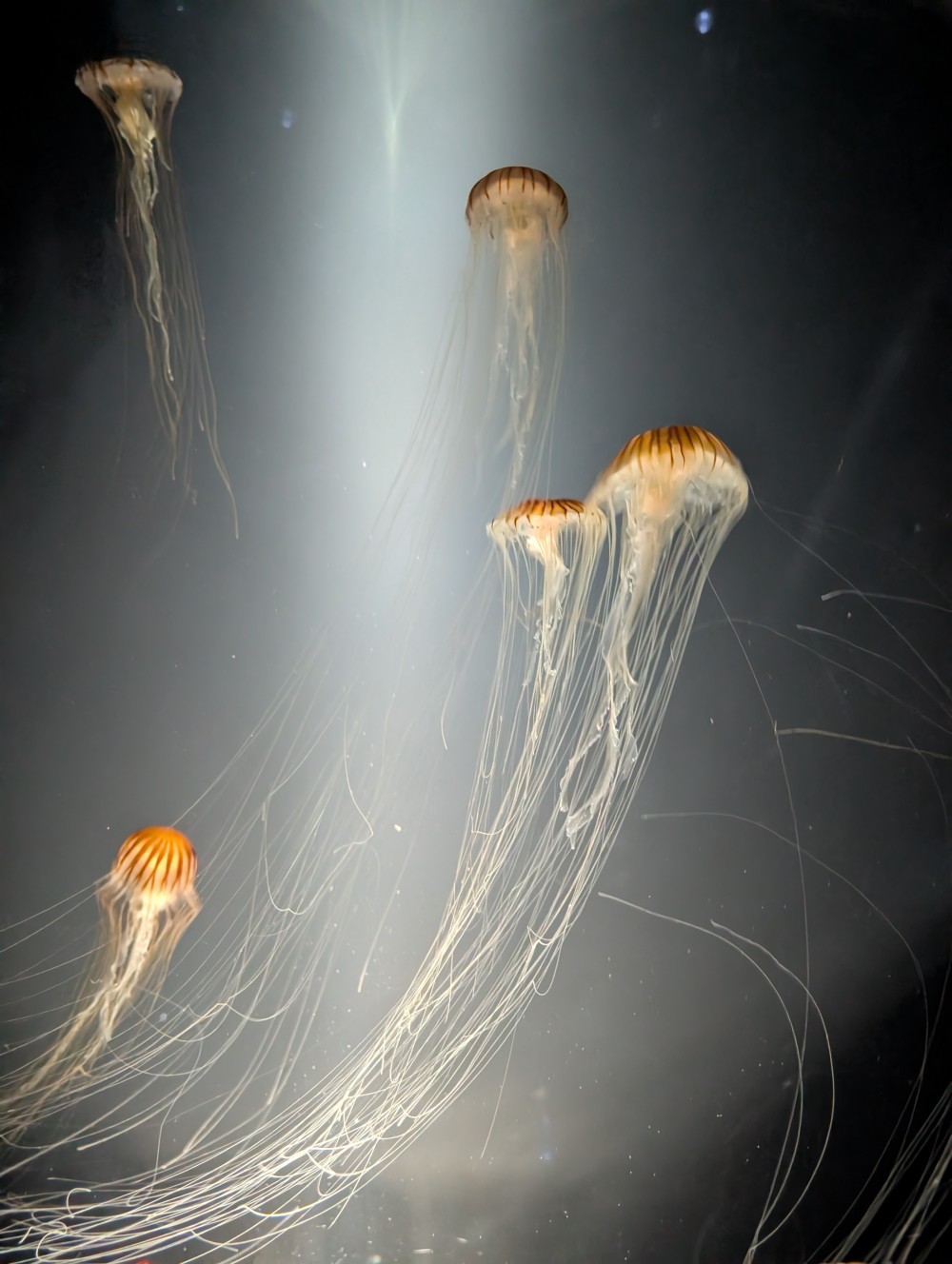
Jellyfish are always photogenic, especially when the room is dark and the tanks are lit.
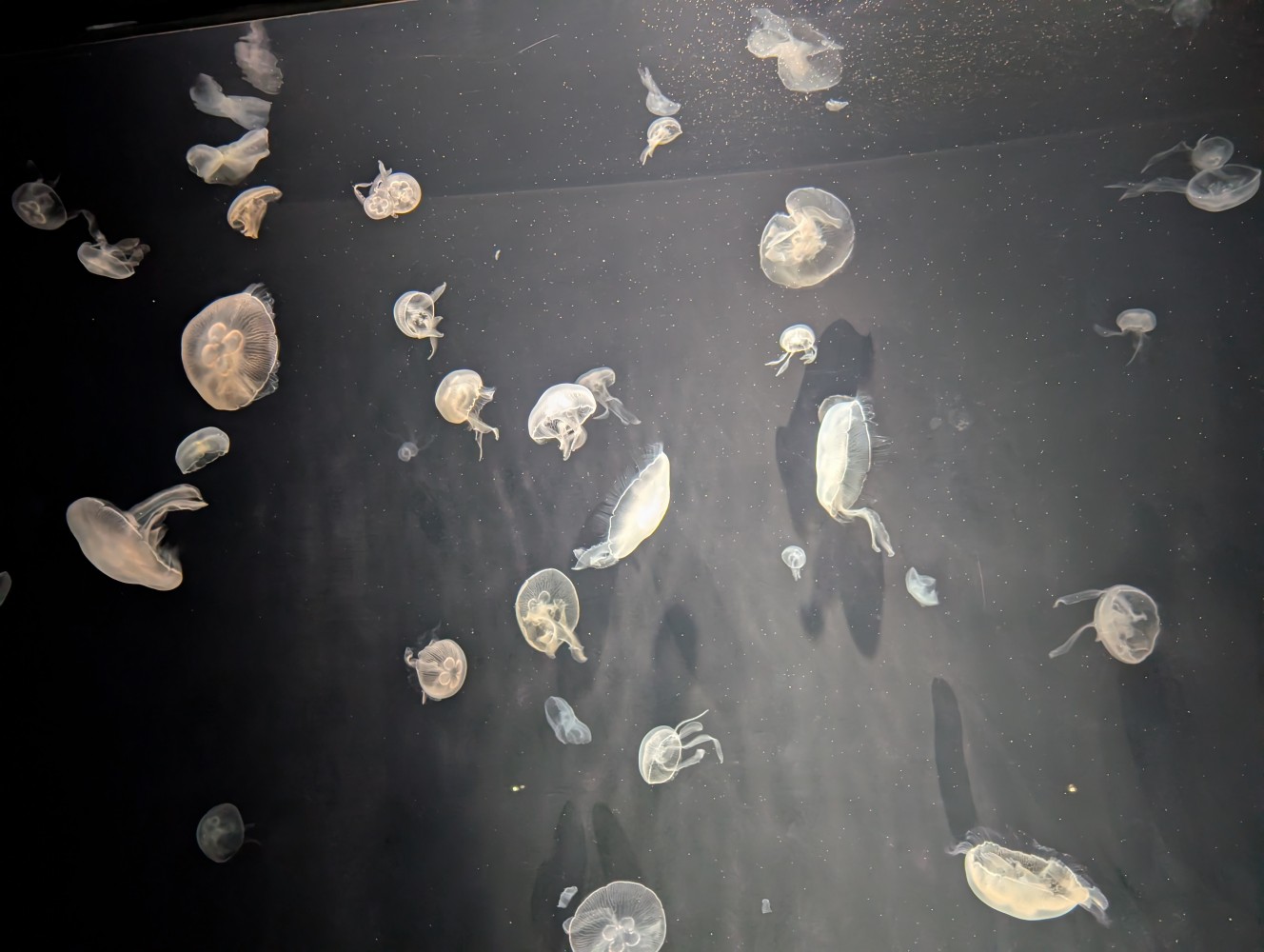
On the other end of the spectrum from the whale sharks are these itty bitty sea creatures in the Arctic section.
The last exhibits had staff working with and feeding the seals and penguins
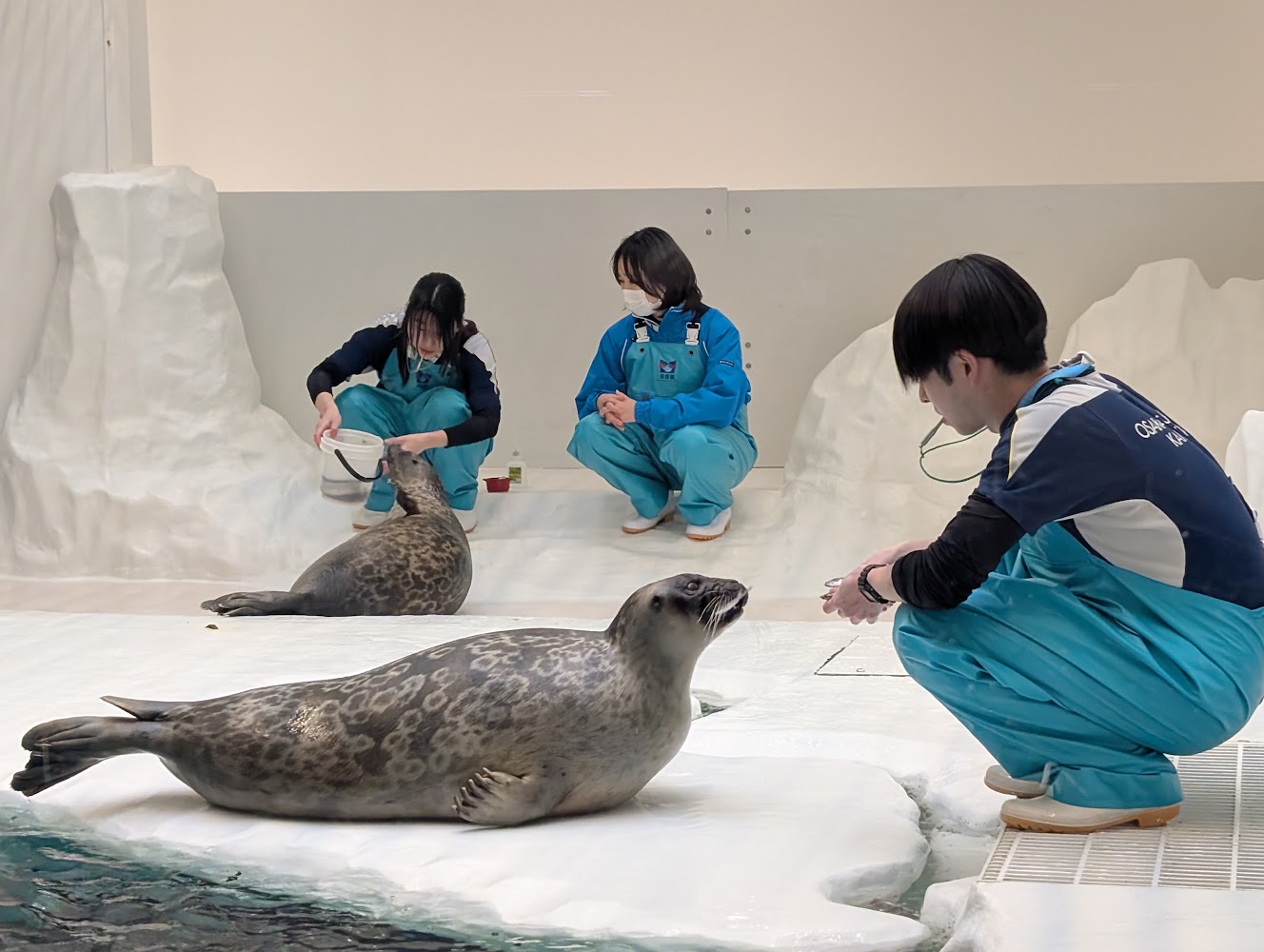
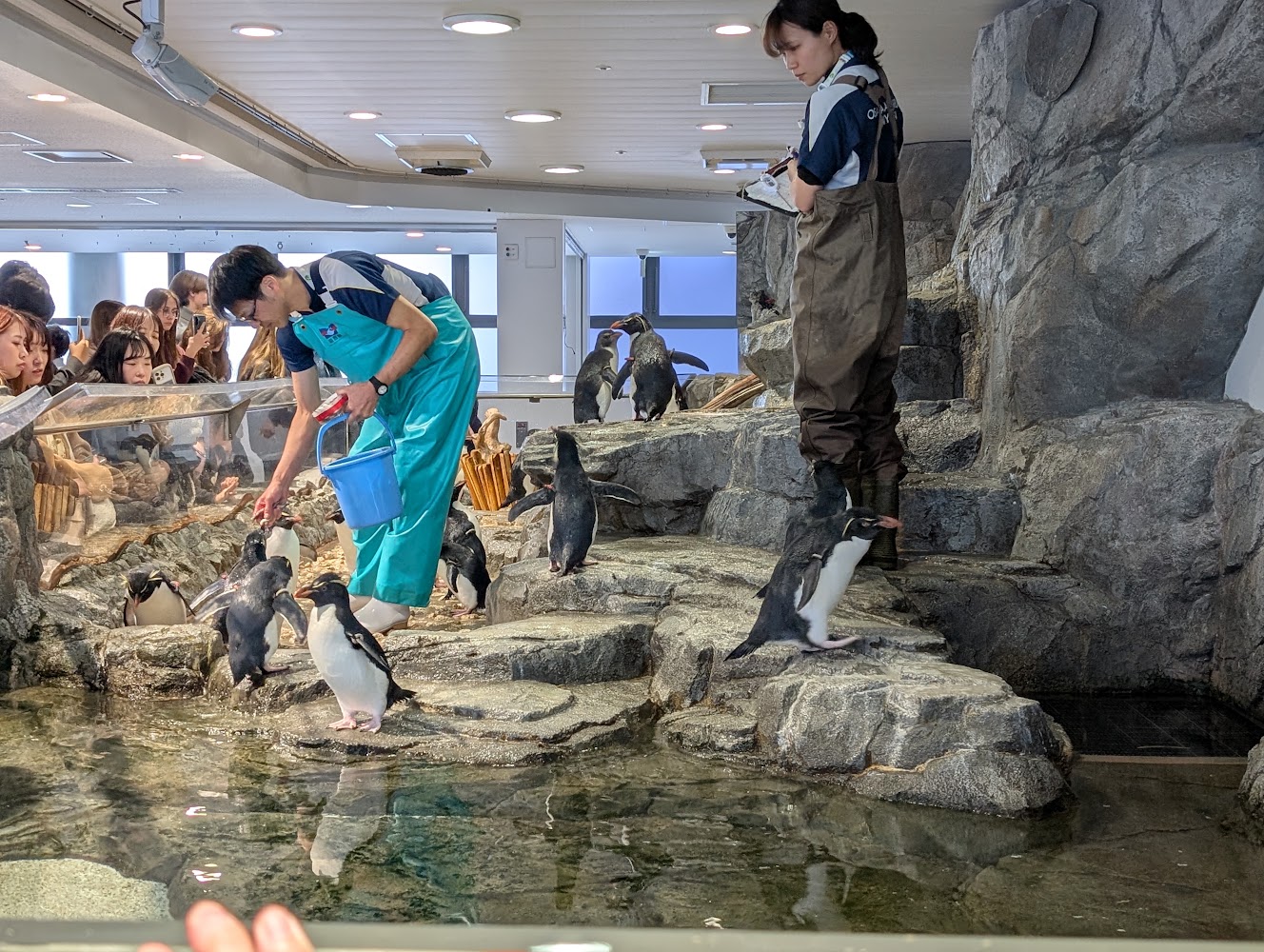
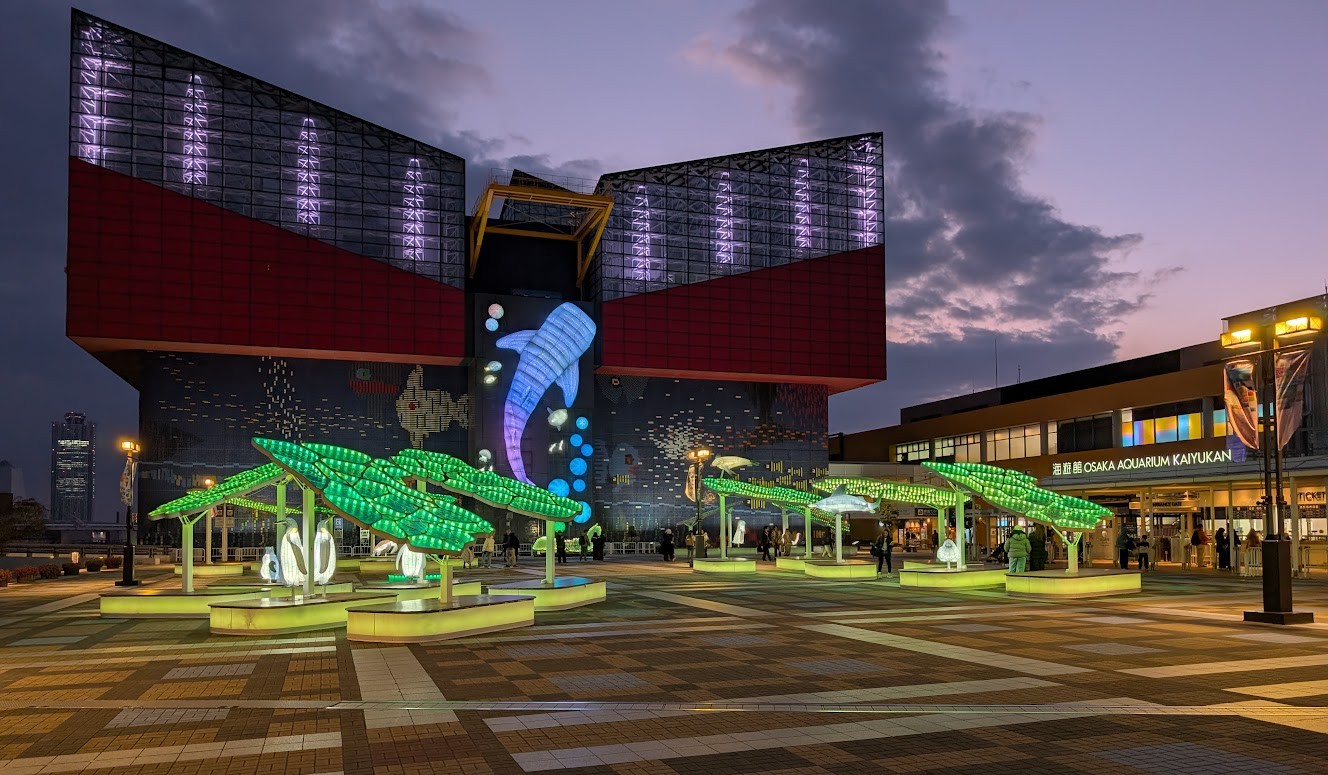
Andrew enjoyed it so much that he went back in the evening for the illumination!
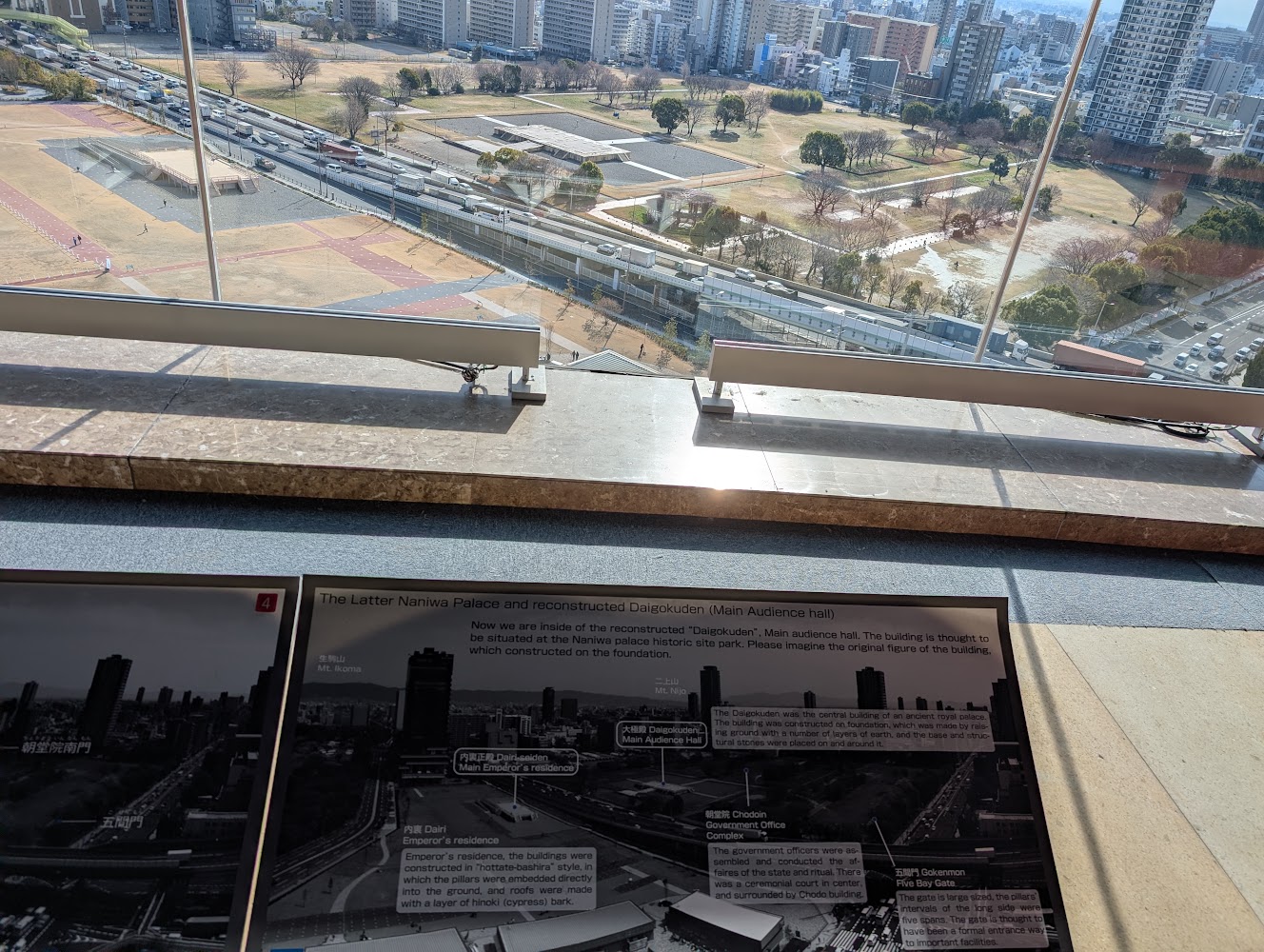
The next day, we visited another museum we really liked previously: the Osaka Museum of History. It starts with the ancient palace whose remains are visible from the museum itself!
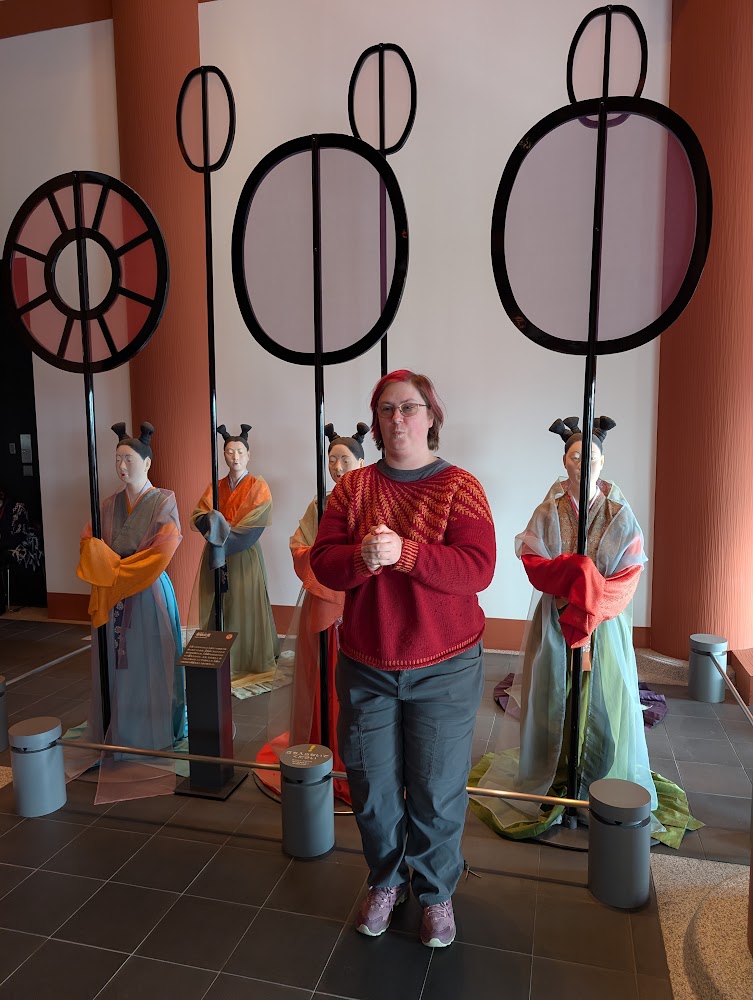
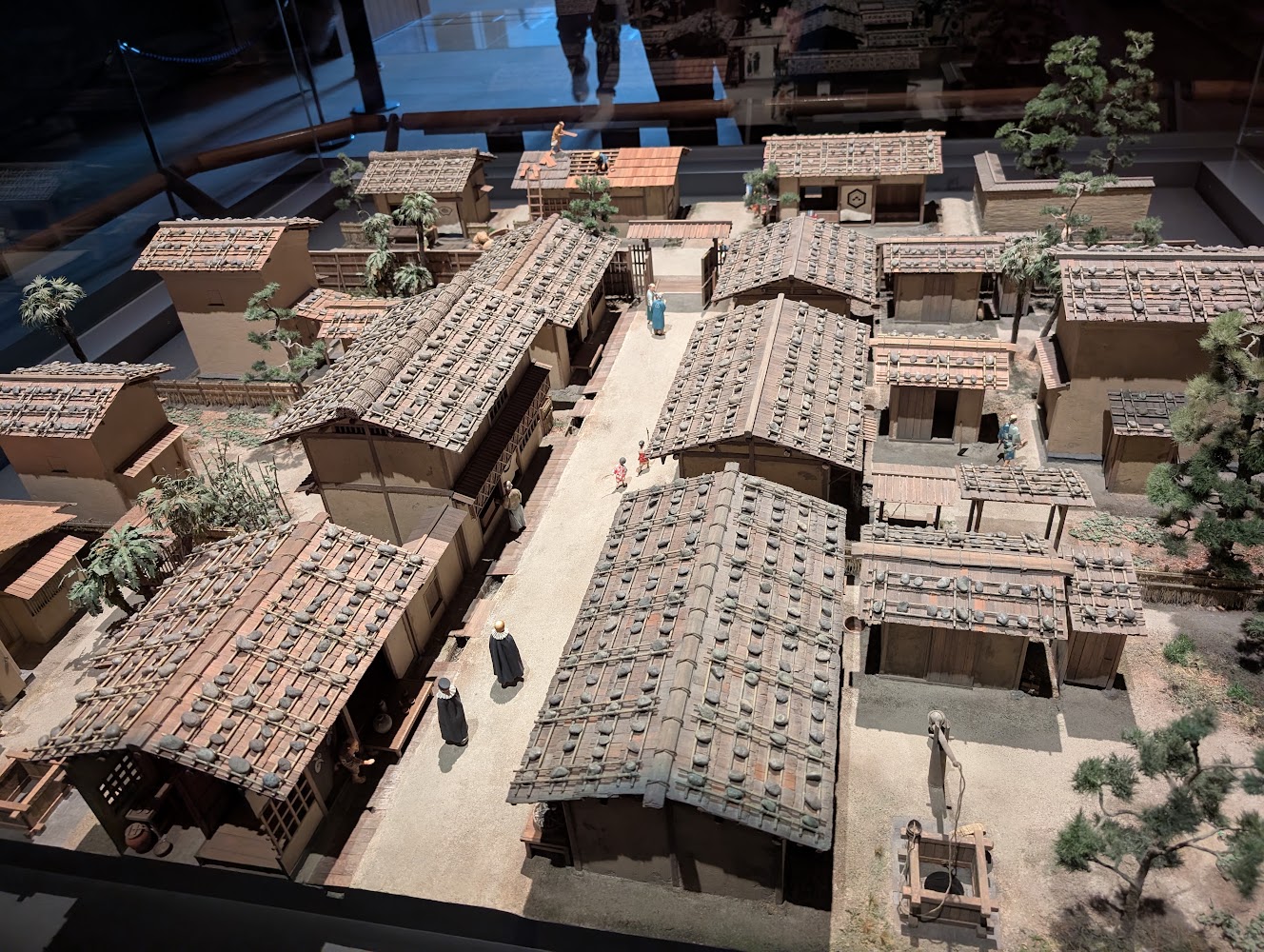
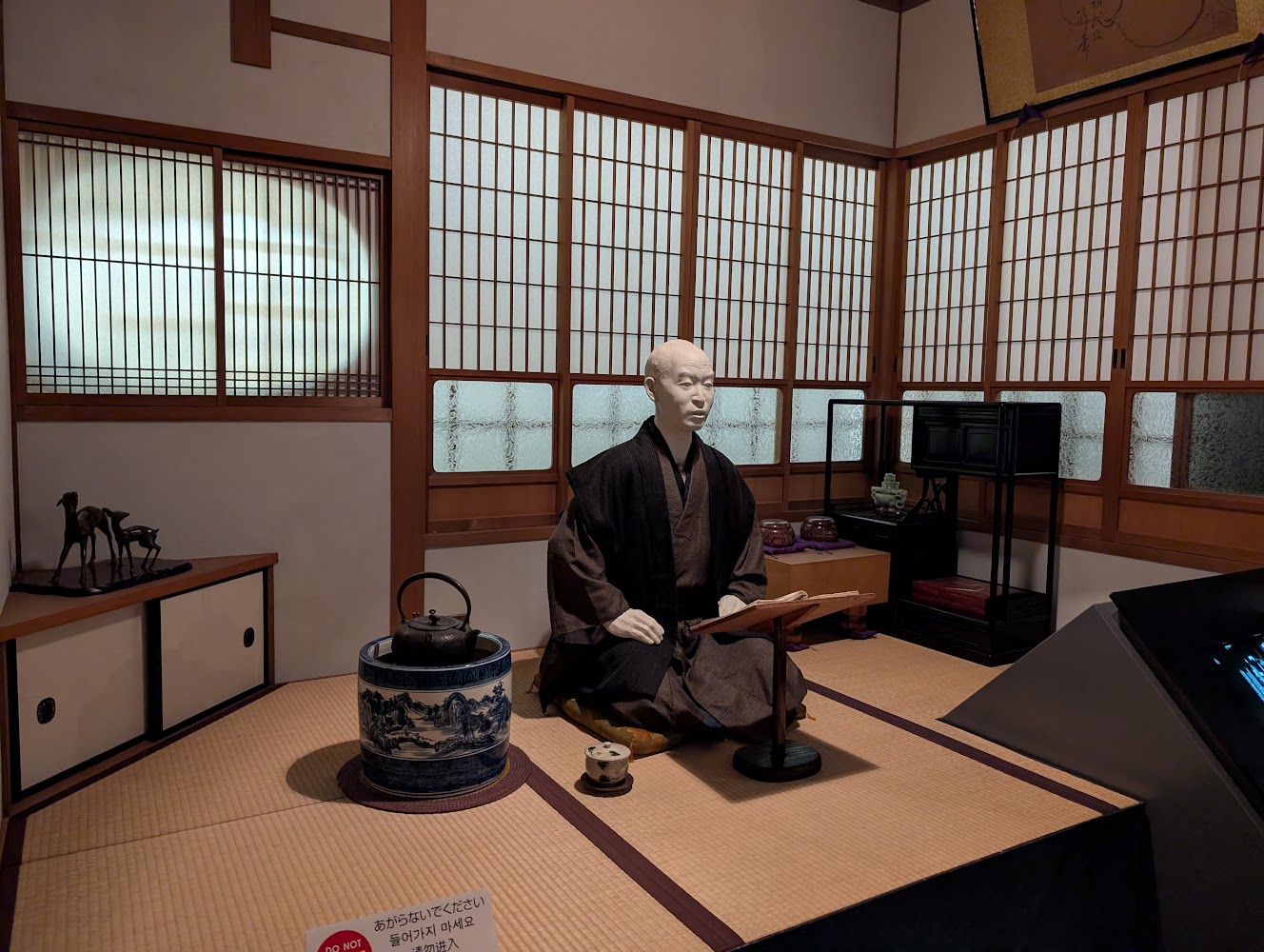
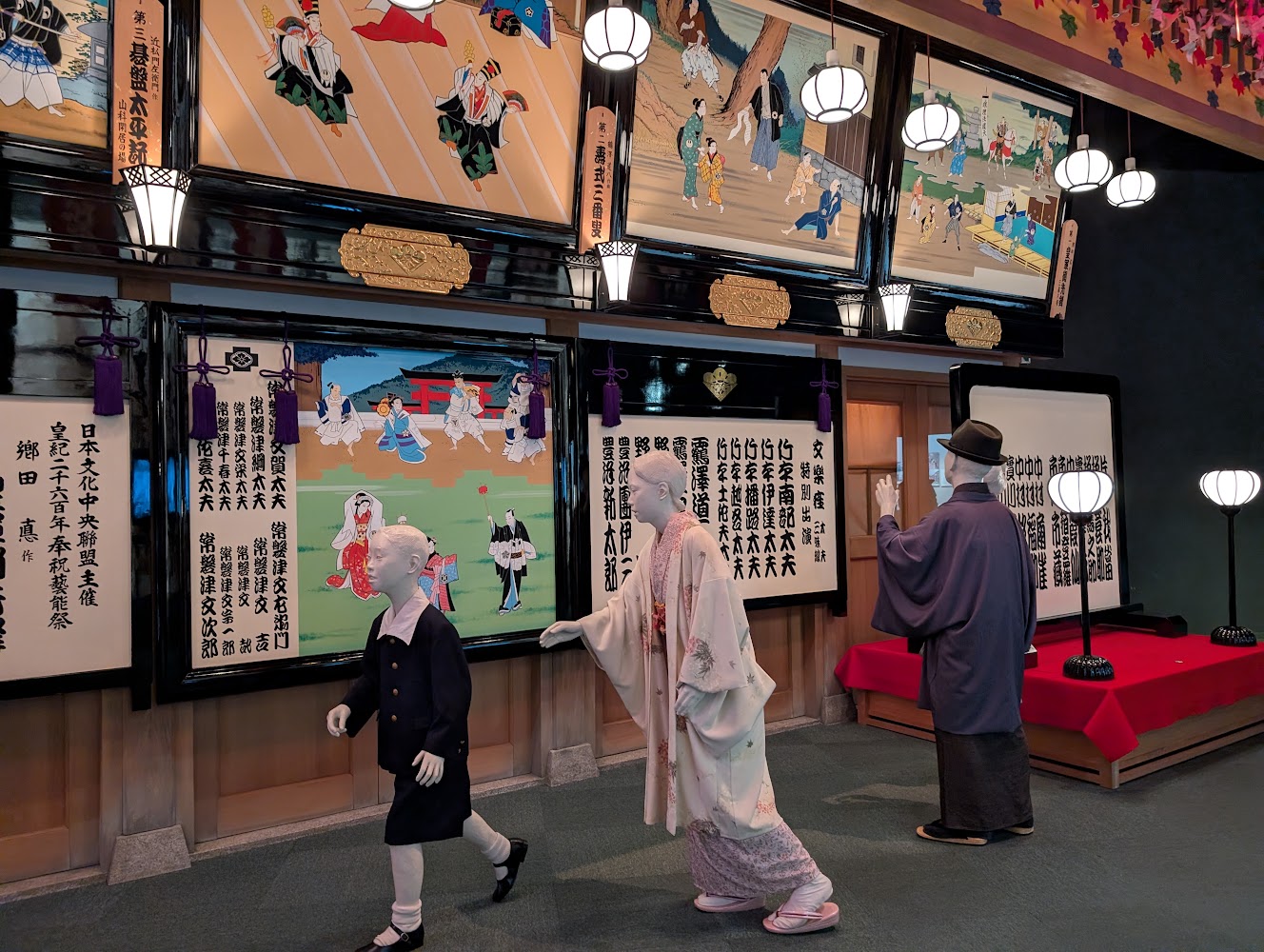
What I love about this museum are the dioramas! Several had architectural features that we'd seen on our other trips, and many had little scenes within the dioramas telling tales of daily life.
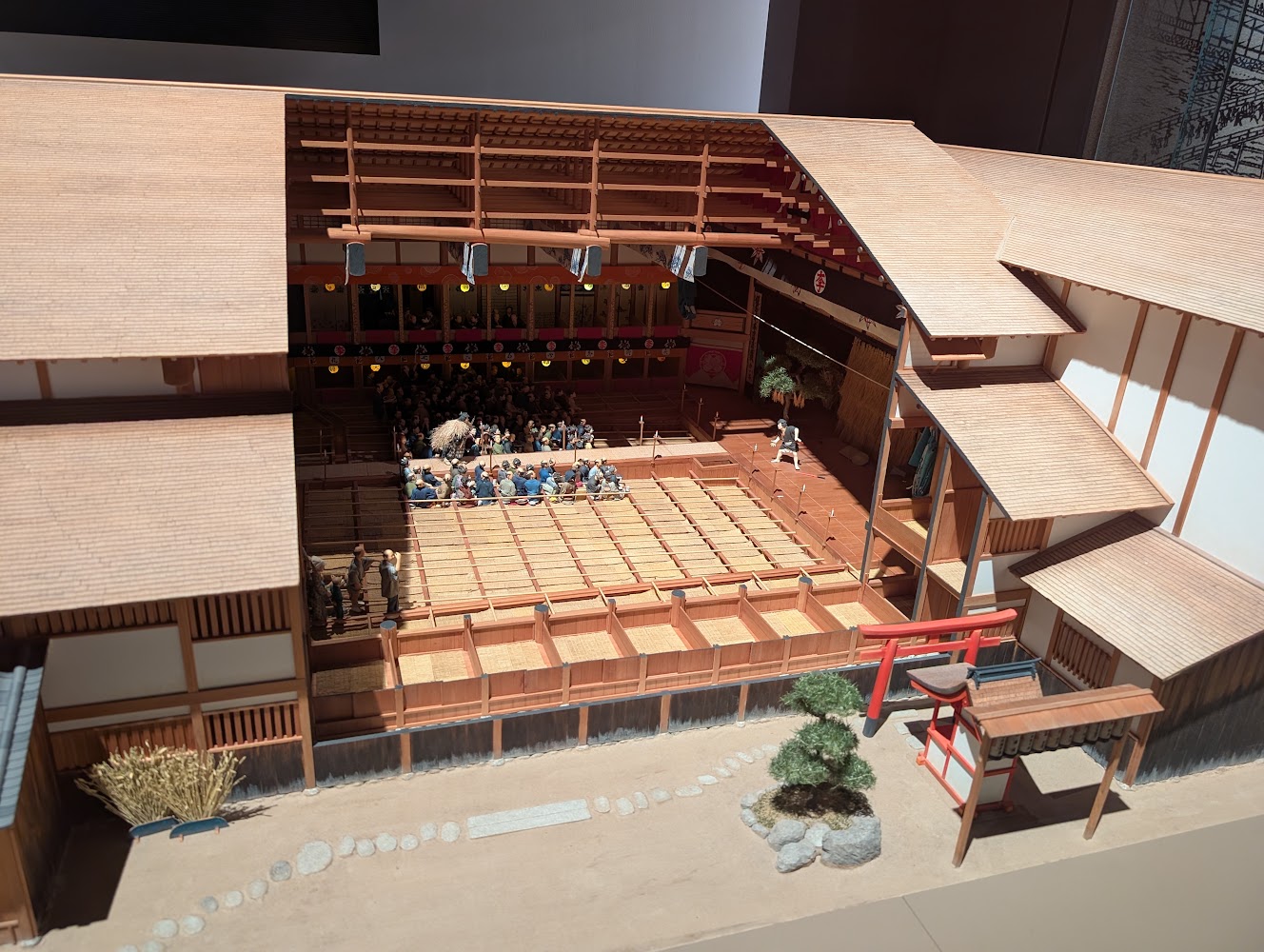
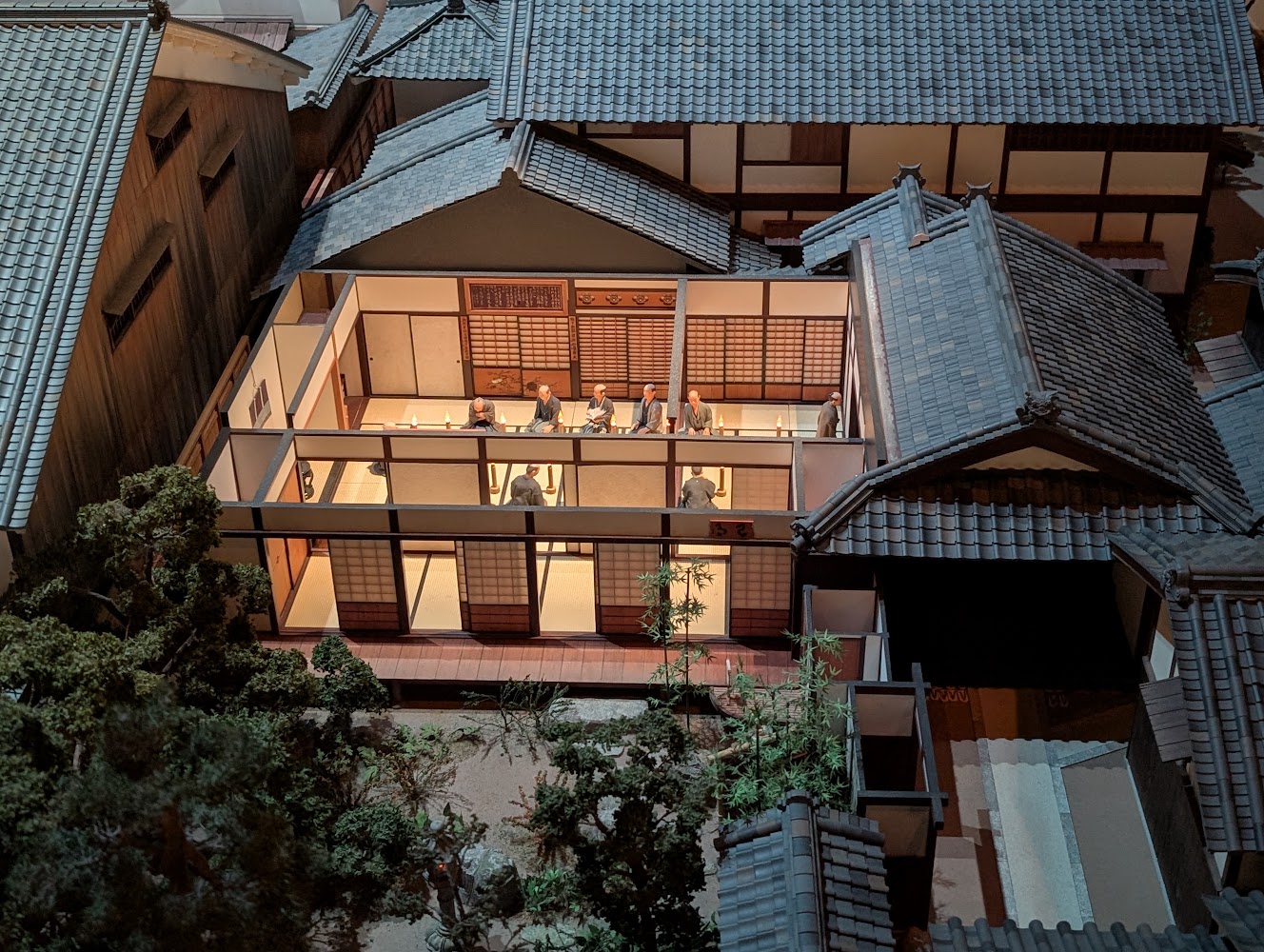
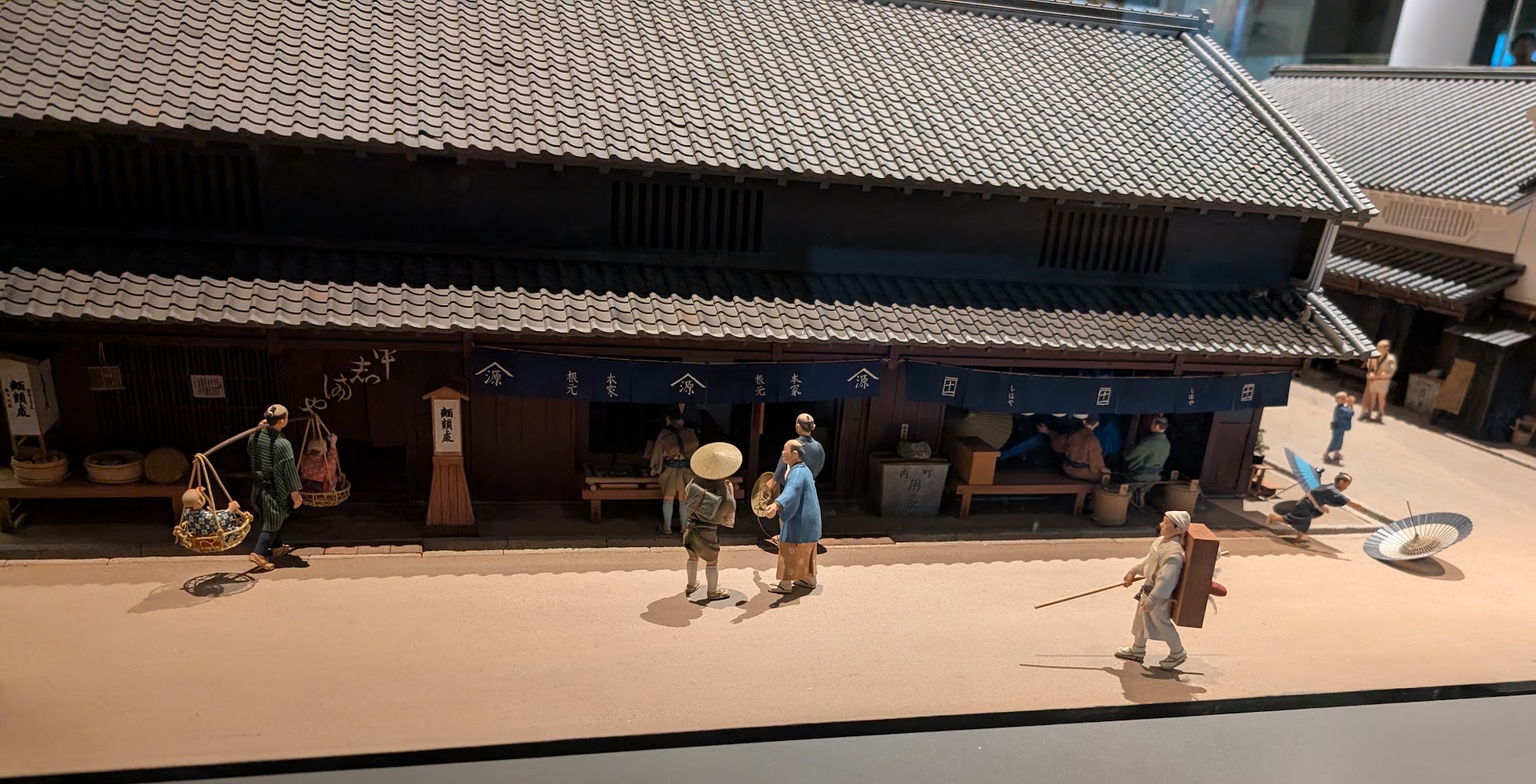
I really enjoyed the section on the Meiji period (late 1800s and early 1900s), since it showcased the fascinating cultural change that happened from increased contact with Europe and the US. To this day, some houses have both a western style living room and a traditional tatami living room.
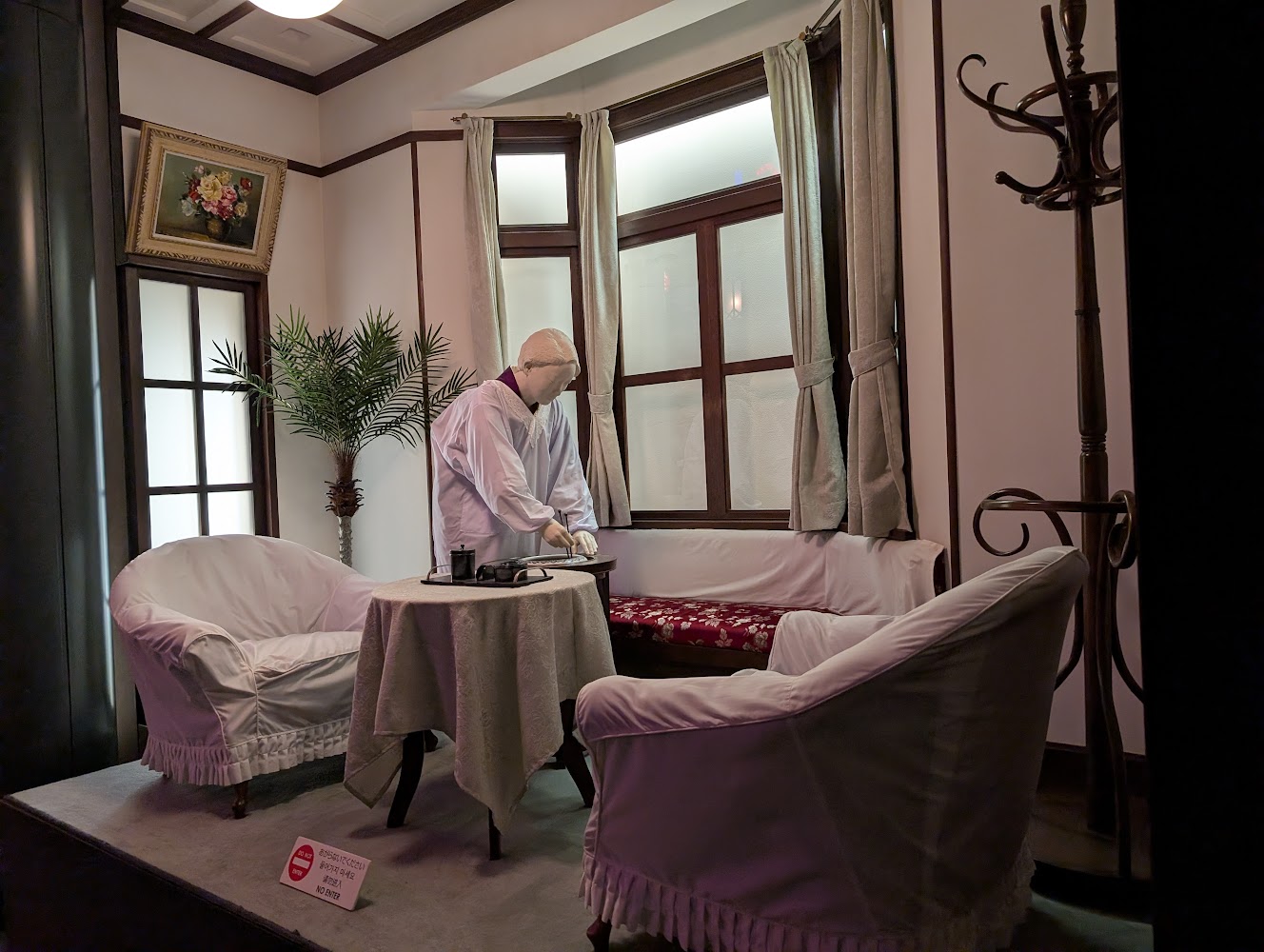
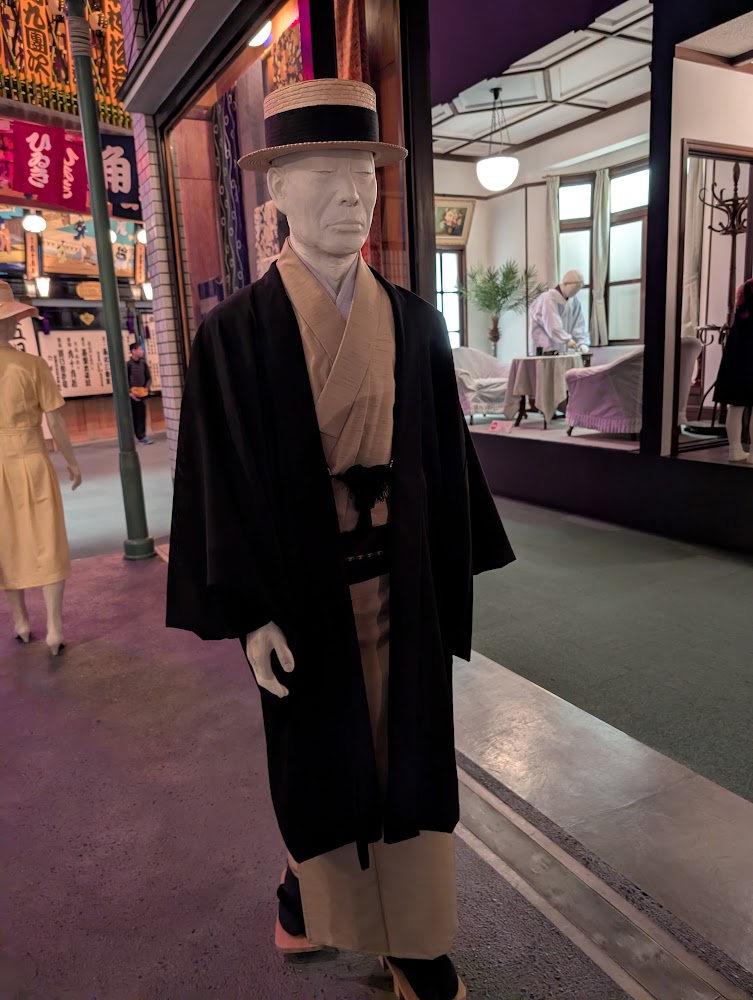
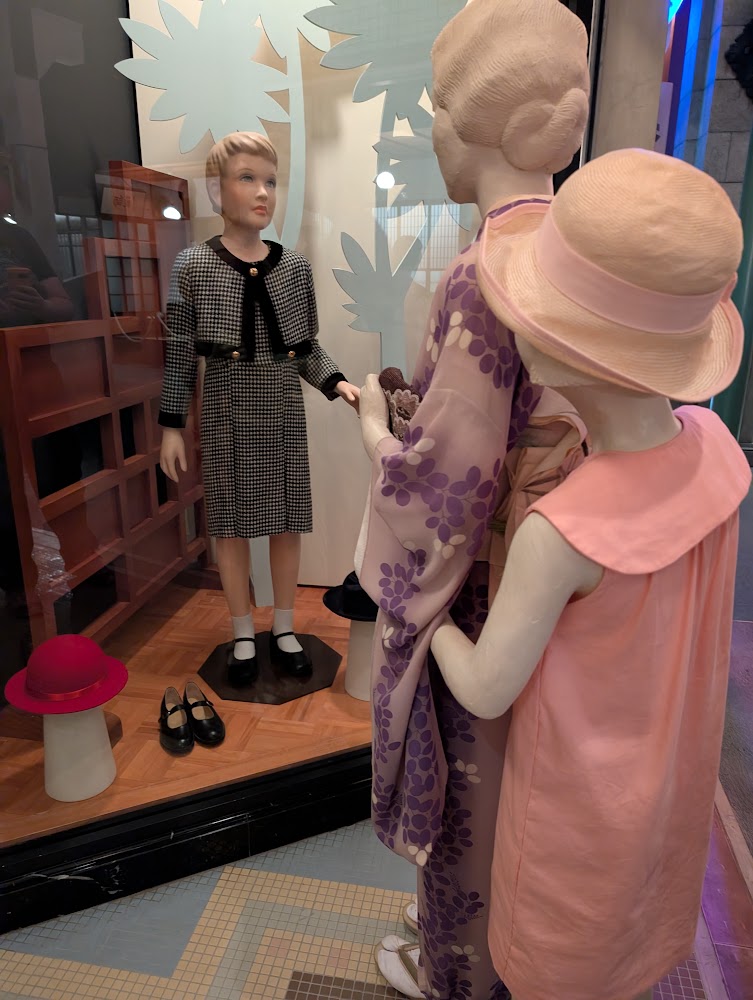
Clothing of that time also had a mix of traditional Japanese and European styles.
Next door and visible from the Osaka Museum of History is Osaka castle itself! It's in the middle of sprawling gardens and historic defensive structures, now a public park.
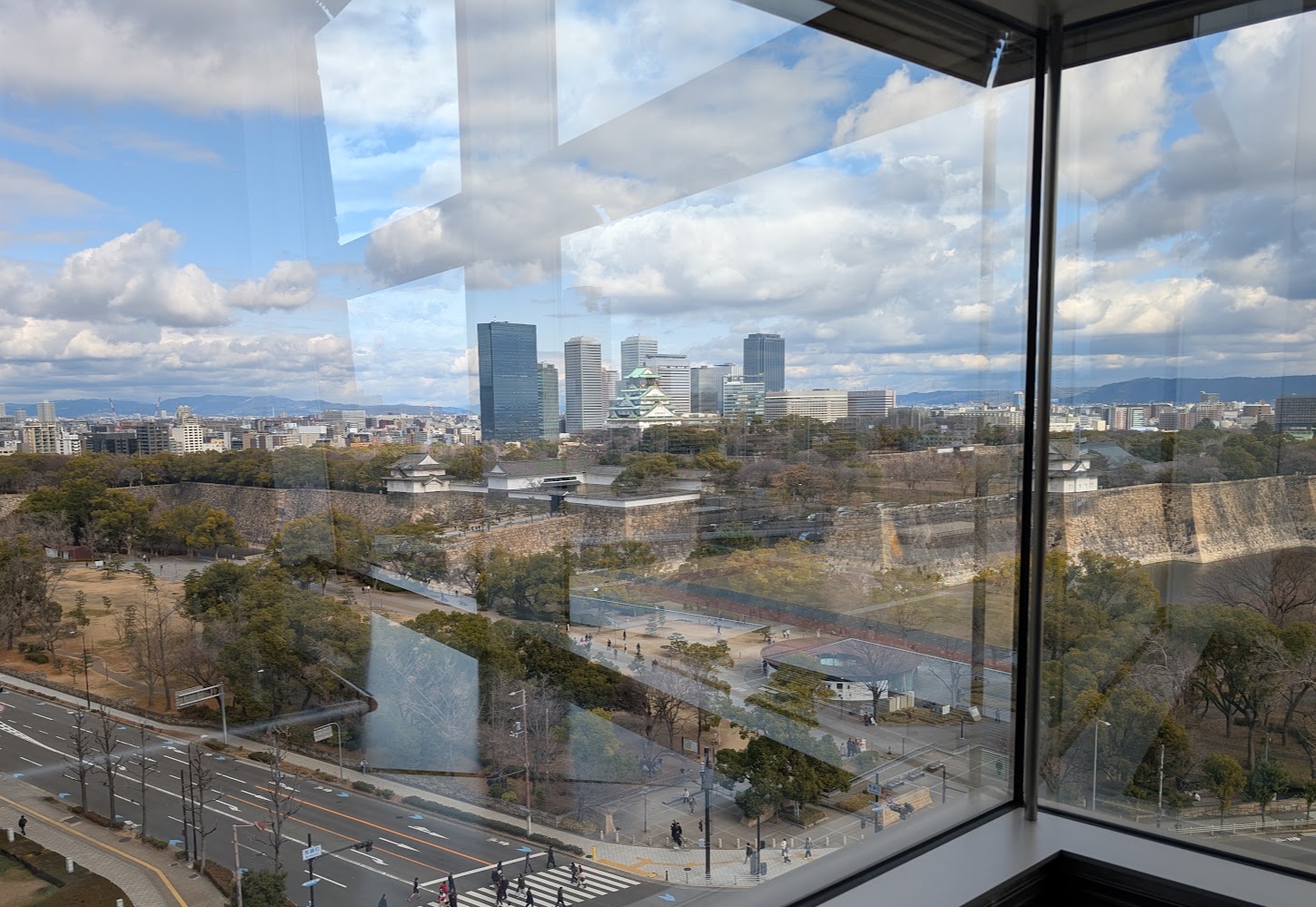
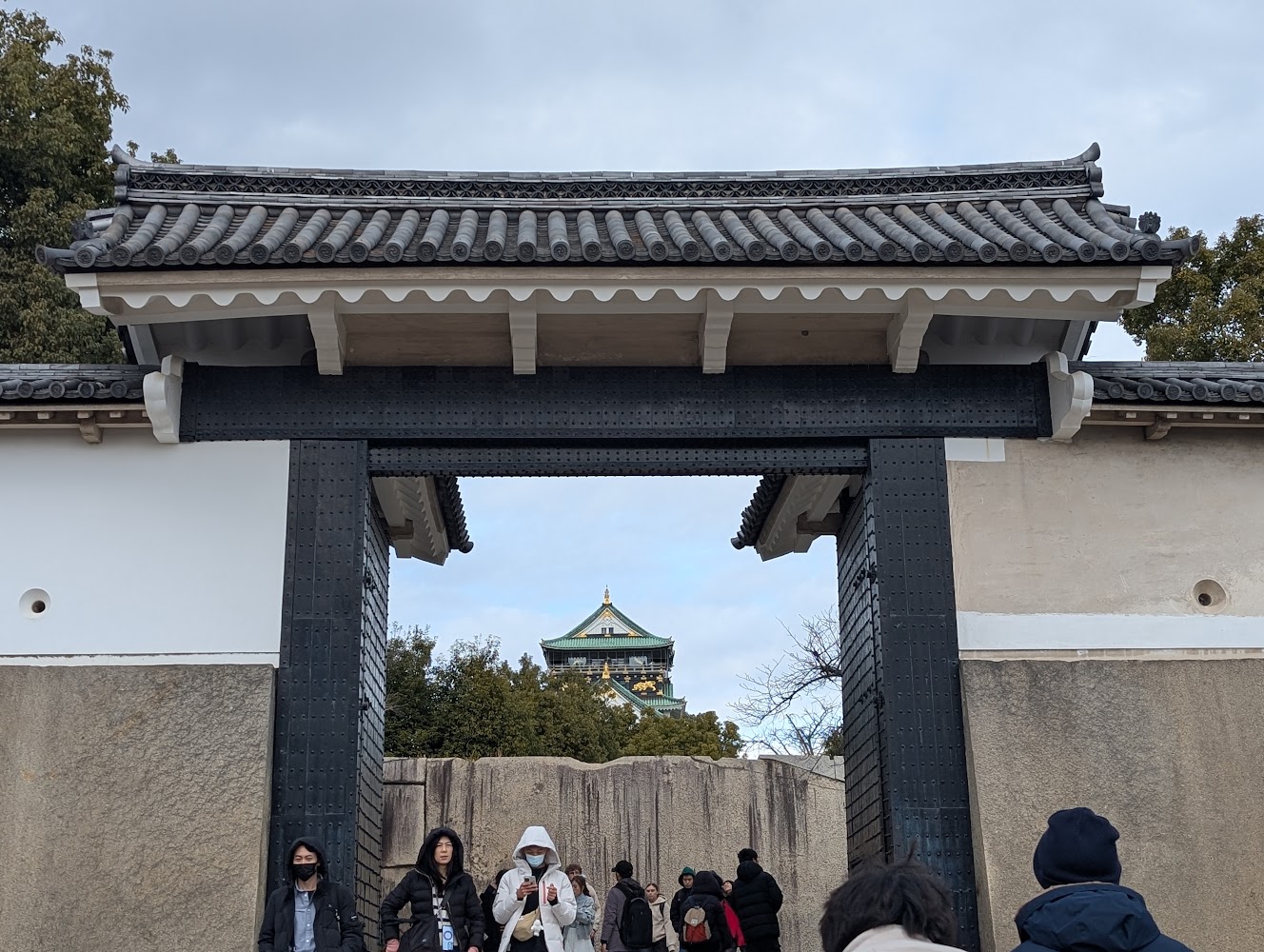
The current Osaka Castle is actually the third one. The first was white and it was burned in a battle at the beginning of the Tokugawa Shogunate. The second was black and built to be bigger and taller - even taller than the tallest shrines and temples! As punishment for the hubris, so the story goes, it was struck by lightning and burned down. The third and current one was built in the 1990s out of municipal pride (and as a tourist attraction) and blends elements of both previous castles, such as the colors.
James and I stayed outside and ended up having a lovely conversation in Japanese with some volunteer docents about the history of the castle, where we learned all that. It was a highlight of the trip and our language learning that we were able to make smalltalk and get through most of the history explanation in Japanese.
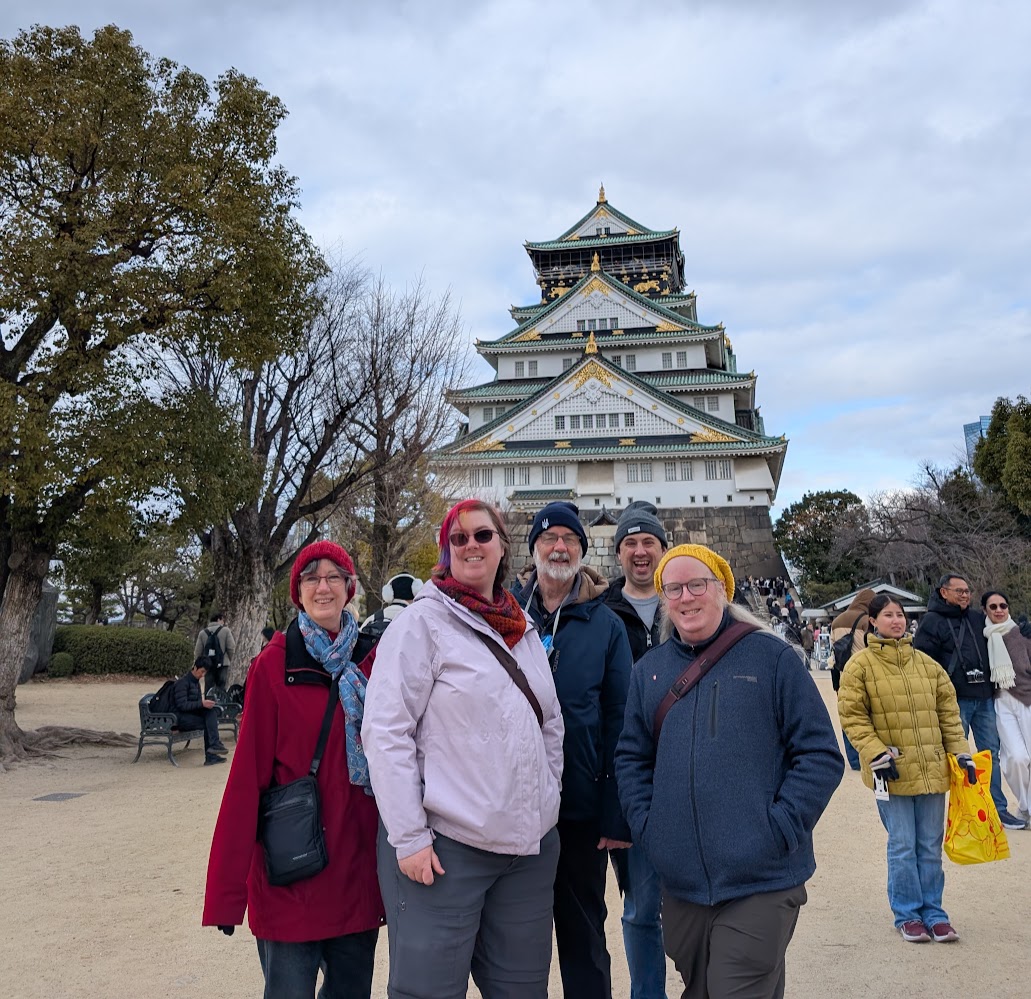
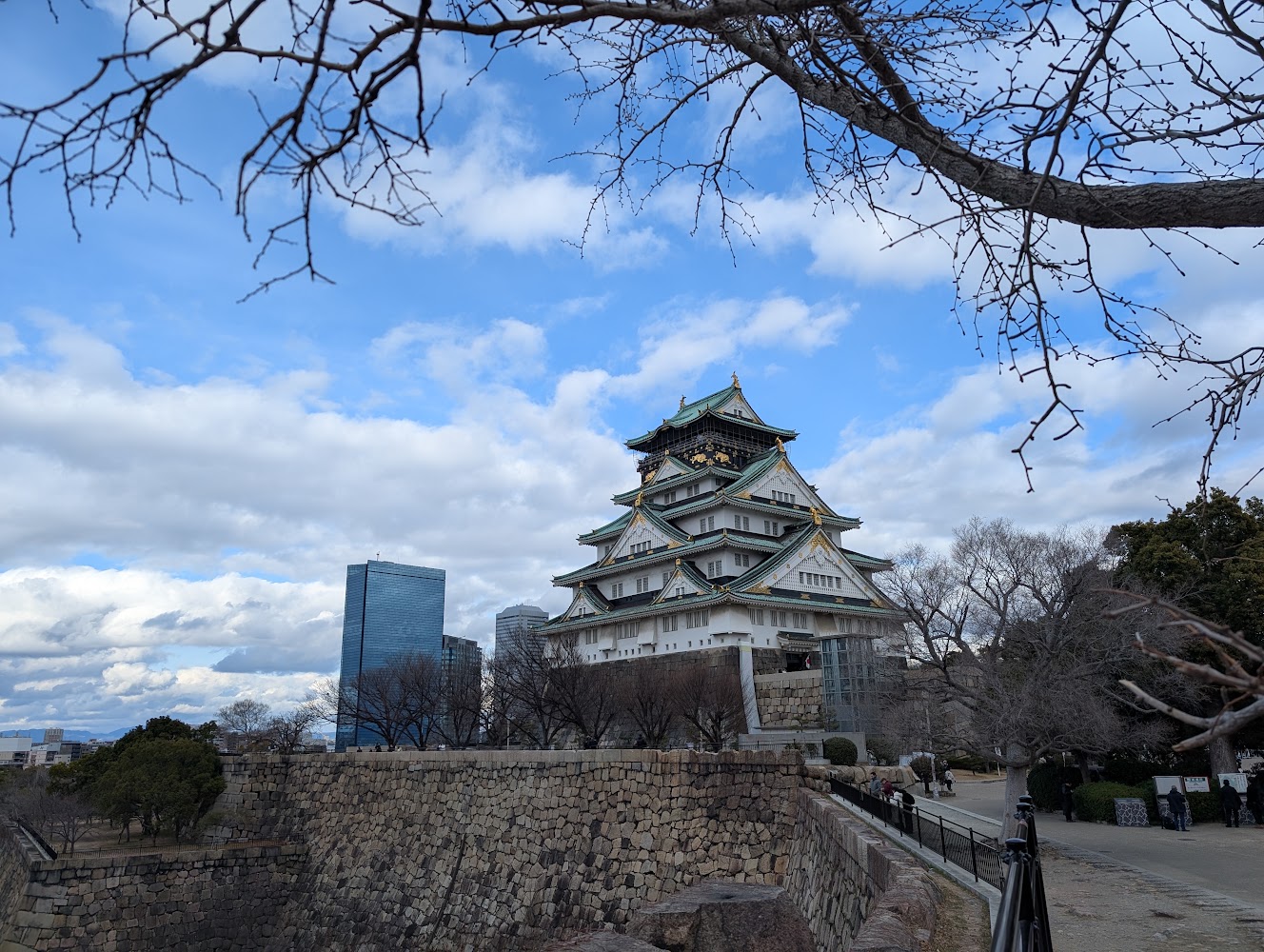
My family went in to enjoy the castle itself, which is also a museum on the history of the castle and the historical events that led to its construction (and destruction). Andrew had been watching the new TV series "Shōgun" which covers the same time period, and enjoyed seeing the historical basis of many of the events and military strategies he'd seen in the show. It also has a lovely view of the city from the top!
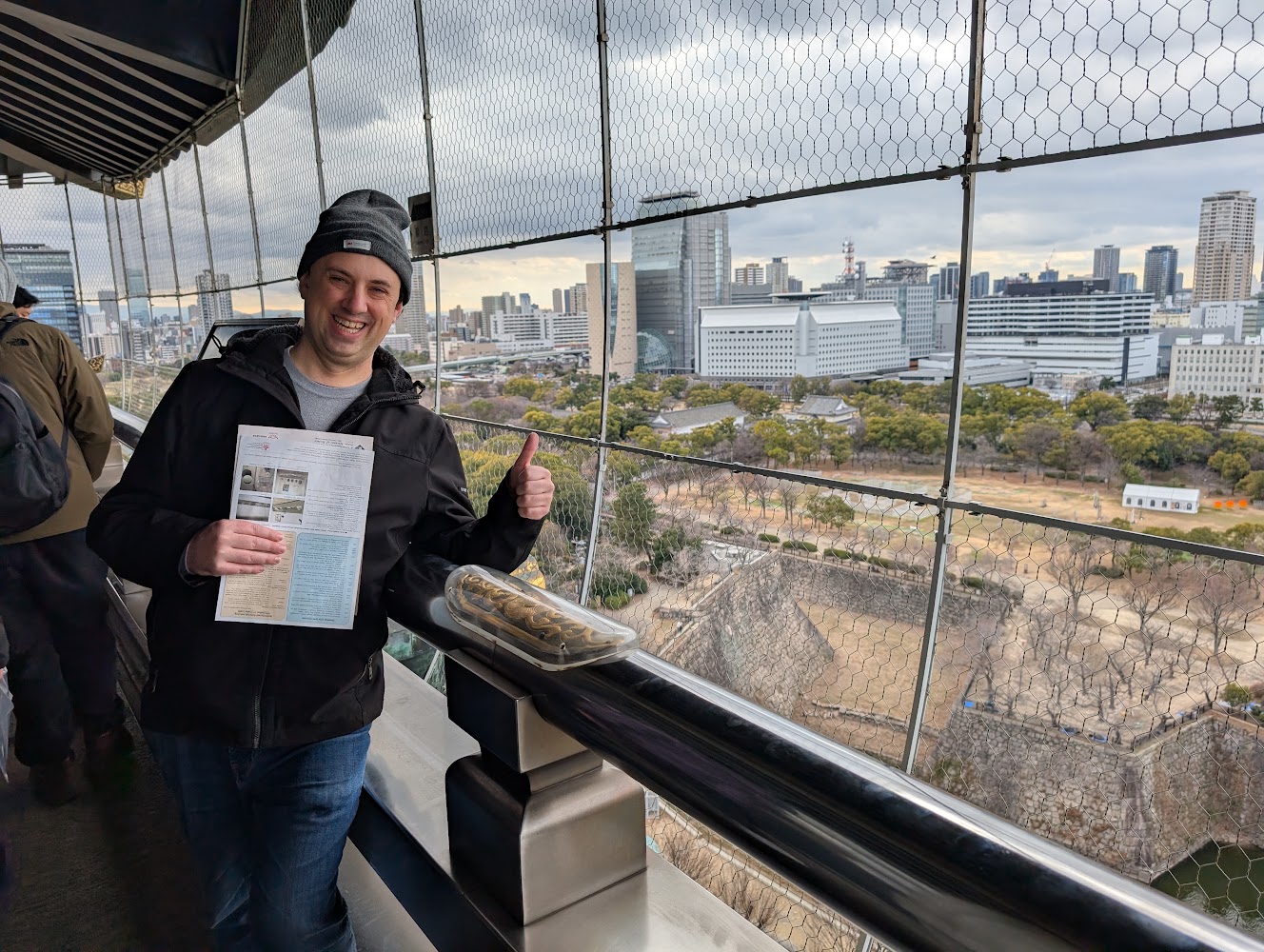
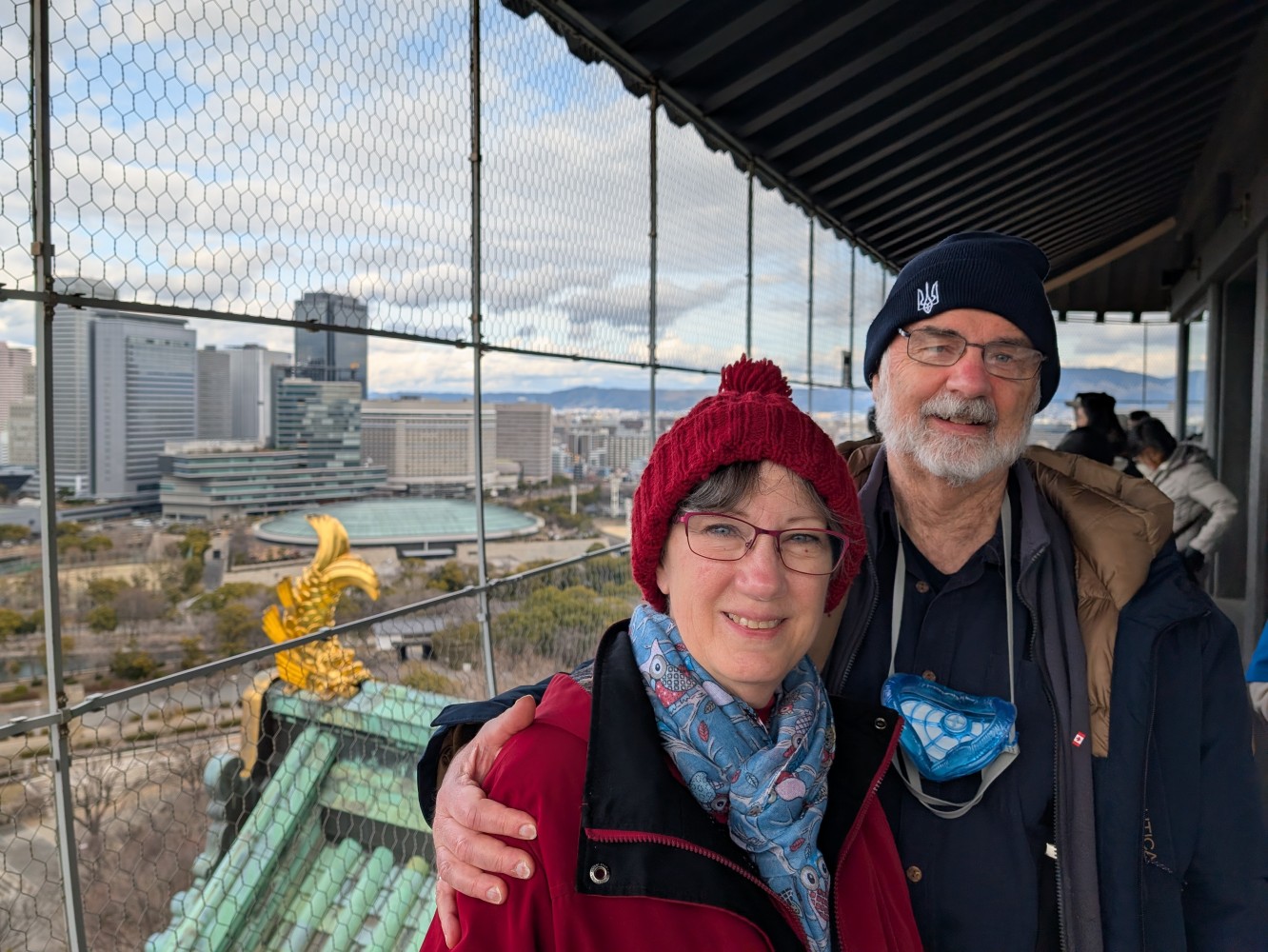
The next day we took a day trip into Kyoto to visit the other big train museum of the trip: the Kyoto Railway Museum!
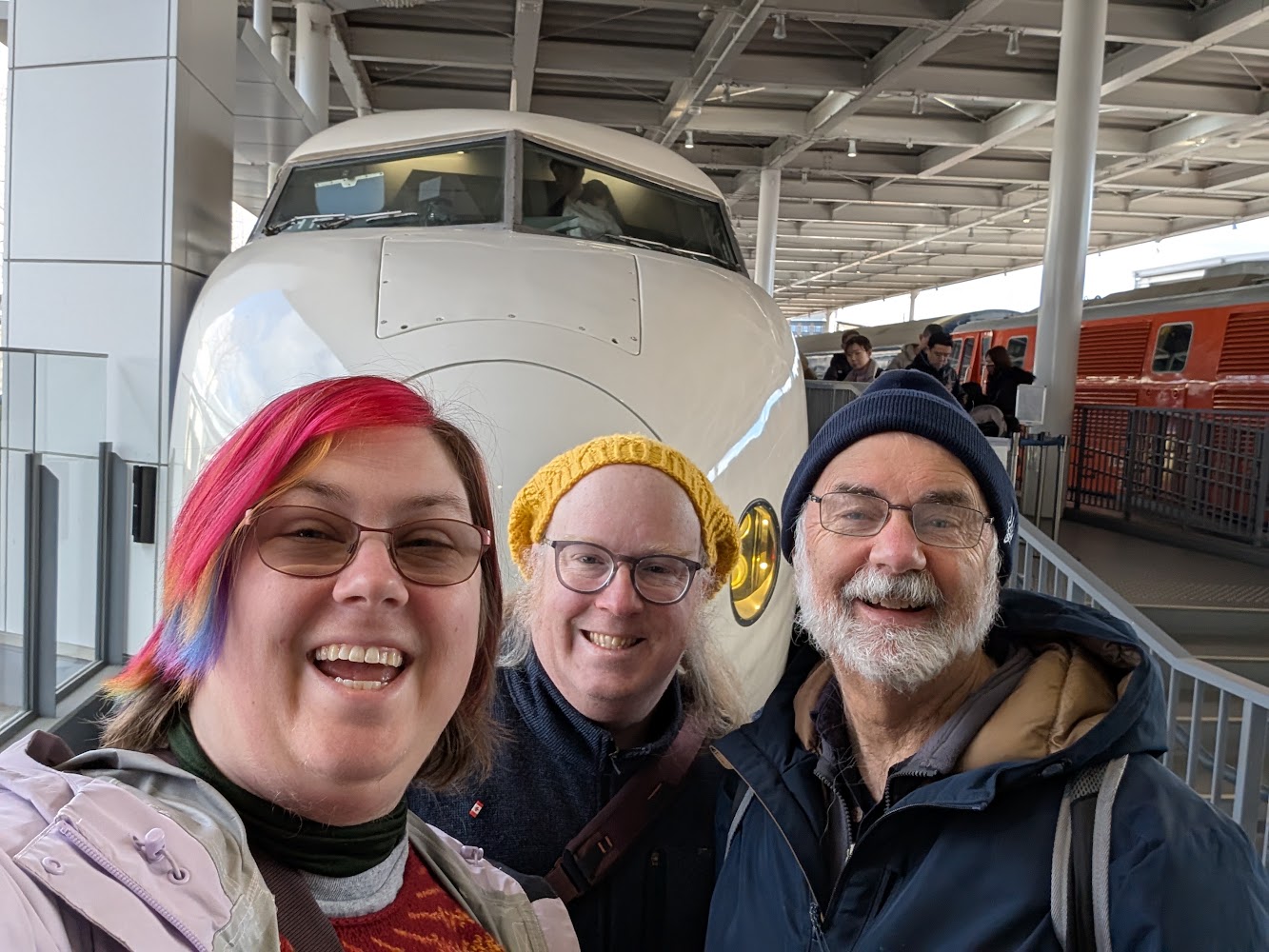
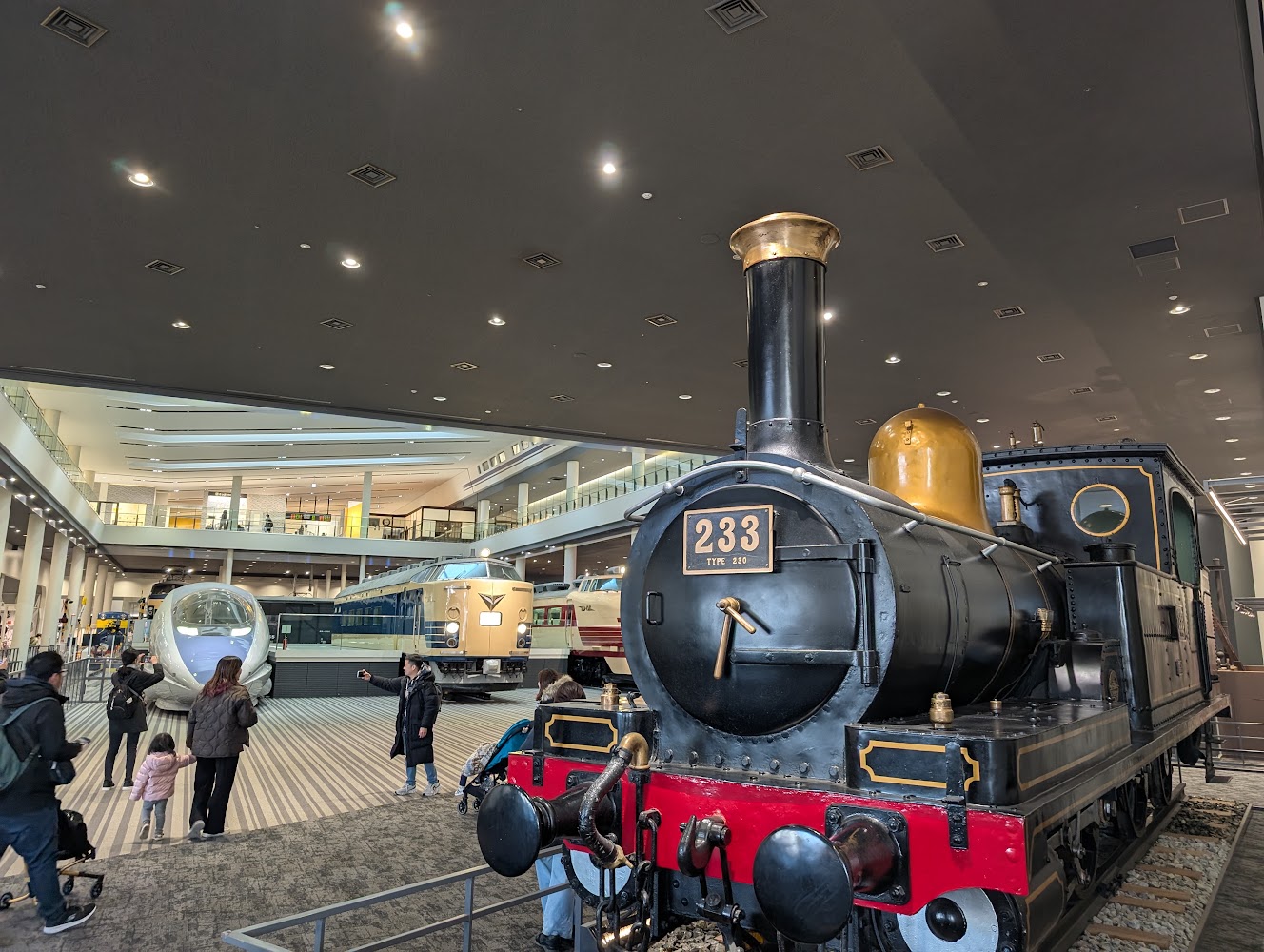
On our previous trip, we had mostly looked at the rolling stock, so we spent more time with the exhibits this time. There's a lot of interesting info available!
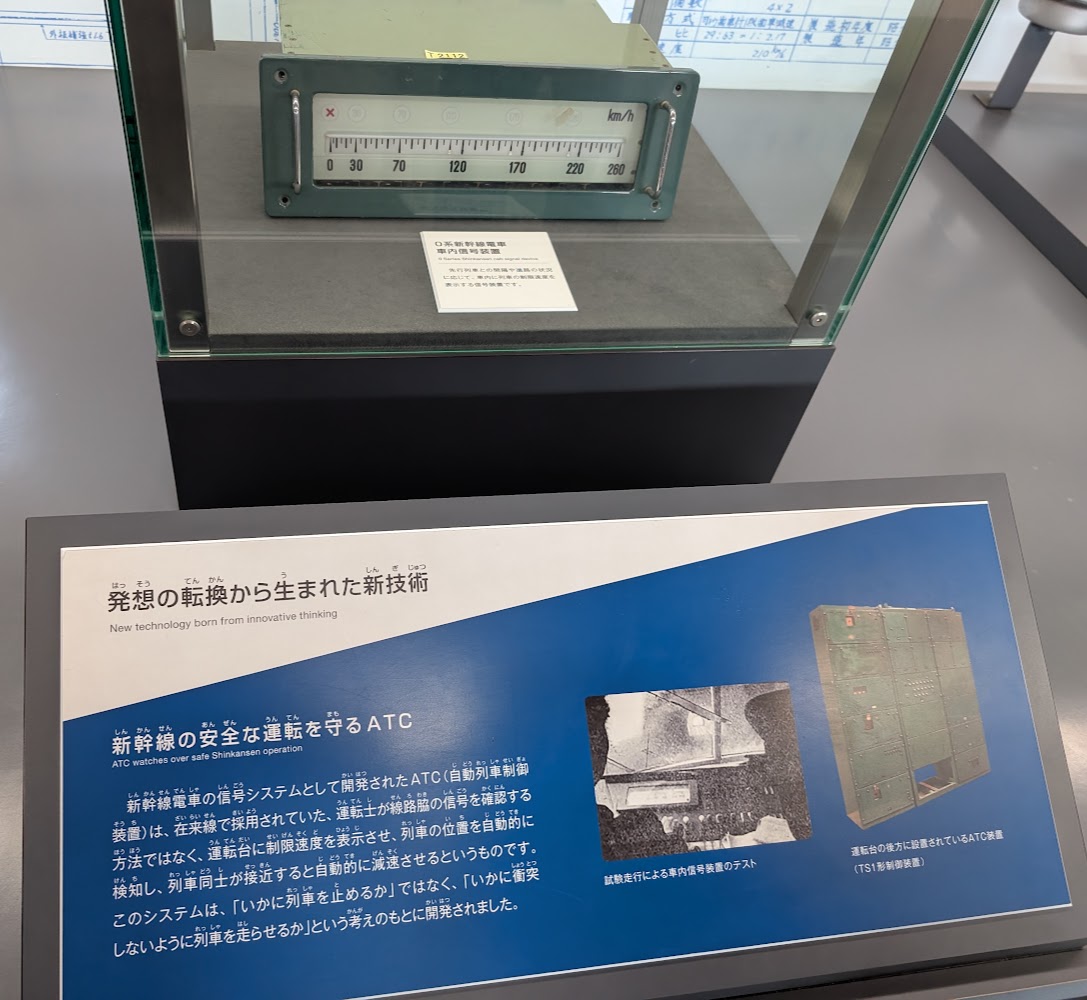
One of the exhibits talked about the change in philosophy that accompanied the development of the Shinkansen - from 'how to stop trains' to 'how to run trains in a way that avoids collisions'. For example, ATC (automatic train control) automates knowing how fast the train should be going and slows it down as it approaches other trains, compared to the old style of having really good brakes.
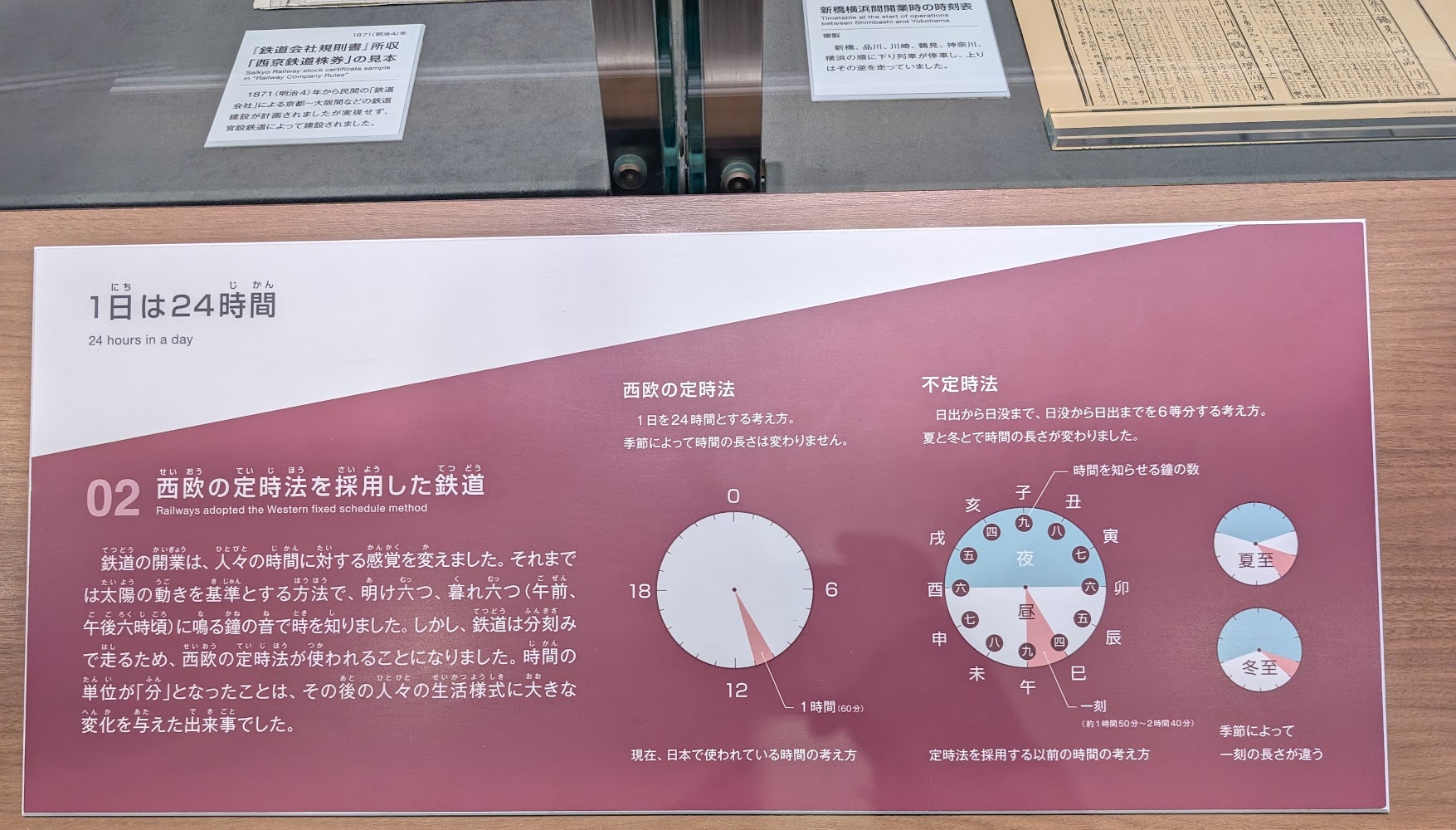
Like in Europe, trains motivated a change in how time was measured. Previously, the day had 6 hours whose lengths varied across the seasons and were marked by bells. With trains, the hours standardized on 24 hours of fixed length in a day.
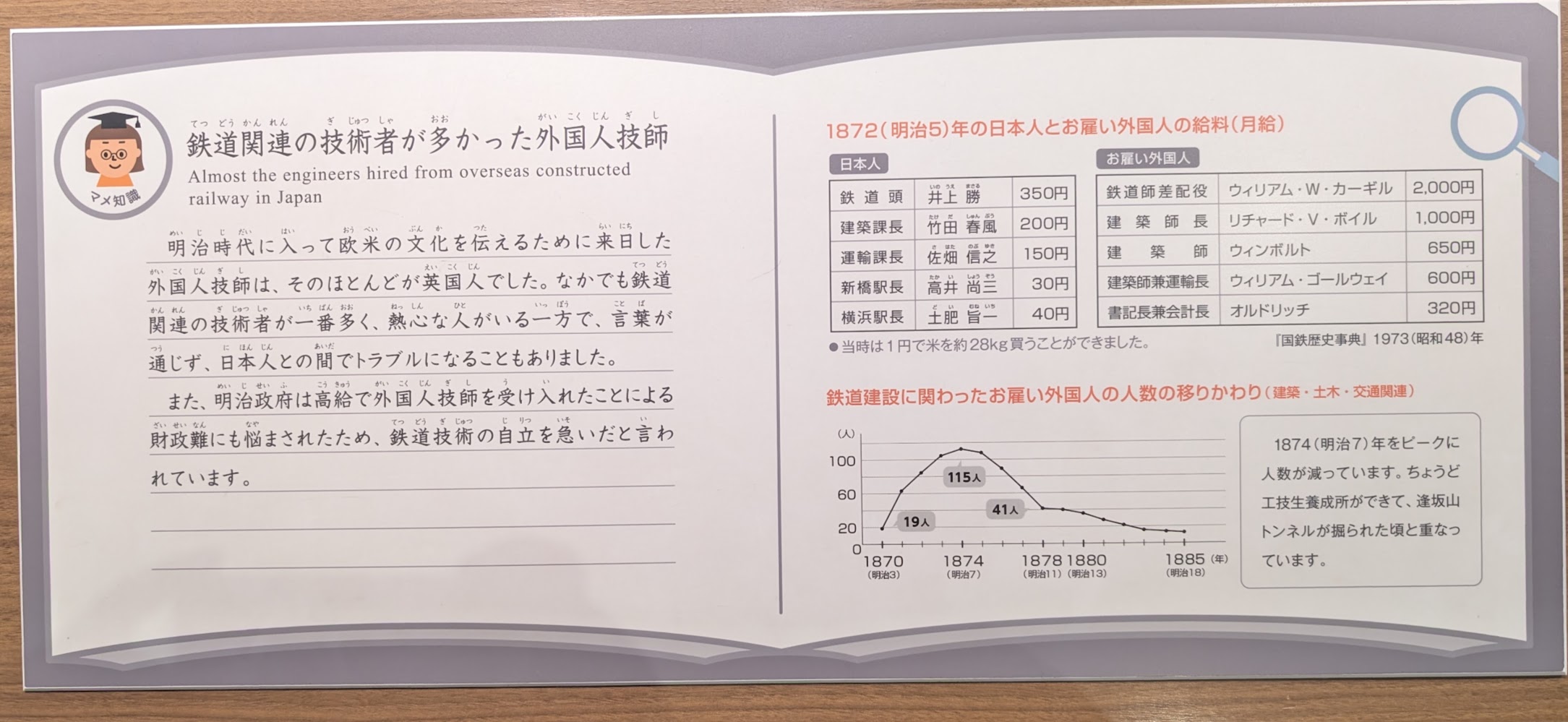
Foreign engineers, mostly from England, were paid a lot more than locals were, to the point that it was causing financial difficulties. Once a local engineering school was started, they started hiring mostly locals (which probably helped fix their budget).
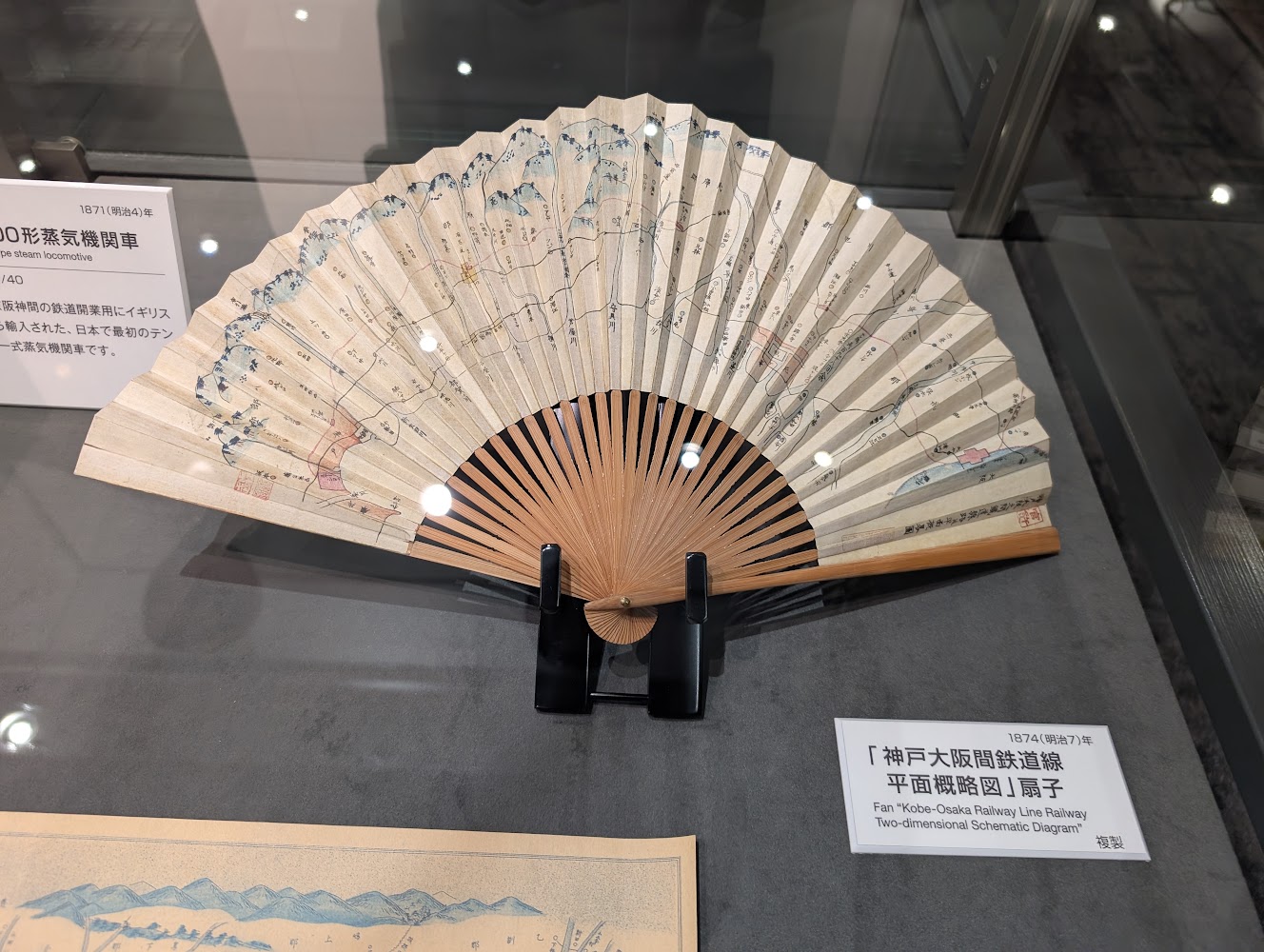
At the time, everyone was excited about trains, including ladies who could have fans with a map of the train routes.
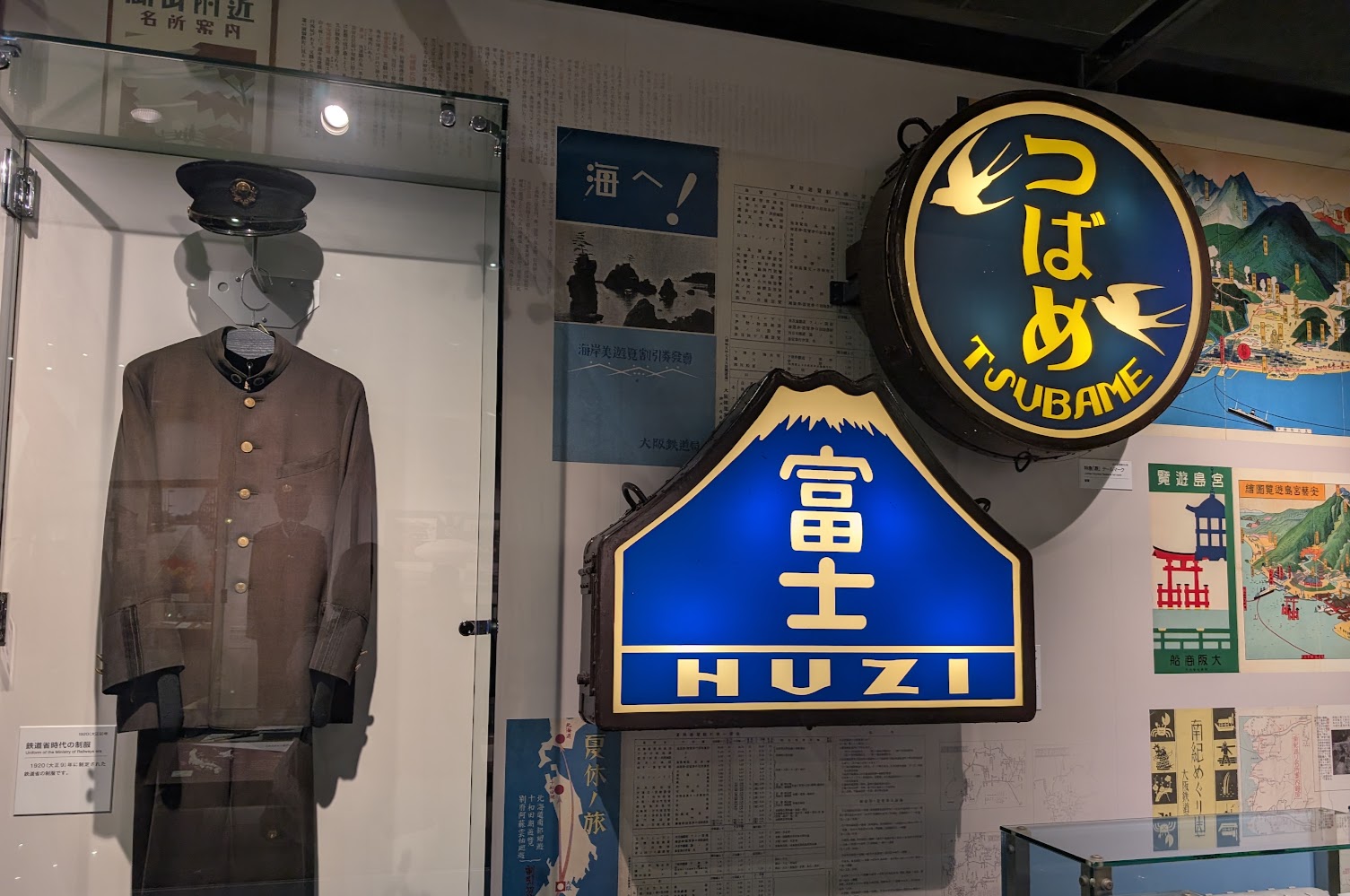
This is a collection of the signs for different special train routes, including the limited express TSUBAME that James and I have ridden on. This HUZI sign is quite funny, since it took James and I some time to realize it said "FUJI" written in an older romanization of Japanese.
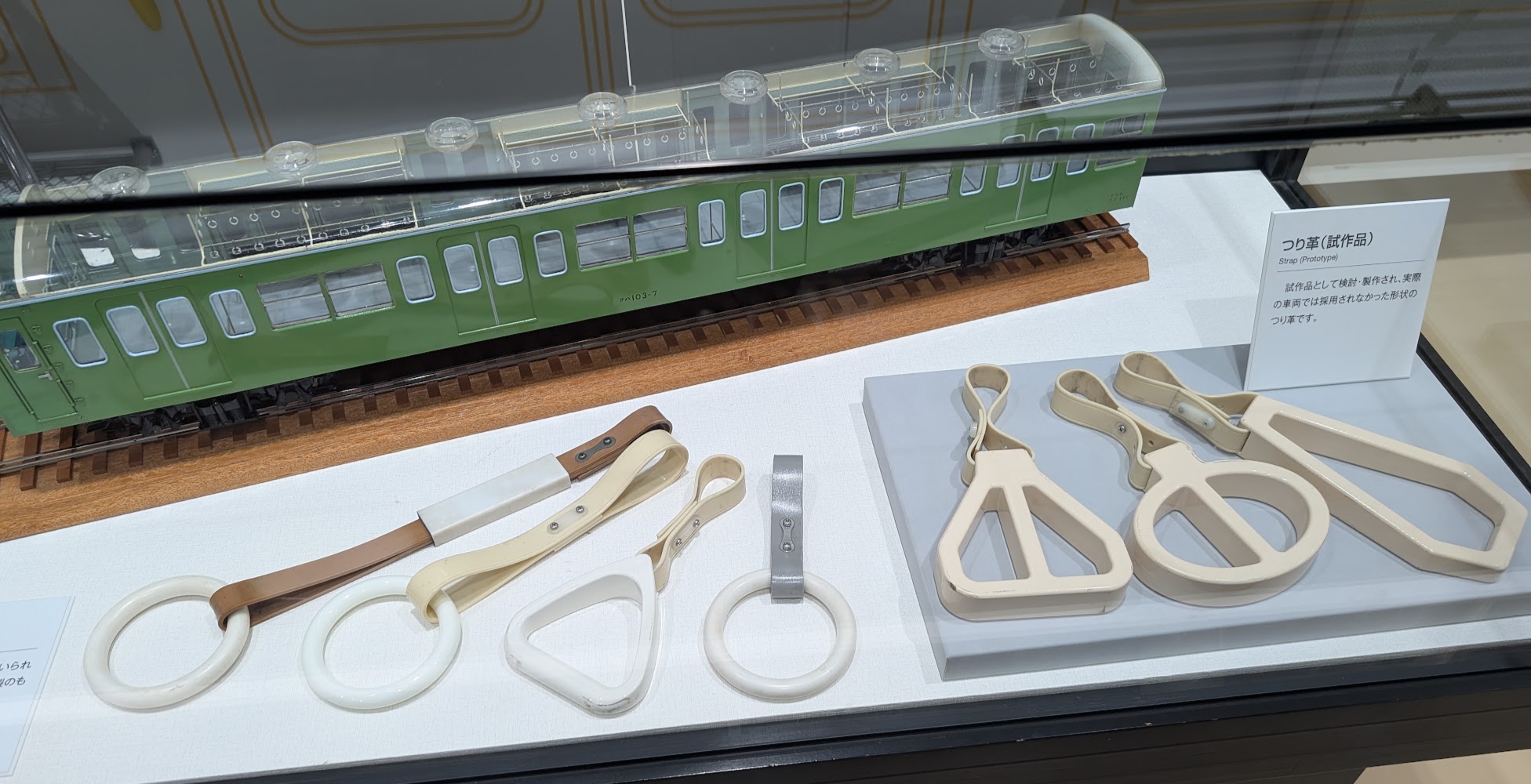
Given how ubiquitous the handles to hold on in a busy train are, I was charmed to see an exhibit showing some variants and prototypes.
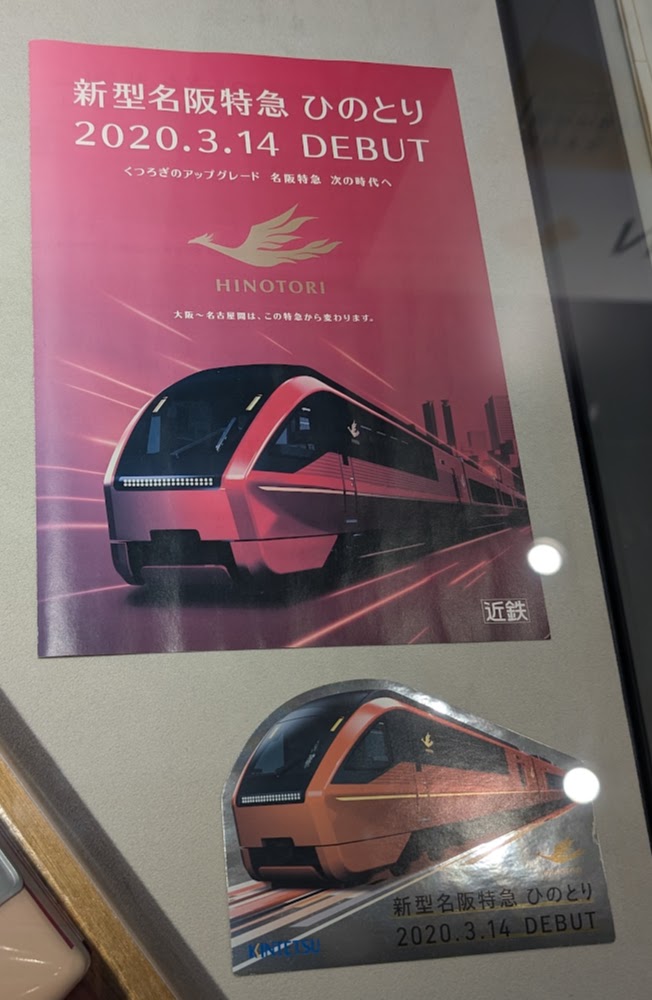
One of the local train companies had the absolute worst timing for starting a new line - March 14 2020.
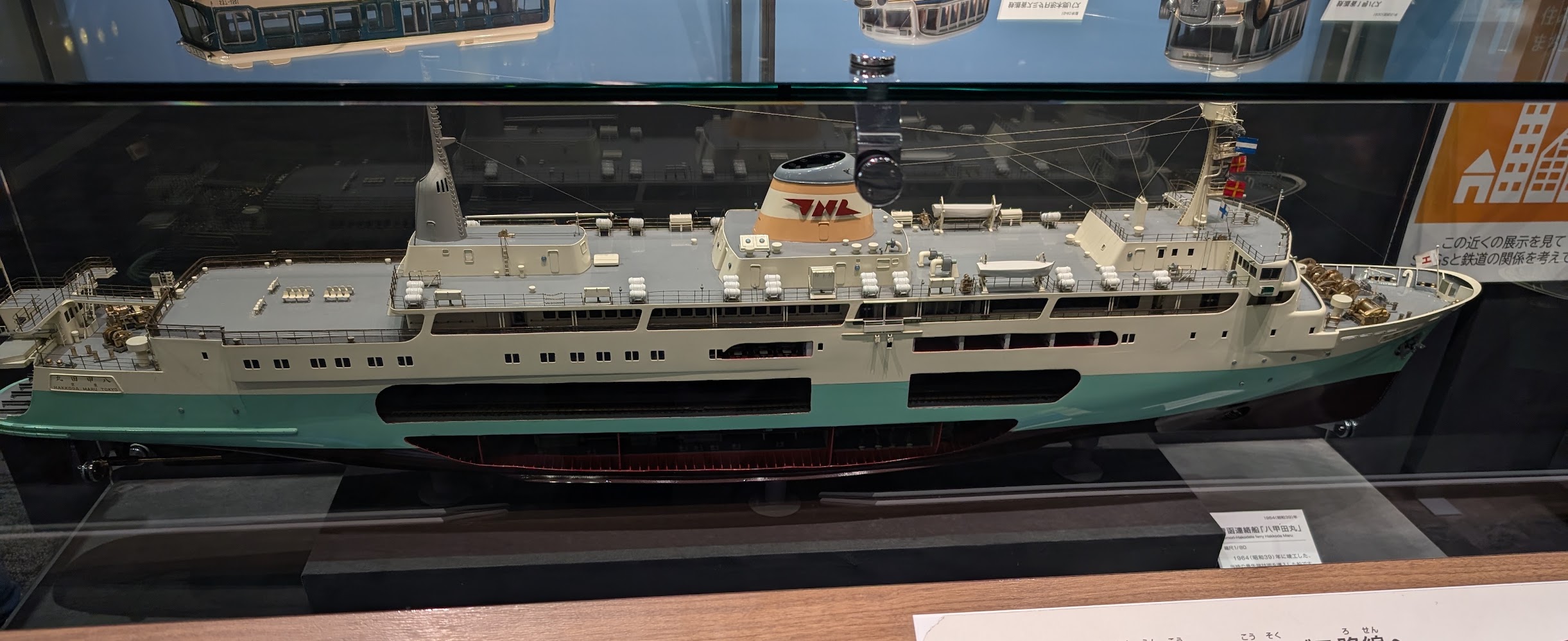
James and I visited the full sized version of this boat, the Hakkoda-maru, on our previous trip in Aomori! It was a train ferry between Honshu and Hokkaido to the north.
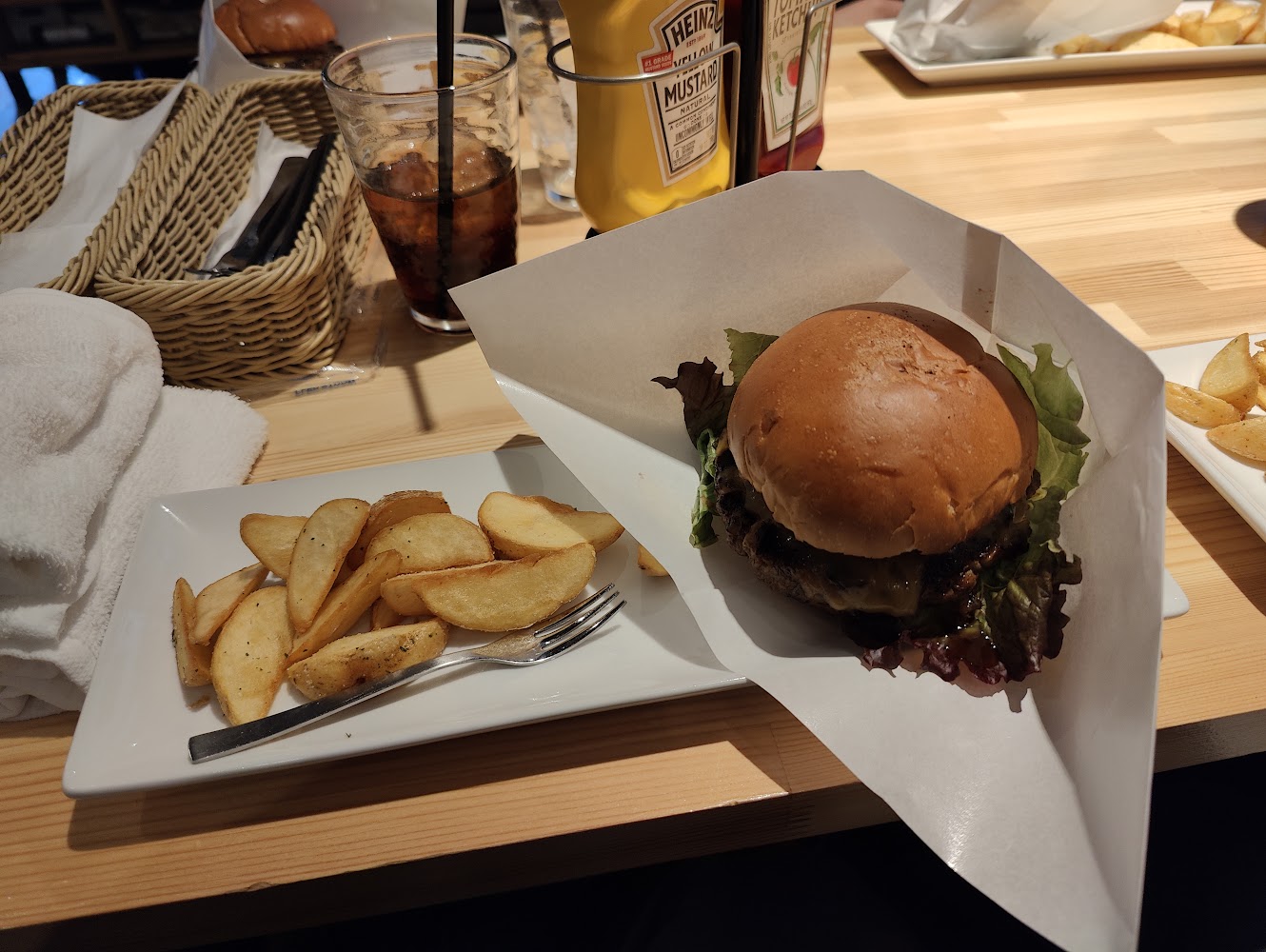
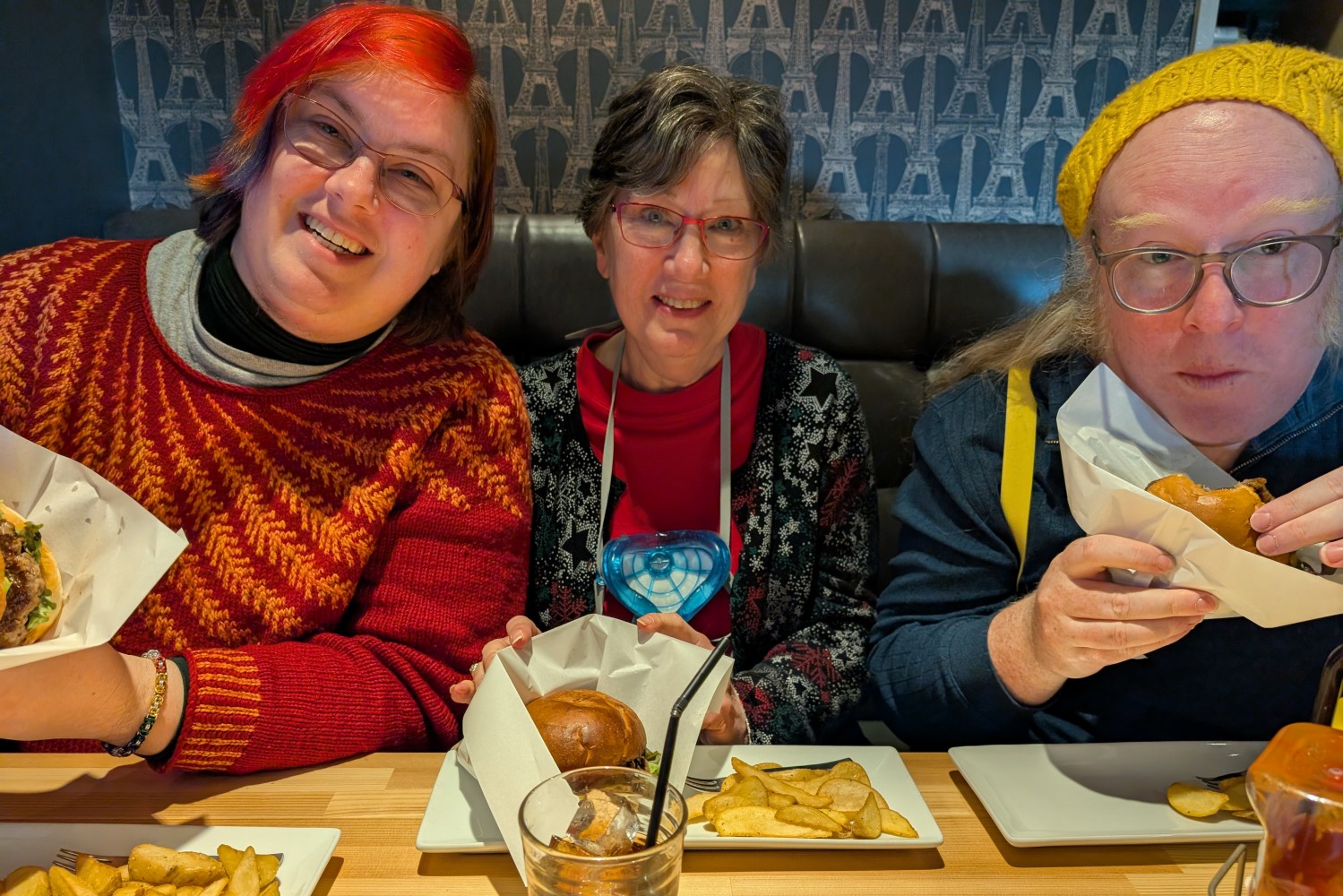
We took a break for lunch at a fancy Japanese wagyu beef burger place because it was nearby. It was one of the more expensive meals of the trip but delicious.
But we hadn't seen the whole museum yet! So we went back for more trains.
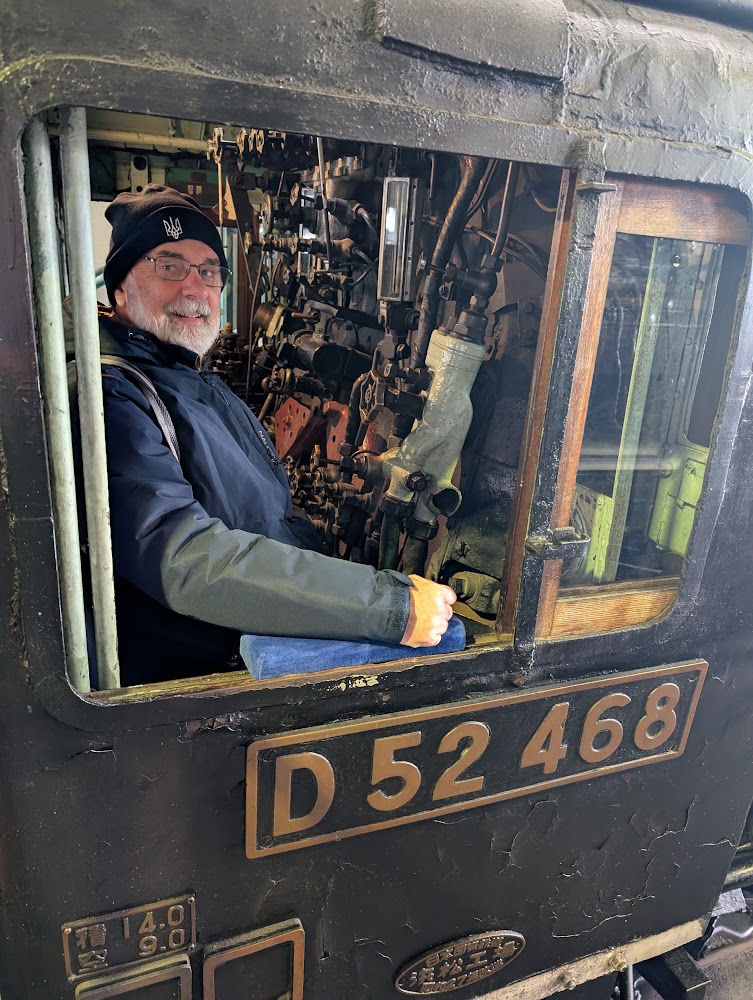
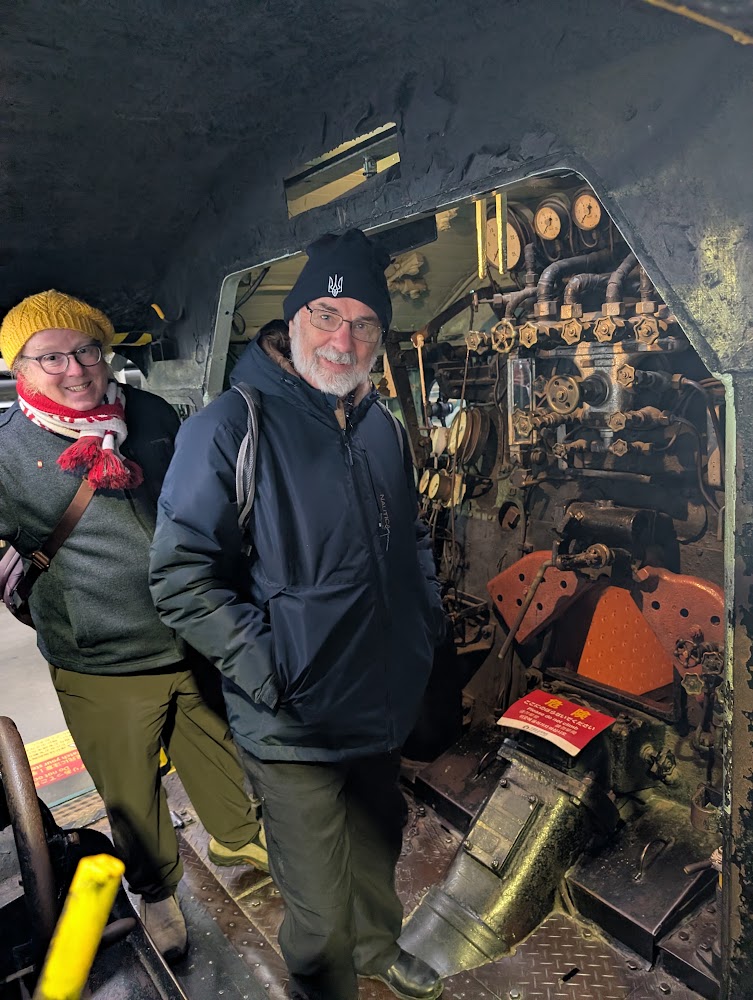
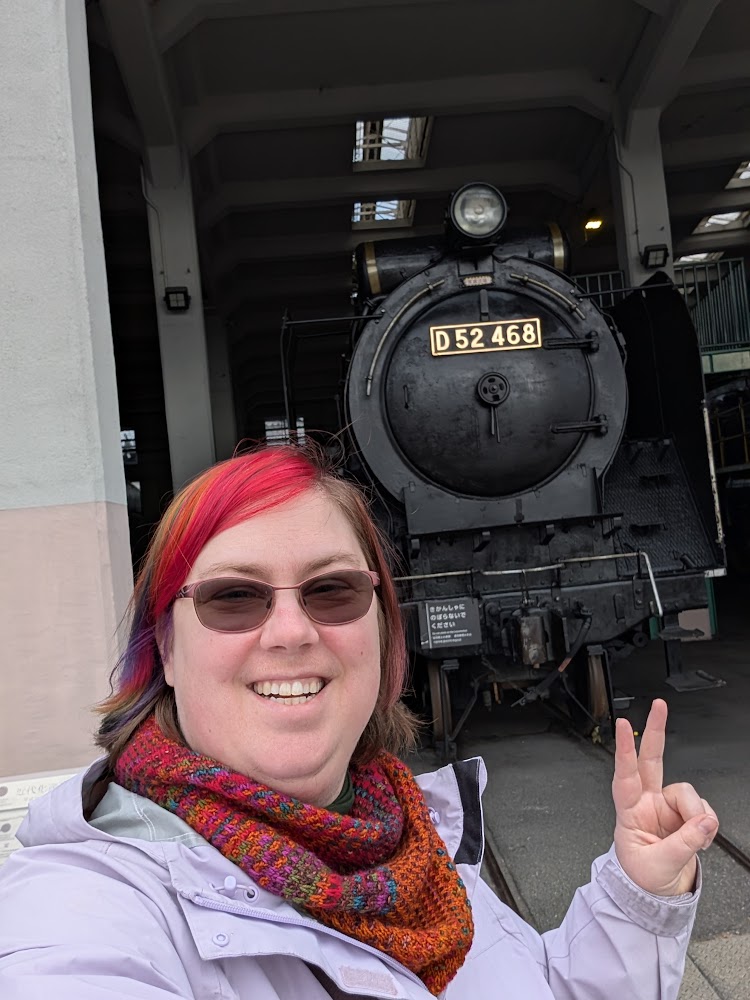
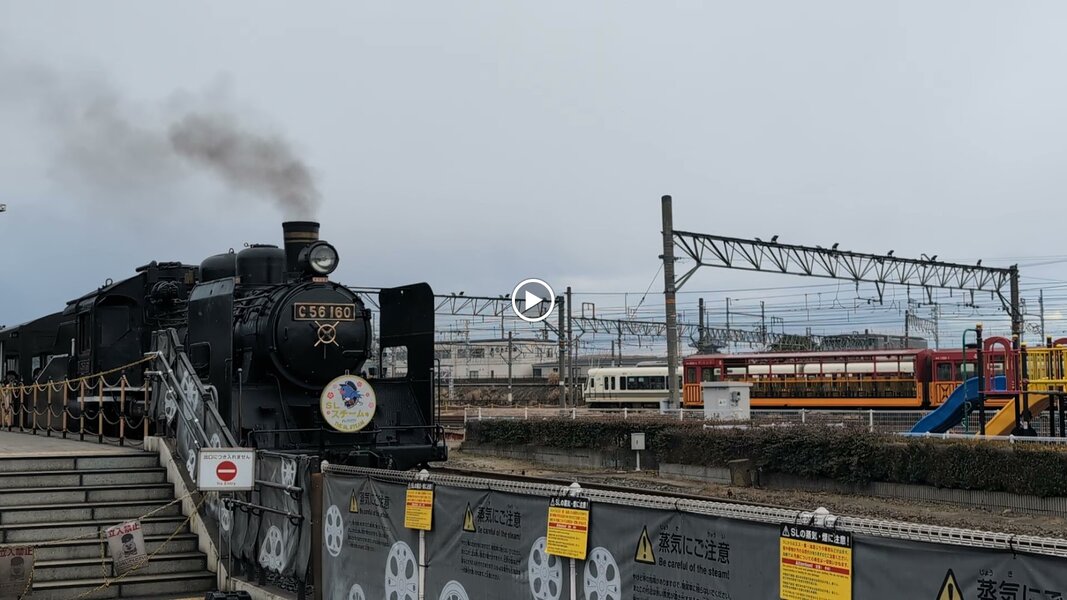
We didn't get a ride on the steam train this time, but I did get a video with three very different trains: the steam train, a local train, and Shinkansen train in the background!
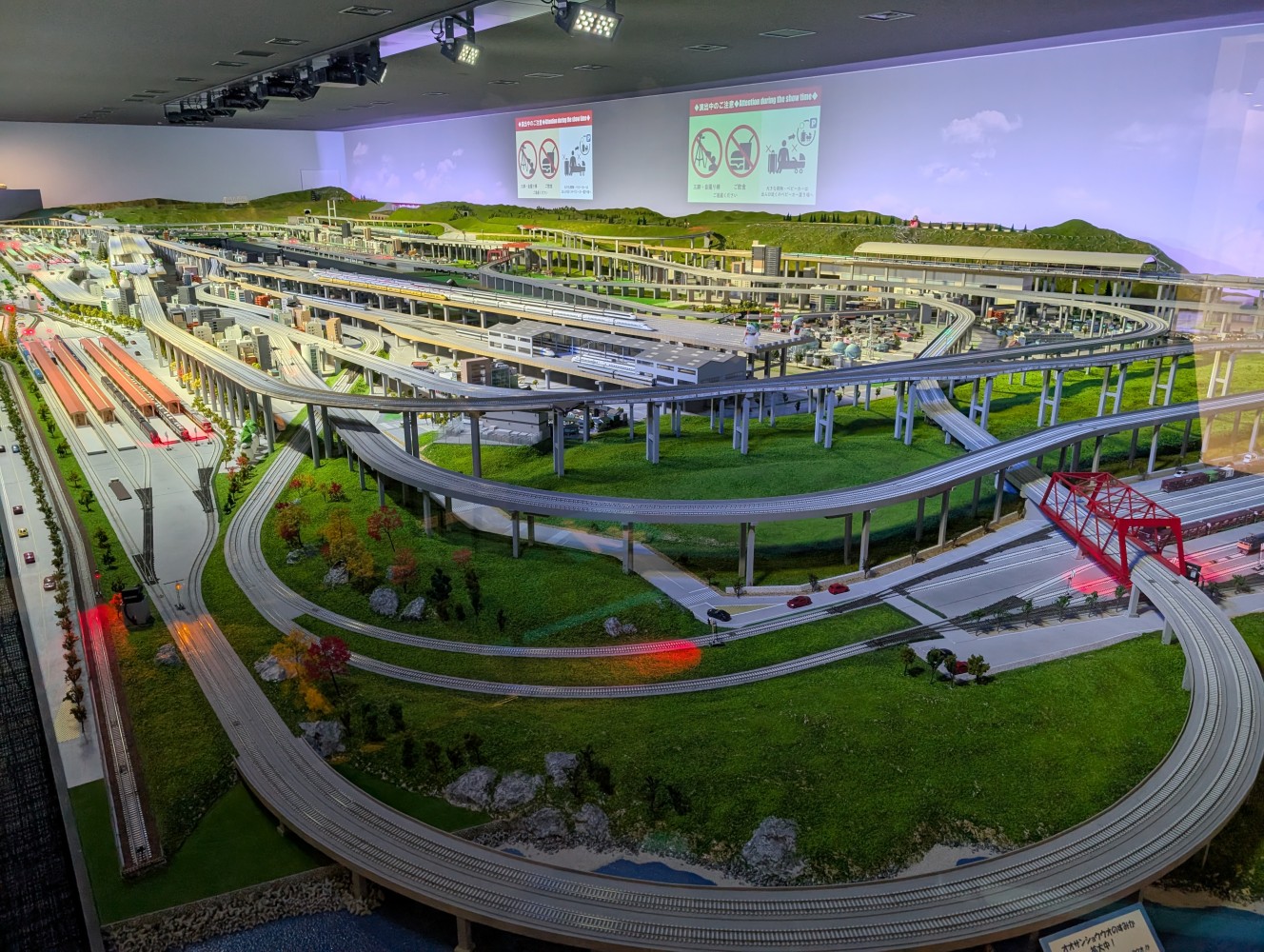
My family watched a fun mini train show on this impressive diorama. Unfortunately, they didn't allow late entry so James and I missed it.
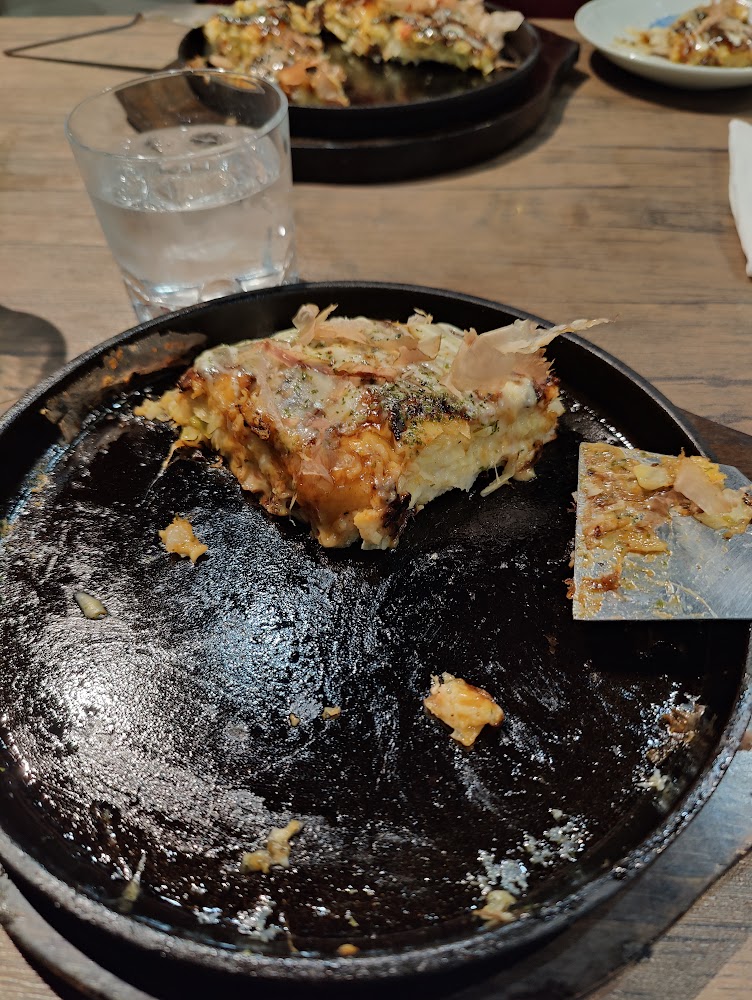
We were all tired and cold that evening so I suggested a super nearby restaurant, only 100m from where were staying. It was in a converted house, run by a single person (with his young kid around too), and ended up being a favourite of the trip. James especially enjoyed the unexpected cheese and mochi okonomiyaki, while I enjoyed the classic pork okonomiyaki. We liked it so much we went back a second time! They also had the rare case of an alcoholic drink that I enjoyed enough to finish, a lemon chu-hai (lemon, soda water and sochu)
And of course, taiyaki for dessert.
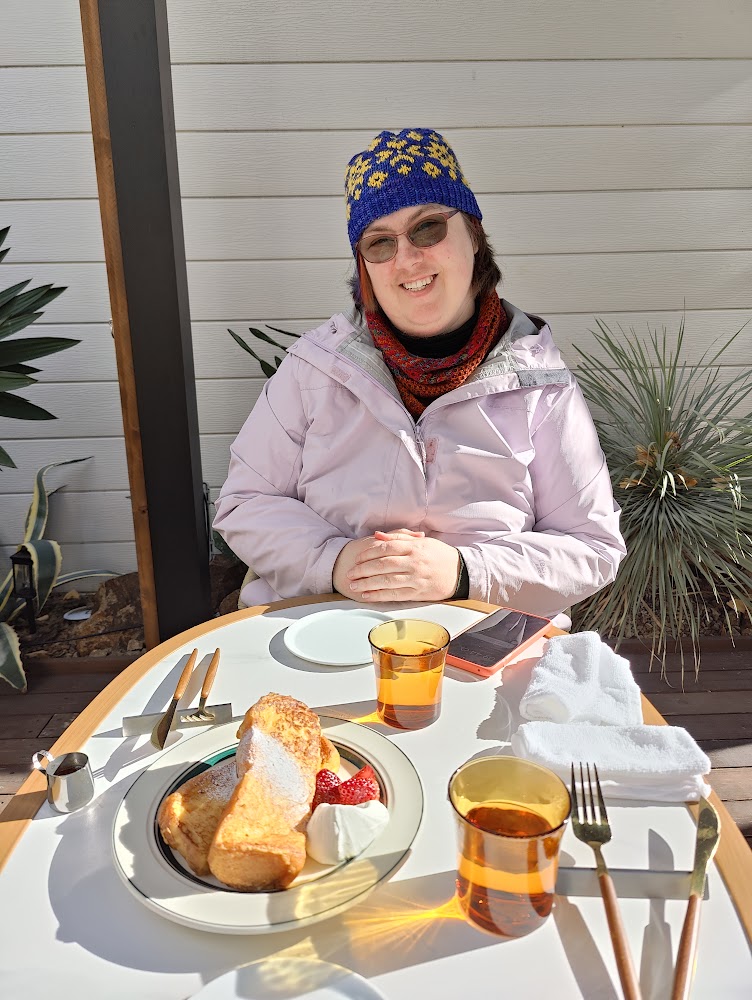
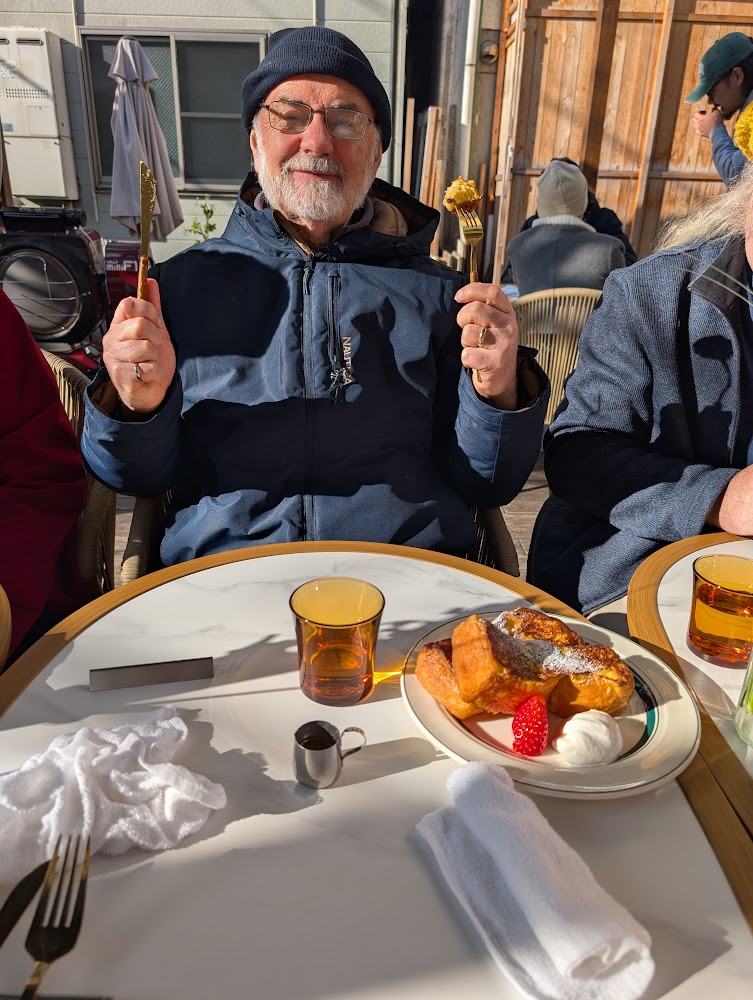
James and I wanted to go out for breakfast when the others didn't, so we found the only cafe in the neighbourhood that was open before 10am. All the seating was outdoors (so a little chilly, even with the heater), but the rich and fluffy caramel french toast was worth it. We liked it so much we took everyone else there before we left Osaka!
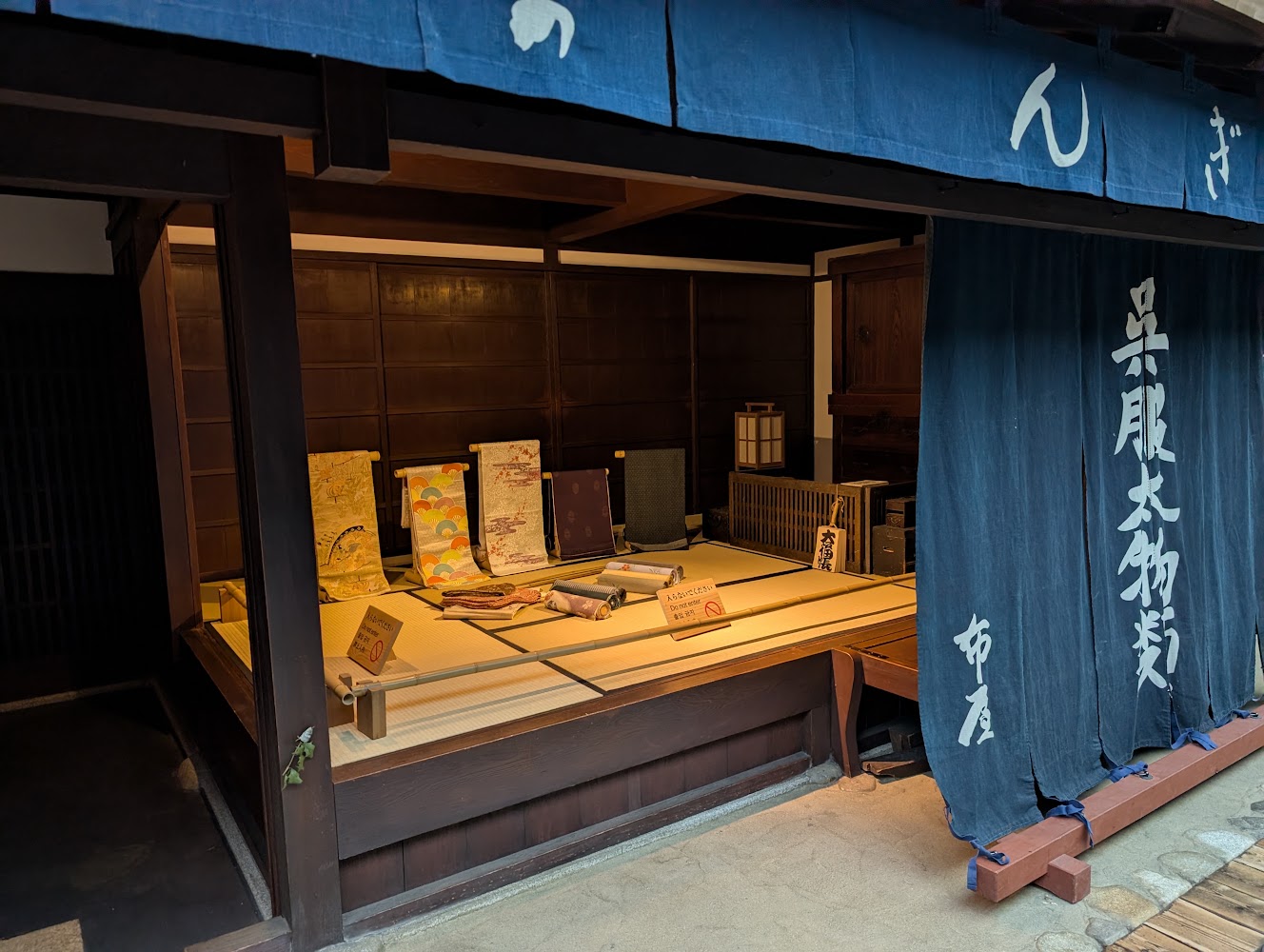
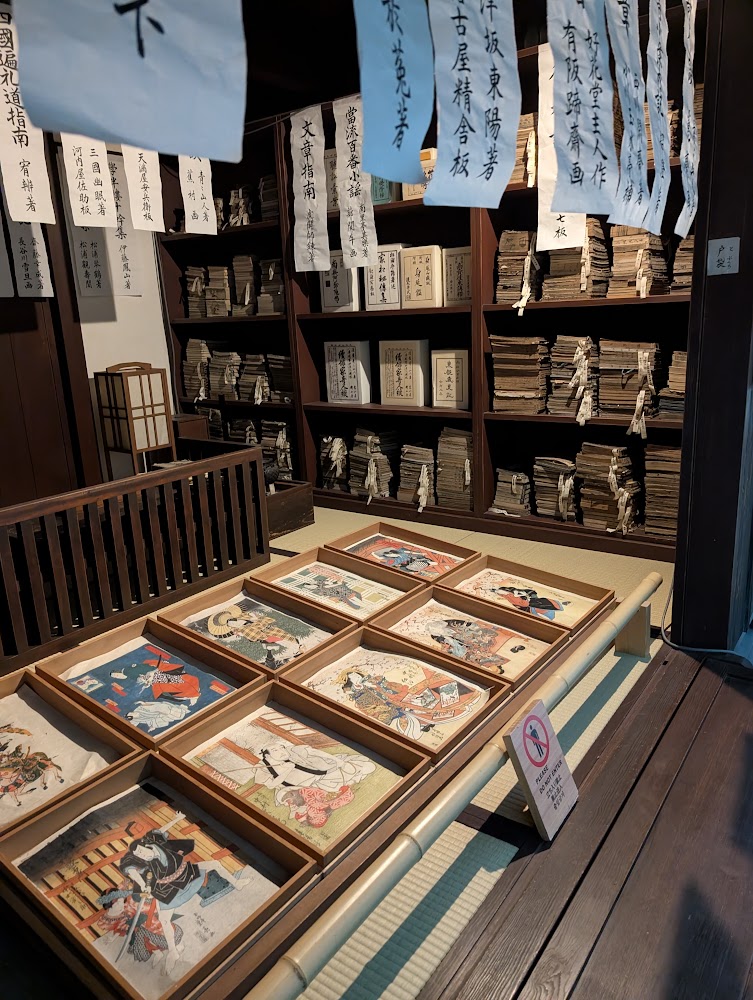
The last museum we visited in Osaka was the Museum of Housing and Living, which contained a life size reconstruction of a couple of streets from Edo period (1800s) Osaka. The main drag was full of shops, an onsen, a fancy house and the neighbourhood meeting hall. We got a brief demonstration of some historic and extremely clever security options for the shops.
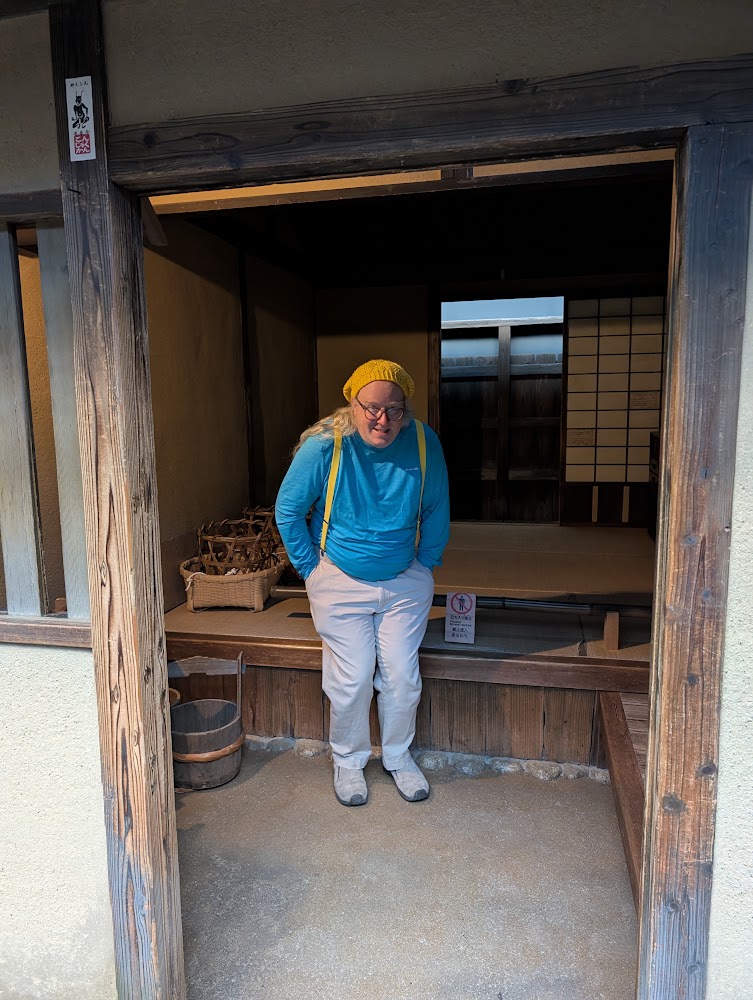
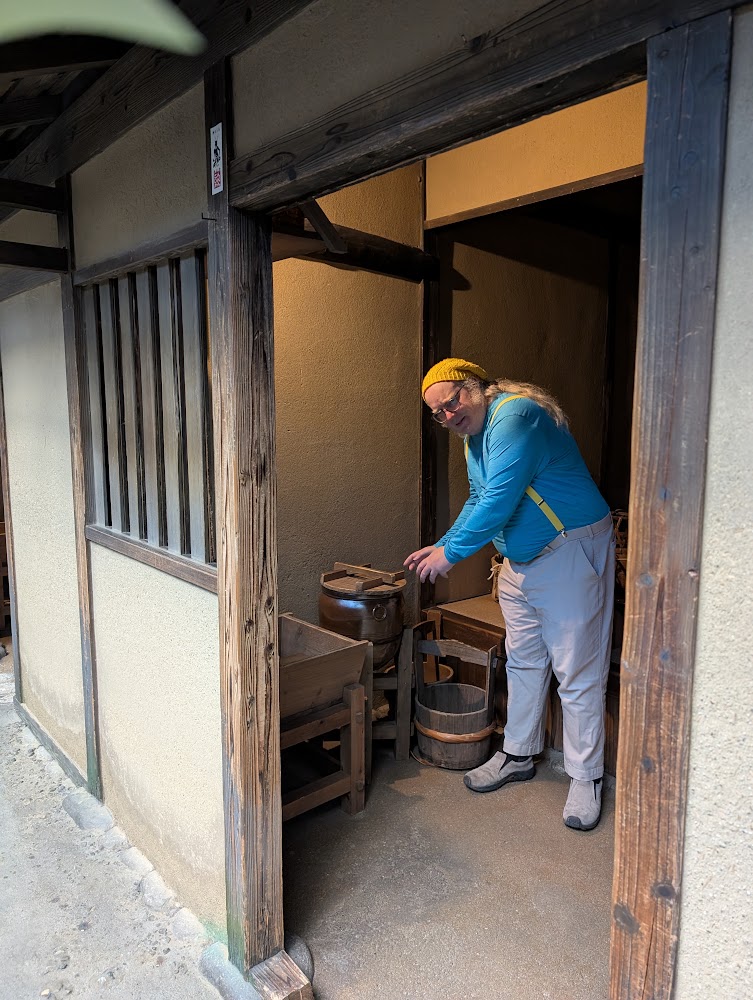
Behind the shops and fancy houses was a row of tenement housing. Even by modern standards, the quarters were cramped. They were only one room with just enough space for a couple tatami and a tiny kitchen, and might have had a whole family living in them. The toilet at the end of the row was shared. We joked this was James' new kitchen.
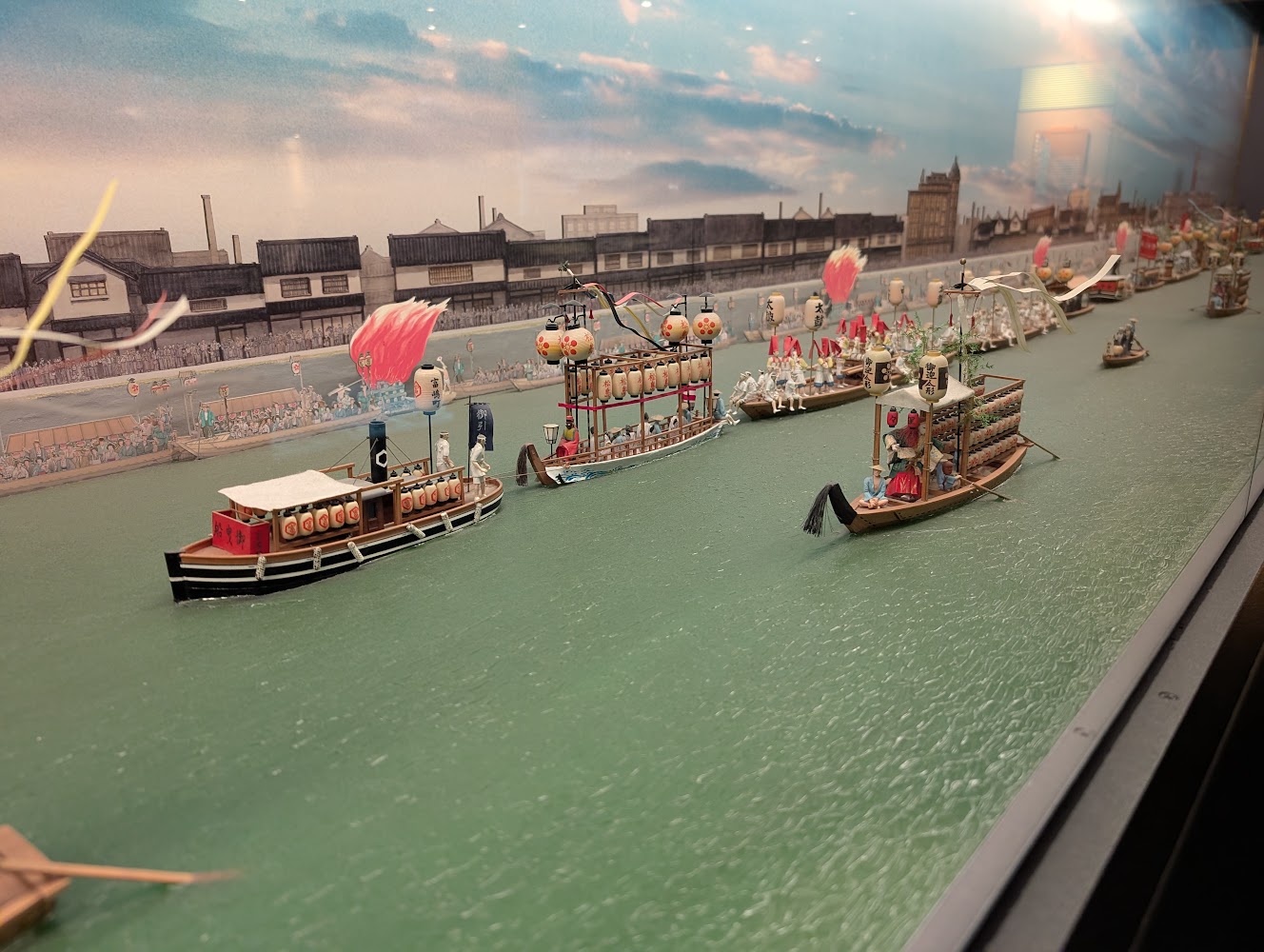
The other half of the museum had many smaller dioramas - our fave! Several continued the theme of having traditional elements alongside modern technology - traditional floats pulled by steamer or a European facade with tatami rooms.
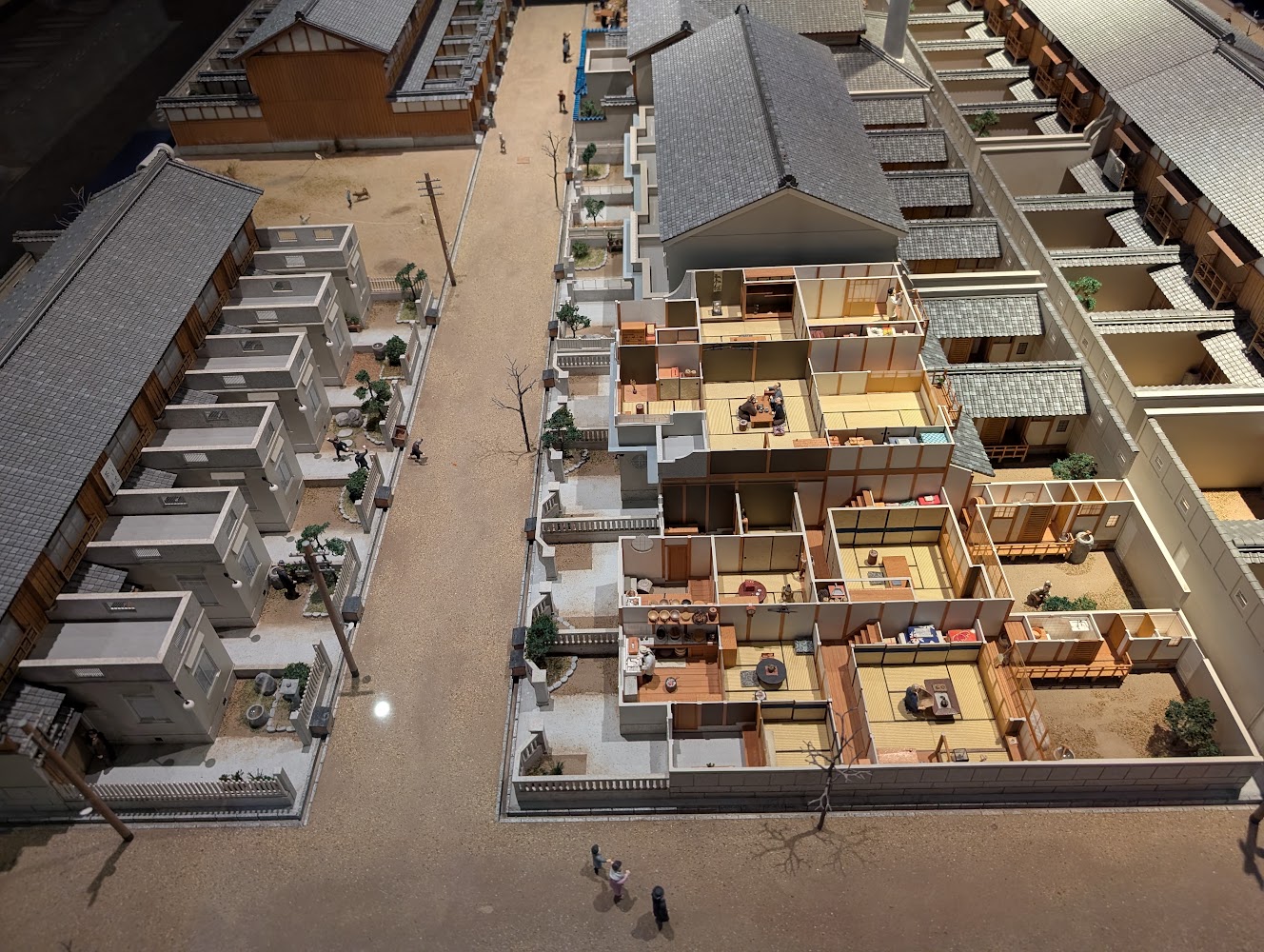
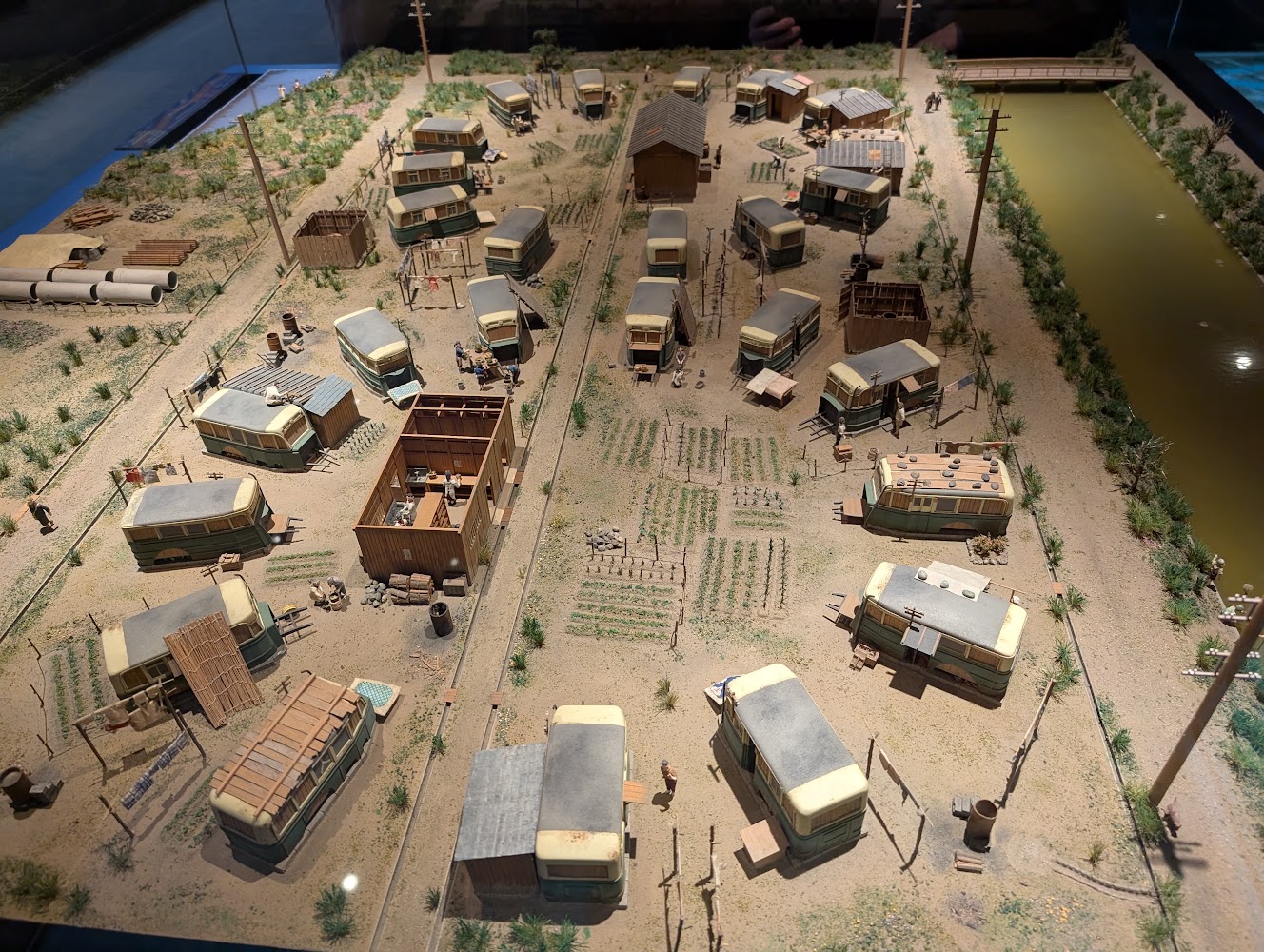
Several of the dioramas followed a family through the 1900s, including living in temporary housing in a field after WWII.
While we were at the museum, Dad went on an adventure exploring Umeda, the huge shopping district built on top of and around the area where multiple train companies have their downtown stations. We met him for lunch there afterwards, so he got to walk from end to end an extra time.
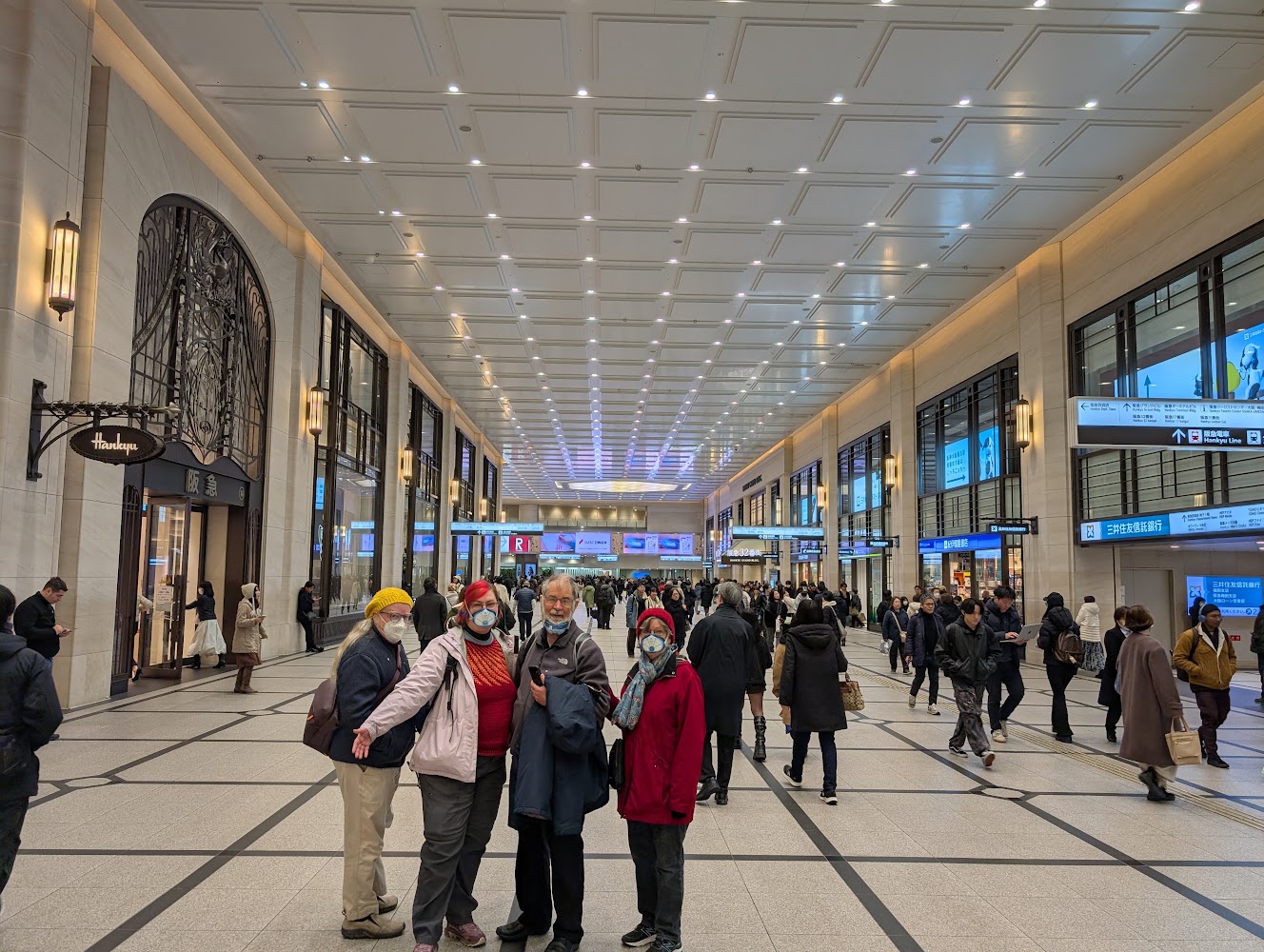
That evening, Andrew went and explored Shinsekai, a flashy futuristic area built in 1912, now retro-futuristic. He ended up in a small new restaurant opened by a Korean couple who didn't speak much English and chatted with a Korean tour guide over tasty octopus pizza.
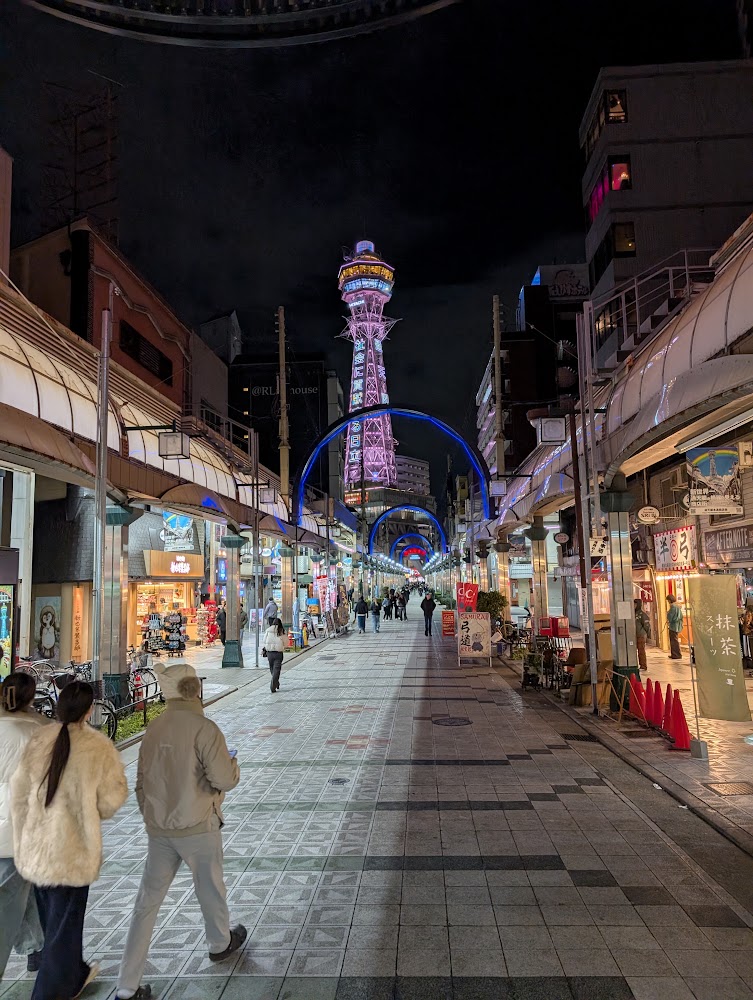
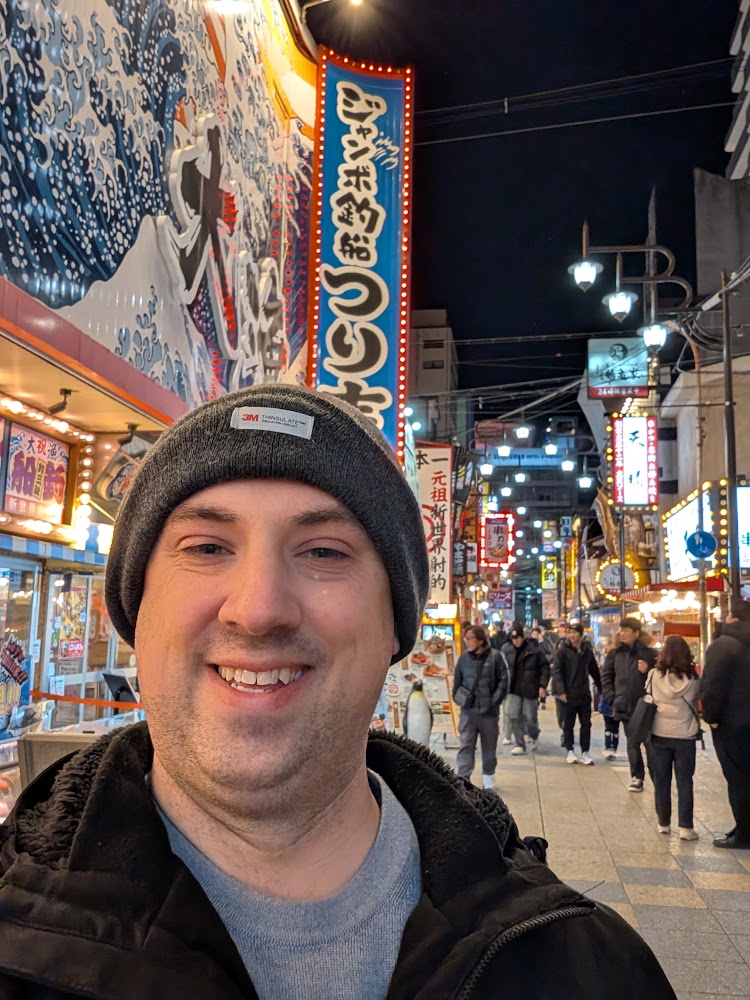
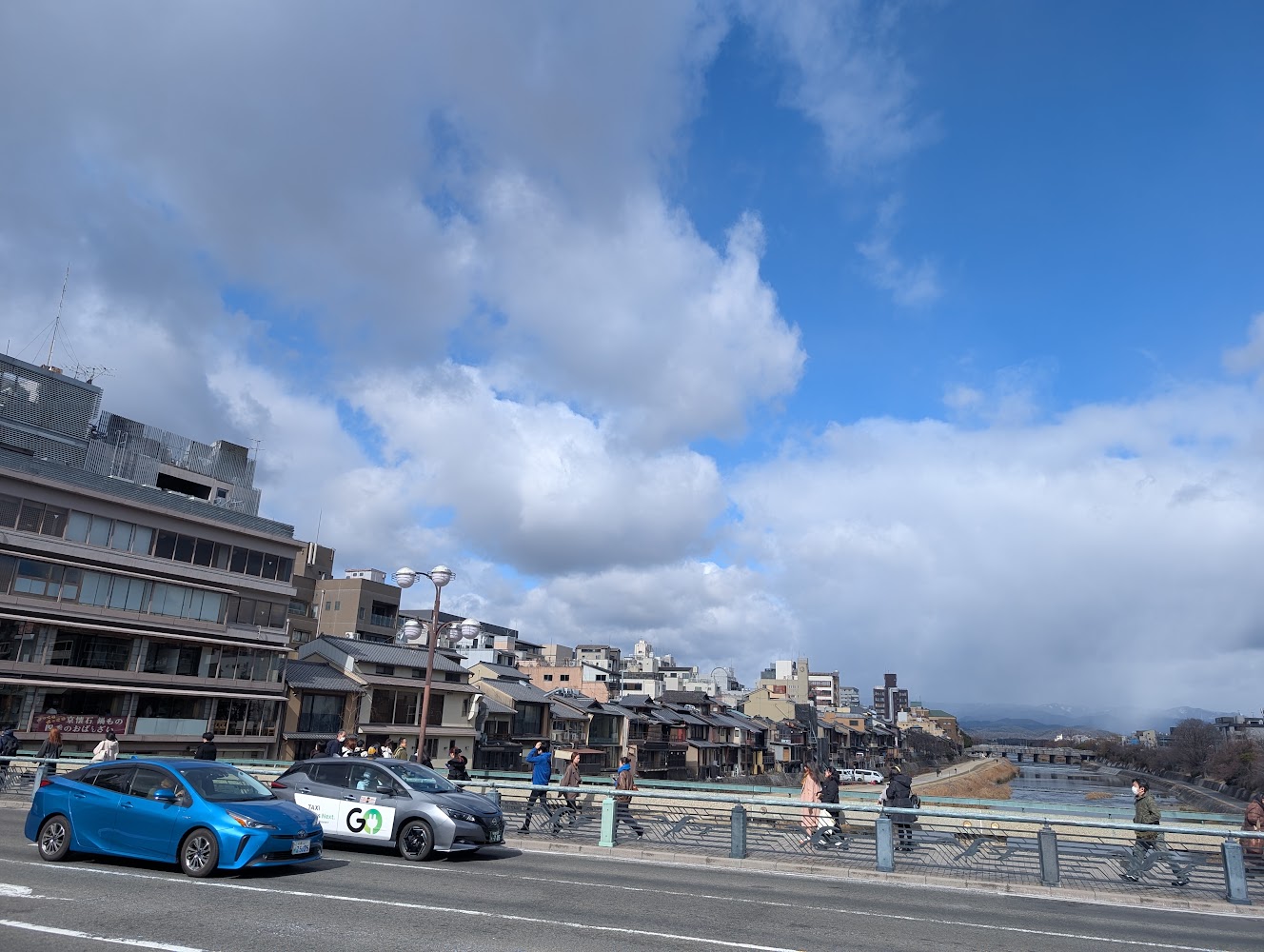
The next day, we went back to Kyoto to actually explore the city.
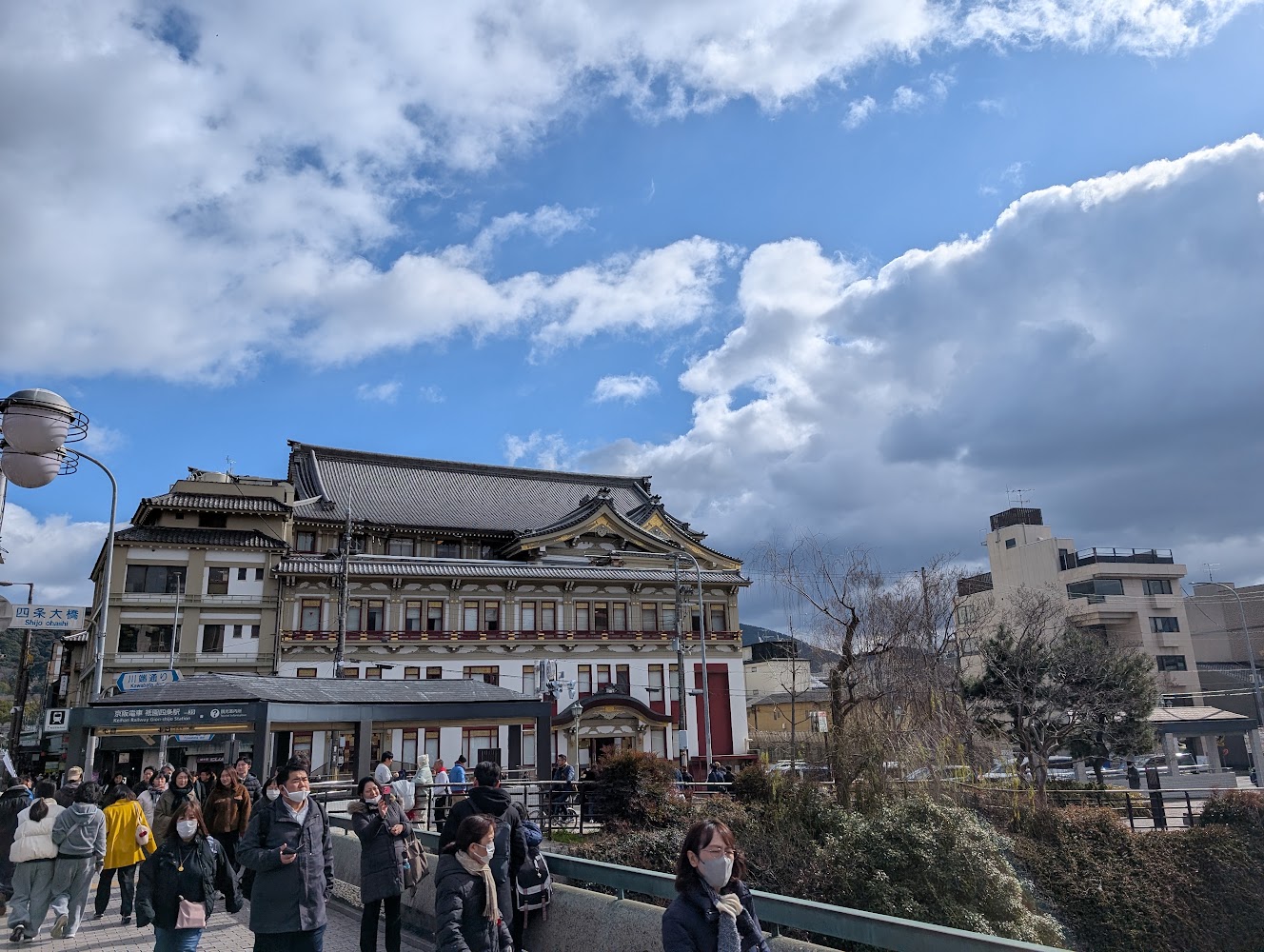
James and I had stayed near the famous Nishiki market, but were always there too early or too late to see the shops, so it was a treat to walk down the bustling street filled with tiny shops when they were all open.
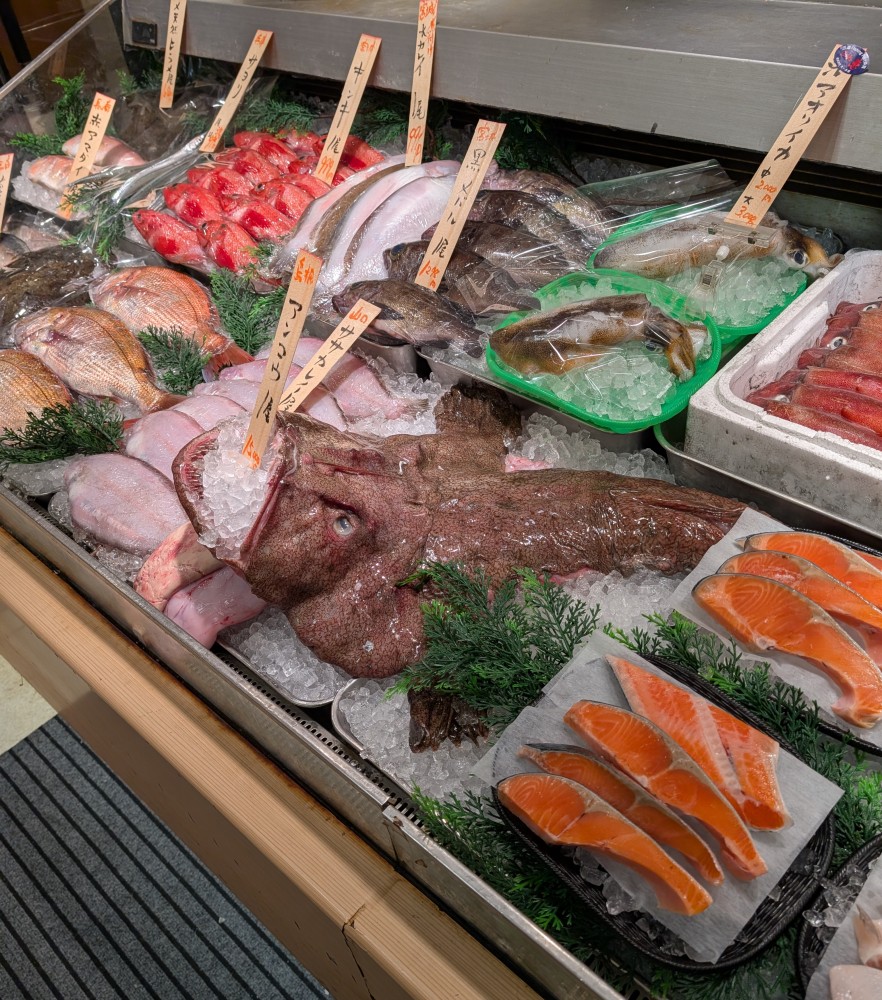
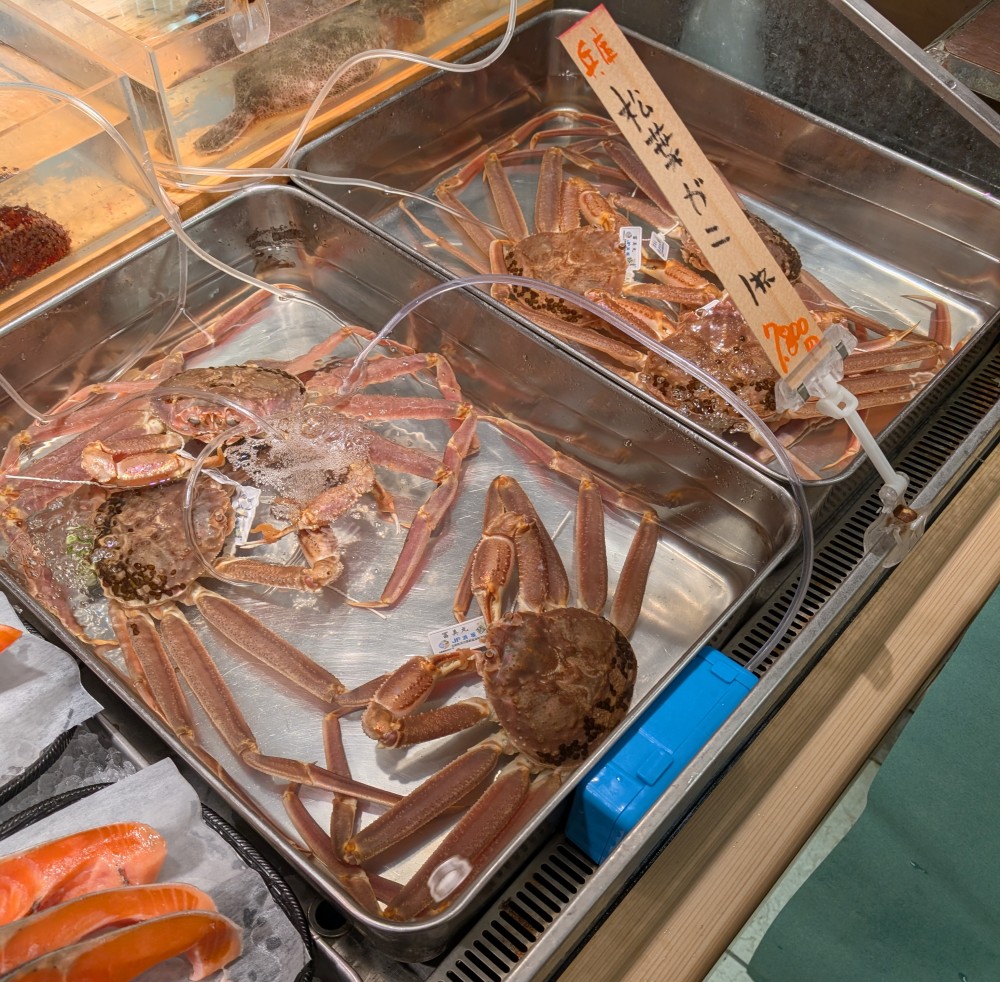
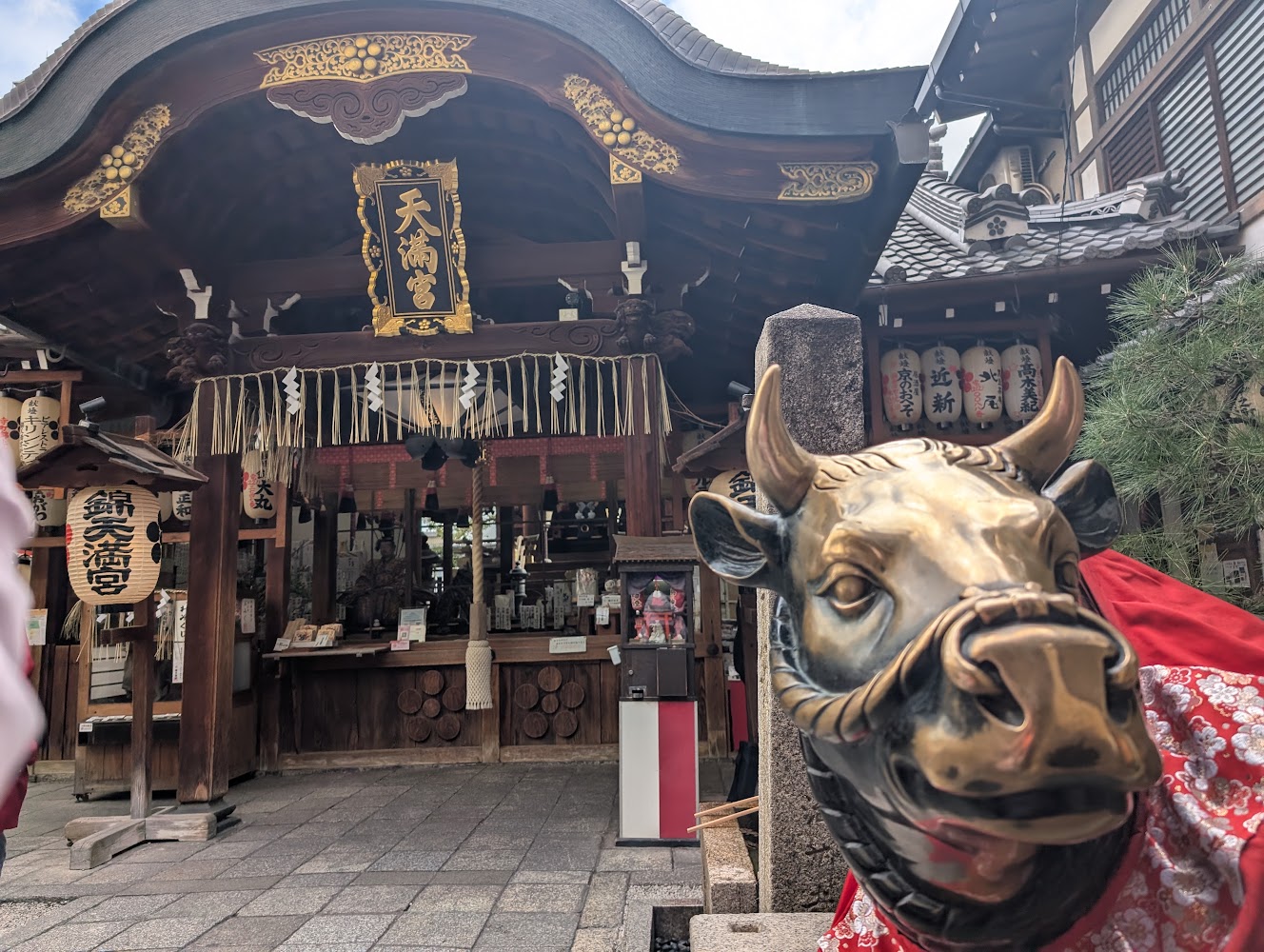
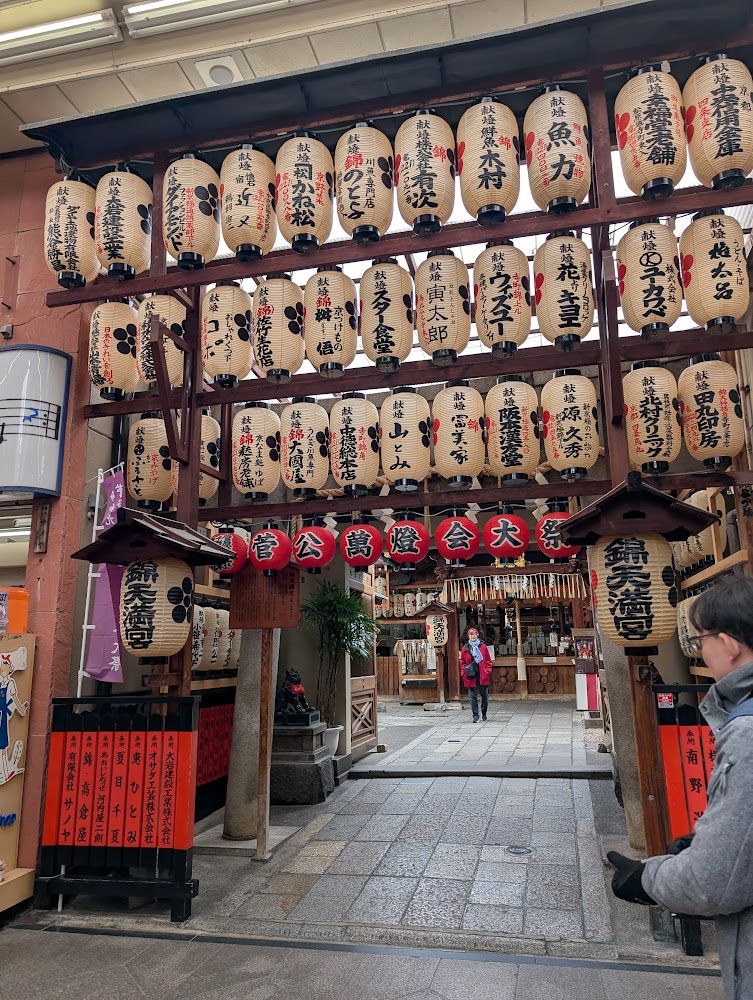
Kyoto was the center of religion and culture in Japan for many centuries, and is absolutely covered in shrines of all sizes. There was one at the end of the market street itself.
Next, we took the train to Fushimi Inari Taisha. Inari is one of the principle deities in Shinto and associated with foxes, rice and agriculture.
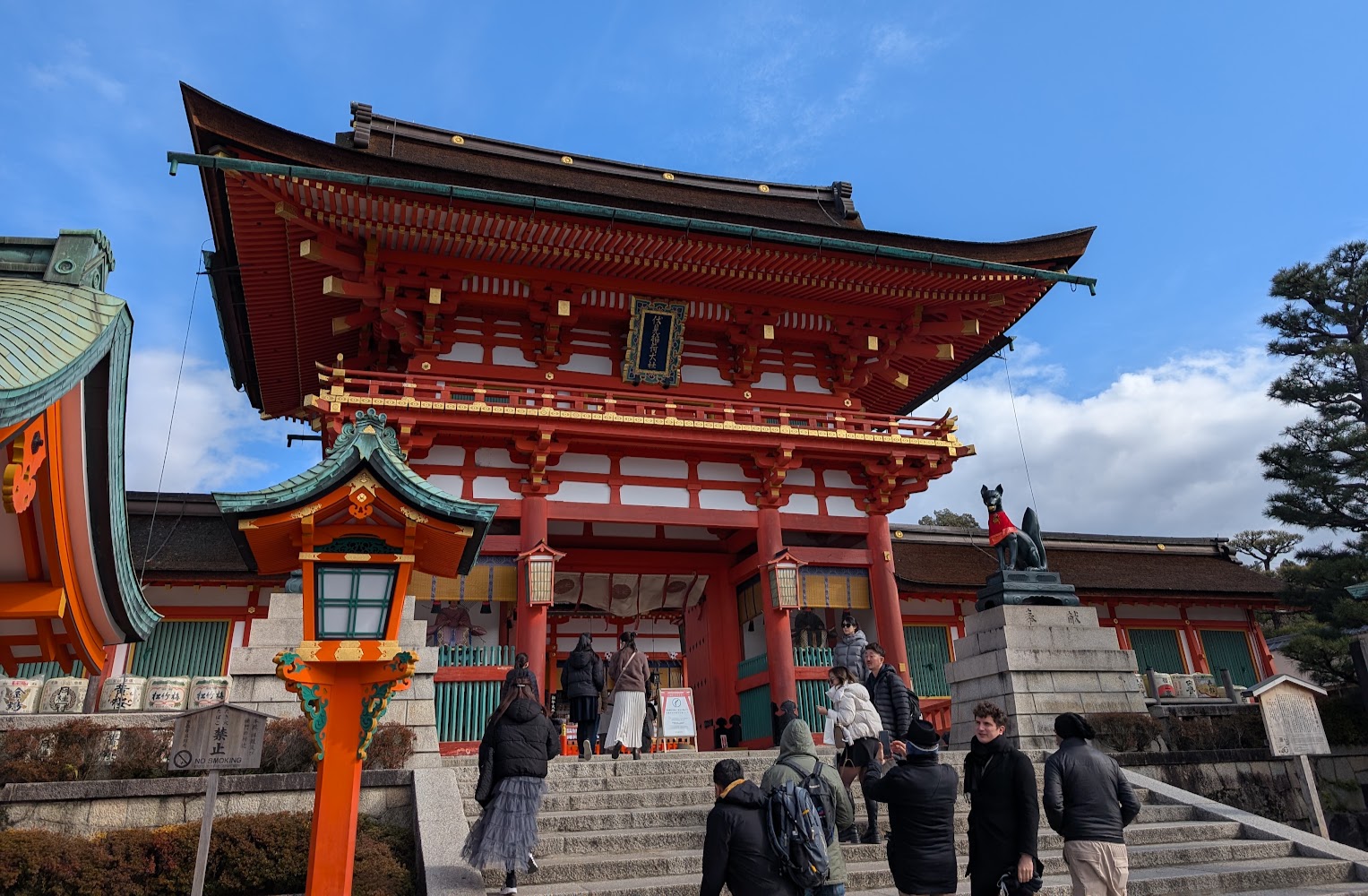
It's famous for the thousands of torii gates.
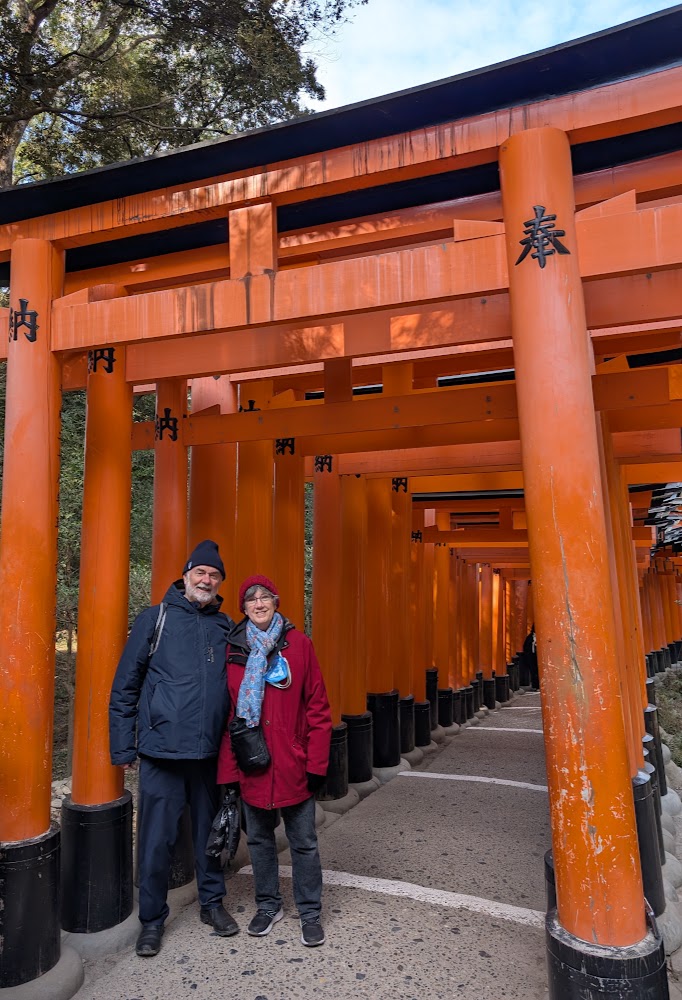
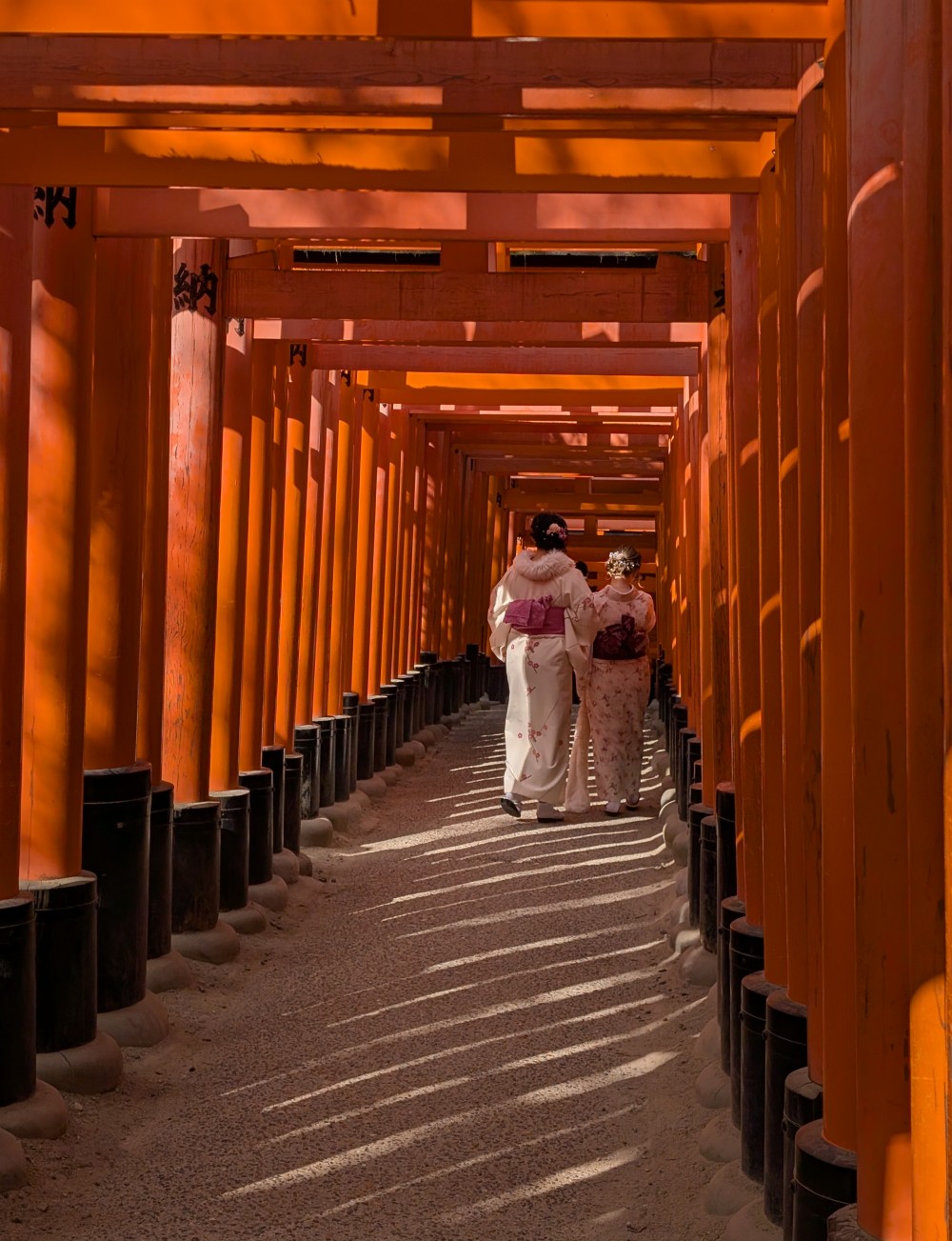
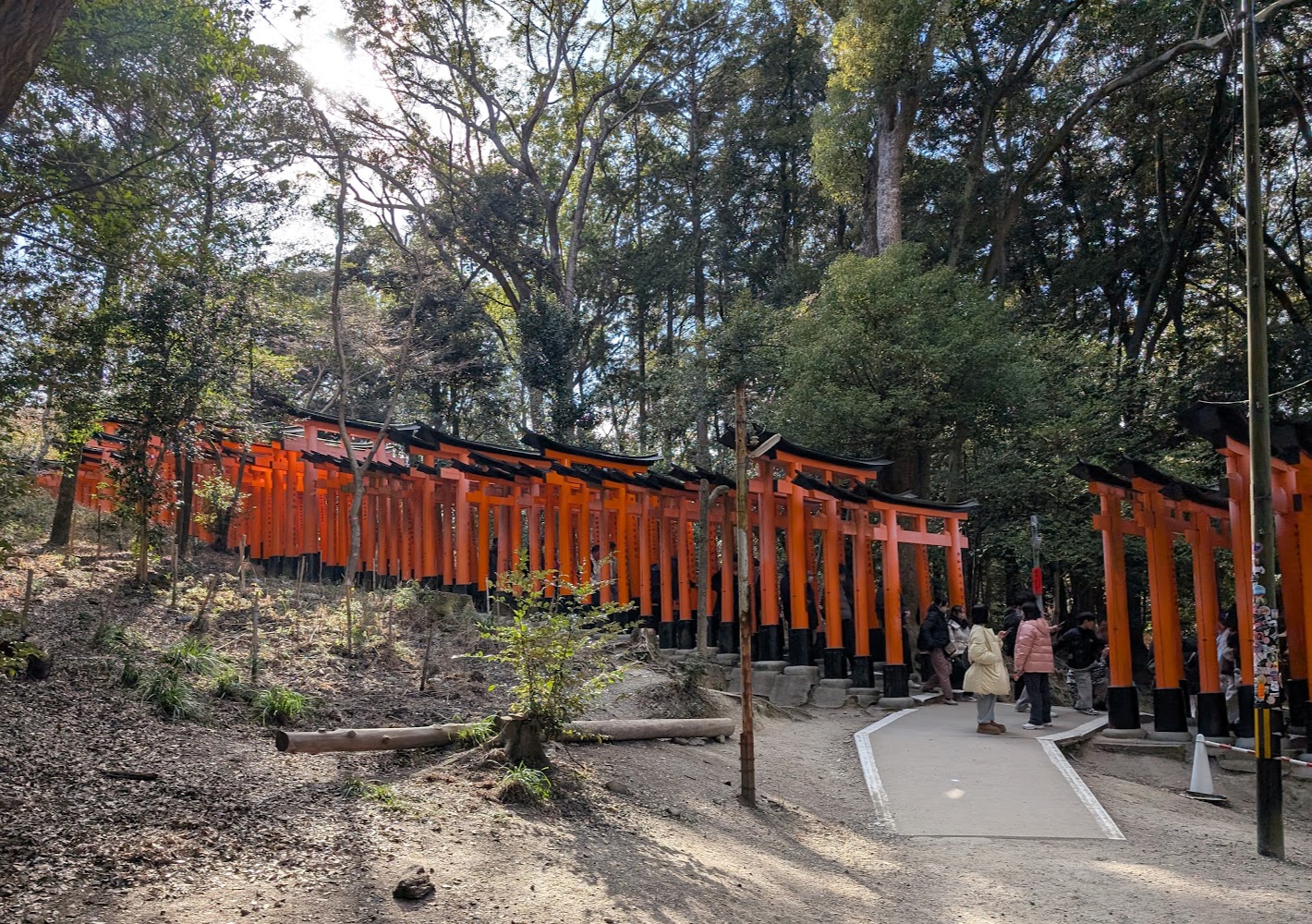
Shinto temples are strongly associated with nature and usually home to shrines to many different deities and spirits. Inari is the most famous deity at this location, but the mountain is covered in other smaller shrines.
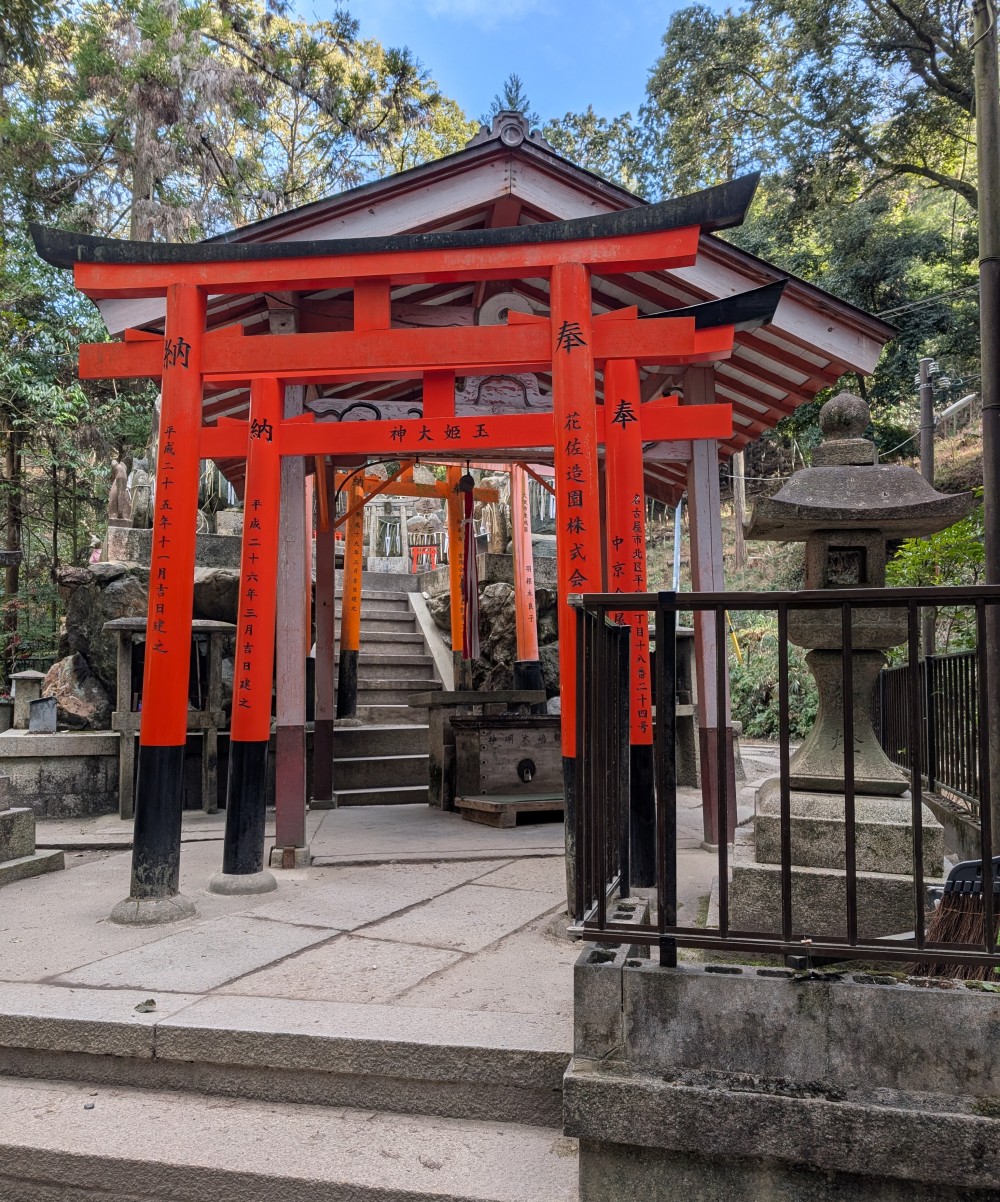
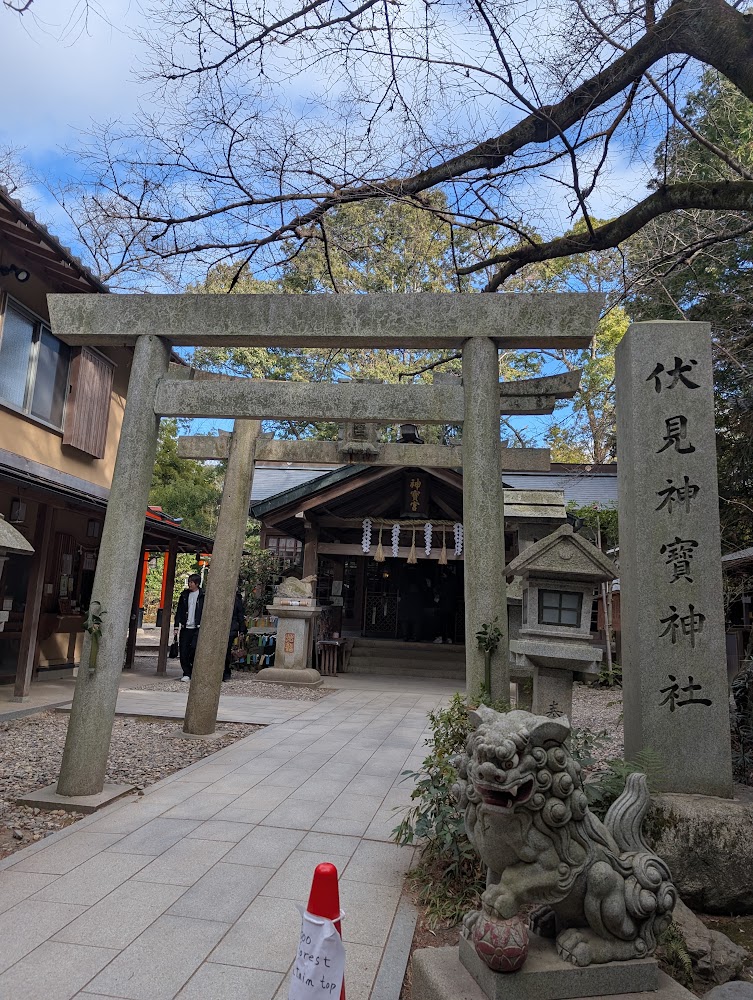
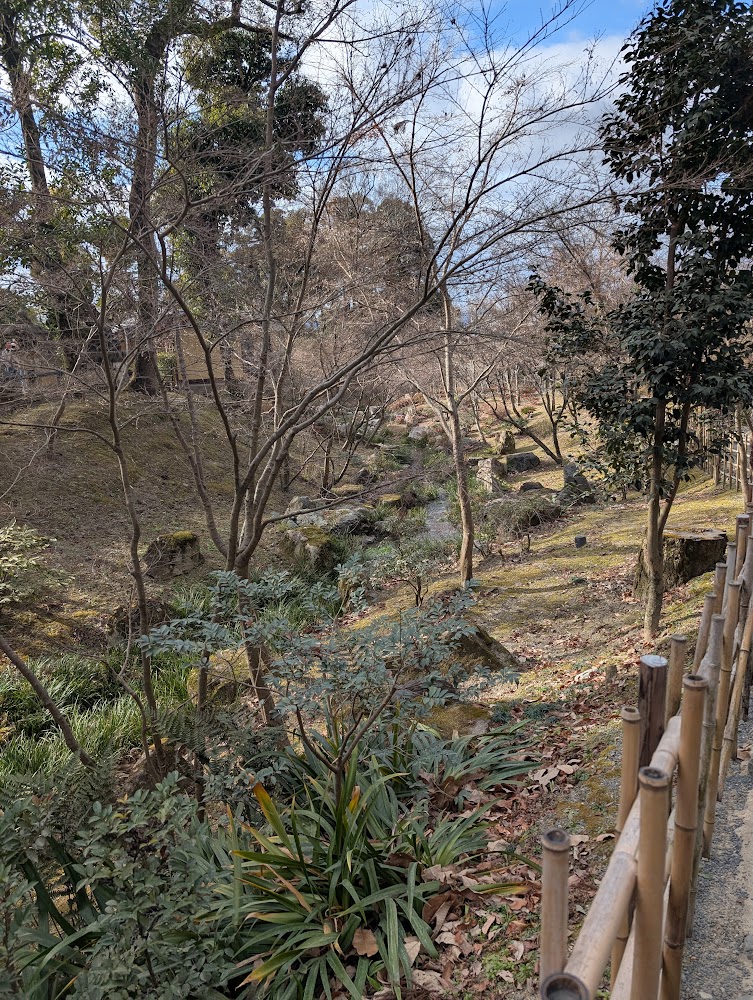
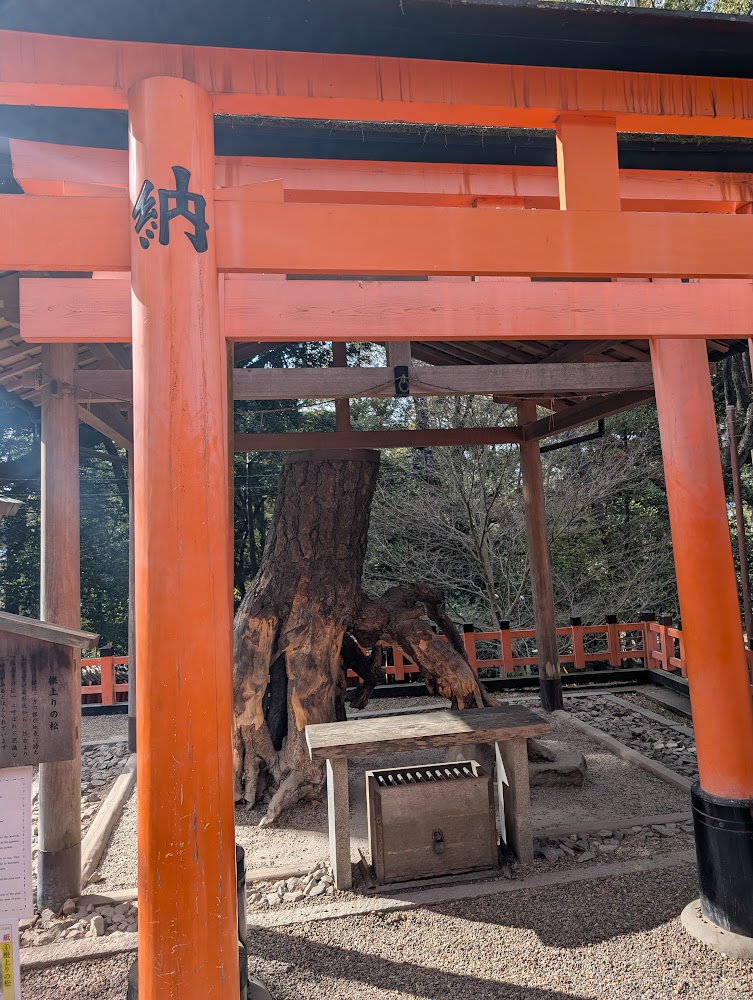
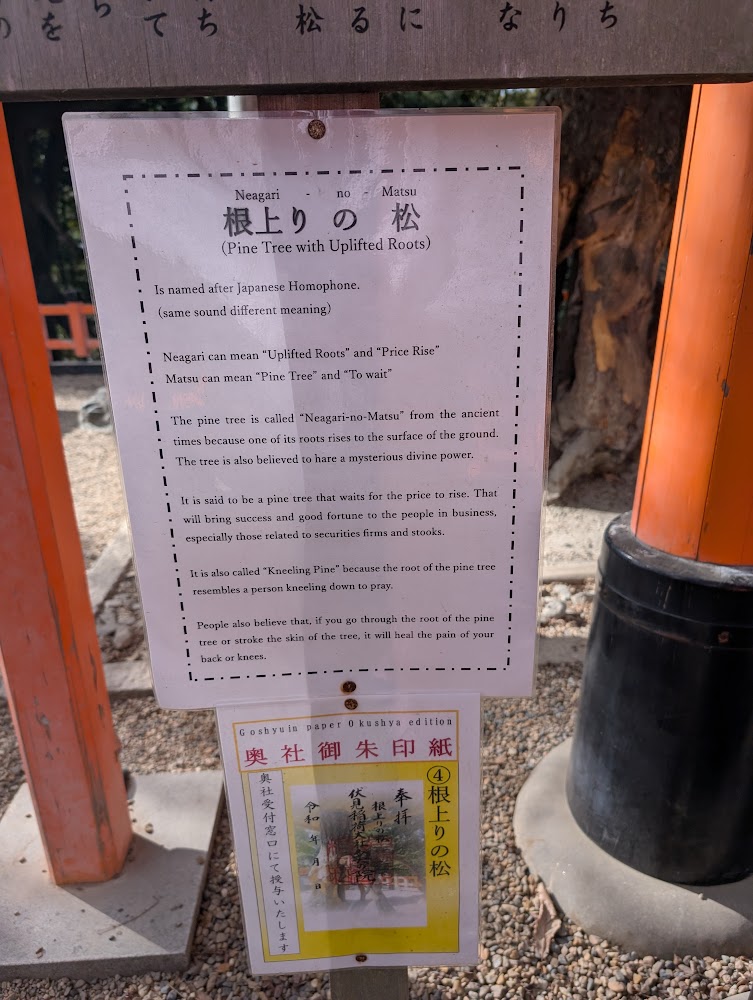
We made sure to touch the pine tree for good luck in business ventures, and to ease the pain from all the walking!
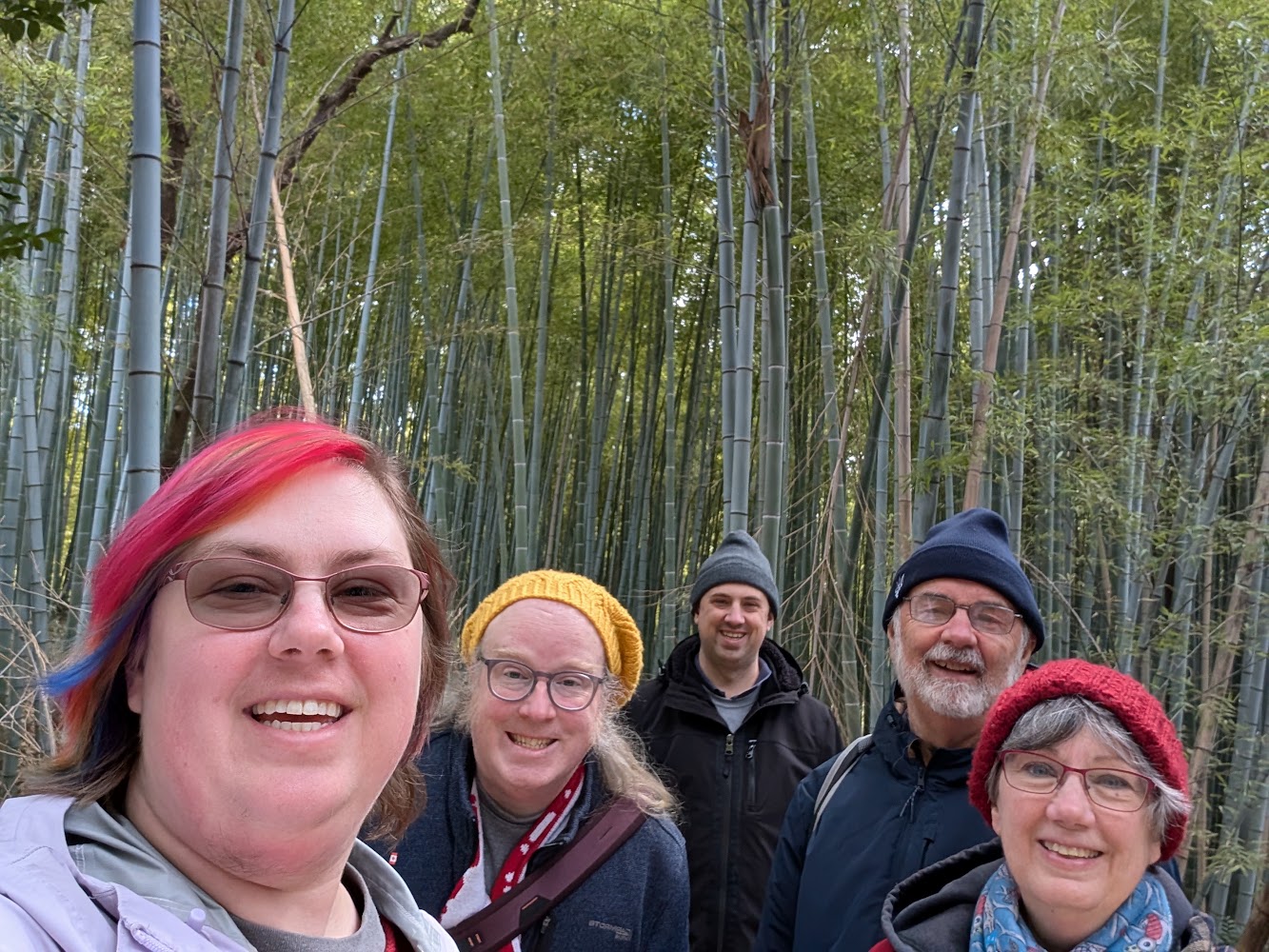
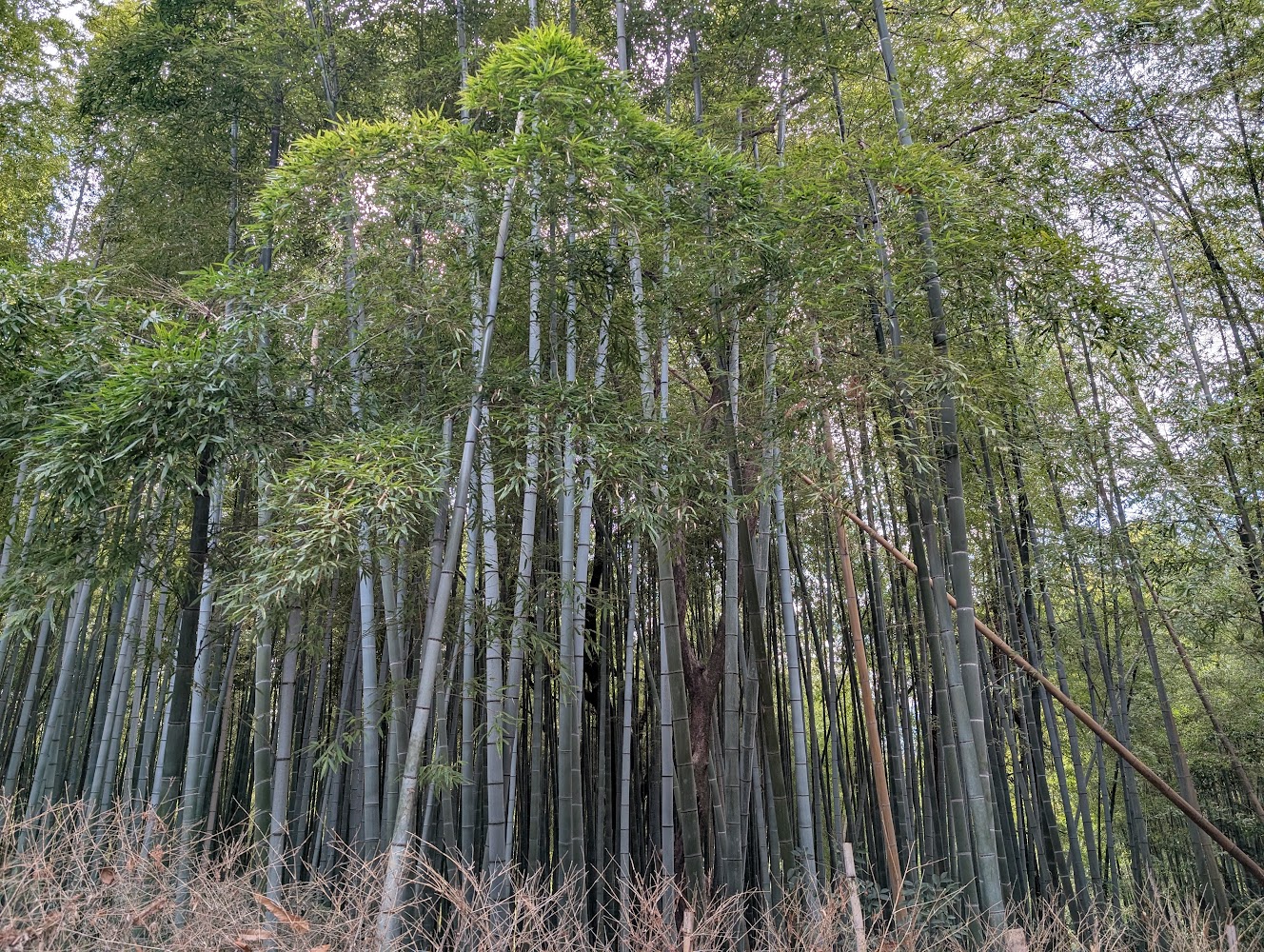
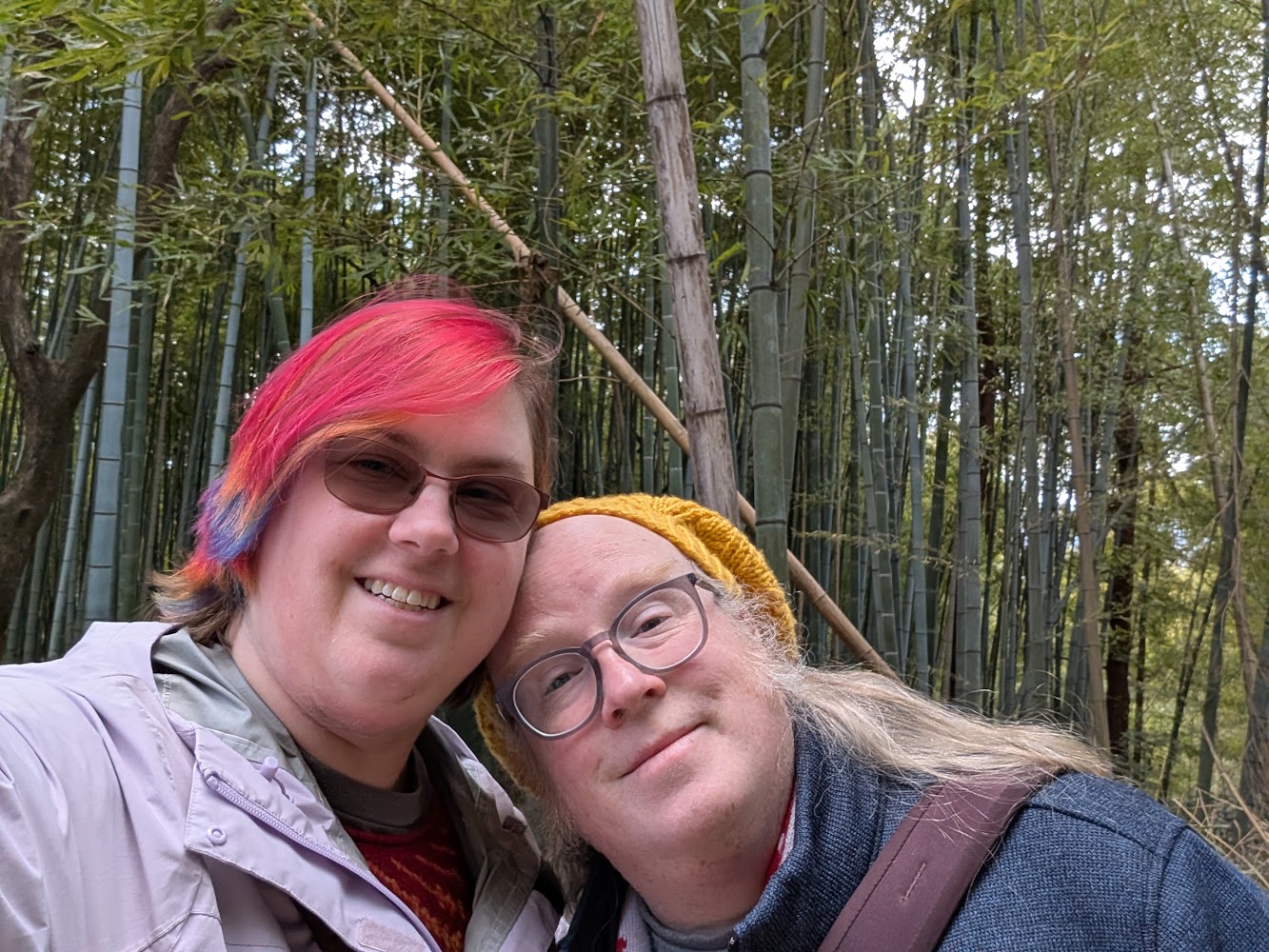
There's even a bamboo grove, if you take a side path. I was glad to visit here instead of the more famous and overcrowded Arayashima.
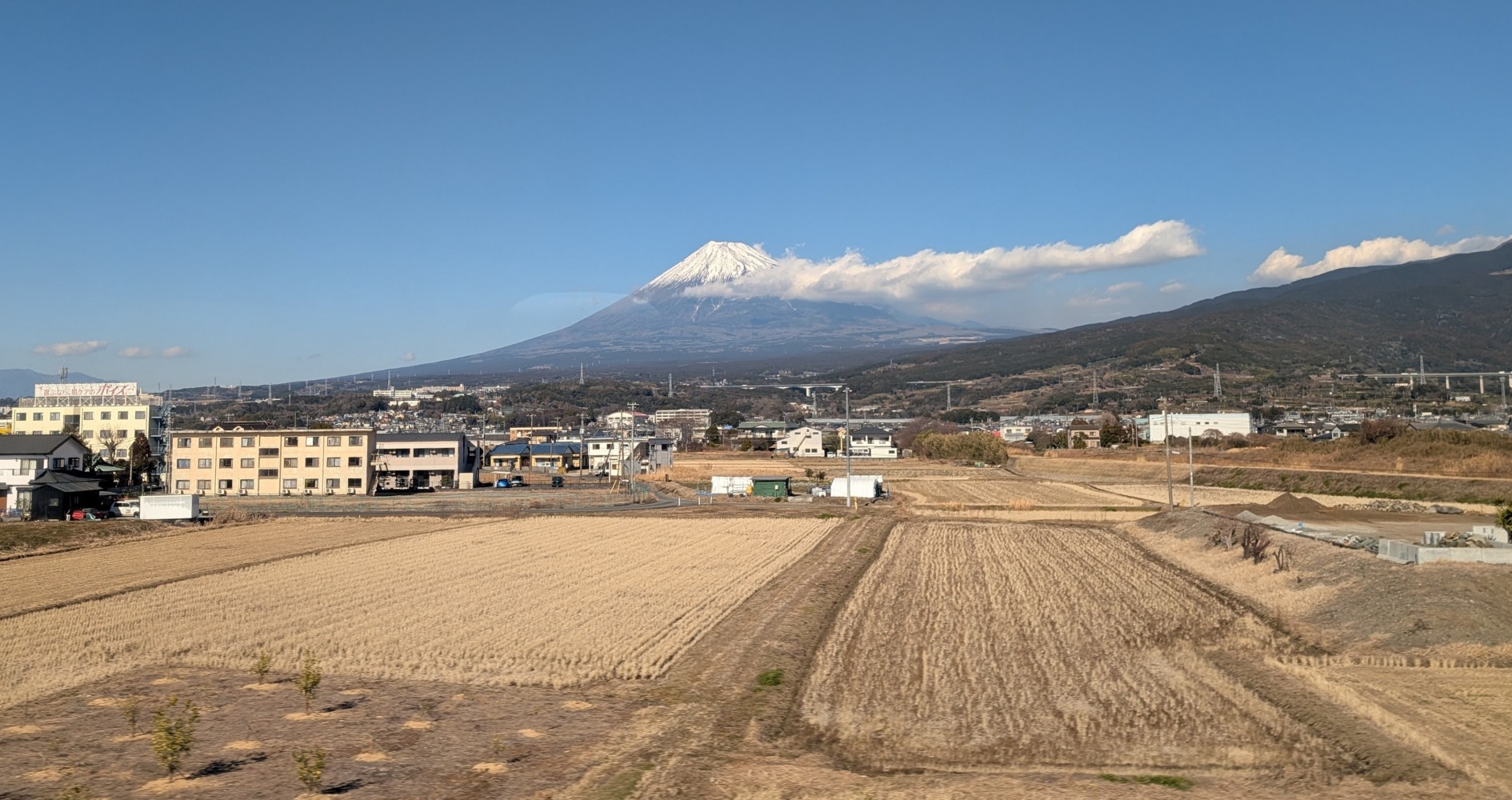
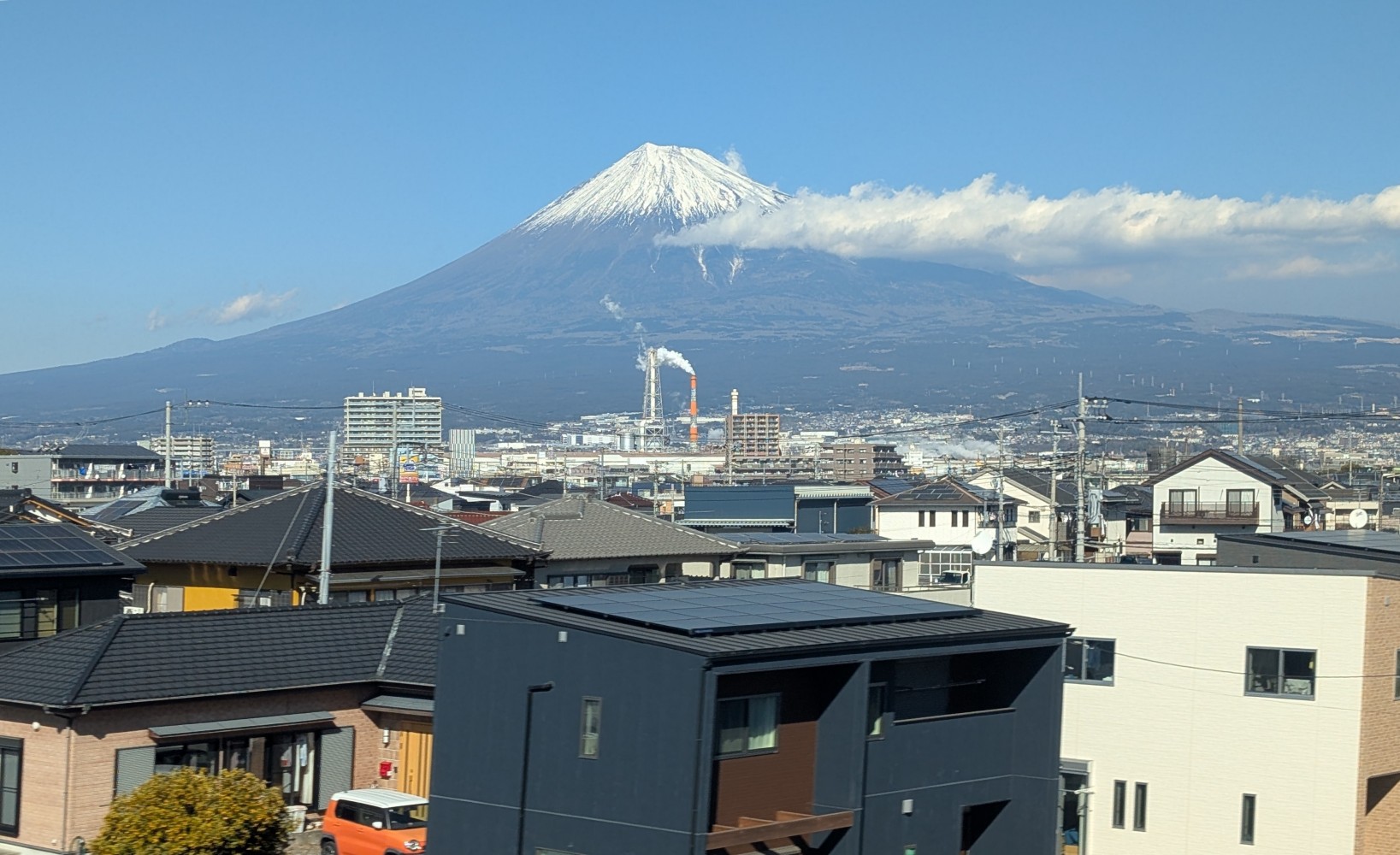
We got some beautiful views of Mount Fuji on the way back!
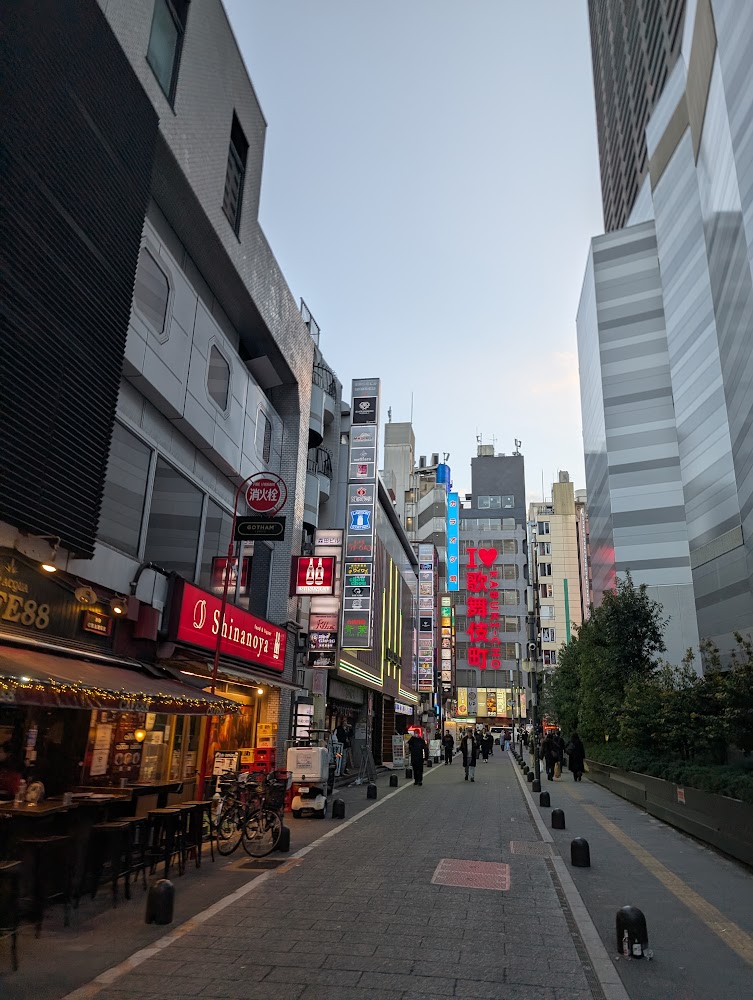
The next place we stayed was in Okubo, just north of Shinjuku and next to Korea town, though I hadn't realized that when I booked it. We got settled, then walked through the area to enjoy the vibes.
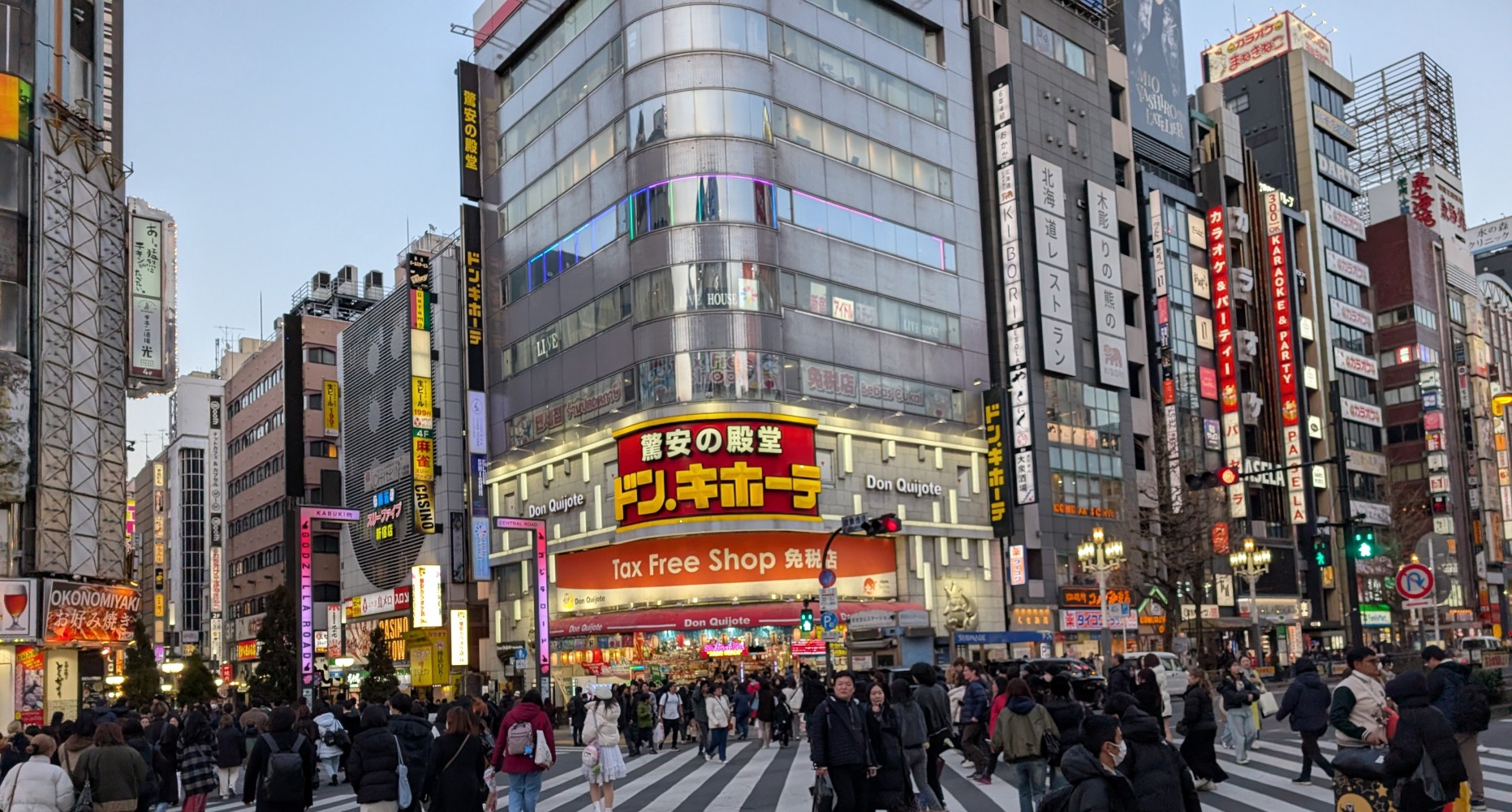
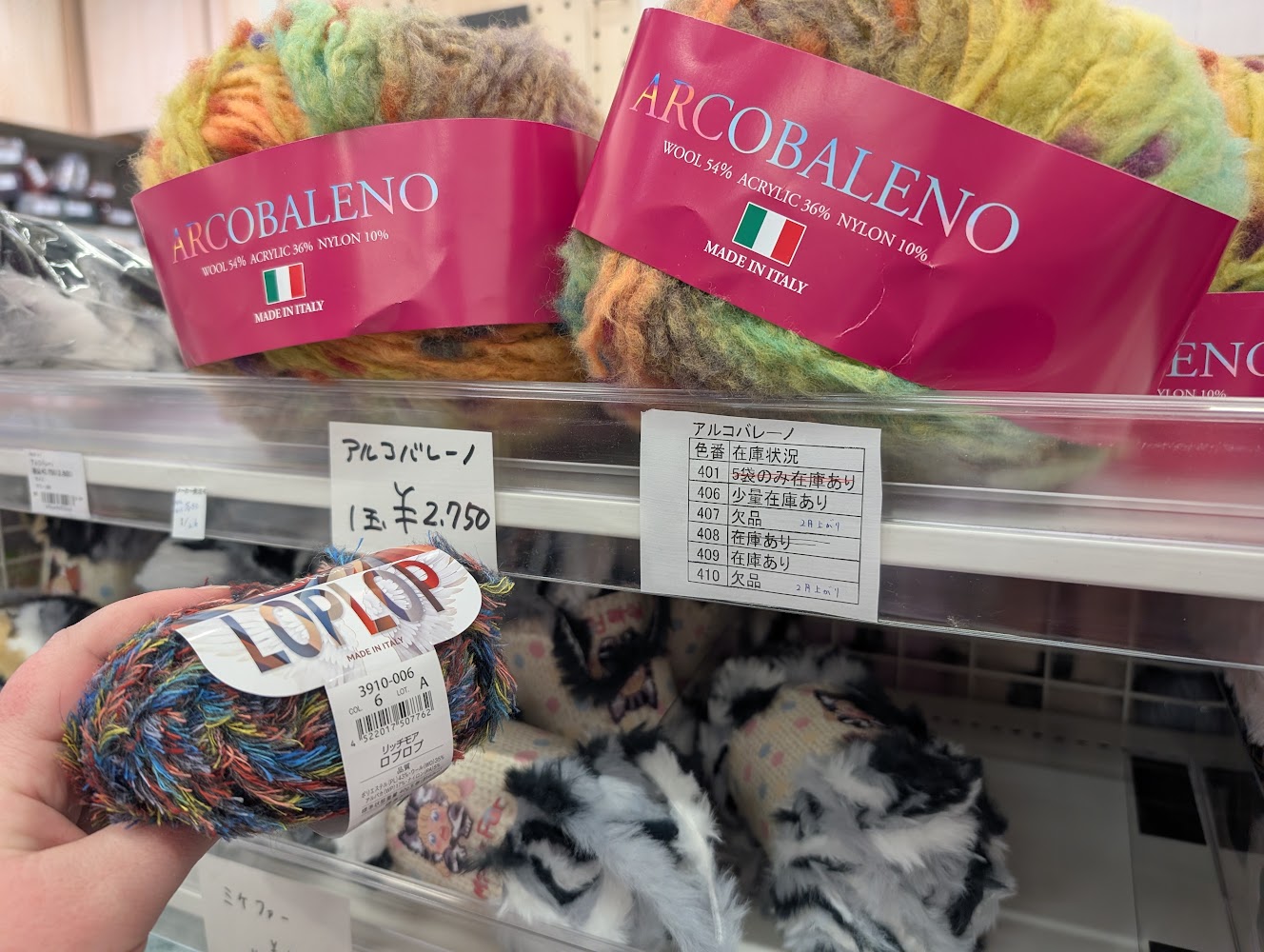
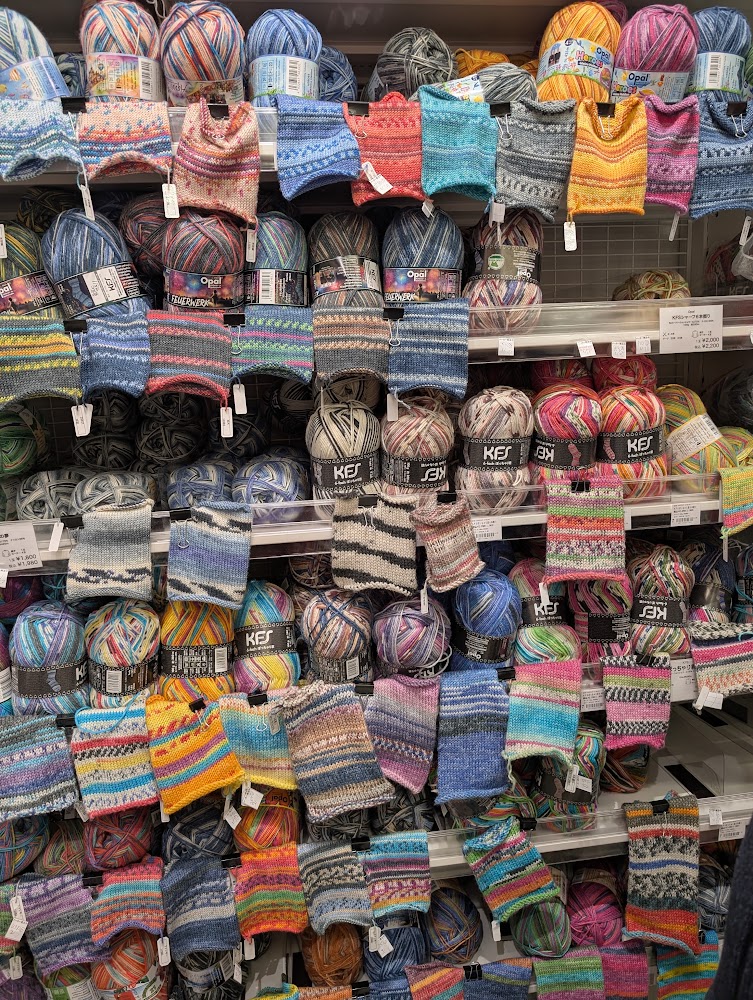
Next to Shinjuku station is the flagship Okadaya, a multi-storey craft store full of fabric and yarn and other crafting supplies. Mom and I had a lot of fun browsing.
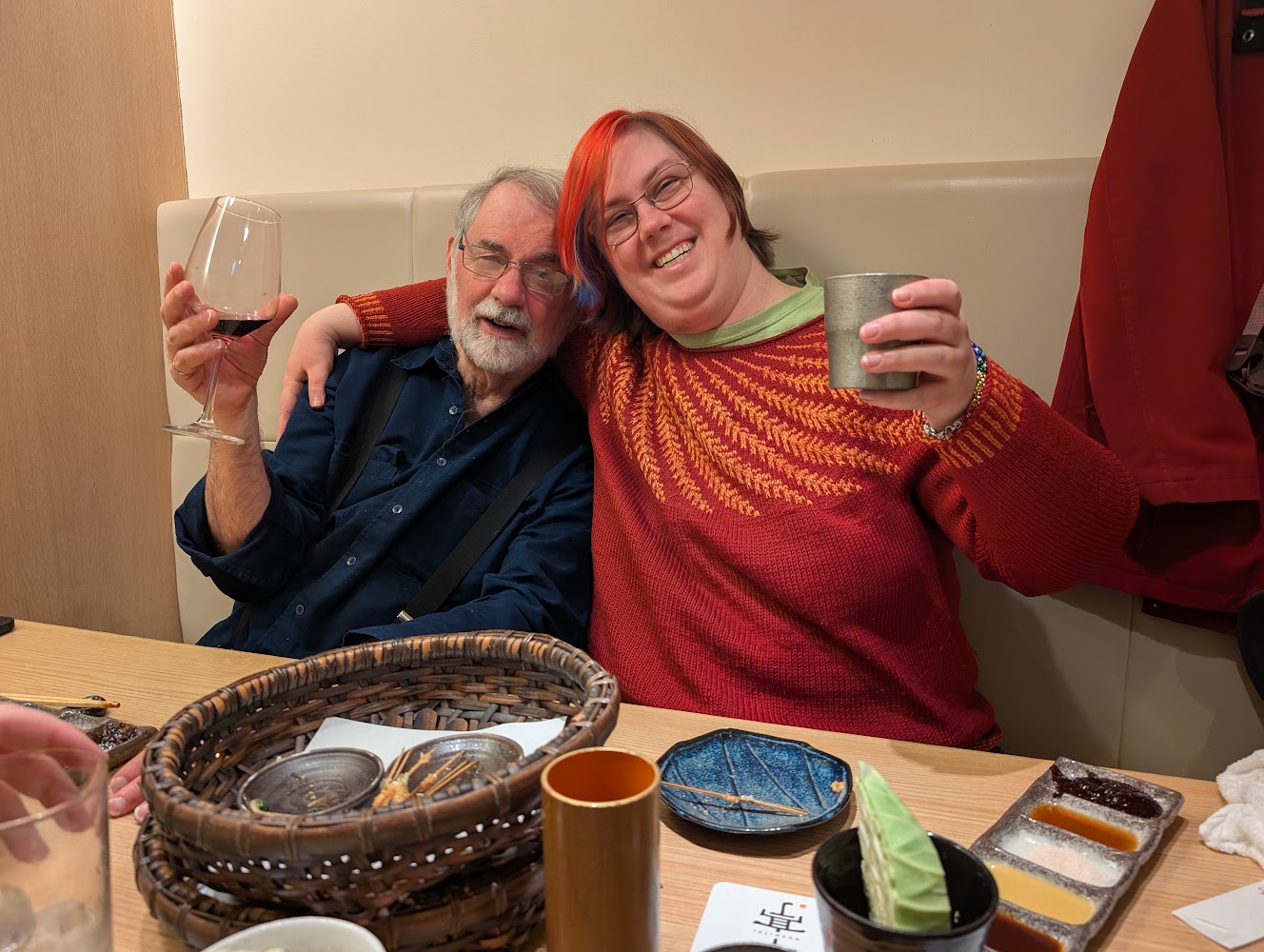
For dinner, we went to Kushiage Kushitei, a fancy restaurant that a friend of Dad's had recommended. The staff only spoke Japanese, so it was another language success for us. Kushiage is tasty fried food on sticks, a classic Japanese drinking food.
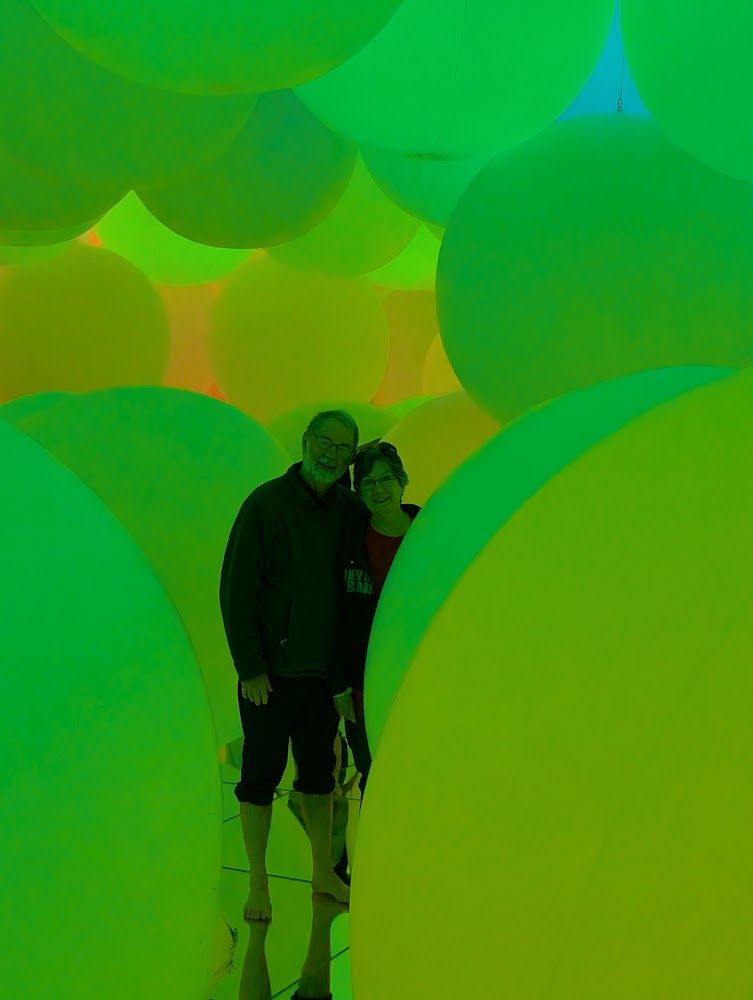
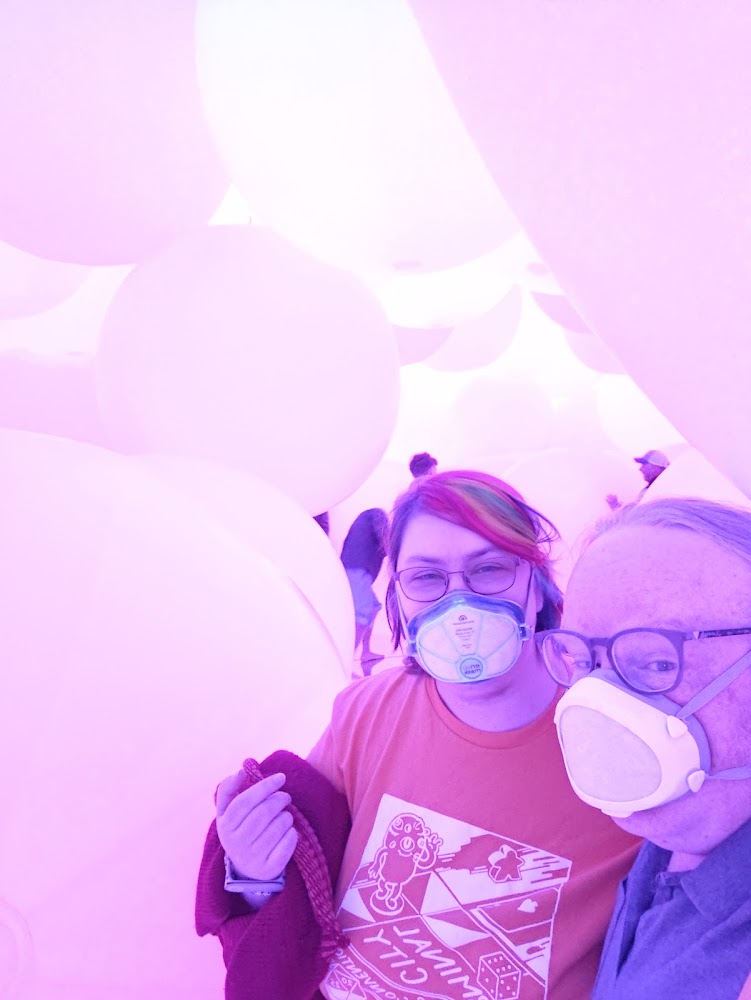
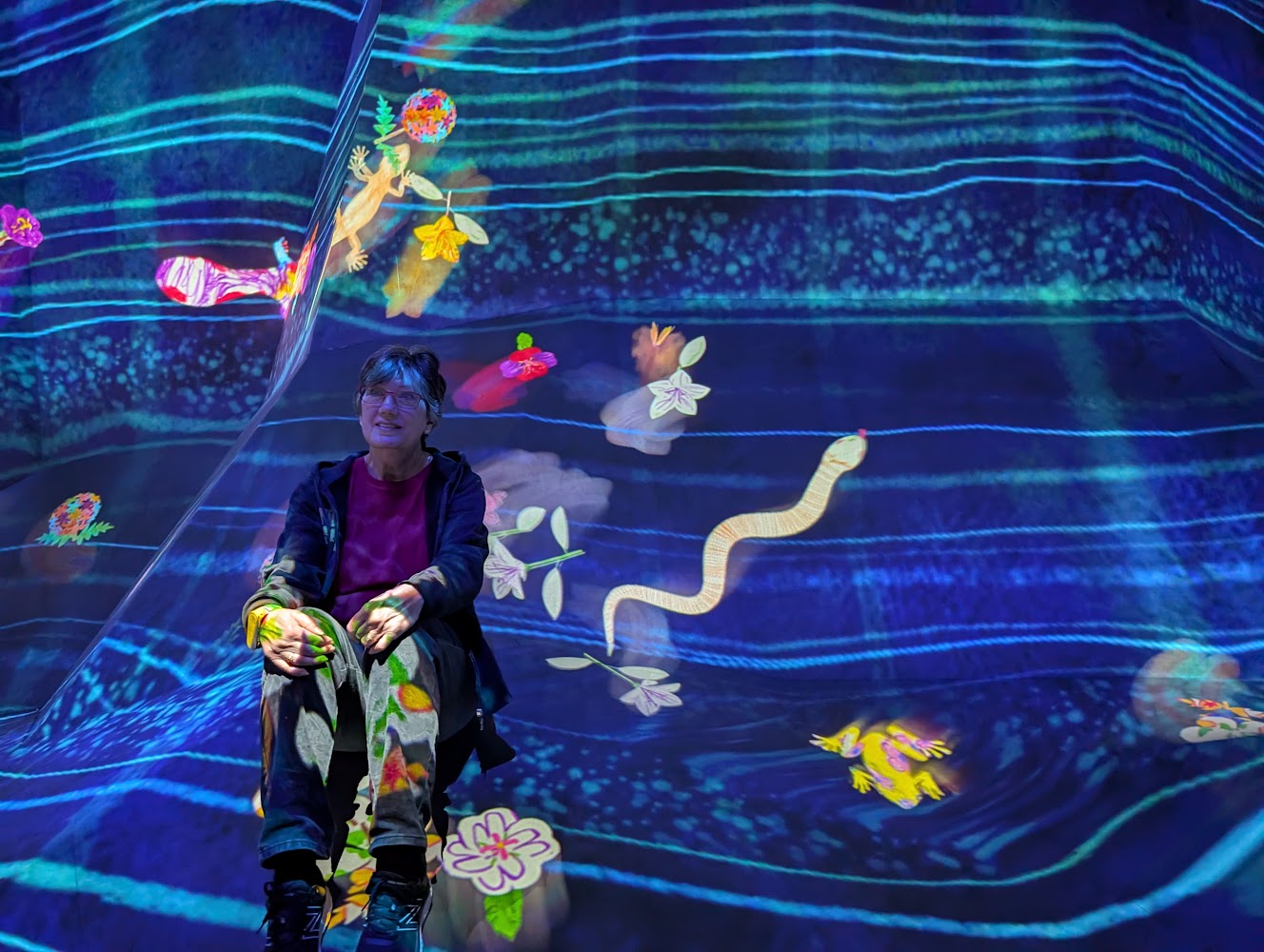
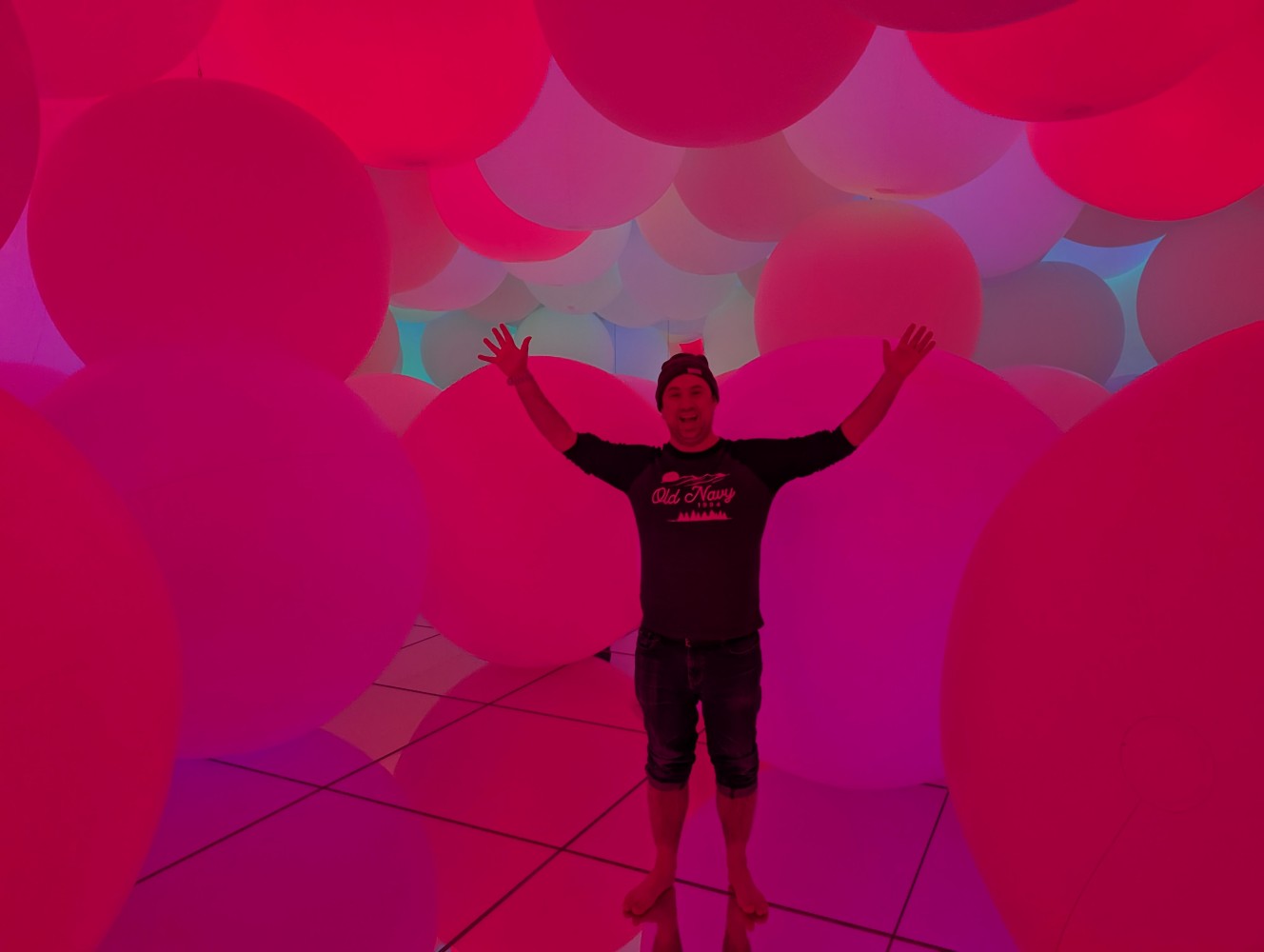
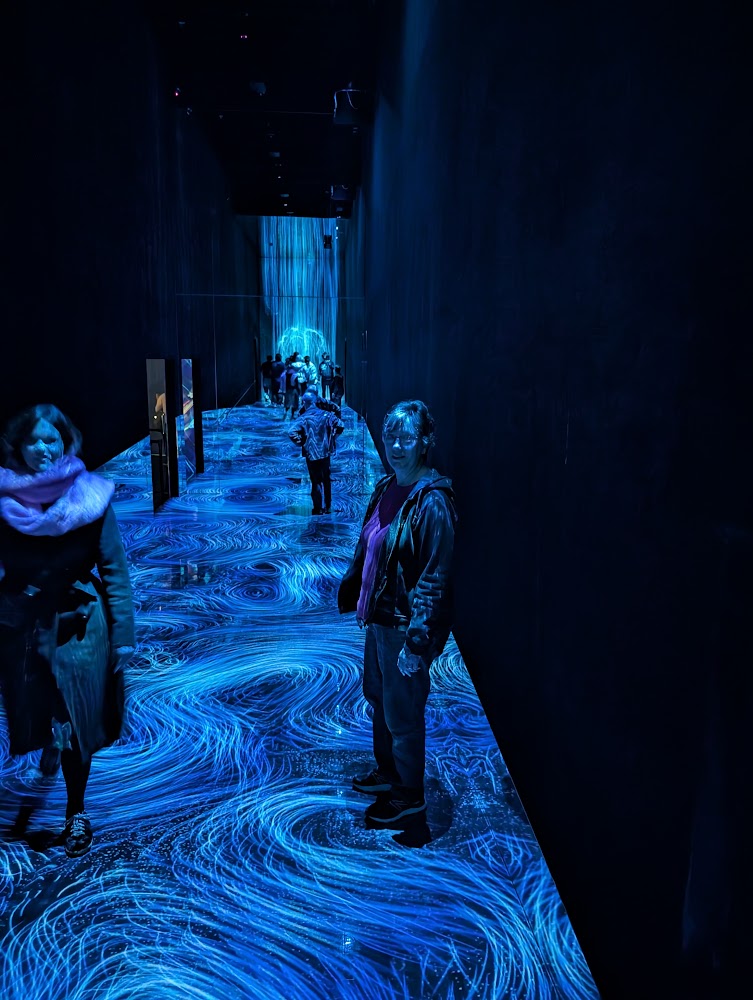
Our last full day in Tokyo, we visited TeamLab Planets. It's a contemporary art museum, and an experience that is hard to capture (but we sure tried, based on how many photos we took!).
It's a full sensory experience - the strangest exhibit has you walking through knee high water while digital fish swim around you.
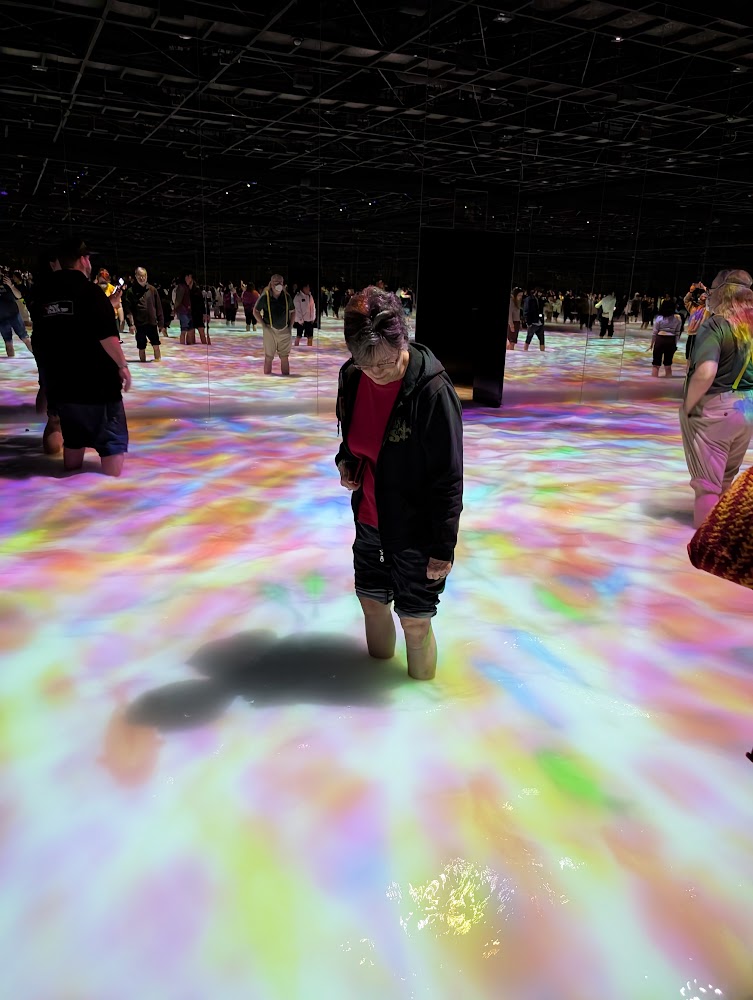
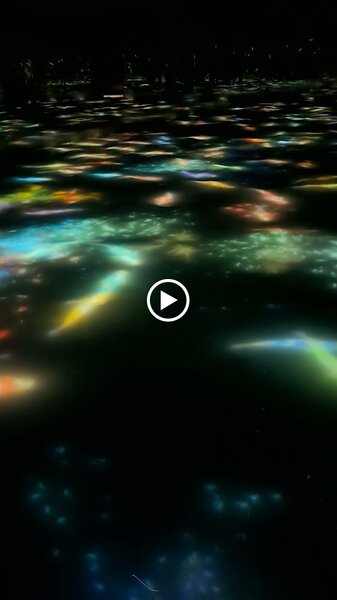
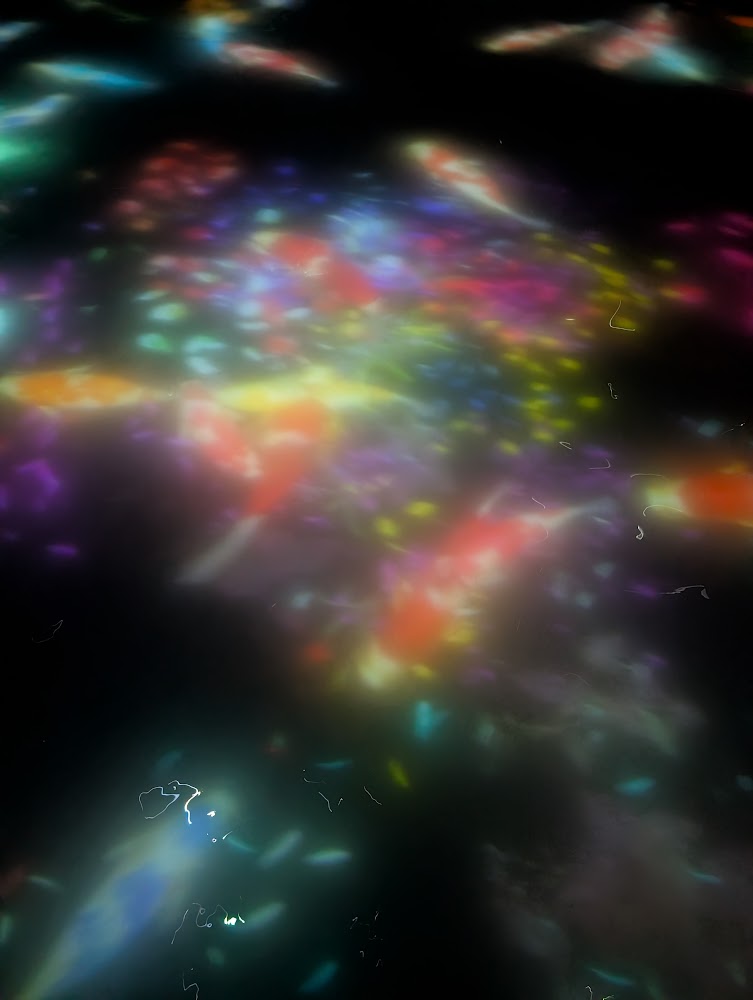
The other exhibits were full of bright lights and strange objects moving around you
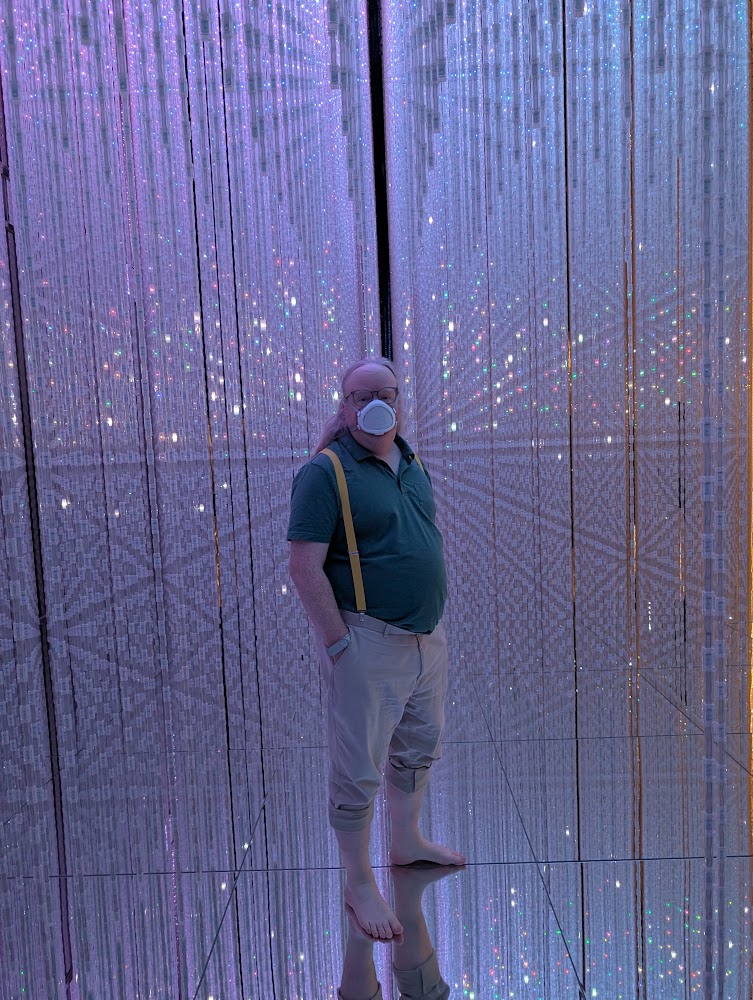
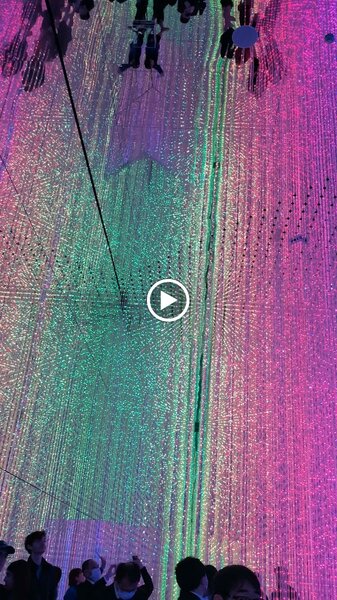
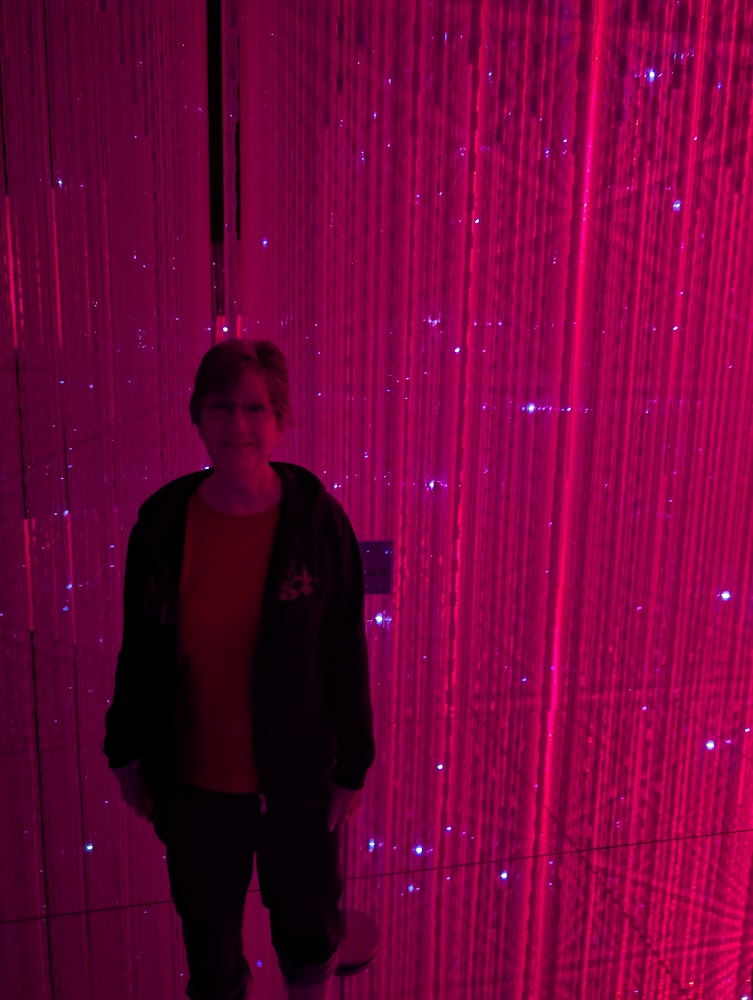
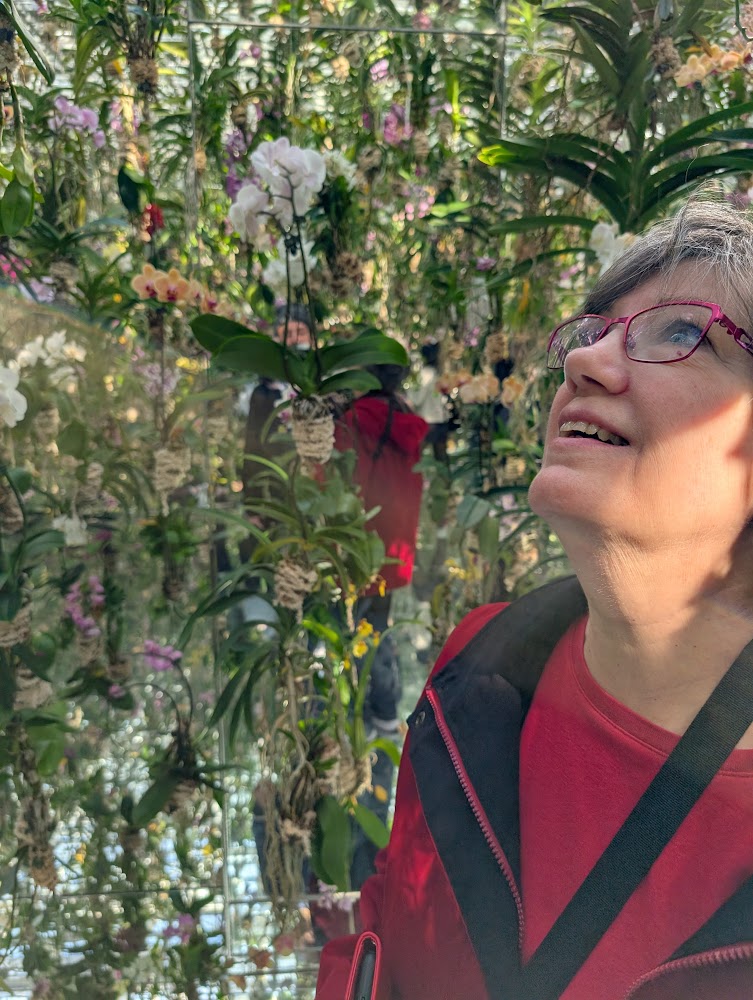
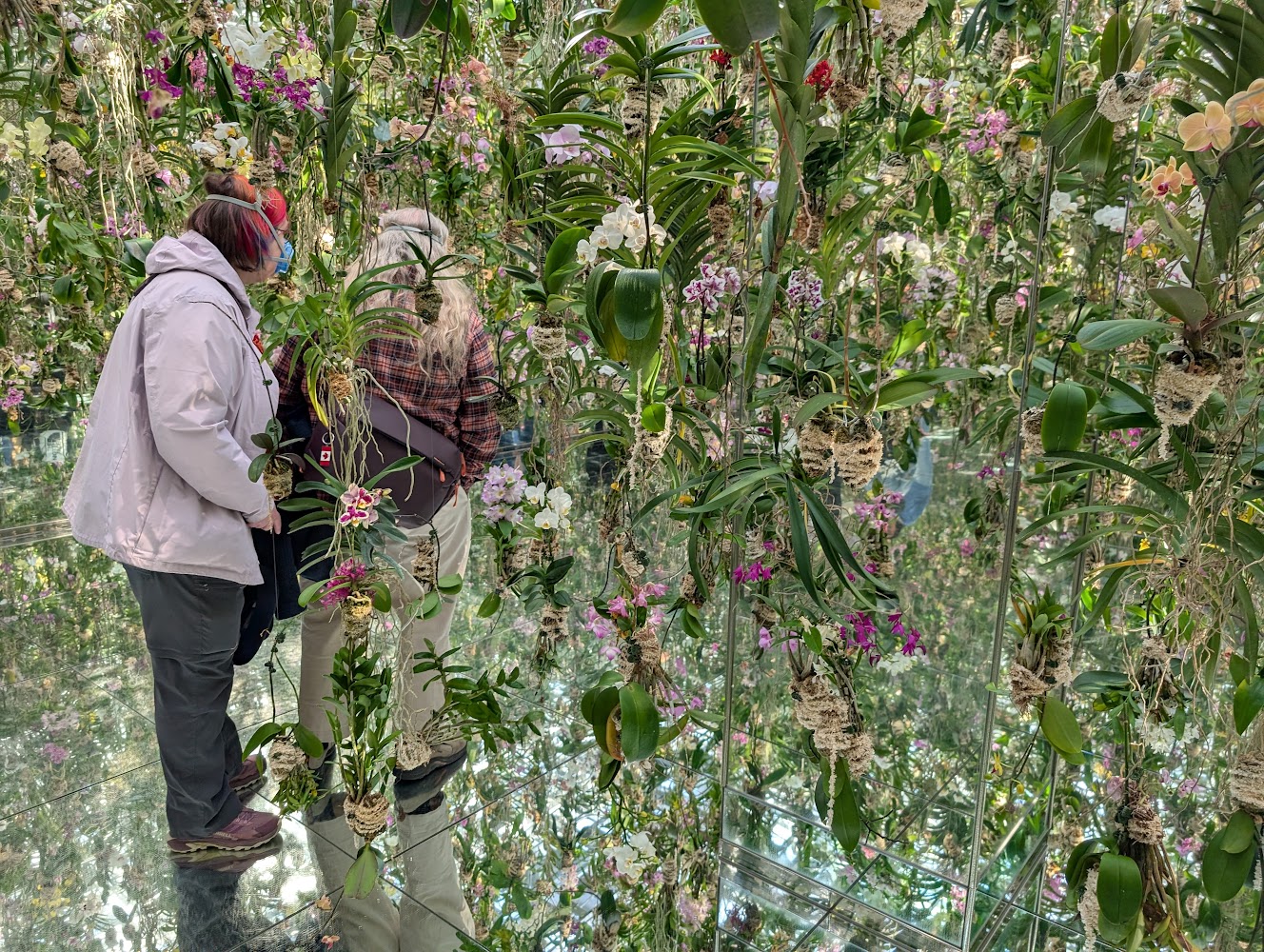
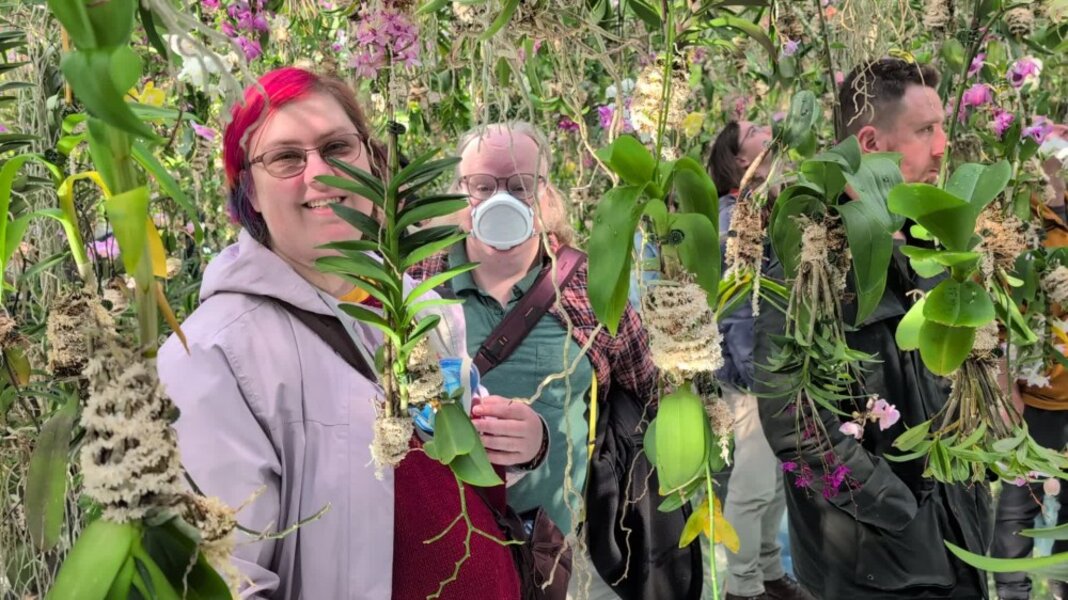
This section was Mom's fave - hundreds of living orchids hanging from the ceiling, gently rising and falling according to your movements.
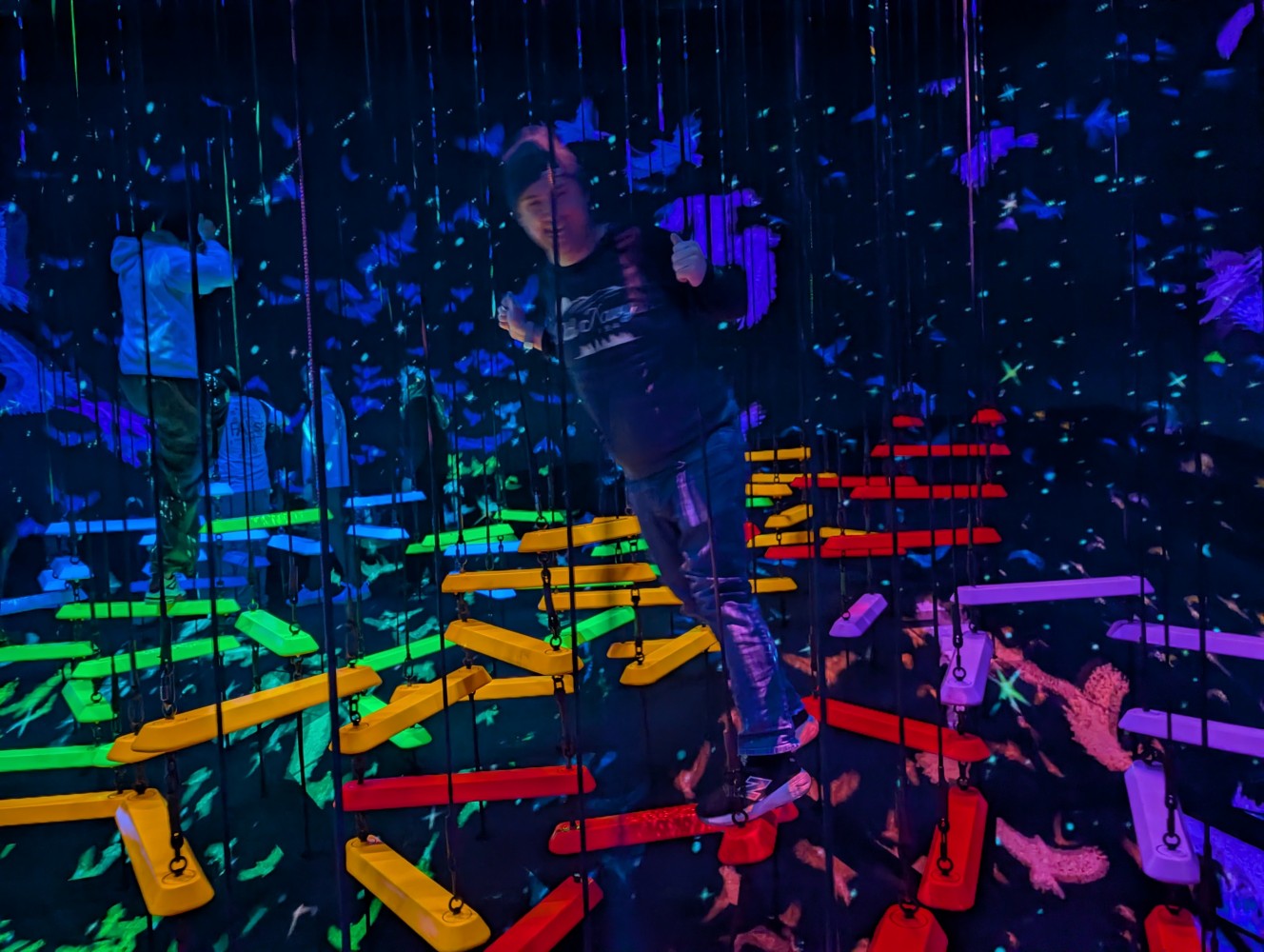
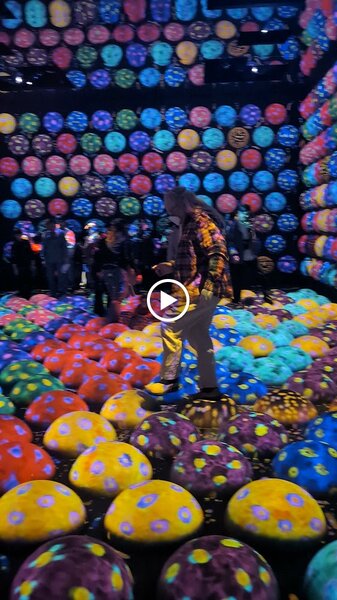
It also had a jungle gym for adults! Brightly colored and playfully musical interactive spaces.
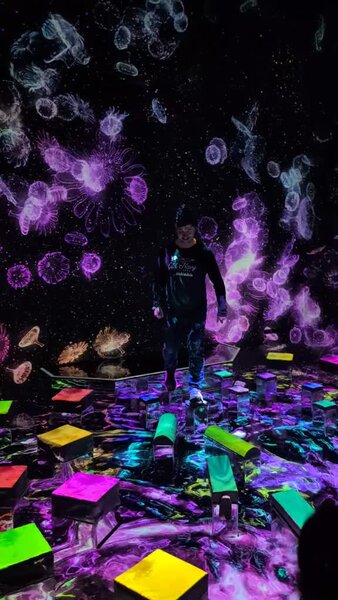
Teamlab Planets is in an area called Odaiba, which was built recently on reclaimed land. Unlike the narrow and crowded streets of the Tokyo that we're used to, in Odaiba the streets are wide, the sidewalks are empty and the population density is much lower. This was exemplified when we had to walk two long barren blocks to find lunch in a touristy mall with the vibes of old Tokyo, complete with reenactment performers like samurai and taiko drums. As you might guess, it wasn't my favourite neighbourhood.
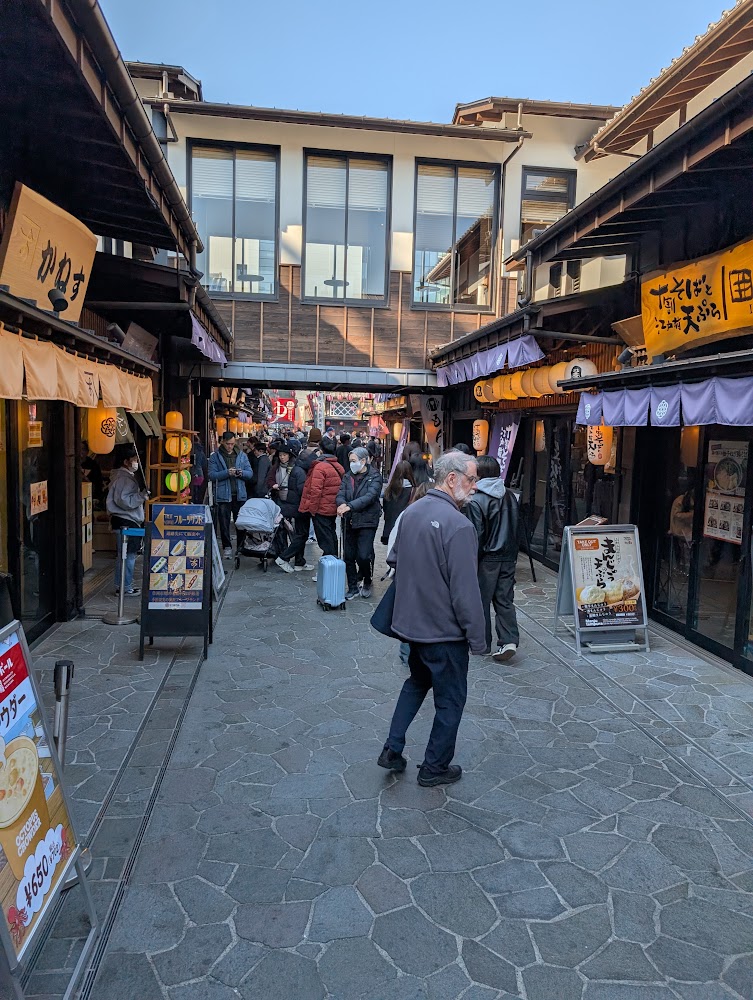
Oh no, James is on the wrong side of the platform doors! The train station had room for future extensions and in the mean time they'd covered over the tracks so you could walk on them.
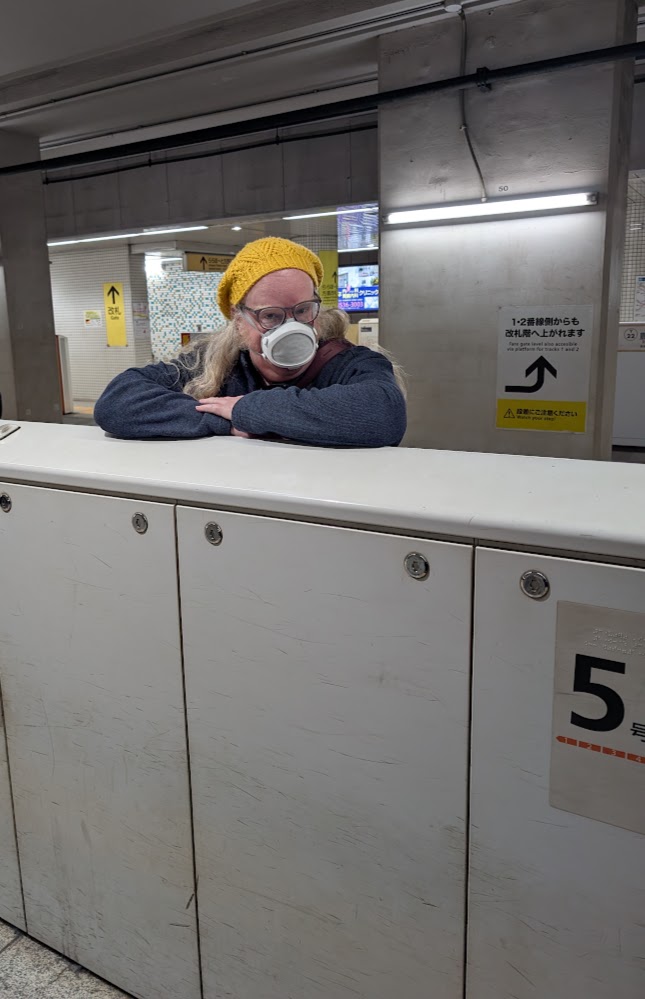
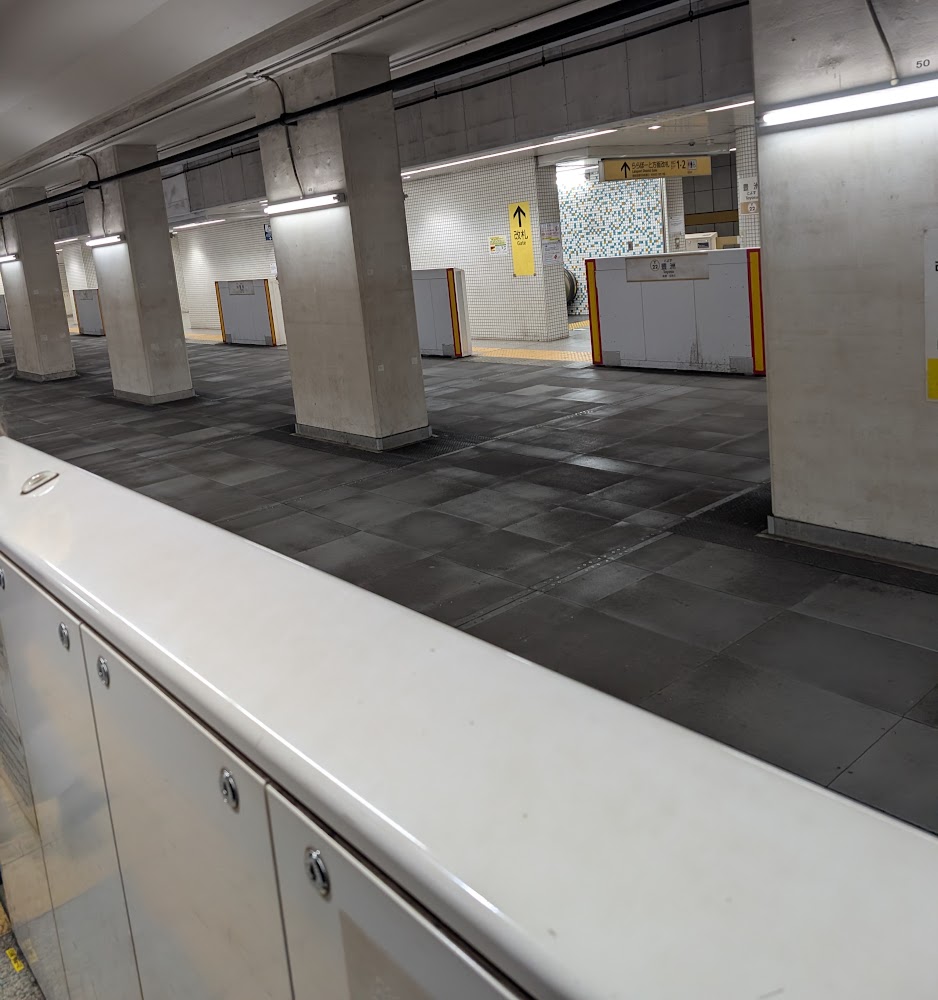
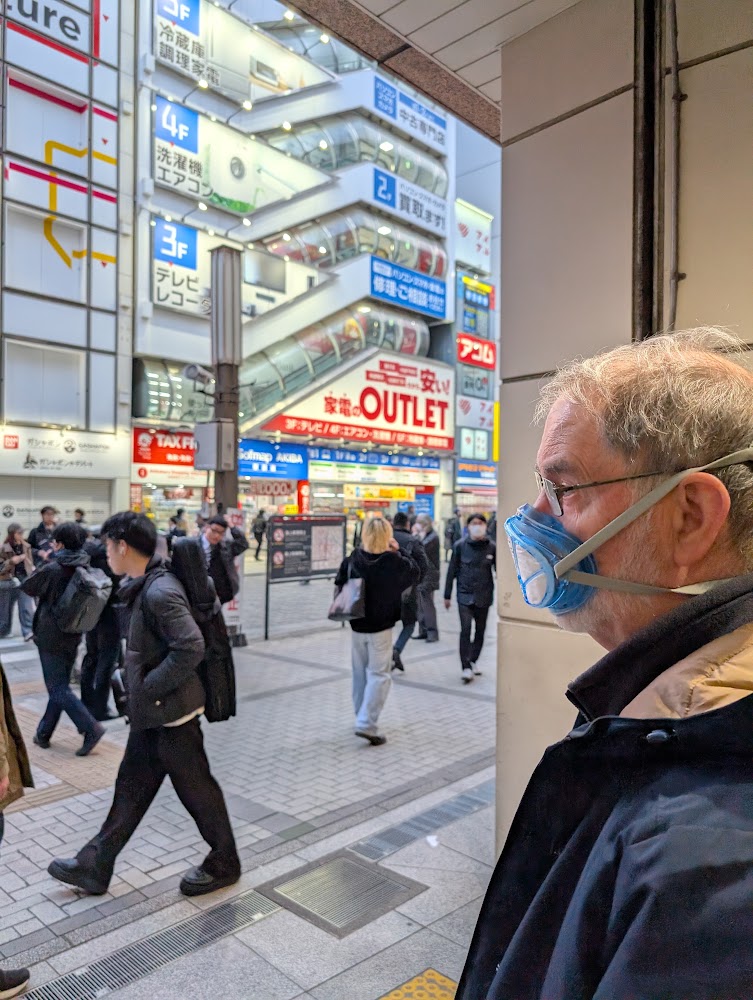
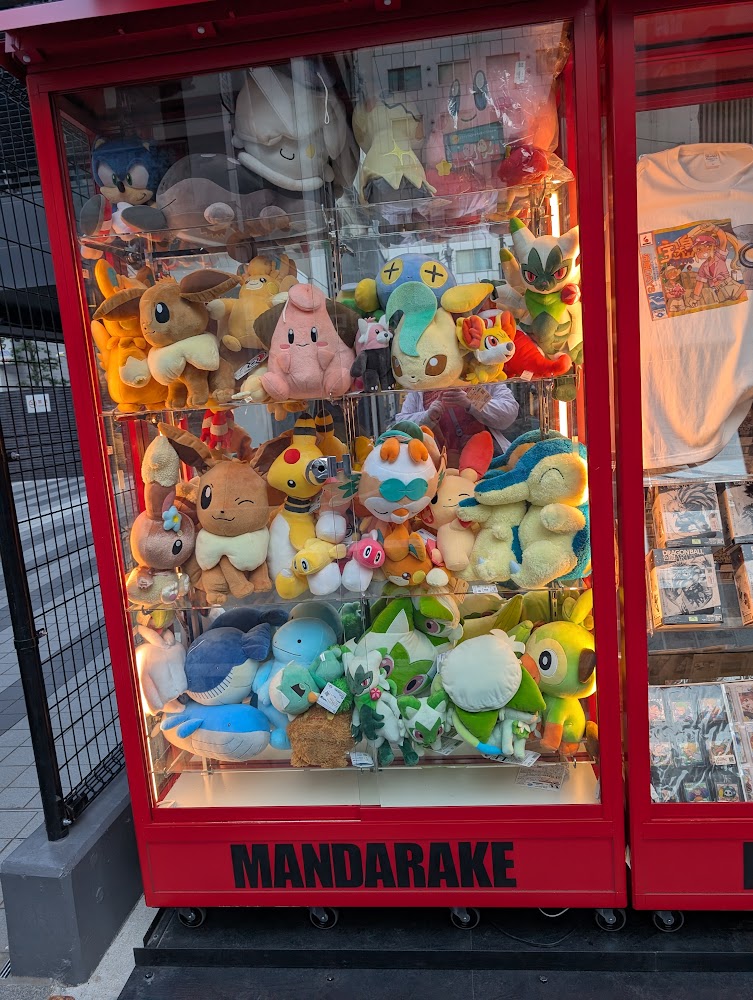
James wanted to buy some old video game consoles, so we went to Akihabara, famous for being the center of nerd and tech culture in Tokyo. Dad and Andrew explored the area, from the flashy main streets to the smaller electronics shops on side streets.
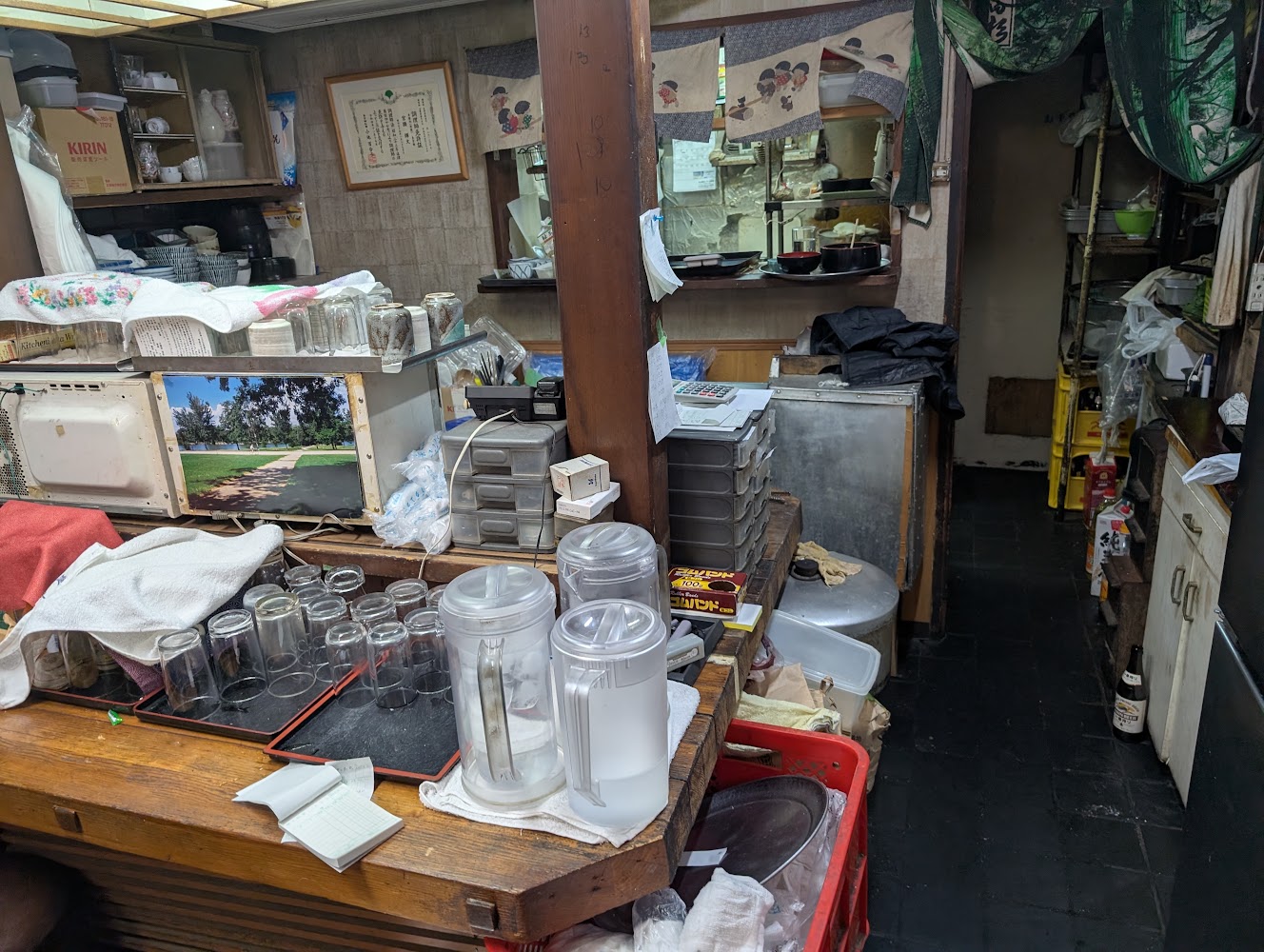
Dinner was at a nearby hole-in-the-wall tonkatsu place run by a gramma that hadn't updated the decor since the 70s, complete with a tiny CRT TV. Another language success - the menu and interactions were all in Japanese.
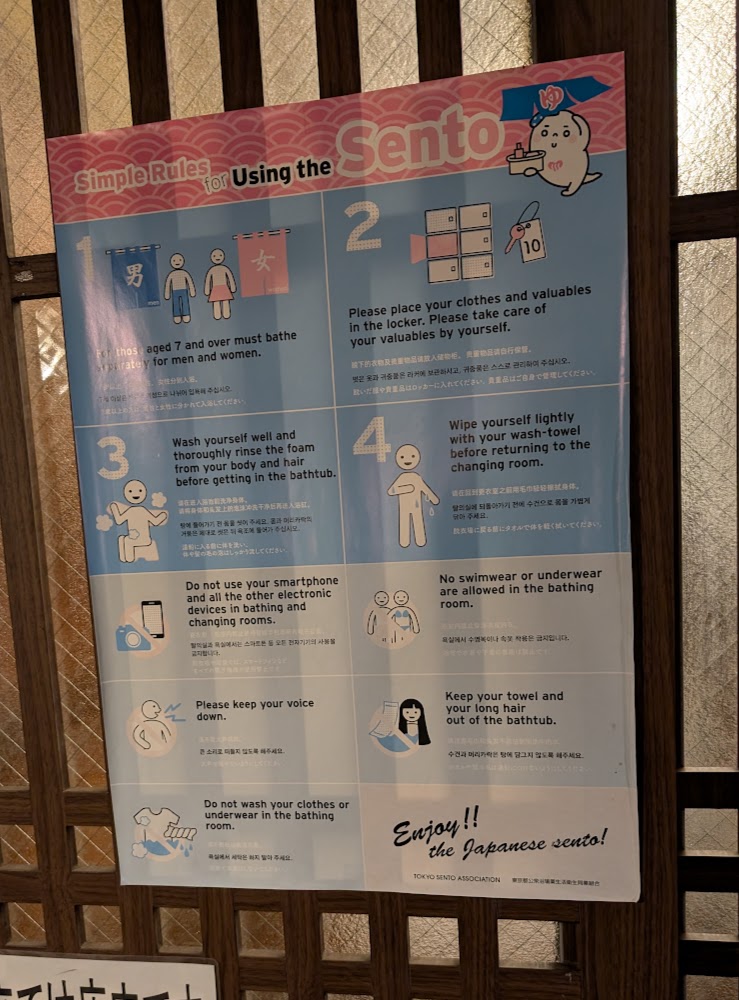
After talking about it for the whole trip, I finally made it out to a sento (public bath). It was a delightfully warm and relaxing experience, especially since the rest of the trip had been so cold! No photos inside of course, so here's the instructions.
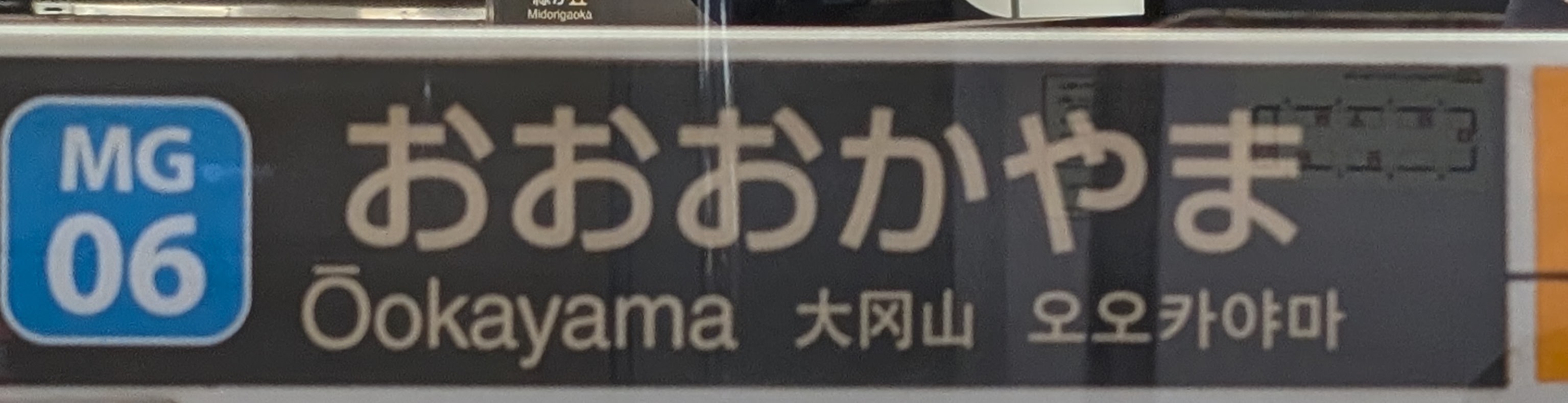
This train station name made me laugh, since it starts with 3 O's in a row. OOOKAYAMA!
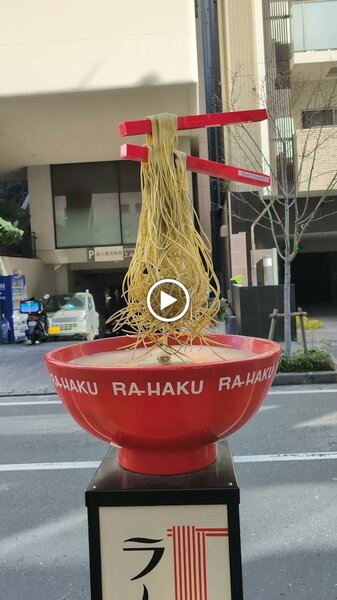
On our final day in Japan we visited Yokohama, just south of Tokyo. First stop was the Ramen Museum, with an animatronic bowl of ramen outside to welcome you.
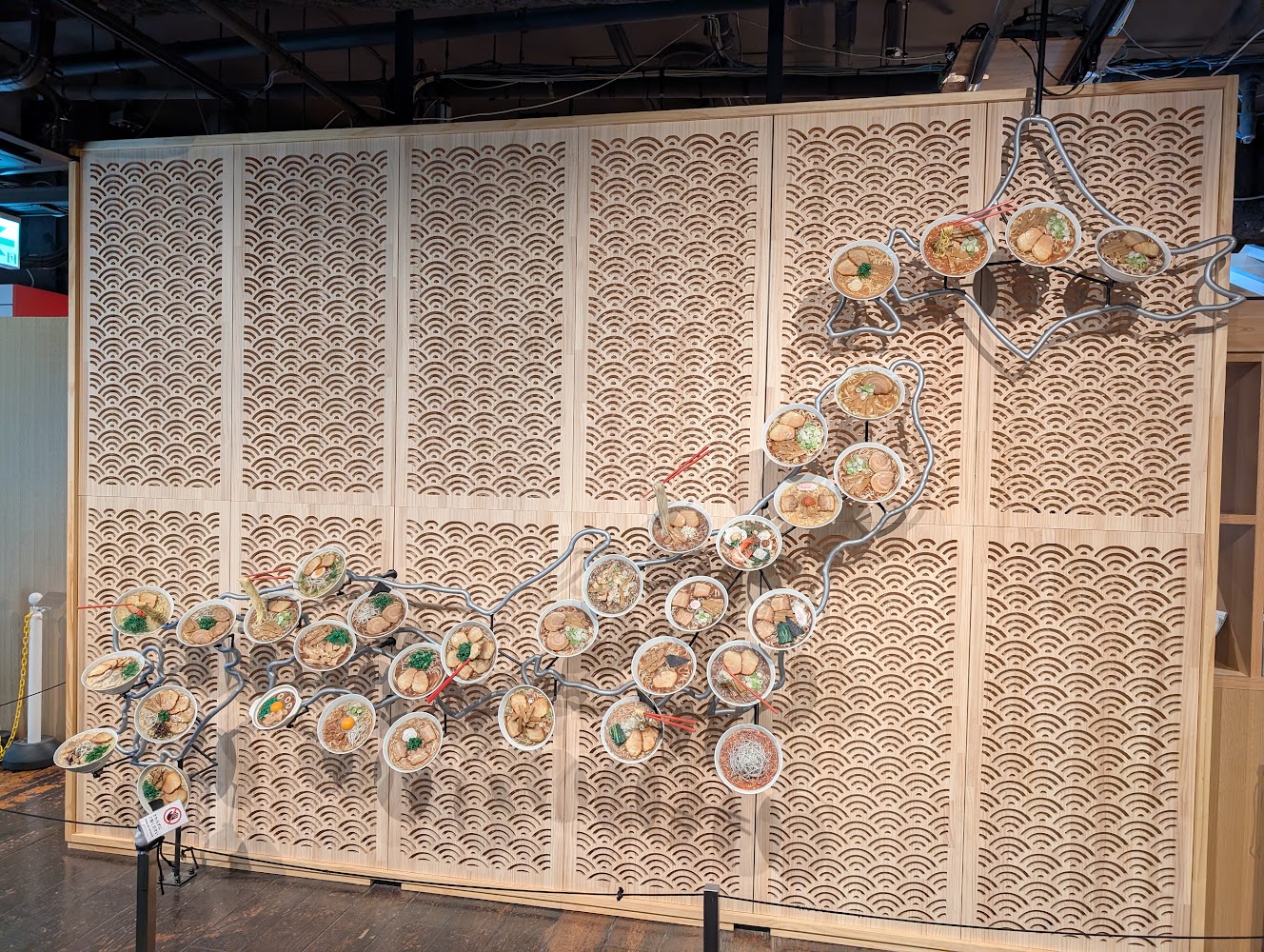
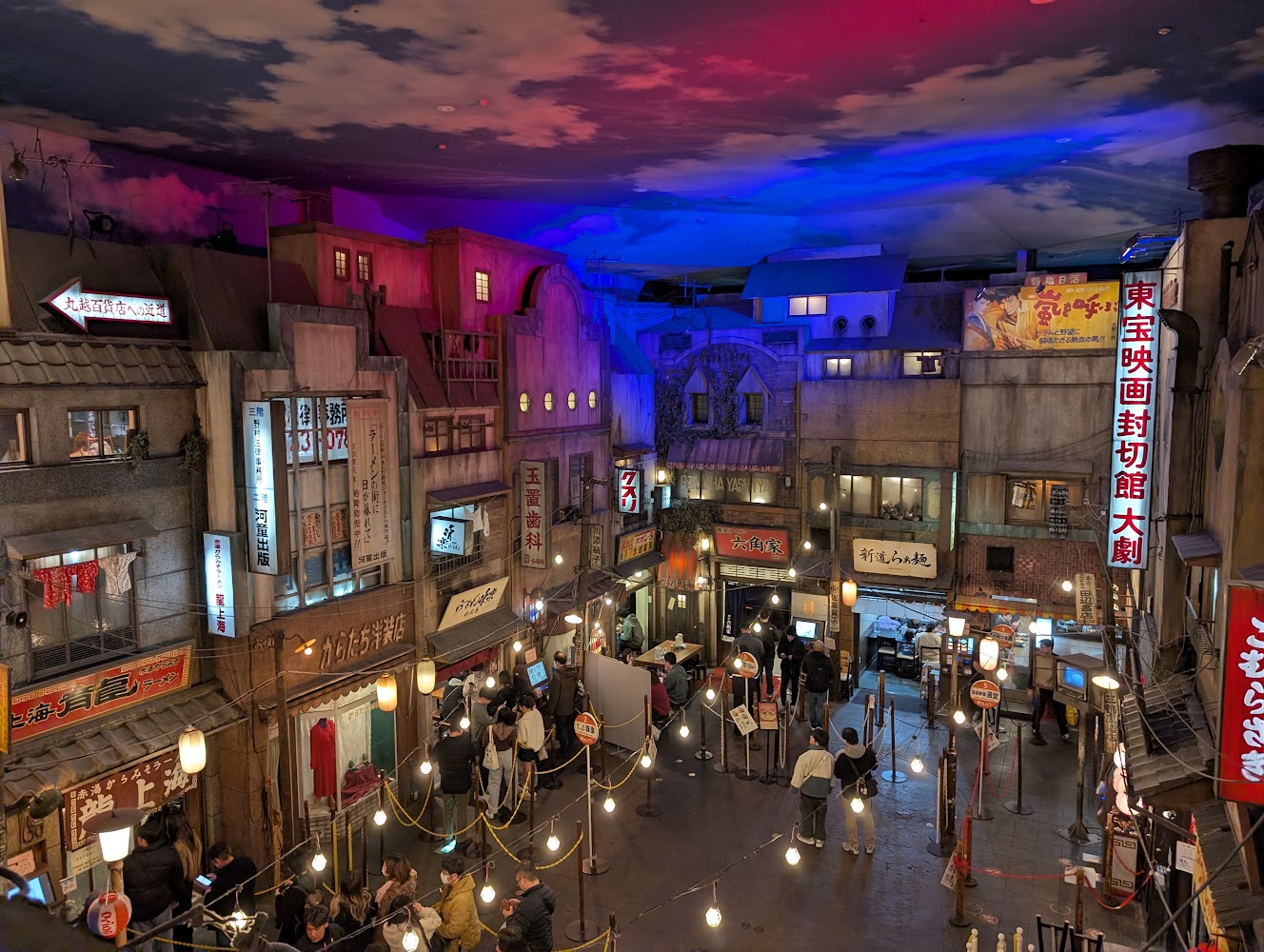
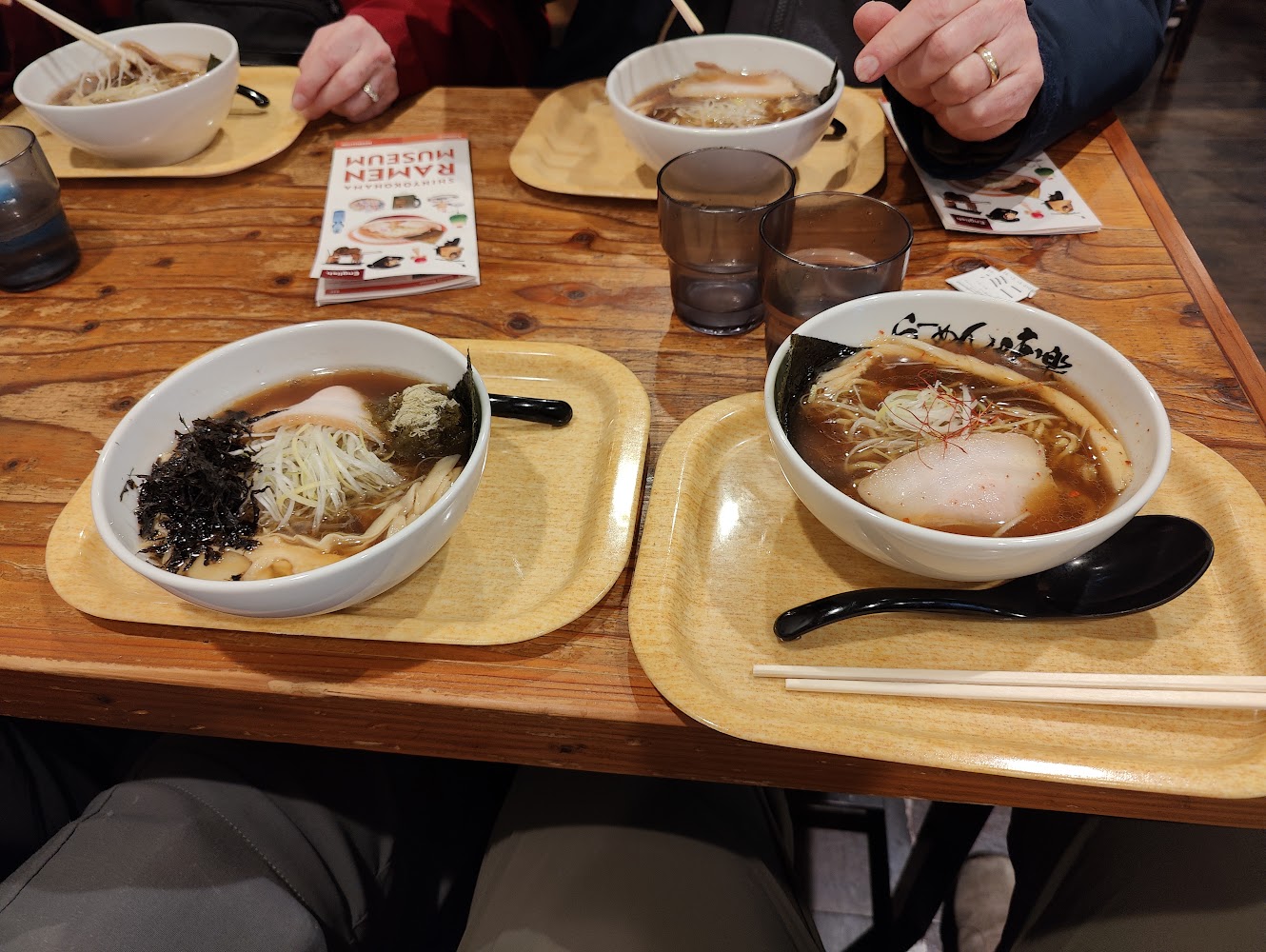
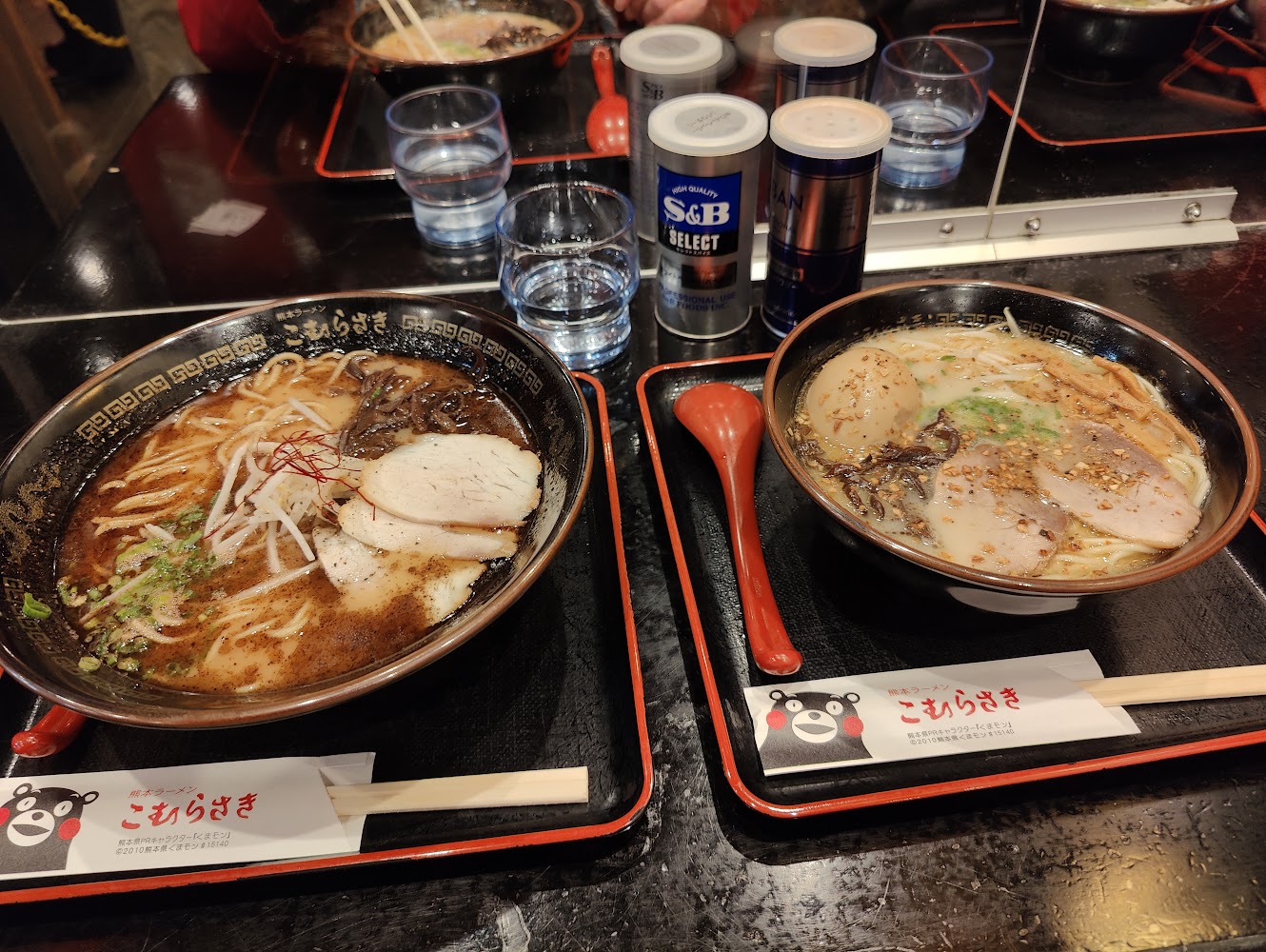
Inside is a history of how ramen was invented and popularized, but the main draw is the ramen food court. Styled after a Showa-era (mid 1900s) street, it has a rotating collection of tiny ramen restaurants where you can try different regional styles. We wanted to try them all, but we got full after only two bowls!
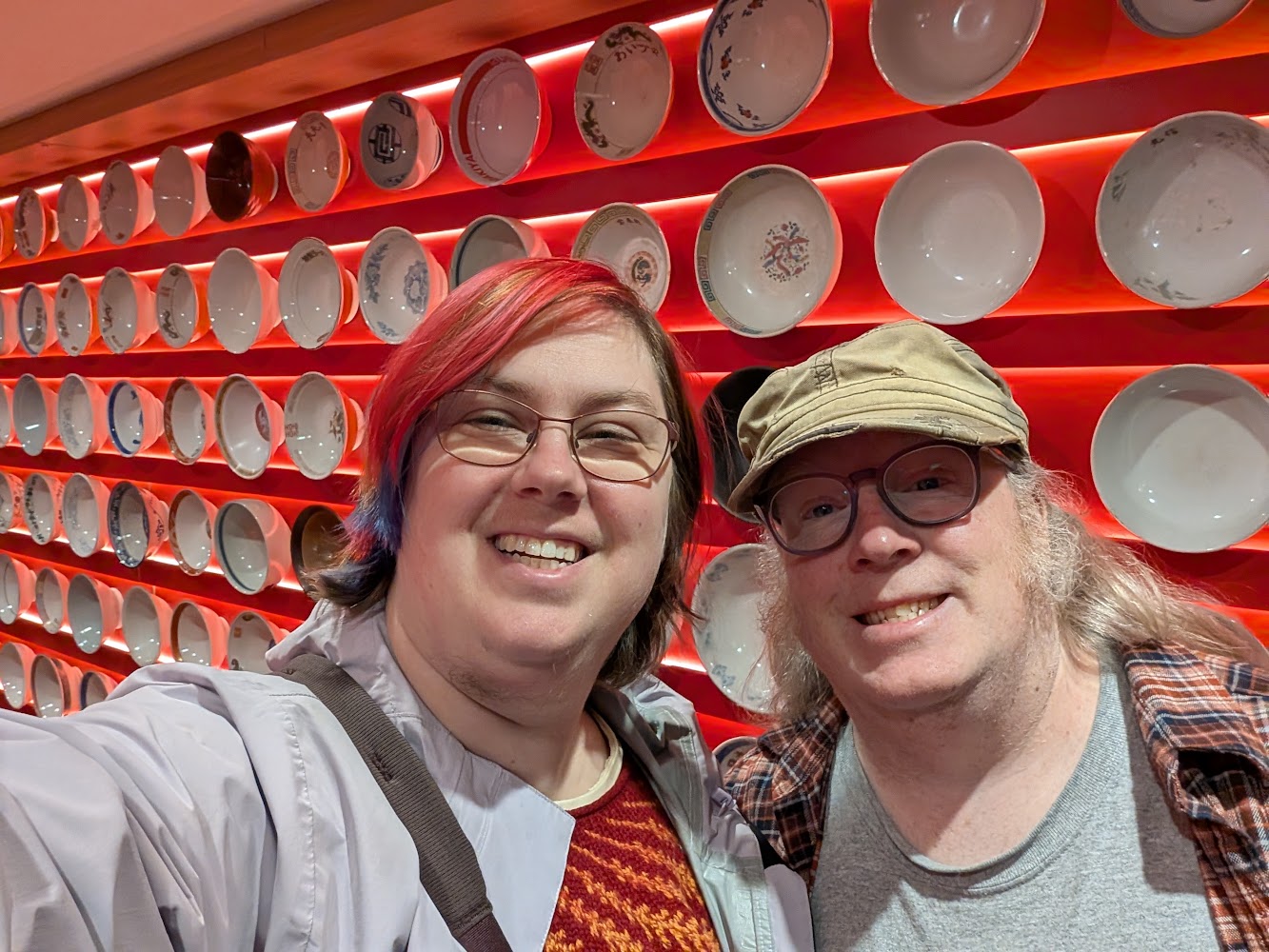
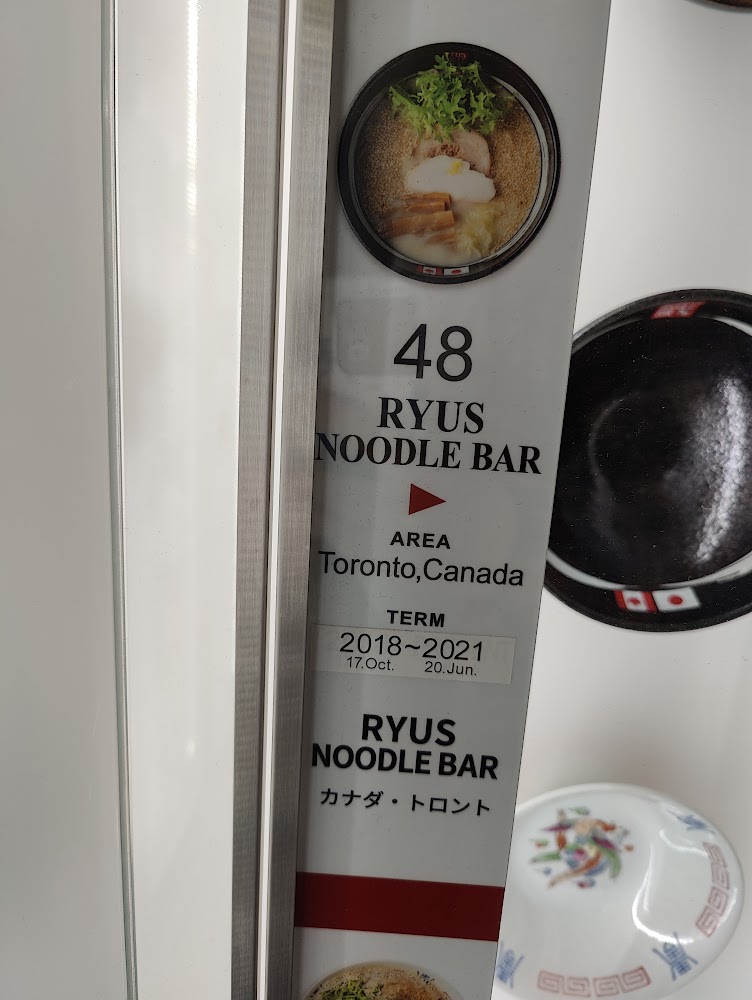
In the hallway commemorating all the previous shops that had been in the museum we found one for a Canadian shop!
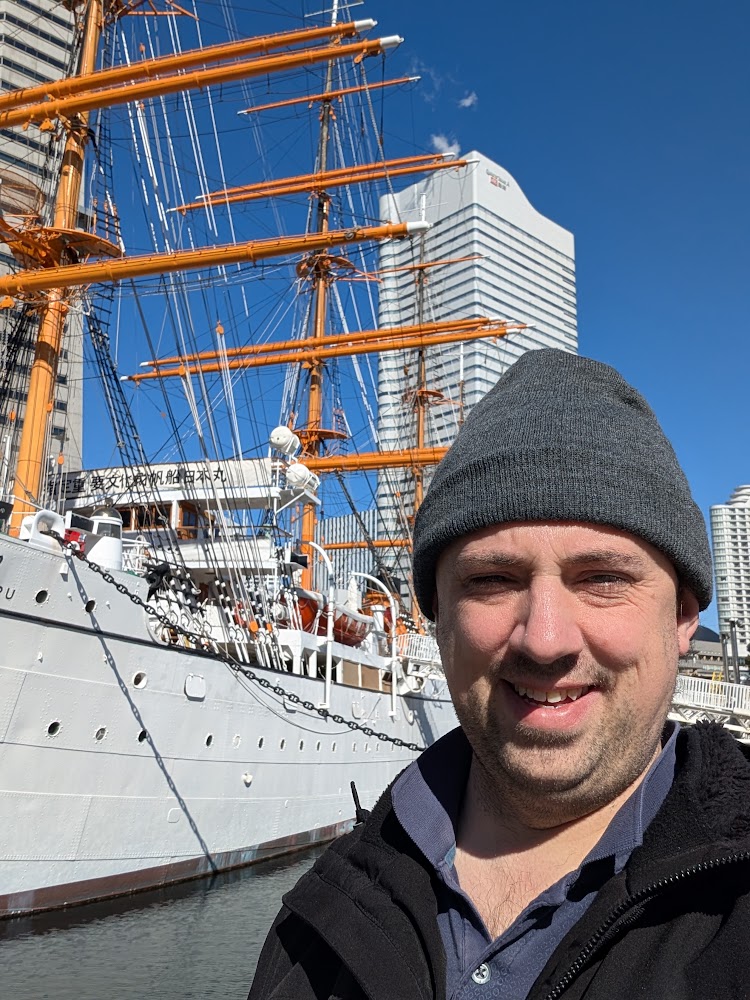
Andrew went to see the Maritime museum instead of the Ramen museum, but regrettably it was closed that day. Fortunately he really enjoyed exploring the Yokohama waterfront.
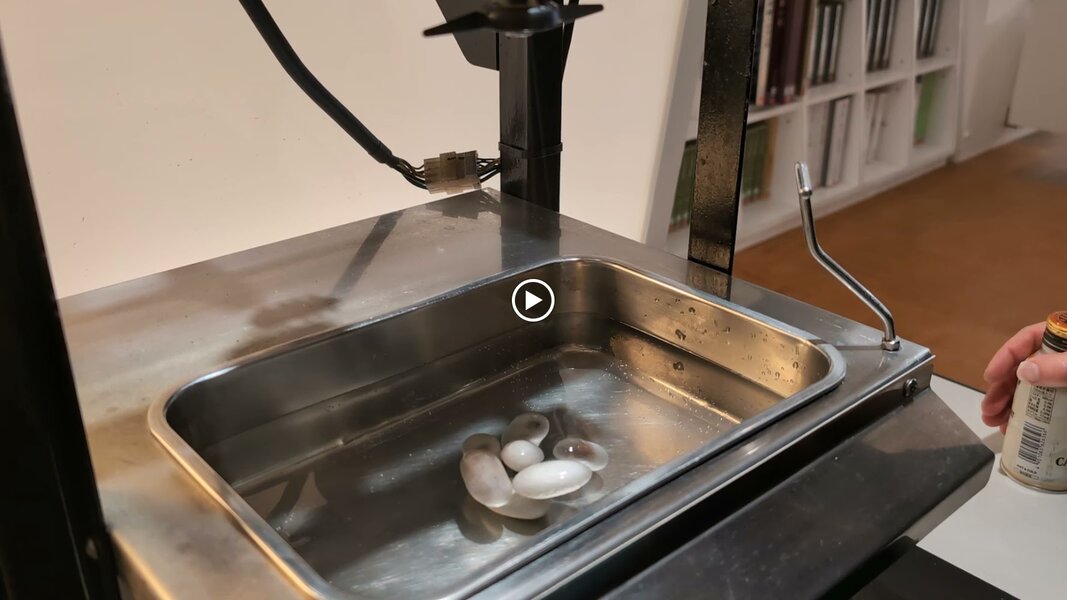
We met up at the silk museum, our final museum of the trip. It had a lot of info on the production of silk, including a demonstration of unwinding cocoons. The thread is so fine it's difficult to see!
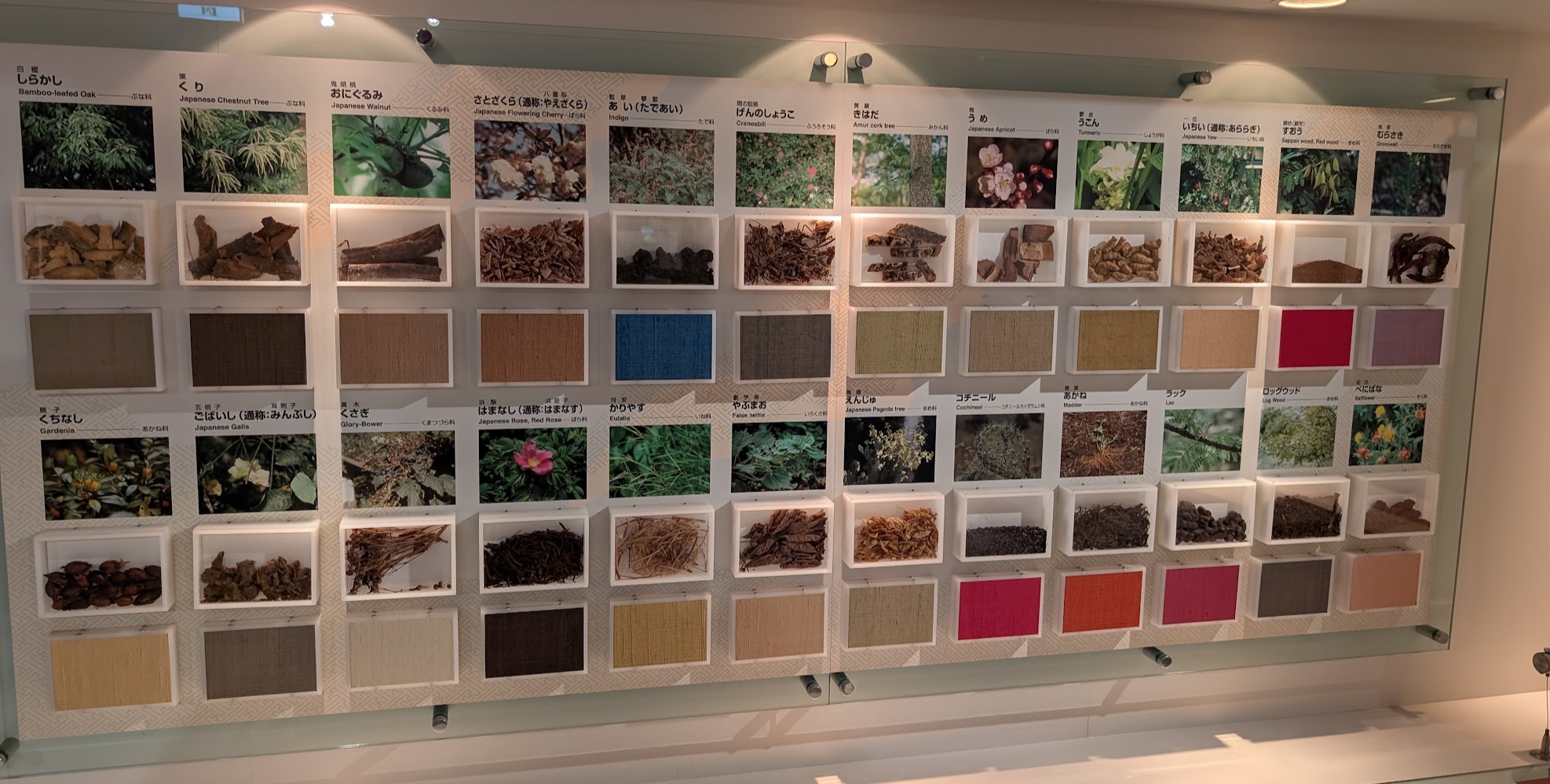
I was really impressed with how many vivid colors can be produced from natural dyes.
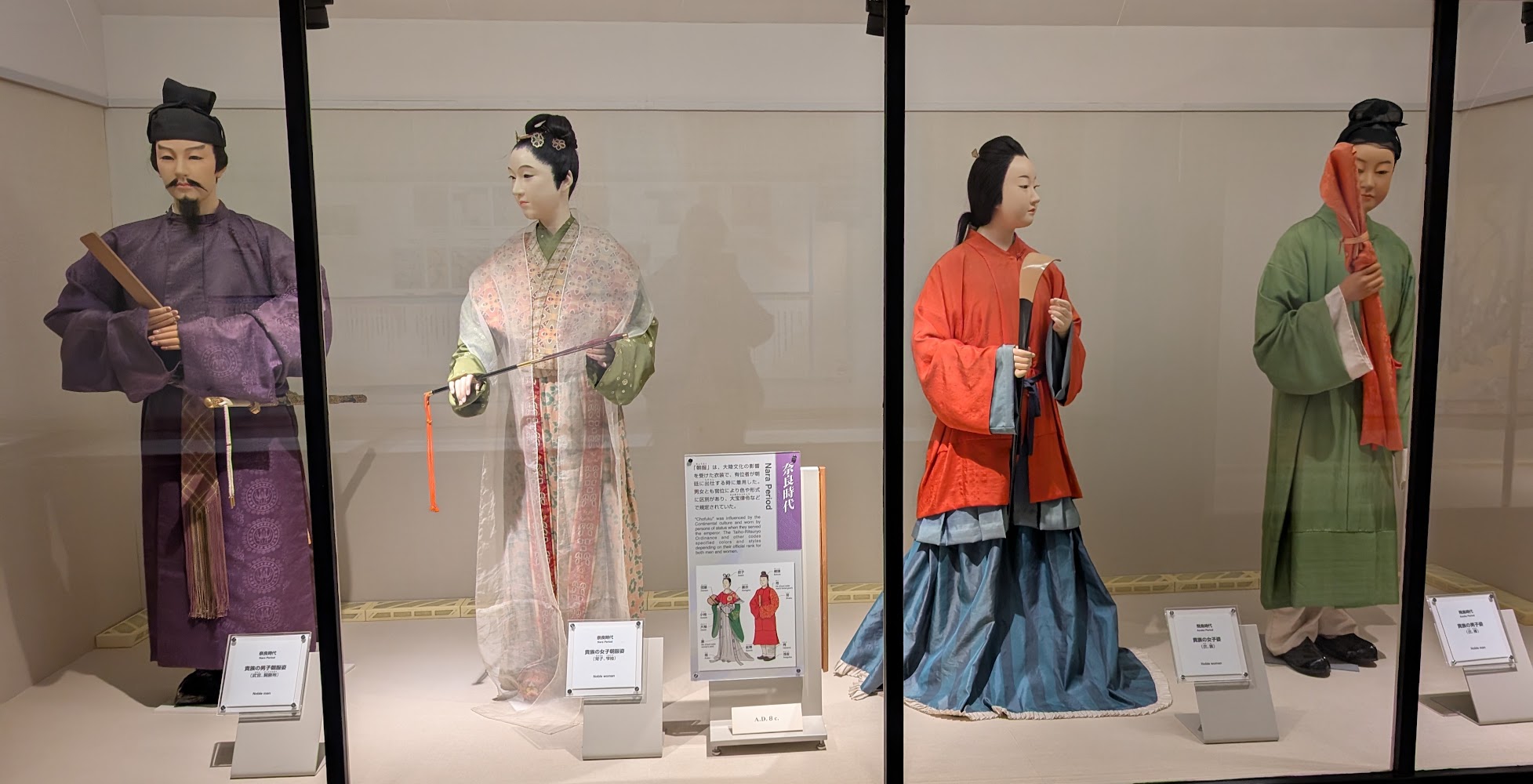
It was cool to see the evolution of how fashion changed from very Chinese-influenced in the Nara period (700s CE) to what we think of as Japanese style in the Edo period (1600-1860s).
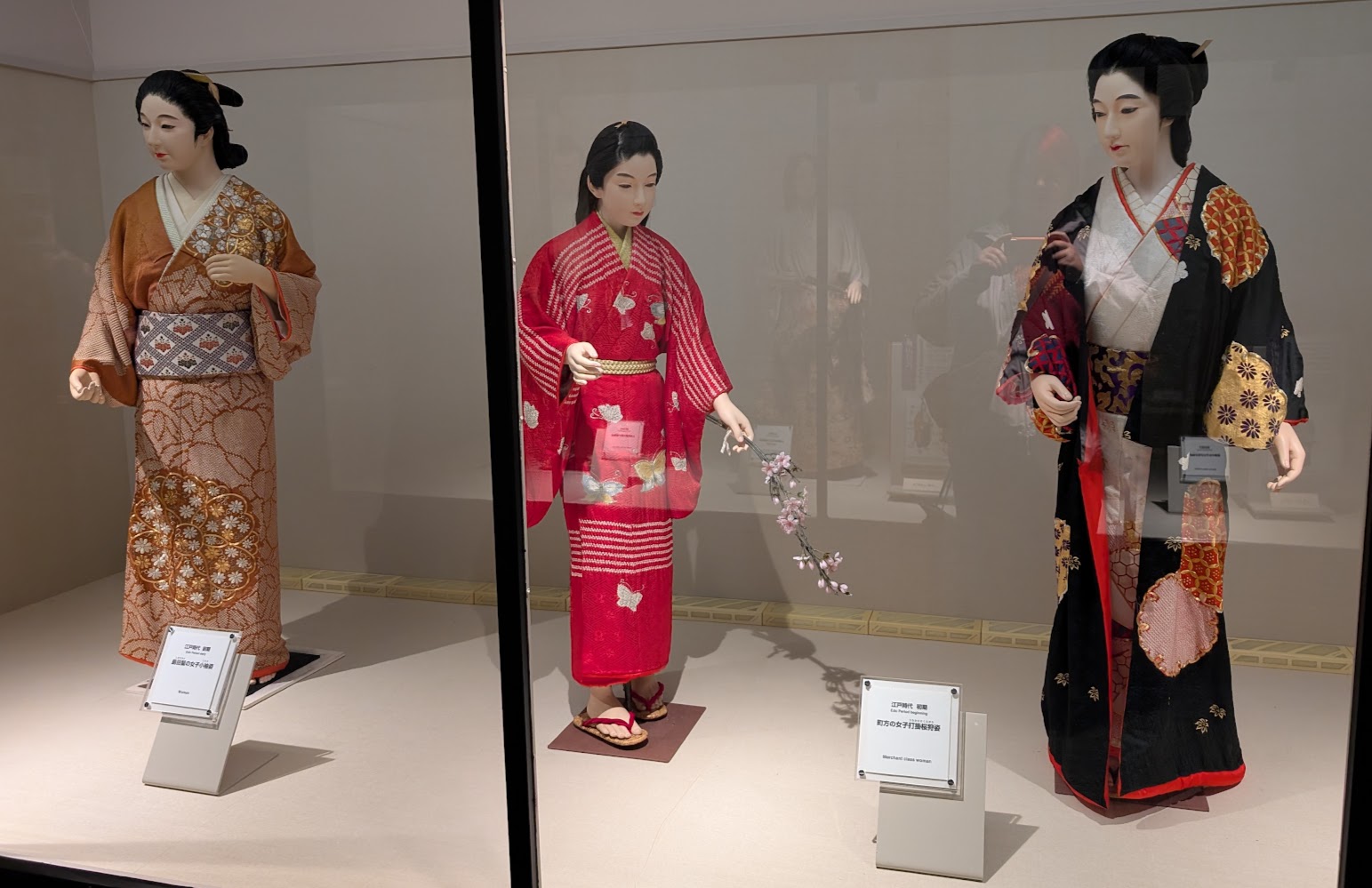
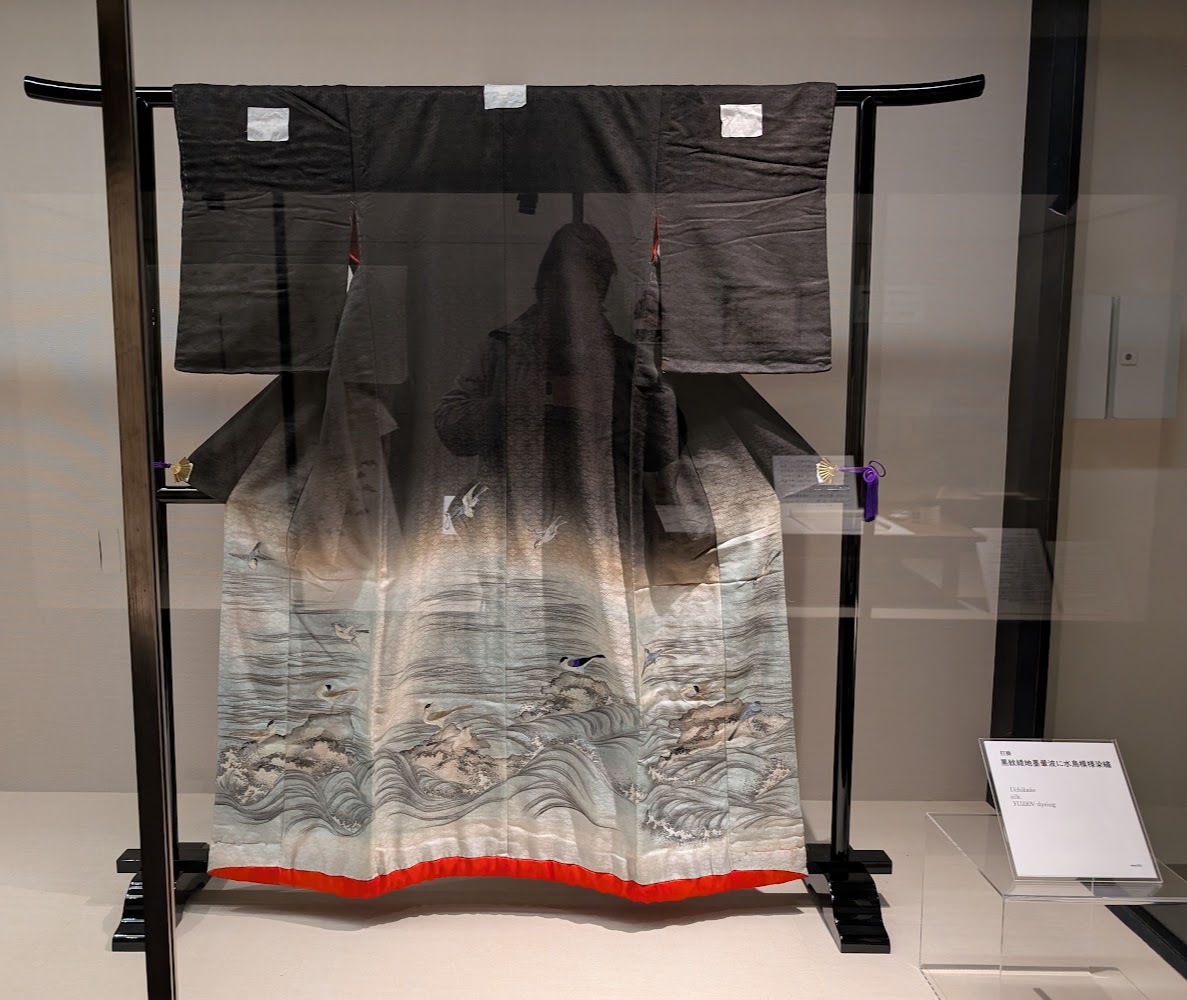
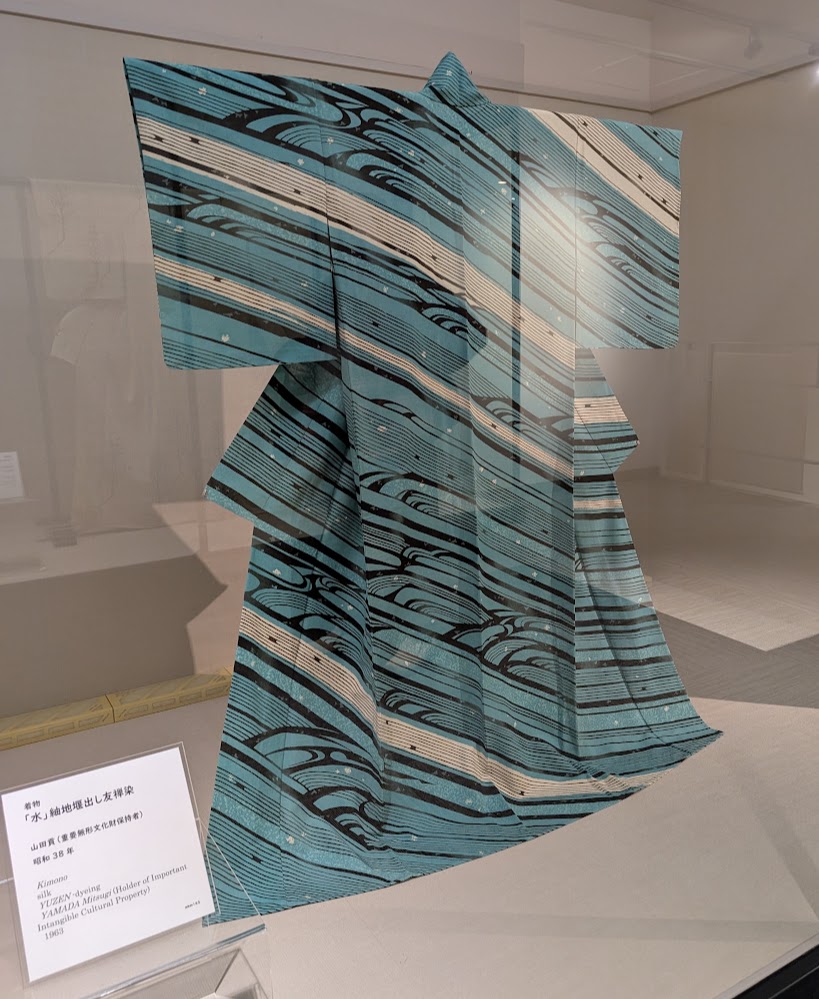
And kimono styles continue to evolve to this day.
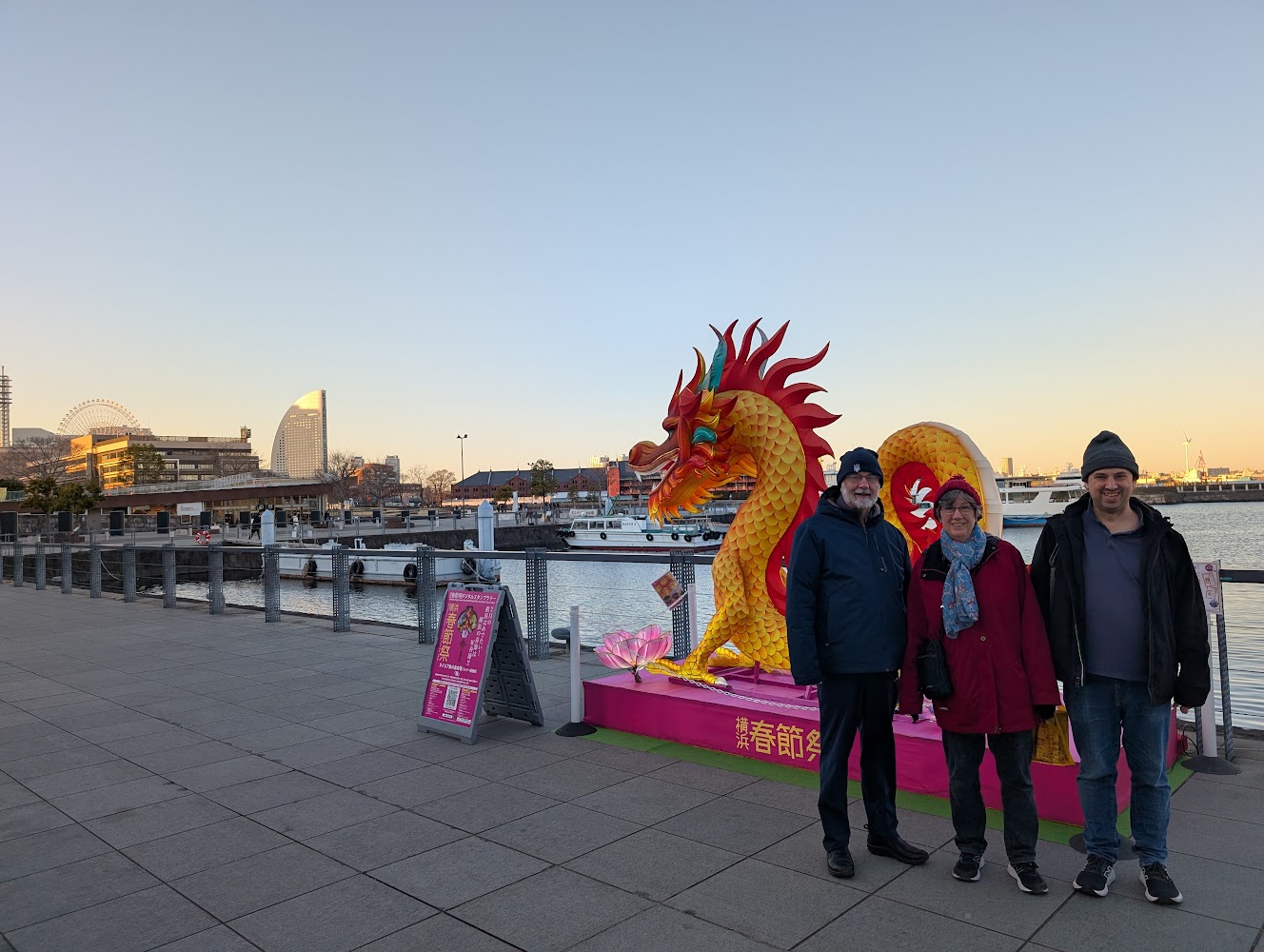
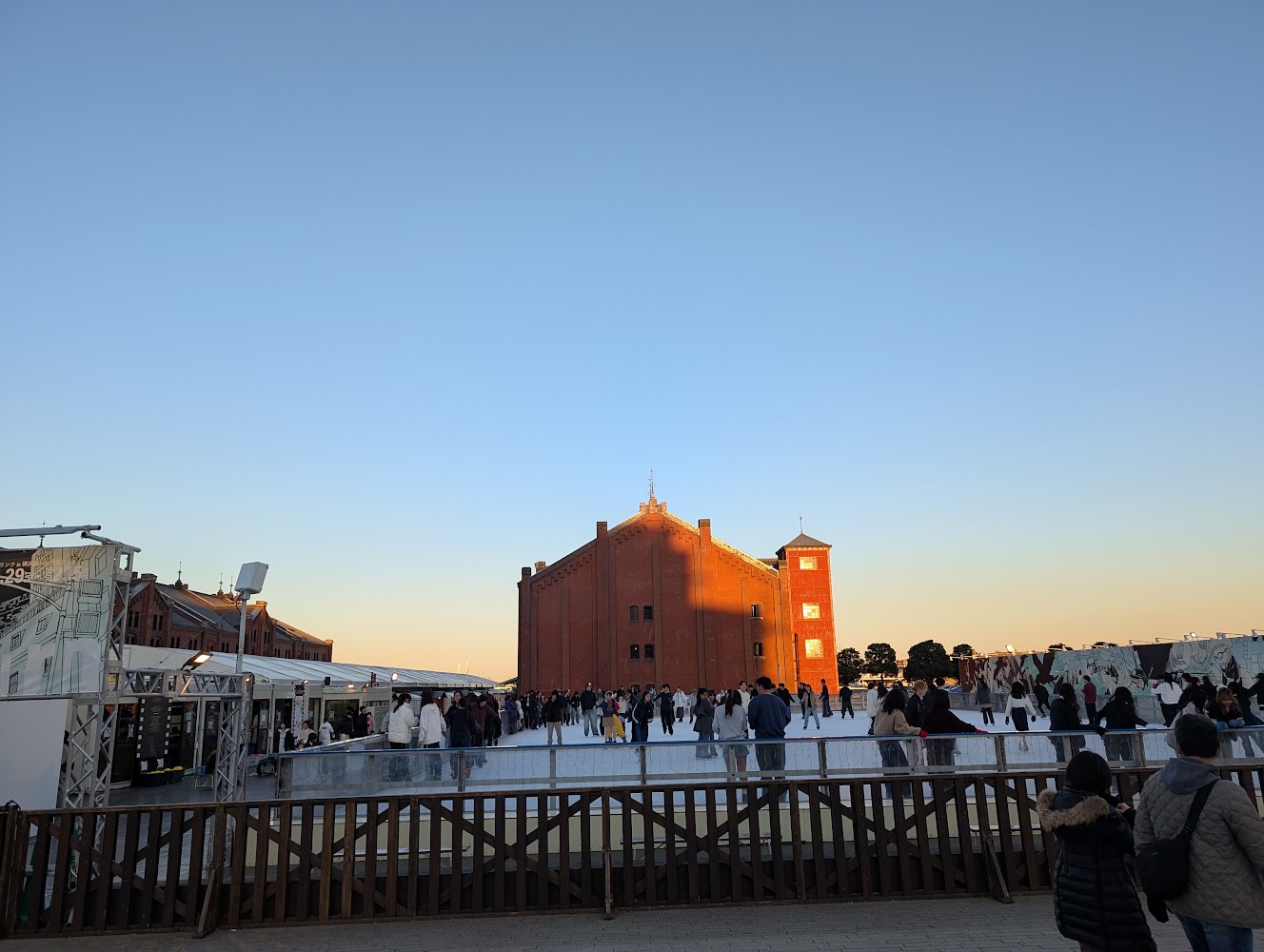
We had just enough time for a sunset walk along the waterfront on our way to the to the train station, including an unexpected outdoor skating rink.
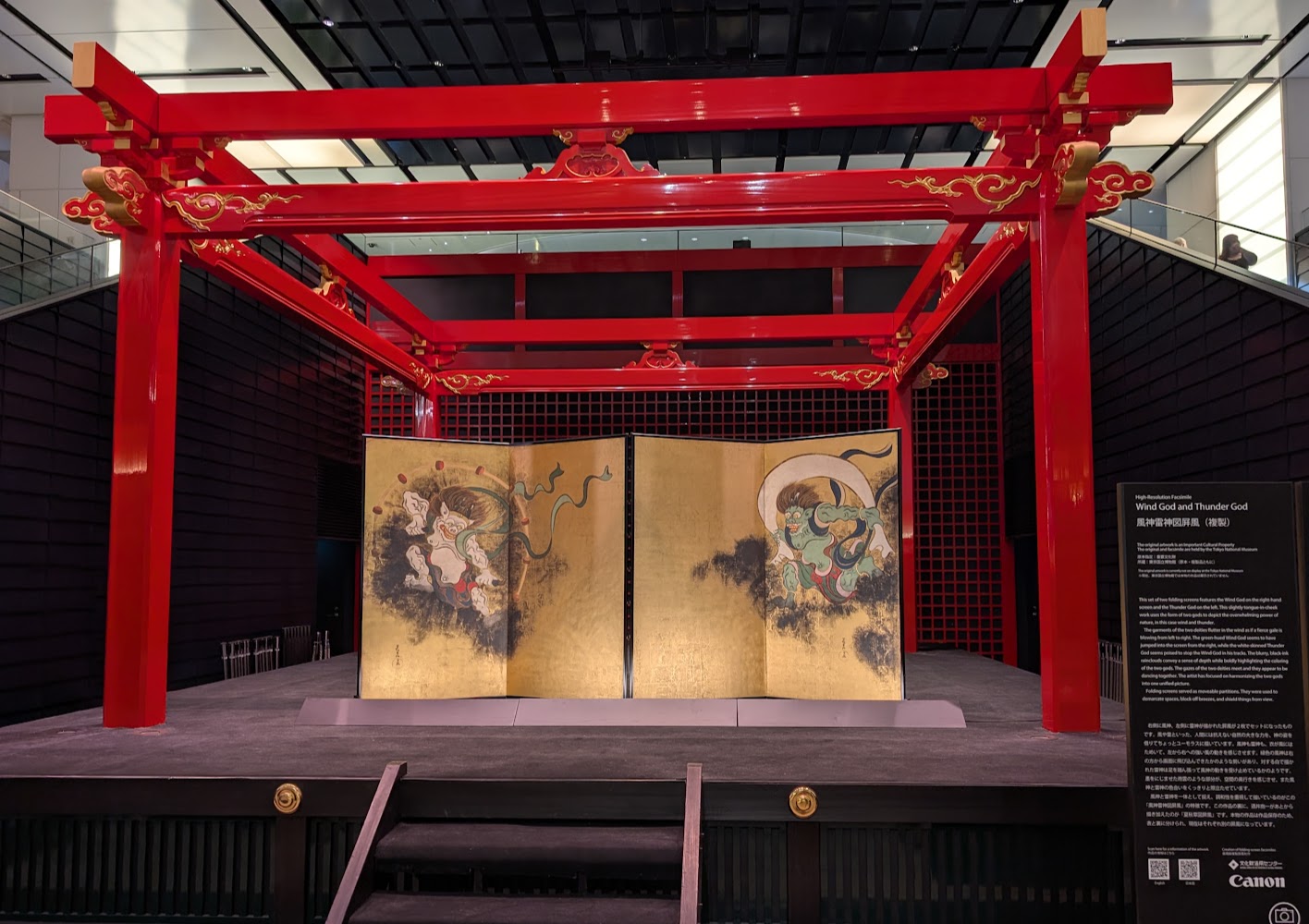
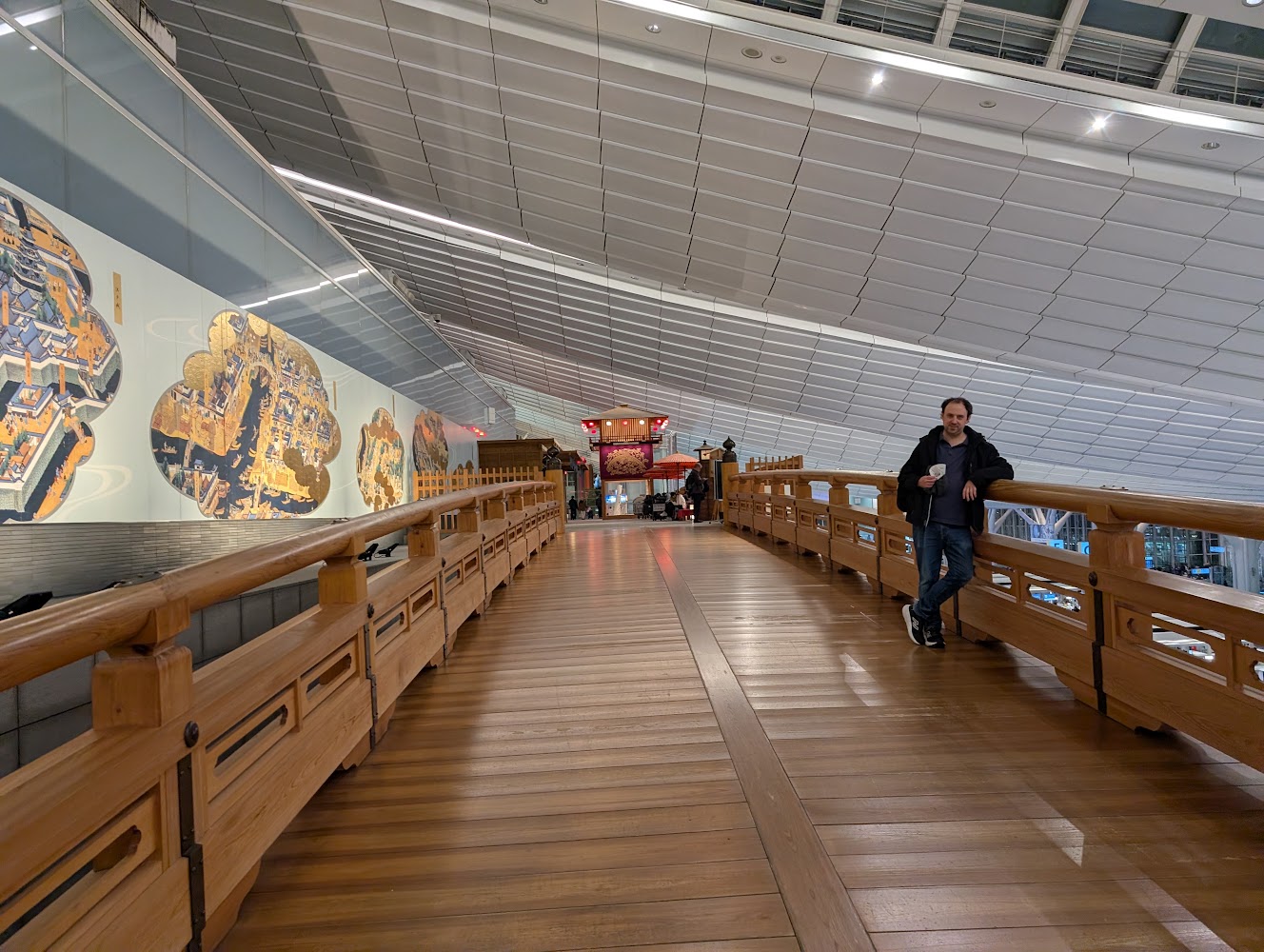
While we were waiting at the airport we checked out the recreations of some famous Japanese art, including a scale model of the Nihonbashi bridge.
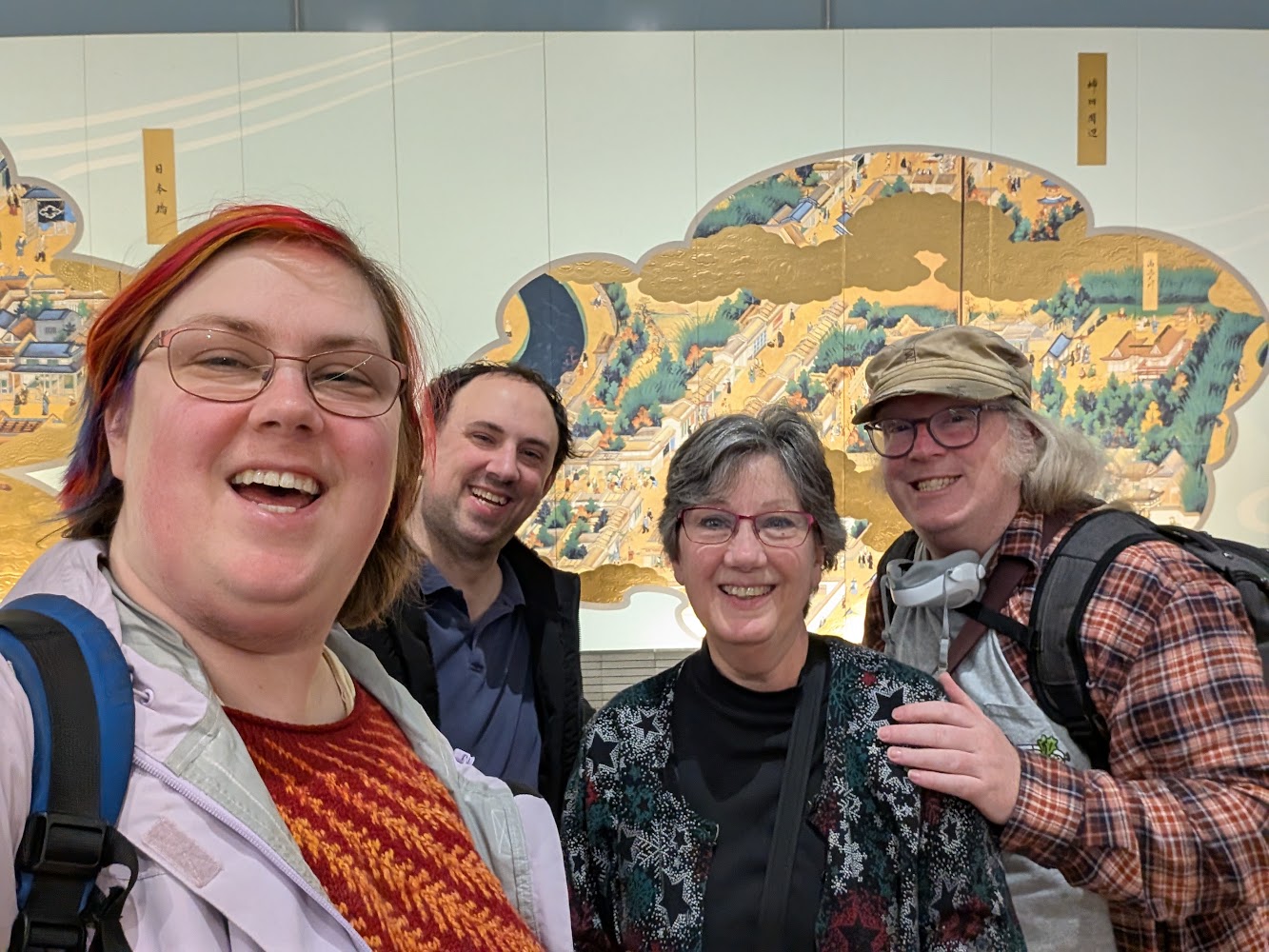
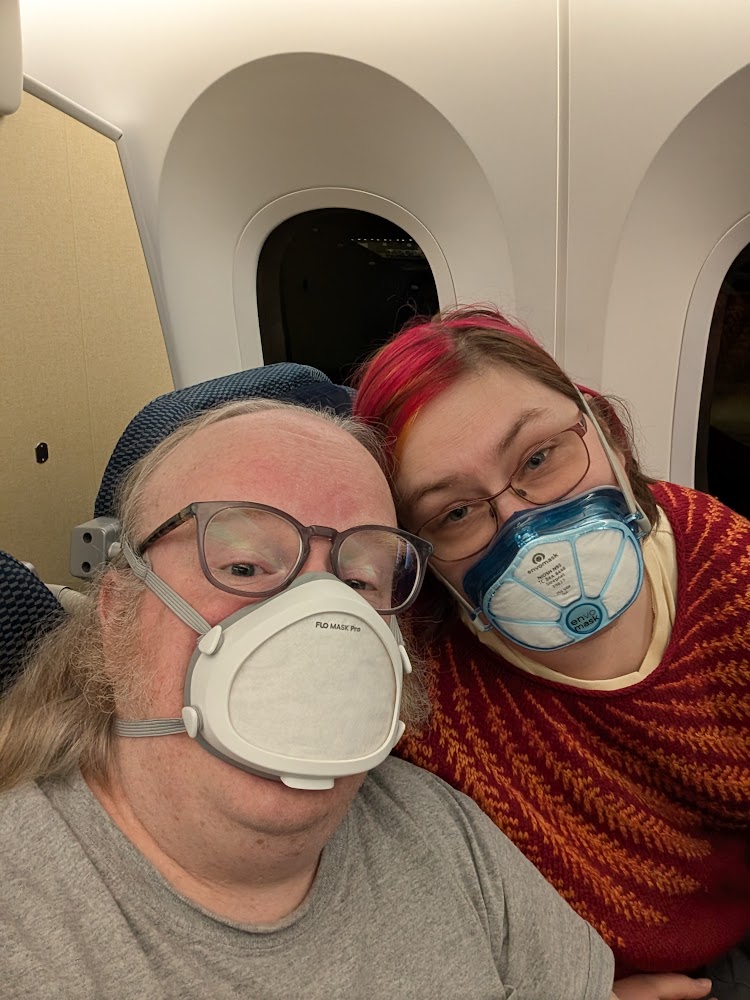
And then the long flight from Tokyo...
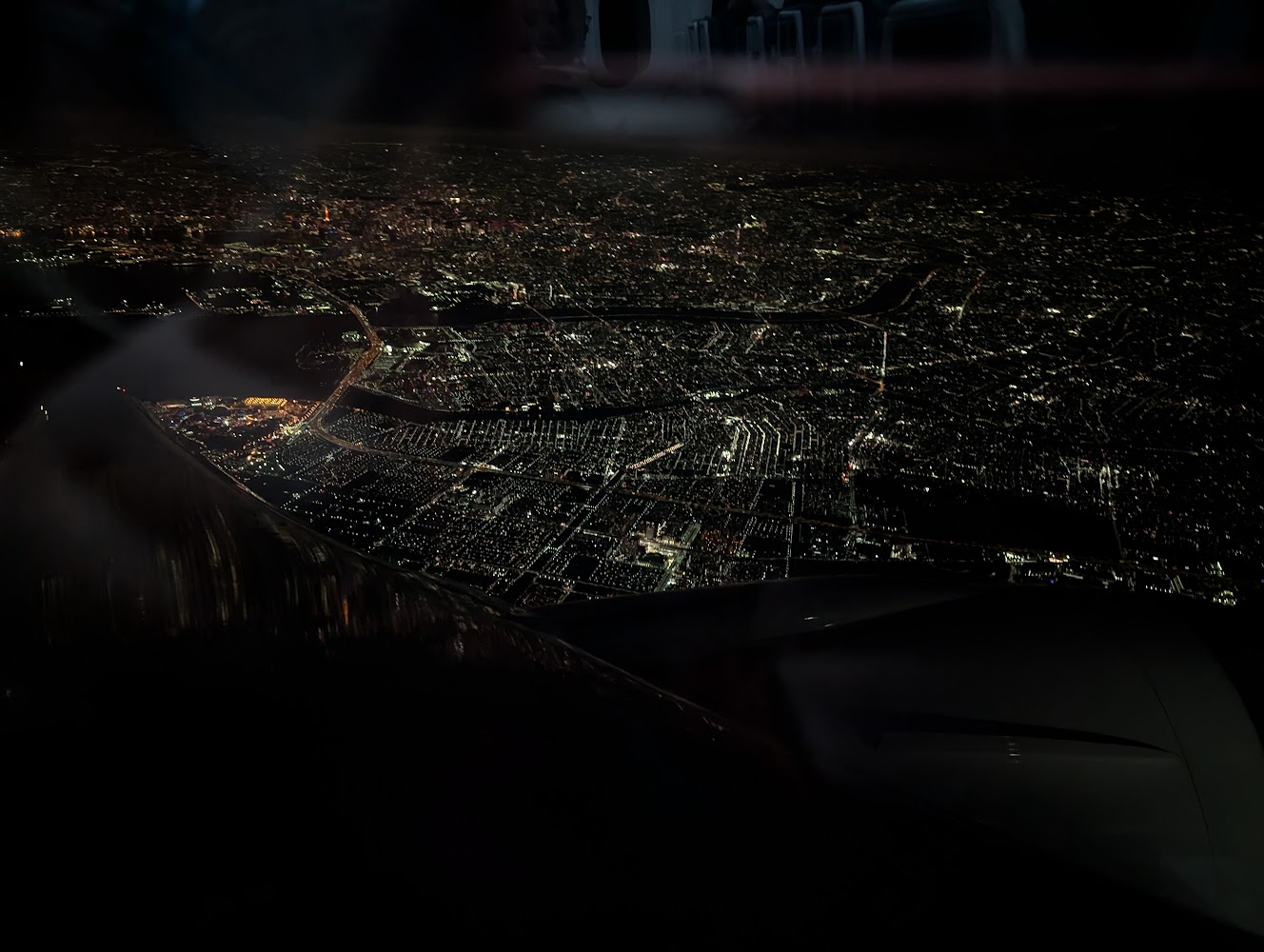
...back to beautiful BC.
We were welcomed home by plushies playing our favourite board game, organized by Zee.